Why is My Car Bumpy When I Brake: Causes & Quick Fixes
Have you ever felt your car shake or jerk every time you hit the brakes? That sudden bumpy ride can be unsettling and might even make you worry about your safety.
You deserve smooth, steady stops—not a shaky, uncomfortable experience. Understanding why your car becomes bumpy when you brake is the first step to fixing the problem and driving with confidence again. Keep reading, and you’ll discover the common causes behind this issue and what you can do to get your ride back to smooth and steady.
Common Causes Of Bumpy Braking
Bumpy braking can make driving unsafe and uncomfortable. Many factors cause this shaking or vibration when you press the brake pedal. Understanding these causes helps you know what needs fixing. It also keeps your car running smoothly and safely.
Warped Brake Rotors
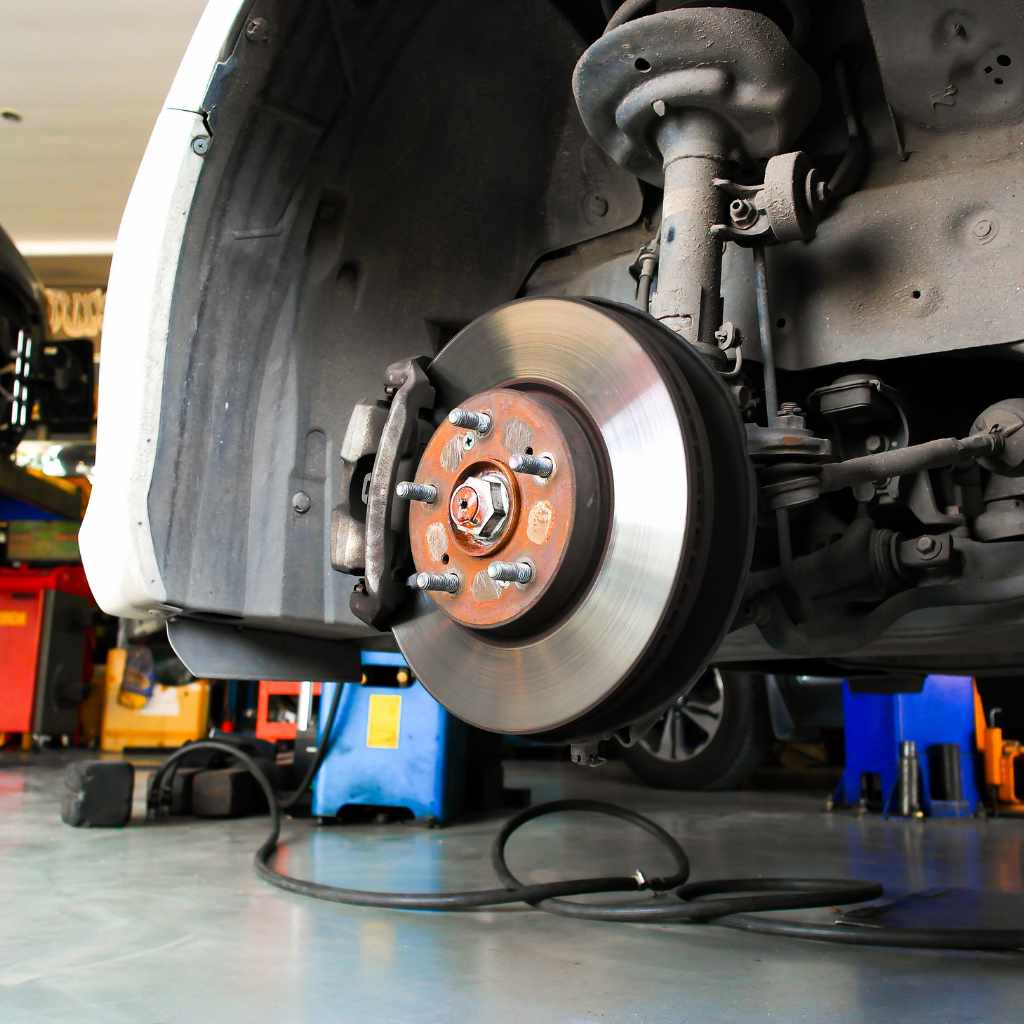
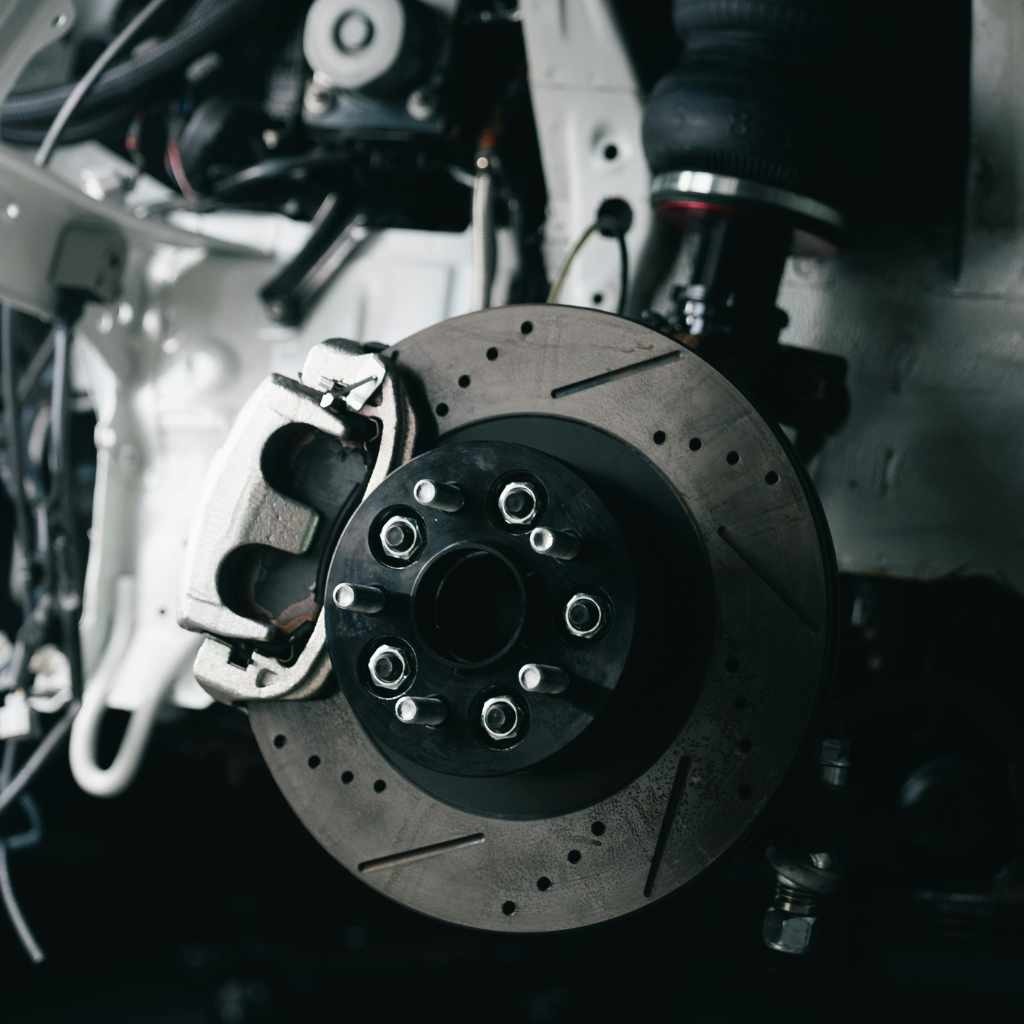
Brake rotors spin with the wheels and slow the car down. Heat and wear can warp these rotors. Warped rotors cause the brake pads to hit unevenly. This leads to a shaking or pulsing feeling during braking.
Worn Brake Pads
Brake pads press against rotors to stop the car. Over time, pads wear thin and lose grip. Thin or uneven brake pads can cause bumps or vibrations. Replacing old brake pads restores smooth braking.
Suspension Issues
The suspension supports your car and absorbs shocks. Damaged or worn suspension parts affect brake performance. Loose or broken suspension components cause the car to shake. Fixing suspension issues helps improve braking stability.
Tire Problems
Tires provide traction and support during braking. Uneven tire wear or low pressure causes vibrations. Bad tires reduce control and make braking bumpy. Regular tire checks and maintenance prevent this problem.
Brake Caliper Malfunction
Brake calipers hold and press brake pads onto rotors. A stuck or damaged caliper can cause uneven braking. This leads to shaking or pulling to one side. Repairing or replacing faulty calipers smooths the brake feel.
Signs To Identify Brake Problems
Brake problems often show clear signs. These signs help you know when your brakes need attention. Recognizing these signs early keeps driving safe. Watch for changes while braking. Notice any strange feelings or sounds. These hints point to brake issues.
Vibrations In Steering Wheel
Feel shaking or wobbling in the steering wheel? This happens during braking. It often means brake rotors are uneven or worn out. Vibrations show that the brakes do not grip smoothly. This issue needs fixing to avoid damage.
Noise During Braking
Squealing, grinding, or clicking sounds occur when brakes are used. These noises indicate worn brake pads or damaged parts. Strange sounds mean the brakes cannot work properly. Pay close attention to any new or loud noises.
Pulling To One Side
The car pulls left or right when you brake. This happens if brakes on one side are stronger or weaker. Uneven braking causes the vehicle to drift to one side. It is a sign that brake balance needs checking.
Brake Pedal Feel
The brake pedal feels soft, spongy, or sinks too low. This suggests air or fluid leaks in the brake system. A hard or stiff pedal can also signal problems. Changes in pedal feel mean brake performance is affected.
Quick Fixes For Bumpy Braking
Bumpy braking feels unsafe and uncomfortable. It can also signal a car problem. Quick fixes can help you drive smoothly again. These fixes focus on parts that affect braking performance. Checking these parts saves time and money.
Rotor Resurfacing Or Replacement
Rotors wear out and cause vibrations during braking. Resurfacing smooths the rotor surface to stop shaking. If the rotor is too thin or damaged, replace it. New rotors improve braking and reduce bumps.
Brake Pad Replacement
Worn brake pads cause uneven pressure on rotors. This leads to a bumpy brake feeling. Changing brake pads restores smooth contact with rotors. Choose quality pads for better brake control.
Suspension Check And Repair
Suspension parts affect how the car handles braking forces. Damaged shocks or struts cause instability and bumps. Inspect these parts and replace broken ones. Good suspension helps steady the car during stops.
Tire Inspection And Alignment
Uneven or worn tires cause shaking while braking. Check tire tread and pressure regularly. Proper alignment keeps tires balanced and prevents vibrations. Fixing tire issues improves brake smoothness.
Brake Caliper Maintenance
Sticky or stuck calipers cause uneven brake pressure. This results in a jerky brake pedal feel. Cleaning or replacing calipers restores even braking. Well-maintained calipers keep braking steady and safe.
Preventive Measures For Smooth Braking
Preventive measures help keep your car braking smooth and safe. Regular care stops bumps and vibrations while braking. Simple steps extend brake life and improve driving comfort.
Regular Brake Inspections
Check brakes often to spot problems early. Look for worn pads, damaged rotors, or leaks. Inspections catch issues before they cause bumps or noise. Have a mechanic check brakes every 6 months or 6,000 miles.
Timely Replacement Of Brake Components
Replace brake pads and rotors on time. Worn parts reduce braking power and cause shaking. Do not wait for brake failure. Follow manufacturer advice for replacement intervals to keep brakes smooth.
Maintaining Proper Tire Pressure
Keep tires inflated to the correct pressure. Low or high tire pressure causes uneven braking and vibration. Check tire pressure monthly with a gauge. Proper pressure improves brake response and ride comfort.
Suspension System Care
Inspect suspension parts like shocks and struts regularly. Worn suspension causes bumpy rides and affects braking. Replace damaged parts promptly. Good suspension supports steady braking and smooth driving.
Frequently Asked Questions
Why Does My Car Shake When Braking?
A car shakes when braking due to warped brake rotors. Uneven rotors cause vibration felt through the brake pedal and steering wheel. It indicates worn or damaged brake components needing inspection or replacement to ensure safe braking.
Can Brake Pads Cause A Bumpy Ride?
Yes, worn or uneven brake pads can cause a bumpy ride. They create inconsistent friction, leading to vibrations when braking. Replacing old brake pads improves braking smoothness and vehicle stability.
How Do I Fix A Bumpy Brake Problem?
Fix a bumpy brake problem by inspecting rotors and pads for wear or warping. Resurfacing or replacing rotors and installing new brake pads usually resolves the issue. Regular maintenance prevents future brake vibration problems.
Is It Dangerous To Drive With Bumpy Brakes?
Driving with bumpy brakes is risky. It reduces braking efficiency and control. This condition can lead to longer stopping distances and potential accidents. Immediate brake system inspection and repair are essential for safety.
Conclusion
A bumpy car during braking signals an issue needing attention. Worn brake parts or uneven rotors often cause this. Fixing these problems keeps your drive smooth and safe. Regular brake checks help catch issues early. Don’t ignore the bumps—they can affect your control.
Taking care of your brakes protects you and others on the road. Stay alert and maintain your car for a better ride every time.