Why Is My Car Squeaking When I Go Over Bumps? Causes and Solutions
Ever notice that annoying squeaking sound whenever you hit a bump? You’re not alone! Figuring out Why Is My Car Squeaking When I Go Over Bumps? can seem tricky at first, especially if you’re not a car expert. But don’t worry, it’s often something simple. This guide breaks down the usual suspects and shows you how to find the source. We’ll explore the main causes and provide easy-to-follow steps to get your car quiet again. Ready to solve the mystery?
Common Reasons for Squeaking Noises and Troubleshooting
A squeaking car is like a noisy neighbor, constantly reminding you something isn’t quite right. Identifying the source of these sounds is the first step toward a fix. Squeaks, in the context of a car, are typically high-frequency noises, unlike the lower rumble you might get from an exhaust problem. They often arise from friction between moving parts or components rubbing together. Many things can cause a squeak, but understanding the usual culprits makes diagnosing the issue easier. It can range from easy fixes like applying lubricant to more serious problems involving component replacement. Let’s explore some of these common issues that often lead to squeaking when going over bumps.
Suspension System Components and Squeaks
The suspension system is the car’s shock absorber, handling bumps and keeping your ride smooth. It’s also the usual suspect for squeaking noises. This system is a network of rods, springs, and bushings. These are meant to absorb the shock from the road and provide a comfortable driving experience. When any of these parts wear down, get dry, or get damaged, they’re likely to start squeaking. Regularly checking these components for wear and tear is crucial for preventing more serious and costly repairs down the road.
- Bushings: Bushings are rubber or polyurethane components that cushion the connection points in your suspension. They allow metal parts to move without direct contact, reducing friction and noise. Over time, these bushings can dry out, crack, or wear down. This wear and tear removes the cushion, leading to metal-on-metal contact, generating the squeaking noise you hear. Bushings, because of their location, are exposed to extreme temperatures, road salt, and debris, which speeds up their deterioration. Replacing them often involves specialized tools and can be labor-intensive, so it’s a good idea to consider having a professional mechanic do the job.
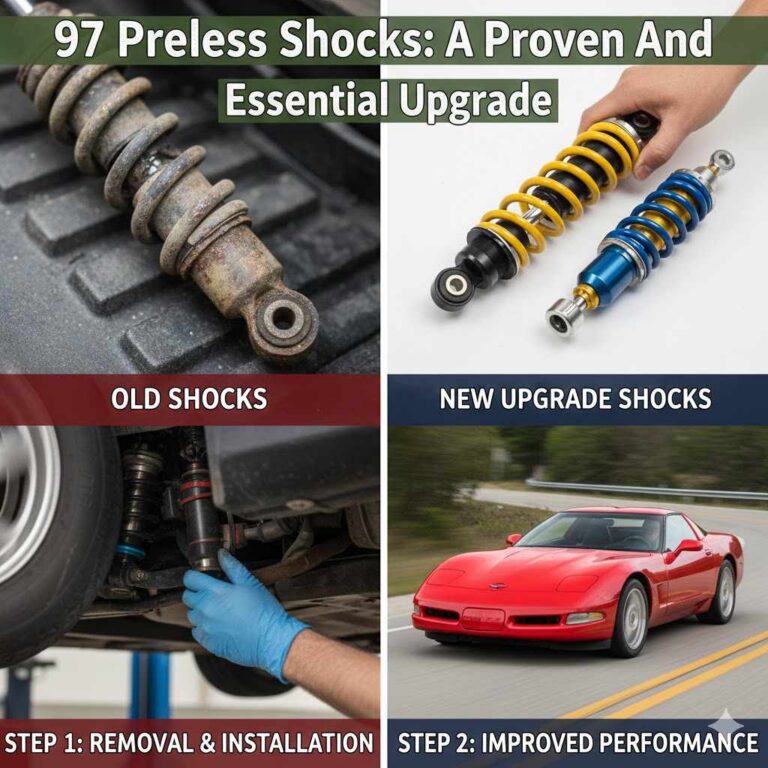
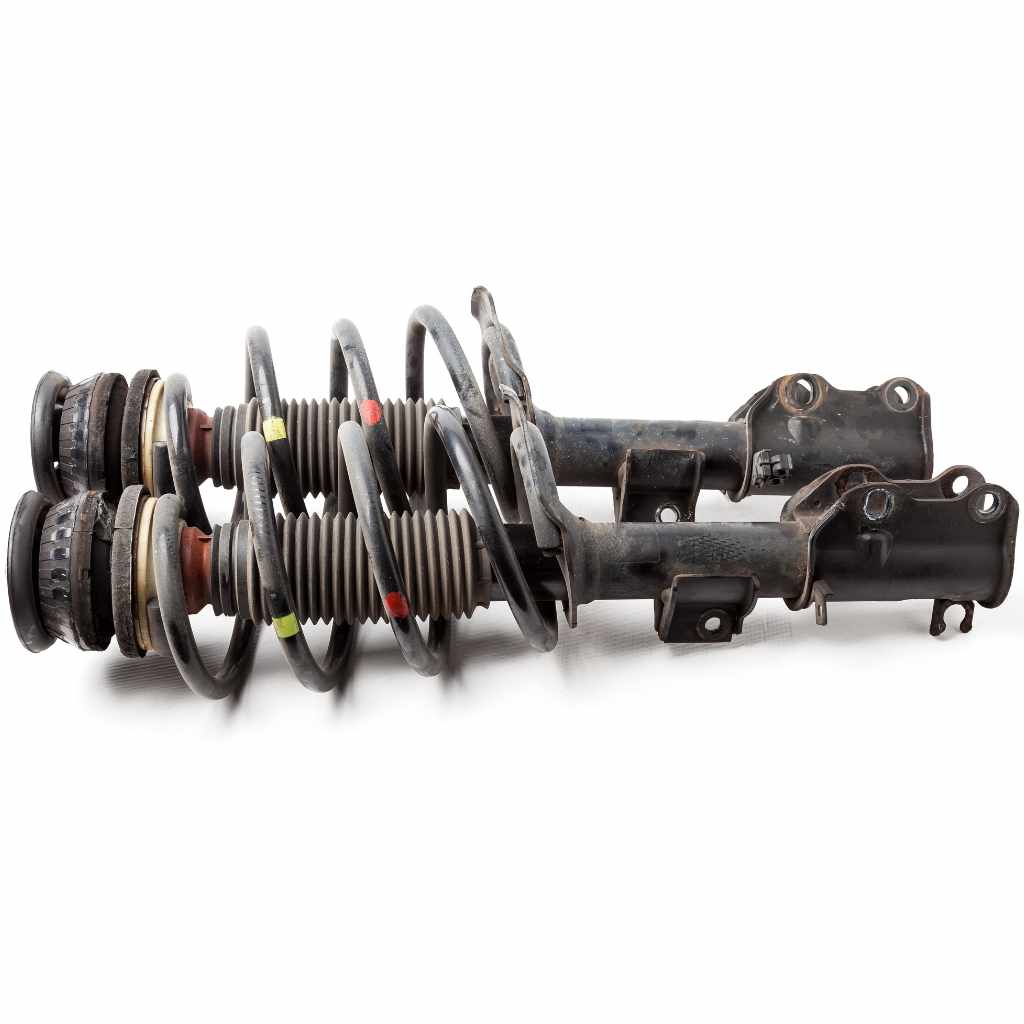
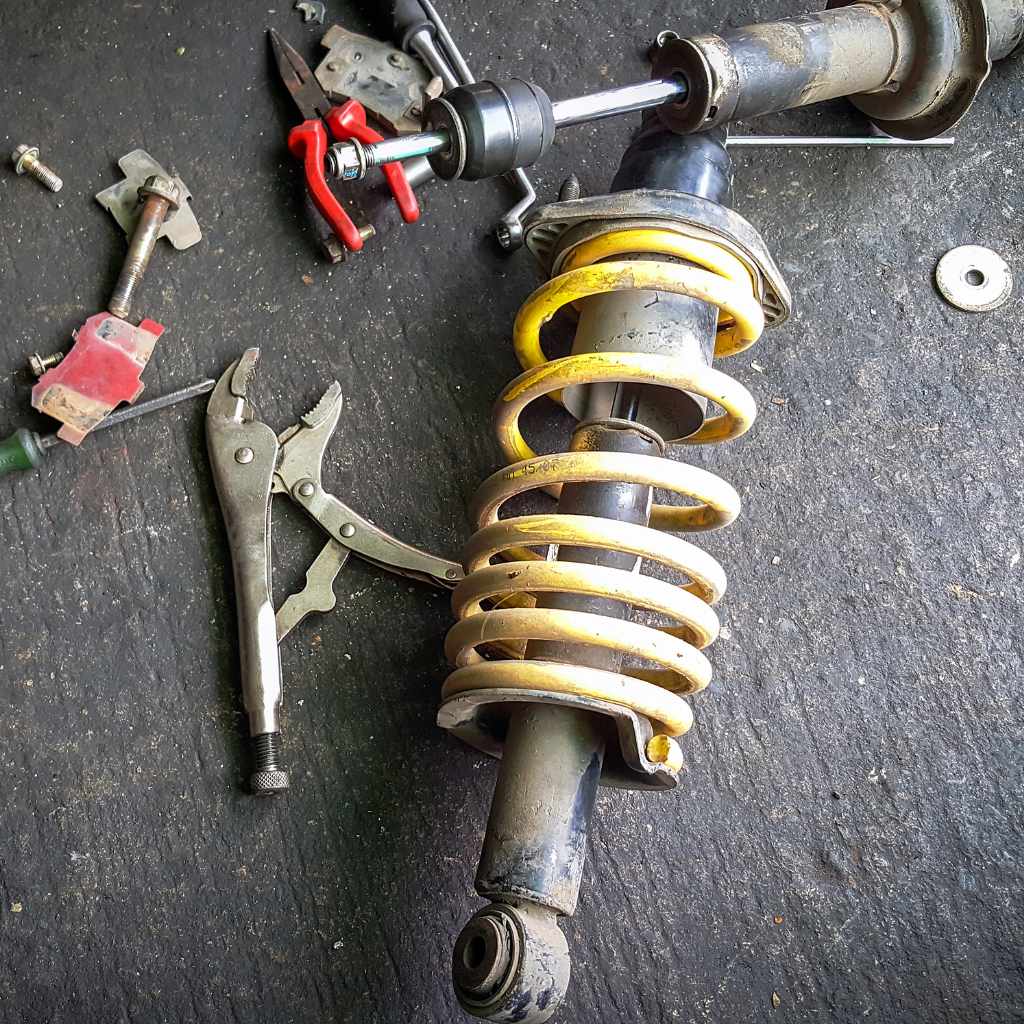
- Shocks and Struts: Shocks and struts are essential parts of the suspension, controlling the movement of the wheels and absorbing bumps. They contain oil and seals to dampen the suspension’s motion. If the seals leak or the oil breaks down, these components can squeak. A leak will typically decrease the shock’s ability to control vehicle motion, causing a bouncy ride. Damaged shocks and struts also affect your car’s handling and can wear down other suspension parts more quickly.
- Sway Bar: The sway bar, also known as the anti-roll bar, is a metal bar connecting the wheels on opposite sides of the car. It helps reduce body roll during turns. The sway bar uses bushings at the points where it connects to the chassis and the suspension components. When these bushings wear out, they lose their ability to cushion the bar, which causes it to squeak, particularly when going over bumps or turning. Replacing sway bar bushings is a relatively inexpensive fix.
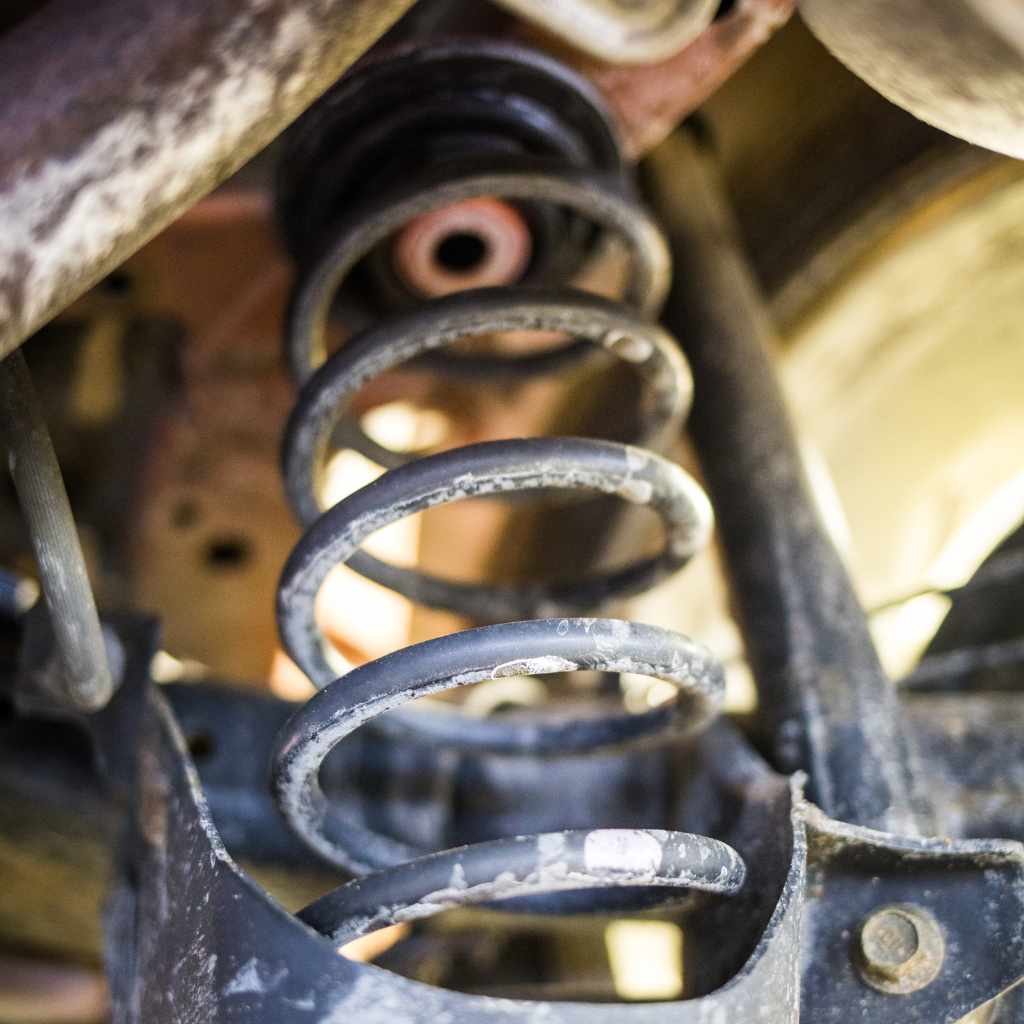
- Springs: Springs help absorb road imperfections and maintain ride height. While they generally don’t squeak, they can if they are damaged or if the protective coating is compromised. Sometimes, debris can get trapped between the coils, creating a squeaking sound as the spring compresses and decompresses. In this case, cleaning the springs may eliminate the noise. However, if the springs are broken, they must be replaced immediately.
Identifying the Location of the Squeak
Pinpointing where the squeak originates is key to fixing it. Squeaks can be misleading; the sound may seem to come from one spot but actually be caused by something else. A systematic approach helps narrow down the problem. Listen carefully while driving, noting when and how the squeak appears. Does it happen only on bumps, or also during turns or braking? You might need to involve another person to assist while you drive to isolate the noise source. Remember, small details can give big clues, like the kind of road surface or the speed you are going.
Testing and Observation Techniques
Identifying the source of the squeak takes patience and careful observation. It’s often helpful to replicate the conditions that produce the noise. Drive your car on different road surfaces, go over speed bumps at different speeds, and turn the steering wheel to see if the squeak changes or worsens. The more data you collect, the easier it will be to diagnose the problem. A keen eye and a patient approach will prove invaluable here.
- Road Tests: Driving on roads with bumps and potholes is essential. Listen closely for the squeak and note when it occurs. Does it happen on specific bumps or on all bumps? Does it change with speed? This testing helps you zero in on the area of the car where the squeak is originating.
- Visual Inspection: After the road test, do a visual check of your car. Look at the suspension components, paying attention to the bushings, shocks/struts, and springs. Check for signs of wear, cracks, or damage. Look for any areas that appear to be rubbing together.
- Push Test: If the squeak is less obvious, try pushing down on each corner of your car. If the car squeaks as it bounces, it’s probably a suspension problem.
- Spray Test: A helpful technique is to use a spray lubricant, like silicone spray, on the suspected parts of the suspension system. Spray the bushings, sway bar links, and other joints one by one, and then drive your car over the bumps. If the squeak goes away after spraying a specific part, you’ve likely found the source.
The Importance of a Professional Inspection
While DIY diagnosis can be helpful, sometimes a professional inspection is required. A mechanic can properly examine your suspension and other components. They will be equipped with the appropriate tools and know-how. This includes jacks, ramps, and specialized equipment that allows them to thoroughly check all components. This is especially true if you are uncomfortable working on your vehicle, or if you suspect a serious problem. Sometimes, the issue is not clear, and a mechanic can utilize their experience to identify what you might miss. Regular professional inspections, even if you are capable of doing the work, are also a smart way to ensure your car’s long-term health.
- Advanced Diagnostic Tools: Mechanics have access to tools like diagnostic scanners that can help pinpoint the problem. These tools can identify issues that might not be visible. They might be able to help identify if the car has any electronic faults that contribute to the squeak.
- Knowledge and Experience: Mechanics have extensive experience in diagnosing vehicle issues. They will have likely encountered similar problems many times before. This allows them to quickly identify the cause of the squeak and recommend the correct fix.
- Access to Parts: Mechanics have access to parts and can often get these parts quickly and at competitive prices. This ensures that you have the right components to fix the squeak and get your vehicle back on the road safely and quickly.
Causes Beyond the Suspension
Although the suspension is the prime suspect, other parts of your car could be the source of the squeaking. Sometimes, the problem lies elsewhere, and diagnosing it can be more difficult. These less-common causes are often linked to friction and the movement of different components. Understanding these possibilities is important to get your car back on the road in perfect running order. You might also discover that a non-suspension problem is causing or amplifying the squeaking noise.
Brake System Components and Squeaks
The brakes play a vital role in the safety and operation of your vehicle. Although they are not usually the primary reason for a squeak when going over bumps, they can contribute in some cases. It’s important to be familiar with the operation and the potential issues that could arise. Problems with the brakes can potentially compromise your safety and must always be addressed immediately. In other cases, brake squeaks can also indicate issues that don’t directly affect stopping power.
- Brake Pads: Worn brake pads are a very common cause of brake squeal. The pad material thins with use, and the backing plate can rub against the brake rotor, creating a squeaking sound. This is especially noticeable when braking.
- Brake Rotors: Rotors can develop rust, grooves, or other imperfections. This can cause the pads to squeak when making contact. Damage to the rotors can also affect braking performance and should be addressed promptly.
- Brake Calipers: Brake calipers squeeze the brake pads against the rotors to stop the car. Calipers can get stuck or seize, causing the pads to rub constantly. This can result in a squeak. It can also cause uneven wear of the pads or even damage to the rotors.
- Brake Pad Hardware: The brake pad hardware, such as clips and shims, can also cause noise if they become loose, worn, or corroded. Replacing these components can often eliminate the squeak.
Other Potential Squeak Sources
Beyond the suspension and brakes, other components can sometimes generate squeaking noises. These problems can be harder to diagnose because the source of the sound may not be obvious. These other causes may include problems with the car’s interior, exhaust systems, or even the engine. Finding the source requires careful examination and may involve some trial-and-error.
- Exhaust System: Exhaust systems are often exposed to heat and moisture, which can cause them to rust and corrode. Exhaust system components, such as the exhaust pipes, hangers, and the catalytic converter, may rub together or vibrate against other parts of the car. This can generate a squeaking sound, especially when going over bumps.
- Interior Components: Sometimes, the squeaks come from inside the car. Things like loose trim panels, seats, or even items in the glove box or center console can vibrate and cause a squeak.
- Engine Components: Problems with the engine are less likely to cause a squeak related to bumps, but there can be exceptions. For example, a loose belt or pulley can squeak, especially when the engine vibrates.
- Body Panels: Body panels sometimes squeak due to rust or loose bolts. The doors, hood, and trunk can also cause a squeak. These are particularly common in older vehicles.
According to the National Highway Traffic Safety Administration (NHTSA), brakes are one of the most common vehicle components reported as needing repair. Brake repairs and general car maintenance have been on the rise in recent years. This is likely due to the aging vehicle fleet and the increased complexity of modern vehicles. Here’s a table showing the increase in car maintenance spending from 2021 to 2023:
| Year | Average Car Maintenance Spending |
|---|---|
| 2021 | $300 |
| 2022 | $350 |
| 2023 | $400 |
Preventive Measures and Maintenance Tips
The best way to address “Why Is My Car Squeaking When I Go Over Bumps?” is to prevent it in the first place. Regular maintenance can save you the aggravation of squeaks, and also keep your car running smoothly. Taking the time to care for your vehicle will improve your driving experience. Moreover, you’ll be able to ensure your safety for the long haul. Here’s how to keep your car in tip-top shape and minimize the likelihood of squeaks:
Regular Inspections and Lubrication
Making regular inspections part of your routine is important. Checking your car’s vital components allows you to identify potential problems early on. This can prevent small issues from turning into major repairs. It also allows you to perform basic maintenance tasks like lubrication. Regular lubrication helps to reduce friction and minimize squeaking and other unwanted noises. Also, make sure that you schedule regular inspections by a mechanic.
- Suspension Inspections: Regularly inspect your suspension components, including bushings, shocks, struts, and springs. Check for signs of wear, cracks, or damage.
- Brake System Checks: Regularly inspect your brakes. This should include checking the brake pads, rotors, and calipers. Pay attention to any unusual noises or reduced braking performance.
- Lubrication: Use appropriate lubricants on the suspension components. Silicone-based sprays are often effective. Always follow the manufacturer’s recommendations.
- Tire Checks: Make sure your tires are properly inflated. Underinflated tires can put extra stress on the suspension system, potentially leading to noise.
Driving Habits That Affect Your Car
How you drive can also impact the likelihood of car squeaks. Avoiding aggressive driving habits, like quick starts and stops, helps to reduce wear and tear. Being mindful of the roads you drive on can also reduce stress on the suspension system. Being gentle on your car is a great way to prevent future problems. The better you drive, the less wear and tear your vehicle will experience.
- Avoid Potholes: Do your best to avoid potholes and rough roads. These can damage your suspension and lead to squeaks.
- Drive Smoothly: Accelerate and brake gently. Avoid any abrupt changes to your driving style. This minimizes the stress on the suspension and brake systems.
- Reduce Speed: Slow down when going over bumps, speed bumps, or other road imperfections.
- Weight: Avoid carrying excessive weight in your car. Extra weight adds stress to the suspension system, increasing the risk of premature wear and potential squeaks.
Importance of Professional Servicing and Replacing Parts
Professional servicing is essential for maintaining your car’s health. Mechanics have access to specialized tools and expertise that will help them properly diagnose problems. They can also perform any necessary repairs and replacements. Ignoring these issues can lead to more significant problems and higher costs down the line. Regular maintenance helps to ensure your vehicle is safe, and it can help prevent many potential issues.
- Regular Servicing: Stick to the maintenance schedule recommended by your car’s manufacturer. This helps to prevent problems.
- Component Replacement: Replace worn or damaged parts as needed. This includes bushings, shocks, struts, and brake components. Doing so helps to prevent further damage.
- Quality Parts: Use high-quality replacement parts. This extends the lifespan of the components.
- Professional Advice: Always consult with a trusted mechanic about any concerns. Seeking expert advice is a great way to handle vehicle maintenance.
Frequently Asked Questions
Question: What’s the most common cause of a car squeaking when going over bumps?
Answer: Bushings in the suspension system often cause the most common squeaks.
Question: How can I tell if the squeak is coming from my suspension?
Answer: Try pushing down on each corner of your car. If it squeaks, the suspension is likely the cause.
Question: Is it safe to drive with a squeaking car?
Answer: It’s usually safe to drive with a squeak, but it is best to diagnose the problem as soon as possible.
Question: How often should I get my car’s suspension checked?
Answer: It is best to get your suspension checked regularly, especially if you notice any unusual noises or handling issues.
Question: Can I fix the squeaking myself?
Answer: Some basic fixes, like lubricating bushings, can be done yourself. But for more complex issues, a mechanic’s expertise is always best.
Final Thoughts
Knowing Why Is My Car Squeaking When I Go Over Bumps? can save you time and money. Armed with this information, you can identify and address those annoying noises. From suspension bushings to brake issues, understanding the common causes lets you troubleshoot effectively. Remember that regular maintenance and attentive driving habits are important steps. If you are ever unsure, don’t hesitate to consult a professional for a proper diagnosis and repair. By taking these steps, you can keep your car quiet and enjoy a more comfortable driving experience. Taking these steps is also an important part of ensuring your safety and the reliability of your vehicle. Keep an eye out for these squeaks, and you can take action before a small problem becomes a larger, more expensive one.