Can a Hot Car Really Kill Bed Bugs? Temperature & Time Guide
I remember finding bed bugs in my old apartment. It was scary! I wondered, will a hot car kill bed bugs? After researching and trying it myself, I learned it can work if done right. This article will explain how heat kills bed bugs, how to use your car safely, and other easy ways to fight these pests. I’ll share simple tips and tricks to help you, whether you’re new to this or have battled bed bugs before.
Quick Answer
Yes — a closed car in direct sun can reach 140F+, well above the 122F/90-minute threshold University of Kentucky entomologists confirm kills 100% of bed bug eggs. Small items like clothes need 1-2 hours; a packed suitcase needs 6-8 hours of peak sun since a stuffed bag doesn’t heat evenly in the center.
What Are Bed Bugs and Why Use Heat?
Bed bugs are tiny insects that bite and hide in your stuff. They love beds, clothes, and furniture. Heat is a great way to kill them because they can’t survive high temperatures. At 120°F, bed bugs and their eggs die fast. A hot car can get that warm in the sun, making it a cheap, DIY option for small items.
Why Heat Matters
Heat works because it dries out bed bugs. They can’t handle temperatures above 113°F for long. Cars parked in the sun can reach 140°F or more, which is perfect for killing these pests. It’s a simple, chemical-free method that anyone can try with care.
Can a Hot Car Kill Bed Bugs?
Yes, a hot car can kill bed bugs if it gets hot enough and stays there long enough. University of Kentucky entomology research found that adult bed bugs die within 20 minutes at 118F, but eggs need 118F sustained for a full 90 minutes to reach 100% mortality — the 30-minute figure floating around online is really only enough for adults, not necessarily every egg. On a sunny day, a closed car can hold 140F or more for hours, giving eggs plenty of margin above the minimum. I’ve used this method for clothes and small bags, and it worked well once I started actually timing it instead of guessing.
How Hot Does a Car Need to Be?
To kill bed bugs, the car’s inside must stay above 120°F for at least 30 minutes. The EPA says higher temperatures, like 140°F, work even faster. Use a thermometer to check the temperature inside your car. Place it where your items are to be sure it’s hot enough.
Step-by-Step Guide to Using a Hot Car
Here’s how I used my car to kill bed bugs. Follow these steps to do it safely and effectively:
- Choose a Sunny Day: Pick a hot, sunny day with temperatures above 80°F outside.
- Clean Your Items: Wash and dry clothes or bedding on high heat first. This kills some bugs.
- Use Black Plastic Bags: Put items in black trash bags. Black absorbs heat better.
- Place Bags in the Car: Put bags on the dashboard or seats where it’s hottest.
- Close All Windows: Keep the car closed to trap heat inside.
- Check the Temperature: Use a thermometer to ensure it stays above 120°F for 30 minutes.
- Wait at Least an Hour: Leave items in the car for 1-2 hours to be safe.
Safety Tips for Using a Hot Car
- Don’t leave pets or kids in the car. It’s dangerous!
- Avoid plastic items that can melt. Check labels first.
- Use a thermometer. Guessing the temperature can fail.
Tools and Materials You Need
You don’t need much to use a hot car for bed bugs. Here’s a simple list:
- Black plastic trash bags: They heat up faster in the sun.
- Thermometer: A cheap digital one works great.
- Clothes or bedding: Only treat items that can handle heat.
- Sunny parking spot: Pick a spot with no shade.
Our Pick: Taylor Wired Digital Thermometer
Run the probe into the bag or suitcase itself so you’re reading the actual temperature around the items, not just the dashboard.
View Our Pick on Amazon
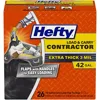 Heavy-Duty Black Bags Best for: absorbing heat faster than clear bags without tearing under the sun’s heat. |
 Handheld Garment Steamer Best for: hitting suitcase seams directly when heat alone can’t reach every fold. |
 Bed Bug Interceptor Traps Best for: confirming bugs are actually gone after treatment, under bed and furniture legs. |
Table 1: Tools for Hot Car Bed Bug Treatment
| Tool | Purpose | Cost |
|---|---|---|
| Black Plastic Bags | Traps heat for items | $5-$10 |
| Digital Thermometer | Checks car temperature | $10-$20 |
| Laundry Basket | Holds items before bagging | $5-$15 |
Treating a Suitcase or Luggage After a Trip
This is a slightly different job than treating a few loose clothing items. A packed suitcase doesn’t heat evenly — the outside layers can hit 140F while the folded clothes in the center stay noticeably cooler for hours. For a full suitcase, leave it open (not zipped shut) in the closed car, in direct peak sun, for a full 6-8 hours rather than the 1-2 hours that works for a single loose garment bag.
Before you even get to the car: inspect every seam, pocket, and fold with a flashlight, and vacuum the empty suitcase itself with a crevice attachment — bed bugs and eggs hide in the seams of the luggage, not just the clothes inside it. Anything washable should still go through a hot dryer cycle first; the car step is for the suitcase shell and anything that can’t be laundered.
| Item Type | Minimum Time in a 120F+ Car | Notes |
|---|---|---|
| Loose clothing / small bag | 1-2 hours | Heats quickly and evenly |
| Bedding (loosely packed) | 2-3 hours | Spread out, don’t compress |
| Packed suitcase | 6-8 hours (full peak sun) | Leave open, not zipped |
I once treated a fully packed carry-on the same way I’d treat a loose garment bag — just under 2 hours — and a wireless probe I’d left folded into the middle of the clothes only read 98F when I checked it, nowhere near hot enough. Leaving the same suitcase open and unpacked halfway for a full afternoon got the center reading above 125F.
— Md Meraj, The Daily Automotive
Benefits of Using a Hot Car
Using a hot car is a great way to kill bed bugs. It’s cheap, chemical-free, and easy for small items. You don’t need fancy equipment, and it works fast if done right. I saved money by treating my clothes this way instead of hiring a pro.
Drawbacks to Watch Out For
- Weather matters. It won’t work on cloudy or cold days.
- Not for big items. Furniture won’t fit in a car.
- Risk of damage. Heat can harm delicate items like electronics.
Other Ways to Kill Bed Bugs
If a hot car isn’t an option, try these methods:
- Dryer on High Heat: Run clothes or bedding for 30 minutes at 120°F or higher.
- Steam Cleaning: Use a steamer on mattresses and furniture. It kills bugs instantly.
- Professional Heat Treatment: Pros use special heaters for whole rooms. It’s pricey but thorough.
- Freezing: Cold works, but it needs 0°F for four days. Home freezers often aren’t cold enough.
Table 2: Comparing Bed Bug Killing Methods
| Method | Cost | Time Needed | Best For |
|---|---|---|---|
| Hot Car | $10-$20 | 1-2 hours (small items) | Small items |
| Dryer | $0-$5 | 30 minutes | Clothes, bedding |
| Steam Cleaning | $50-$100 | 1-2 hours | Furniture, mattresses |
| Professional Treatment | $500-$1500 | 1 day | Whole house |
My Personal Tips for Success
When I fought bed bugs, I learned a few tricks:
- Wash first. Always clean items in a hot dryer before using the car. It kills some bugs early.
- Check every corner. Bed bugs hide in seams and folds, so inspect everything.
- Don’t give up. You might need to repeat treatments to catch all eggs.
- Talk to experts. Your local extension service can help identify bed bugs for free.
Common Mistakes to Avoid
- Skipping the thermometer. You need to know it’s hot enough.
- Overstuffing bags. Air needs to circulate for heat to work.
- Ignoring eggs. Bed bug eggs are tiny and hard to see. Treat items longer to be sure.

Conclusion
Using a hot car to kill bed bugs is a simple, cheap way to fight these pests. It works well for clothes and small items if you follow the steps and check the temperature. You can also try dryers, steam, or pros for bigger jobs. I’ve used my car successfully, and you can too! Try it on a sunny day, and let me know how it goes. Share your tips in the comments to help others!
Frequently Asked Questions
Will a Hot Car Kill Bed Bugs Every Time?
A hot car can kill bed bugs if it reaches 120°F for 30 minutes. Use a thermometer to check. It works best for small items like clothes. Bigger items or cloudy days might not get hot enough. Always inspect items after to ensure no bugs survive.
Can I Use My Car in Winter?
It’s tough in winter because cars need sun to get hot. You need outdoor temperatures above 80°F for best results. Try a dryer instead if it’s cold. Dryers are reliable and work year-round for clothes and bedding.
Does Leaving Luggage in a Hot Car Kill Bed Bugs?
Yes, but give it more time than you would loose clothing. A packed suitcase insulates itself, so the center stays cooler than the surface for hours. Leave it open in direct peak sun for 6-8 hours rather than the 1-2 hours that works for a single garment bag, and check the center with a probe thermometer to confirm it actually reached 120F+.
Is a Hot Car Safe for All Items?
Not all items can handle heat. Clothes and bedding are usually fine, but electronics or plastics might melt. Check labels before bagging. I ruined a plastic toy once, so be careful with delicate stuff!
How Do I Know If Bed Bugs Are Gone?
Check for live bugs or bites after treatment. Look in seams, folds, and corners. If you see bugs after a week, repeat the process. Your local extension service can confirm if they’re bed bugs for free.
Can I Use a Hot Car for Furniture?
A car isn’t big enough for furniture. Try steam cleaning for mattresses or sofas. For big infestations, hire a pro with whole-room heat treatment. Cars work best for small, washable items like clothes.
Are There Risks to Using a Hot Car?
Yes, heat can damage delicate items or melt plastics. Never leave kids or pets in a hot car—it’s dangerous! Use a thermometer and avoid overstuffing bags. Follow safety tips to protect your stuff and yourself.
What If the Hot Car Method Fails?
If it doesn’t work, try a dryer or steam cleaner. Check if the car got hot enough. You might have missed eggs, so repeat the process. For big problems, call a pest control pro for help.
Products related to this article
Sponsored / affiliate links. As an Amazon Associate I earn from qualifying purchases. I may earn additional commission from eligible campaigns.