2026 BMW Z3 2.5i Review: Is the Inline-6 Roadster Still Worth It?
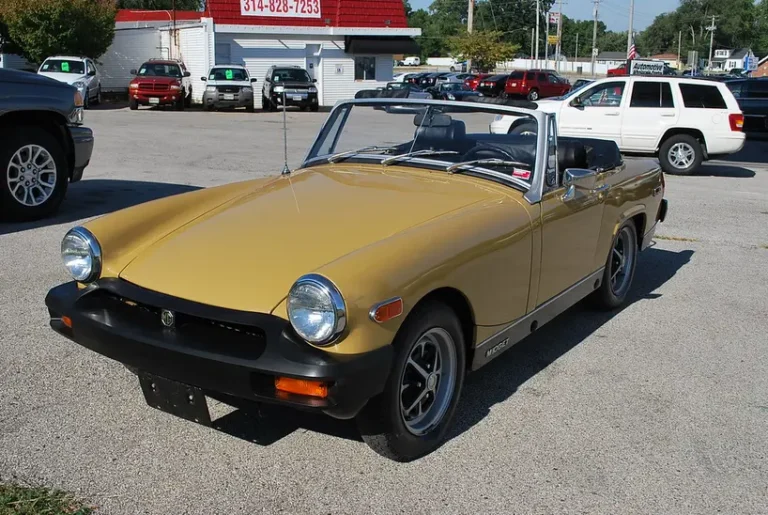
You are looking at a 2026 BMW Z3 2.5i in a parking lot. The paint is glossy, the hood is long, and the rear haunches look muscular. You wonder if the owner will take your offer, or if you are about to buy a money pit. The Z3 has been a budget roadster darling for years, but the 2.5i model sits in a strange spot between the four-cylinder base cars and the fire-breathing M Roadster. This review digs into what that middle child is actually like to live with in 2026, what breaks, and what it feels like on a back road.
You will walk away knowing whether the 2.5i is the smart buy or the compromise pick, what specific parts to inspect before handing over cash, and how it stacks up against its own siblings and the competition. No fluff, just the facts from someone who has spent time wrenching on and driving these cars.

Auto Mat Store
Custom Fit Two-Piece Front Carpet Floor Mats…
- TAILORED FOR BMW Z3 (1996–2002): Designed specifically for the Z3 roadster; Delivers full front floor coverage with a precise, fac…
- PREMIUM 20OZ NYLON CARPET: Made from high-quality 20-ounce nylon; Provides a plush, cushioned surface that stands up to everyday w…
- NON-SLIP BACKING FOR SECURE POSITIONING: Heavy-duty backing keeps mats firmly in place; Prevents movement during spirited drives.
Before we get into the mechanicals, a quick note on cabin care. The Z3 interior is low and snug, and the carpet takes a beating from heels and weather. A set of custom fit floor mats with a non-slip backing keeps the driver’s side from sliding around during hard corners and protects the factory carpet from wearing through. It is a cheap fix that pays off when you go to sell.
The Engine: A Smooth Operator, Not a Firebreather
The 2.5i uses the M54B25 engine, a 2.5-liter inline-six making 184 horsepower and 175 lb-ft of torque. Those numbers feel modest today, but the delivery is what matters. The M54 is silky, pulls cleanly from 2,000 rpm, and loves to spin past 5,500. It lacks the punch of the 3.0-liter, but it also revs more freely and feels lighter on its feet.
Zero to sixty takes about 7 seconds with the manual, which is quick enough to be fun but not fast enough to scare you. The engine’s real strength is mid-range flexibility. You can leave it in third gear on a mountain road and let the torque do the work, or downshift to second and chase the redline. It never feels strained, and it sounds genuinely good doing it.
There is a catch. The M54 is prone to cooling system failures. The plastic expansion tank, water pump impeller, and thermostat housing all become brittle with age. If the seller cannot show receipts for a cooling system refresh, budget $400 to $600 for parts and a weekend of work. This is not a deal-breaker, but it is a certainty, not a possibility.
Chassis and Handling: The Tail That Wags the Dog
The Z3’s suspension is old-school BMW. Struts up front, a semi-trailing arm setup in the rear, and no electronic nannies to save you. The steering is hydraulic, heavy at low speeds, and full of road texture. You feel every camber change and tar strip through the wheel, which is either charming or exhausting depending on your mood.
The semi-trailing arm rear axle is the Z3’s defining quirk. Lift off the throttle mid-corner and the rear tucks in. Get back on the gas and it steps out. It is progressive and readable, but it requires respect. The 2.5i’s modest power actually makes it the sweet spot here. The M Roadster’s V8 and S54 engines can snap the rear out violently, while the 2.5i lets you feel the slide building before it breaks loose.
Ride quality is firm but not punishing. The short wheelbase means it crashes over sharp bumps, and you will feel every expansion joint in your spine. On smooth asphalt, it is a scalpel. On broken city pavement, it is a jackhammer. You buy this car for the good roads, not the commute.
What Breaks and What to Check Before Buying
Beyond the cooling system, the Z3 has a short list of known issues. The rear subframe mounting points can crack on hard-driven cars, especially those with bigger engines. Check underneath for rust or fresh weld marks near the diff mount. The window regulators are slow and eventually fail, and the plastic seatbelt guides snap if you are not careful.
Rust is the real killer. The Z3’s fenders and rocker panels trap moisture. Look closely at the front fender lips and the area behind the rear wheels. Surface rust is treatable, but perforation means replacement panels, which are expensive and hard to find.
The manual transmission is the Getrag S5D 250G, which is generally robust but has a notchy feel when cold. The shifter bushings wear out and make the lever sloppy. A short shifter kit and fresh bushings transform the feel for about $200. The five-speed automatic is serviceable but saps the engine’s character. Buy the manual.
| Model | Engine | Horsepower | 0-60 mph | Best For |
|---|---|---|---|---|
| Z3 2.5i | 2.5L Inline-6 | 184 hp | ~7.0 sec | Balanced daily fun |
| Z3 3.0i | 3.0L Inline-6 | 225 hp | ~5.9 sec | More punch, similar chassis |
| Z3 M Roadster | 3.2L Inline-6 | 315 hp | ~5.0 sec | Collector value, raw power |
| Z3 1.9L | 1.9L Inline-4 | 138 hp | ~9.0 sec | Cheapest entry, low stress |
You might think the 3.0i is the obvious pick, and it is faster. But the 2.5i is lighter, revs more eagerly, and costs significantly less to insure and maintain. The M Roadster is a different animal entirely, and its values have climbed into collectible territory. For a driver’s car you can actually use without worrying about depreciation, the 2.5i is the pragmatic choice.
Interior and Daily Usability
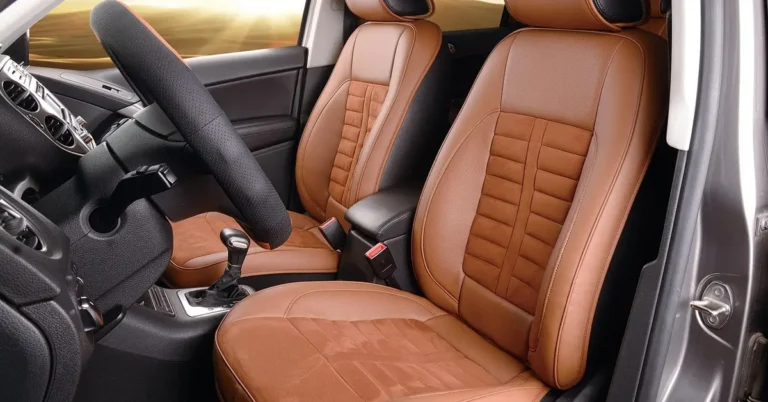
The cabin is tight. At six feet tall, you will have about an inch of headroom with the top up. The seats are manually adjusted and offer decent lateral support, but they lack lumbar adjustment. The dashboard is a sea of hard plastic, and the HVAC controls are simple and effective. The stereo is from another era, so plan on an upgrade if you care about sound quality.
Cargo space is a joke. The trunk is shallow, and the opening is small. A weekend bag fits, but a golf bag does not. You will learn to pack light. The soft top is manual, which is a blessing because the hydraulic pumps on other roadsters fail. It takes about 30 seconds to lower, and it seals well enough at highway speeds, though wind noise is constant above 70 mph.
One genuine complaint: the center console is mounted too far back. Your right elbow rests awkwardly on the handbrake, and the cupholders are useless. You will not be sipping a large soda in this car. It is a minor annoyance that becomes a daily reality.
Is the 2026 Z3 2.5i a Good Investment?
Prices for the 2.5i have crept up, but they remain far below the M cars. A clean example with under 100,000 miles and a manual transmission will run you anywhere from $8,000 to $12,000 depending on condition and service history. That is a lot of car for the money, but it is not an appreciating asset. It will depreciate slightly, then plateau. You buy this car to drive it, not to flip it.
Maintenance costs are manageable if you do your own work. Parts are shared with the E46 325i, so they are cheap and plentiful. A clutch job runs about $1,000 at a shop, and a full cooling system refresh is under $500 in parts. The engine is generally bulletproof if you stay on top of oil changes and the cooling system.
Compare this to an old Mazda MX-5, which is cheaper and more reliable, or a Porsche Boxster, which is more expensive to maintain. The Z3 offers a unique blend of retro styling, a smooth six-cylinder soundtrack, and a chassis that rewards attention. It is not the best at anything, but it is charming in a way that is hard to quantify. If you want a car that feels special every time you start it, the 2.5i delivers.
How reliable is the 2026 BMW Z3 2.5i engine?
The M54 engine is one of BMW’s best. It is robust and can easily exceed 200,000 miles with proper care. The weak points are the cooling system and the oil separator valve, which can clog and cause smoke on startup. Replace the cooling parts proactively and change the oil every 5,000 miles, and it will serve you well.
What is the difference between the Z3 2.5i and the 3.0i?
The 3.0i has a larger 3.0-liter engine with 225 horsepower and a 0-60 time about a second quicker. It also came with larger brakes and slightly different gearing. The 2.5i is lighter and feels more agile, but the 3.0i has more passing power. Both use the same chassis and share the same quirks.
Is the Z3 2.5i a good daily driver?
It works, but it is not ideal. The ride is firm, the cabin is noisy, and the trunk is tiny. If your commute is short and you have a second car for errands, it is a blast. If you need to haul anything or drive on rough highways daily, you will get tired of it quickly.
What should I look for when buying a used Z3 2.5i?
Check the rear subframe for cracks, inspect the front fenders for rust, and ask for cooling system receipts. Also, test the window regulators and listen for a clunk from the rear end, which can indicate worn diff bushings. A car with a complete service history is worth paying a premium for.
Can I modify the Z3 2.5i for more power?
Yes, but it is expensive. A cold air intake and exhaust add a few horsepower and improve the sound. For real gains, you can swap in the 3.0-liter engine or install a supercharger kit, but those cost more than the car is worth. Most owners are better off improving the suspension and brakes instead.
Final Thoughts on the 2.5i
This is a car for drivers who value feel over speed. The 2.5i is the Goldilocks Z3: enough power to be fun, not so much that it bites. It has character, a beautiful engine, and a chassis that teaches you something every time you push it.
- Budget for a cooling system refresh immediately if there are no receipts.
- Buy the manual transmission; the automatic ruins the experience.
- Inspect the rear subframe and fenders for rust before purchase.
- Expect to spend $8,000 to $12,000 on a good, manual example.
- Plan for a short shifter kit and new bushings to fix the sloppy gearbox.
- Keep the cabin protected with custom-fit floor mats to preserve resale value.
- Drive it on back roads, not the highway, and you will love it.
Products related to this article
Sponsored / affiliate links. As an Amazon Associate I earn from qualifying purchases. I may earn additional commission from eligible campaigns.