What Cars Are Still Made With Manual Transmission in 2026?
About two dozen new cars, trucks, and SUVs still come with a manual transmission for the 2026 model year, down from more than 30 just five years ago. Toyota, Honda, Mazda, Subaru, Jeep, Hyundai, and a handful of others keep offering a third pedal on select models, from the budget-friendly Hyundai Elantra N to the off-road-focused Toyota Tacoma. Here is every 2026 model that still lets you shift for yourself, grouped by vehicle type, plus which ones are on their way out.
What Is a Manual Transmission, and Why Does It Still Exist?
BEST FLUID FOR A SMOOTH-SHIFTING MANUAL
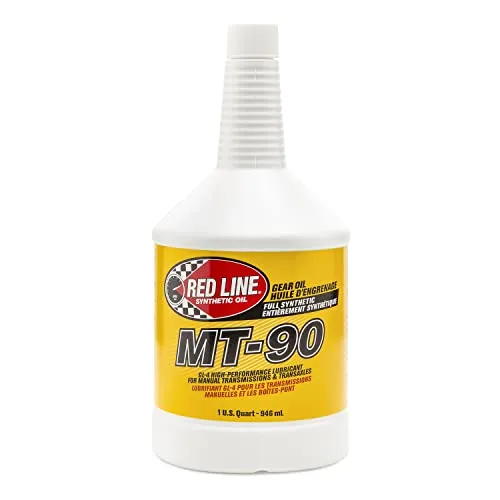 |
Red Line MT-90 75W-90 GL-4 Manual Transmission Fluid – $20.99 If you already own (or are about to buy) one of the manual cars on this list, using the fluid your manufacturer actually calls for keeps shifts crisp and helps the synchros last.
|
A manual transmission, also called a stick shift, requires the driver to select each gear by hand using a shift lever and a clutch pedal, instead of letting a computer do it automatically. Pressing the clutch disengages the engine from the transmission for a moment so the driver can move the lever into the next gear, then releasing the clutch reconnects the two so power flows smoothly again.
Why Manual Cars Still Matter
Manuals give the driver direct control over exactly when and how the engine shifts, which is part of why performance models and off-road vehicles still offer them. Enthusiasts also prefer the mechanical feel and the extra layer of engagement it adds to driving, and a stick shift is one of the few genuinely effective deterrents against casual car theft, since fewer people today know how to drive one. If you are still deciding between the two setups in general, see how manual and automatic transmissions compare for everyday driving.
How a Manual Transmission Works
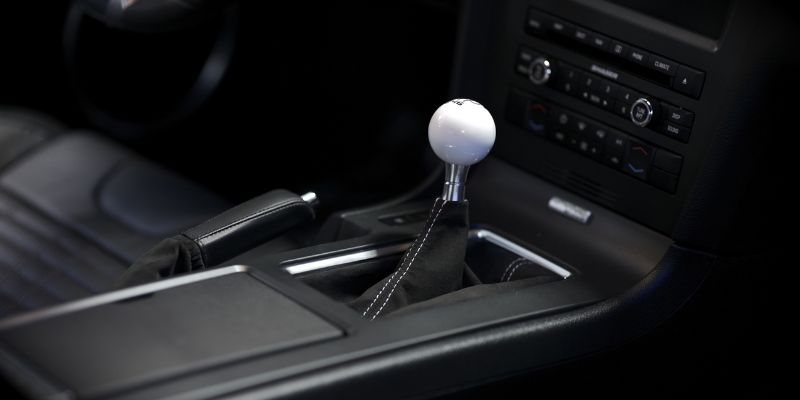
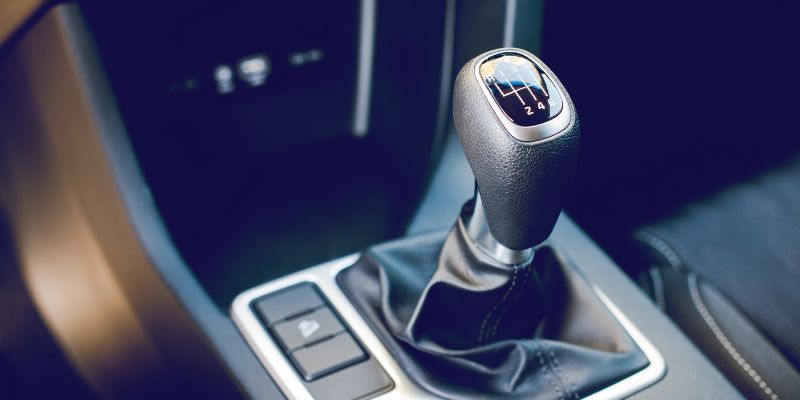
Most modern manual gearboxes have five or six forward gears plus reverse, selected through the shift pattern printed on top of the knob. Pressing the clutch pedal separates the engine from the gearbox, freeing the gears to move; releasing the clutch gradually reconnects them so the car accelerates smoothly instead of lurching.
Which Cars Still Offer a Manual Transmission in 2026?
New car shoppers who want to shift for themselves have far fewer choices than they did a decade ago, but the stick shift has not disappeared. Roughly two dozen 2026 models across every major segment still offer one, split between sports cars, everyday sedans and hatchbacks, and a small group of trucks and SUVs.
Sports and Performance Cars With a Manual
Performance models make up most of what is left. These are the sportiest 2026 vehicles still sold with three pedals:
- Mazda MX-5 Miata: a lightweight roadster with a standard six-speed manual on every trim.
- Toyota GR86 and Subaru BRZ: shared 228-horsepower coupes, each available with a six-speed manual on every trim.
- Toyota GR Corolla and GR Supra: the GR Corolla pairs a manual with all-wheel drive, while the rear-wheel-drive GR Supra offers one too.
- Subaru WRX: a six-speed manual paired with standard all-wheel drive.
- Nissan Z: the only Nissan model still sold in the US with a manual, offered on the Sport and Performance trims.
- Ford Mustang GT and Dark Horse: both still offer a six-speed manual alongside the automatic.
- Honda Civic Type R: sold exclusively with a six-speed manual, with no automatic option at all.
- Cadillac CT4-V Blackwing: standard six-speed manual, but Cadillac ended production in June 2026, so only a shrinking number of unsold units remain on dealer lots.
- BMW M2, M3, and M4: available with a six-speed manual through BMW’s optional “Handschalter” package.
Sedans and Hatchbacks With a Manual
A handful of everyday cars still let you row your own gears too, though this list keeps shrinking fastest:
- Honda Civic Si: a six-speed manual is the only transmission offered.
- Acura Integra: a six-speed manual is optional on the A-Spec trim with the Technology package, and standard on the higher-performance Integra Type S.
- Hyundai Elantra N: a standard six-speed manual with rev-matching, and the most affordable new manual car sold in the US at around $35,100.
- Volkswagen Jetta GLI: still offered with a manual for 2026, but Volkswagen has confirmed this is the last model year for it – the 2027 Jetta GLI drops the stick shift entirely, ending manual availability across VW’s entire US lineup.
SUVs and Trucks With a Manual
Manuals are rarest in this category, but three vehicles still hold on:
- Jeep Wrangler: a six-speed manual paired with the 3.6-liter V6, available across most trims.
- Ford Bronco: a manual transmission is offered on four-cylinder models.
- Toyota Tacoma: the last new pickup truck sold in the US with a manual, but it is limited to four-wheel-drive, double-cab models with the 5-foot bed on the SR, TRD Sport, and TRD Off-Road trims.
Table 1: 2026 Manual Transmission Cars by Type
| Car Type | Model | Manual Availability | Starting Price (approx.) |
|---|---|---|---|
| Sports Car | Mazda MX-5 Miata | Standard, all trims | $30,430 |
| Sports Car | Toyota GR86 | Standard, all trims | $30,800 |
| Sedan | Hyundai Elantra N | Standard | $35,100 |
| SUV | Jeep Wrangler (2-door Sport) | Most trims | $36,035 |
| Truck | Toyota Tacoma | SR / TRD Sport / TRD Off-Road, 4WD only | from about $34,000 |
| Caption: Approximate 2026 starting prices for the manual-equipped version of each model. Prices exclude destination fees and change over the model year, so confirm current pricing with a dealer. |
Why Choose a Manual Car?
Manual cars are fun to drive and put you in control, but they are not the right fit for everyone. Here is an honest look at the benefits and the drawbacks.
Benefits of Manual Transmissions
Here is why drivers still seek out a stick shift:
- More control: you choose the gear, so you feel exactly how much power the engine is putting down.
- More engaging: shifting gears yourself makes you feel more connected to the car than an automatic does.
- Usually cheaper: on models that offer both, the manual version is typically a few hundred to a couple thousand dollars less than the automatic.
Drawbacks of Manual Cars
Manuals are not for everyone. Here are the real tradeoffs:
- Takes practice: coordinating the clutch and shifter smoothly takes a few sessions to learn.
- Tiring in stop-and-go traffic: constantly working the clutch and shifter gets old fast on a slow commute.
- Fewer options: most new cars sold in the US only offer an automatic, so a manual usually means shopping a shorter list of models and trims. If your current car is an automatic and you want the reverse – or you are wondering whether an old manual can just be swapped over – see whether a manual car can be converted to an automatic.
Table 2: Manual vs. Automatic Transmissions
| Feature | Manual Transmission | Automatic Transmission |
|---|---|---|
| Cost | Usually cheaper | Usually more expensive |
| Driving ease | Takes practice | Very easy |
| Fuel efficiency | Depends on the model | Often better on newer cars |
| Engagement | Very engaging | Less engaging |
| Caption: A general comparison; the exact gap in each category varies by specific model and year. |
Tips for Driving a Manual Car
Learning to drive a stick shift is easier with a plan. A few basics make the learning curve much shorter:
- Practice in an empty parking lot: start and stop repeatedly to build a feel for the clutch’s friction point before driving in traffic.
- Listen to the engine: rising engine noise tells you it is time to shift up, and a straining, low-rpm sound tells you to shift down.
- Do not rush the clutch: releasing it too quickly is the single most common way new drivers stall the car.
For a full walkthrough of starting from a stop and getting the car moving the first time, see how to start a manual transmission car.
Common Mistakes to Avoid
New drivers tend to make the same few mistakes. Here is what to watch for:
- Releasing the clutch too fast: this stalls the engine. Ease off it gradually instead.
- Picking the wrong gear: too high a gear at low speed makes the engine labor; too low a gear at high speed sends the RPMs soaring.
- Forgetting the clutch: always press it fully before moving the shifter into a new gear.
How to Choose a Manual Car
Picking the right manual car comes down to a few practical factors:
- Budget: manuals are often the cheaper option on a given trim, like on the Mazda MX-5 Miata or Hyundai Elantra N.
- How you will use it: a sports car is fun on a curvy road, but an SUV like the Wrangler or a truck like the Tacoma is the more practical daily choice.
- Test drive it first: try the clutch’s friction point and the shifter’s throw yourself – both vary a lot between models, and a demo drive tells you more than a spec sheet ever will.
Table 3: Choosing a Manual Car
| Priority | Best Fit | Example Model |
|---|---|---|
| Budget | Affordable sports car | Mazda MX-5 Miata |
| Daily driving | Practical compact | Honda Civic Si |
| Off-road use | Rugged SUV or truck | Jeep Wrangler or Toyota Tacoma |
| Caption: Match the priority that matters most to you with a model that still offers a manual. |
Why Manuals Are Disappearing
Automatics shift faster and, on most modern cars, get better fuel economy, which is why manuals now make up a small slice of new-car sales. Only about 1.7% of new cars sold in the US in 2023 had a manual, though that is actually a small rebound from 1.2% in 2022 and 0.9% in 2021. Enthusiasts are keeping the take rate from falling further, and brands like Mazda, Toyota, Subaru, and Honda keep building manuals largely because that dedicated buyer base still shows up.
The Future of Manual Cars
A few automakers are experimenting with simulated manuals in electric vehicles. Hyundai’s “N e-Shift” feature, available on its high-performance electric models, uses paddle shifters and software to mimic the feel, sound, and even the momentary pause of a gear change, but there is no clutch pedal and nothing is physically shifting. For now, an actual clutch and stick are still only available on gas-powered manuals like the Toyota GR86 or Mazda MX-5 Miata.
Conclusion
Manual transmission cars are rare, but they have not vanished. In 2026, you can still pick from sports cars like the Mazda MX-5 Miata, everyday cars like the Honda Civic Si, or rugged options like the Jeep Wrangler and Toyota Tacoma. A test drive is the best way to find out whether the extra control and engagement are worth the learning curve for you.
Frequently Asked Questions
What Cars Are Still Made With Manual Transmission in 2026?
For 2026, you can still buy a manual on the Mazda MX-5 Miata, Toyota GR86, Subaru BRZ, Subaru WRX, Toyota GR Corolla, Toyota GR Supra, Nissan Z, Ford Mustang, Honda Civic Si, Honda Civic Type R, Acura Integra, Hyundai Elantra N, Volkswagen Jetta GLI, Jeep Wrangler, Ford Bronco, and Toyota Tacoma. Availability by trim changes yearly, so always confirm the current lineup on the automaker’s own configurator before you shop.
Why Are Manual Cars So Hard to Find Now?
Automatics are easier to drive for most people and typically get better fuel economy today, so automakers build far fewer manuals. Only about 1.7% of new cars sold in the US in 2023 had one, though that share has actually crept up slightly from 0.9% in 2021. A small, loyal group of enthusiasts is why brands like Mazda, Toyota, and Honda still bother offering the option.
Are Manual Cars Cheaper Than Automatics?
Usually, yes, when a model offers both. For example, the 2026 Hyundai Elantra N with a manual costs about $1,500 less than the same car with the DCT automatic. That gap is not universal, though – a few automakers charge the same for both, or even price the manual higher on certain trims, so it is worth comparing the actual window sticker.
Is It Hard to Learn to Drive a Manual Car?
It takes practice, but most people pick up the basics within a week of regular driving. Start in an empty parking lot to learn where the clutch engages, expect to stall a few times while you learn, and take it slow in traffic until shifting becomes automatic.
Are Manual Cars More Fun to Drive Than Automatics?
Most driving enthusiasts say yes. Choosing your own gears keeps you more actively involved in how the car accelerates and handles, especially on a curvy road, which is a big part of why sports cars like the Miata and GR86 still make a manual their default option.
Can You Get a Manual Transmission in an Electric Car?
Not a real one. Hyundai’s N e-Shift feature simulates the feel and sound of shifting gears in some of its performance EVs using paddle shifters and software, but there is no clutch pedal and nothing physically shifts. For an actual stick and clutch, you still need a gas-powered manual like the Toyota GR86 or Honda Civic Si.
Where Can I Buy a New Manual Transmission Car?
Start with the automaker’s own website to confirm which current trims still offer a manual, since dealer lots often stock mostly automatics and a manual may need to be special-ordered. Mazda, Toyota, Subaru, Honda, Hyundai, Ford, and Jeep dealers are the most likely to have one in stock or be able to order one for you.
Products related to this article
Sponsored / affiliate links. As an Amazon Associate I earn from qualifying purchases. I may earn additional commission from eligible campaigns.