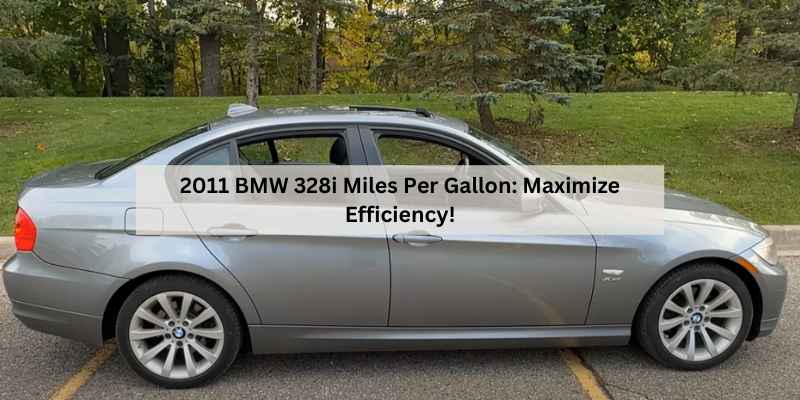
2026 BMW 328i MPG: Real Numbers, Owner Reports, and Cost Per Mile
You are eyeing a used 2026 BMW 328i. The driving experience is fantastic, but the pump is where the fun usually stops for most buyers. The EPA says one thing, but your neighbor with the same car says another. Who do you trust?
This guide cuts through the noise. You will get the official EPA estimates, real-world numbers from owners, a direct comparison to rivals, and a cost-per-mile breakdown against the 335i and diesel 328d. We also cover how maintenance on a 13-year-old car can swing your fuel economy by several miles per gallon.
Consider this your practical buyer’s guide for the used market, focused entirely on what you will actually spend at the pump.
One cheap upgrade that pays for itself over time is replacing the fuel filter. The BOSCH 77013WS Workshop Fuel Filter uses a multilayered media that traps 99% of particles, protecting injectors and maintaining efficiency. It is a direct OE replacement, so installation is straightforward.
2026 BMW 328i MPG: The Official EPA Numbers
The 2026 328i came with a naturally aspirated 3.0-liter inline-six (N52 engine) producing 230 horsepower. It was paired with either a 6-speed manual or a 6-speed automatic. Both are rear-wheel drive unless you found the rare xDrive all-wheel-drive version.
Here are the official EPA figures for the rear-wheel-drive models:
| Transmission | City MPG | Highway MPG | Combined MPG |
|---|---|---|---|
| 6-Speed Manual (RWD) | 18 | 28 | 22 |
| 6-Speed Automatic (RWD) | 18 | 27 | 21 |
| 6-Speed Automatic (xDrive) | 17 | 26 | 20 |
The fuel tank holds 15.3 gallons. On paper, that gives you a highway range of roughly 428 miles on a full tank. In reality, you will fill up closer to 380–400 miles because you rarely run the tank bone dry.
These numbers look modest today. A modern Honda Civic gets better mileage, but the 328i offers a silky-smooth inline-six and rear-wheel-drive balance that a Civic cannot match. You pay for that character at the pump.
Real-World MPG: What Owners Actually Report
EPA numbers are generated on a dynamometer with controlled conditions. Real roads have traffic, hills, and your lead foot. Owner reports on forums like Bimmerpost and Fuelly show a consistent pattern.
Most owners with a mixed commute (60% highway, 40% city) report 22–24 mpg. That is slightly better than the EPA combined estimate, which is unusual. The N52 engine seems to reward steady throttle inputs.
Pure highway cruising at 70–75 mph yields 28–30 mpg. Push it to 80 mph and that number drops to 26–27 mpg. The car is geared for efficiency at legal speeds, not for triple-digit autobahn runs.
City vs. Highway vs. Mixed Driving
Stop-and-go traffic is where the 328i struggles. Expect 15–17 mpg in dense city driving. The automatic transmission shifts smoothly but tends to hunt for gears in traffic, which hurts economy.
The manual transmission gives you more control. You can short-shift at 2,500 rpm and keep the engine in its sweet spot. Owners report 1–2 mpg better in the city with the manual compared to the automatic.
One owner on Fuelly logged 31.2 mpg over a 400-mile highway trip with cruise control set at 68 mph. That is exceptional but achievable with a light foot and proper tire pressure.
Manual vs. Automatic Transmission Differences
The 6-speed manual is the enthusiast choice. It also edges out the automatic in real-world efficiency. The manual’s taller gearing in 6th gear keeps engine rpm lower at highway speeds.
At 70 mph, the manual spins at about 2,700 rpm. The automatic sits closer to 2,900 rpm. That 200 rpm difference adds up over a long trip.
The automatic’s torque converter does have a lock-up clutch, so it is not a total loss. But the manual is the pick if maximizing mpg matters to you. The automatic is easier in traffic, though, and the fuel difference is only about 1 mpg.
How the 328i Compares to Rivals (A4, C300, IS250)
The 2026 luxury compact segment was crowded. The 328i went up against the Audi A4 2.0T, Mercedes C300, and Lexus IS250. Each has different strengths and fuel economy profiles.
| Model | Engine | City MPG | Highway MPG | Fuel Type |
|---|---|---|---|---|
| 2026 BMW 328i | 3.0L Inline-6 (230 hp) | 18 | 28 | Premium |
| 2026 Audi A4 2.0T | 2.0L Turbo I4 (211 hp) | 22 | 30 | Premium |
| 2026 Mercedes C300 | 3.0L V6 (228 hp) | 17 | 25 | Premium |
| 2026 Lexus IS250 | 2.5L V6 (204 hp) | 21 | 30 | Premium |
The Audi A4 with its turbo four-cylinder is the efficiency king here. It beats the 328i by 4 mpg in the city. That is a meaningful gap if you do a lot of urban driving.
The C300 is the thirstiest of the bunch. Its V6 is smooth but dated. The IS250 splits the difference, though its lower power output makes it feel slower than the BMW.
Here is the trade-off. The 328i gives you the best driving dynamics and the most characterful engine. It costs you about 3–4 mpg versus the Audi. Only you can decide if that trade is worth it.
For a deeper look at common issues with this generation, check our 2026 BMW 328i problems guide — many of those issues carry over to 2026.
The 328i vs. 335i vs. 328d: Which Is Cheapest Per Mile?
If you are shopping the 2026 lineup, you have three choices. The 328i (naturally aspirated), the 335i (turbocharged), and the 328d (diesel, though rare in the US). Here is how they stack up on cost per mile.
The 335i uses a twin-turbo 3.0-liter inline-six producing 300 horsepower. It is significantly faster but thirstier. EPA rates it at 17 city / 26 highway. Real-world owners report 19–22 mpg combined. The turbo engine also requires more maintenance attention.
The 328d diesel is the fuel sipper of the group. It uses a 2.0-liter turbo diesel making 181 horsepower. EPA figures are 23 city / 36 highway. Owners report 35–38 mpg on the highway with ease. Diesel fuel costs about the same as premium gas, but the range is impressive.
Let us do the math for 12,000 miles per year at $3.50 per gallon for premium and $3.60 for diesel:
- 328i (22 mpg combined): 545 gallons × $3.50 = $1,908/year
- 335i (19 mpg combined): 632 gallons × $3.50 = $2,211/year
- 328d (30 mpg combined): 400 gallons × $3.60 = $1,440/year
The 328d saves you about $470 per year versus the 328i. But diesel 328d models are rare and often carry a premium on the used market. You would need several years of ownership to recoup that upfront cost.
The 335i costs about $300 more per year in fuel than the 328i. That is the price of 70 extra horsepower. If you can afford the fuel, the 335i is the more exciting car. But the 328i is the smarter daily driver.
For a comparison on the M3’s performance figures, see our 2026 BMW M3 0-60 breakdown.
5 Maintenance Tips to Maximize Fuel Economy in 2026
A 2026 car is now over a decade old. Wear and tear takes a toll on efficiency. These five checks will help you get closer to the EPA numbers.
- Check tire pressure monthly. Under-inflated tires increase rolling resistance. A drop of 5 psi can cost you 2–3 mpg. The recommended pressure is 32 psi front and rear for most 328i models. Check the sticker on the driver’s door pillar.
- Replace the air filter. A clogged engine air filter restricts airflow, forcing the engine to work harder. Replace it every 30,000 miles. It is a 10-minute job with no tools required.
- Change spark plugs. Worn spark plugs cause misfires and incomplete combustion. BMW recommends replacement every 100,000 miles. If you are over that, your fuel economy is suffering. Use NGK or Bosch iridium plugs.
- Replace the fuel filter. A dirty fuel filter restricts flow and makes the fuel pump work harder. The BOSCH 77013WS mentioned earlier is a solid choice. It holds 15 grams of dirt, which is more than most competitors.
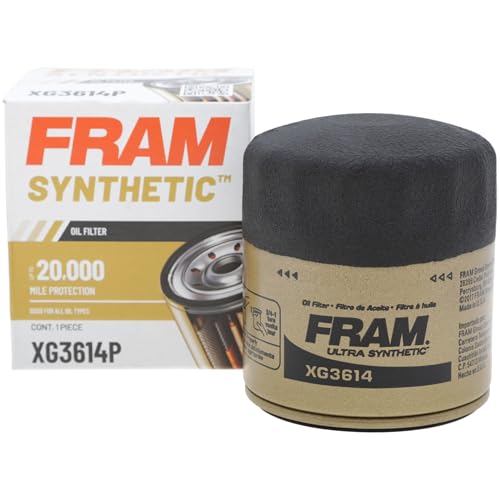
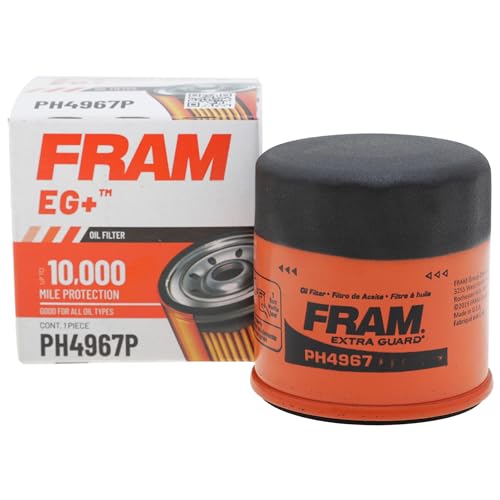
- Use the correct oil. The N52 engine requires 5W-30 or 0W-30 synthetic. Using the wrong viscosity increases internal friction. Also, do not overfill — extra oil creates drag on the crankshaft.
One thing to note: the oxygen sensors on this car can fail around 100,000 miles. A faulty O2 sensor will throw a check engine light and tank your fuel economy by 15–20%. If your mpg suddenly drops, scan the codes first.
Annual Fuel Cost: Budgeting for Premium Gas
The 2026 BMW 328i requires premium fuel. The engine’s compression ratio is 10.7:1, which is high enough to cause knocking on regular gas. Using 87 octane will reduce power and may cause long-term engine damage.
At current national averages, premium costs about $0.60–$0.80 more per gallon than regular. That adds up over a year.
Assuming 12,000 miles per year and an average of 22 mpg combined, you will use about 545 gallons. At $3.50 per gallon, that is roughly $1,900 annually. Compare that to a Honda Accord, which might cost $1,400 per year on regular gas.
The difference is about $500 per year. That is not nothing, but it is also not a dealbreaker for most buyers. If you drive 20,000 miles per year, the gap widens to over $800.
Here is a budgeting tip. Track your fuel purchases for the first month of ownership. You will get a real-world average that accounts for your specific driving habits. Use that to set a monthly fuel budget.
If you are doing your own maintenance, check our guide on the 2026 BMW 328i oil reset procedure to keep service intervals accurate.
Frequently Asked Questions
What is the 2026 BMW 328i fuel tank capacity?
The fuel tank holds 15.3 gallons. That gives you a theoretical highway range of about 428 miles, but expect 380–400 miles in mixed driving before the low-fuel warning light comes on.
Does the 328i require premium gas?
Yes. The N52 engine has a 10.7:1 compression ratio and is tuned for 91 octane or higher. Using regular gas will cause engine knock, reduced power, and potentially damage the catalytic converter over time. Do not cheap out on fuel.
What is the best speed for highway fuel economy in the 328i?
The sweet spot is 65–70 mph. At those speeds, the engine runs around 2,500–2,700 rpm in 6th gear. You will see 28–30 mpg. At 80 mph, expect 26–27 mpg. Wind resistance increases exponentially with speed.
How many miles will a 2026 328i last?
With proper maintenance, the N52 engine regularly exceeds 200,000 miles. The timing chain is robust, unlike the later turbo engines. The main weak points are the cooling system (water pump, thermostat) and valve cover gasket, which typically need attention around 80,000–100,000 miles.
Does the xDrive version get worse fuel economy?
Yes, by about 1 mpg in the city and 2 mpg on the highway. The all-wheel-drive system adds about 150 pounds and increases drivetrain friction. If fuel economy is your priority, choose the rear-wheel-drive model.
What to Remember Before You Buy
- The official EPA figures are 18 city / 28 highway for the manual and 18 / 27 for the automatic. Real-world numbers are close, with most owners seeing 22–24 mpg combined.
- The manual transmission is slightly more efficient than the automatic, especially in city driving.
- The 328i is less efficient than the Audi A4 but more efficient than the Mercedes C300. It is the best driver’s car of the group.
- The 328d diesel saves about $470 per year in fuel versus the 328i, but it is rare and carries a used-market premium.
- The 335i costs about $300 more per year in fuel than the 328i. That is the price of 70 extra horsepower.
- Maintenance matters. Tire pressure, air filters, spark plugs, and fuel filters can swing your real-world mpg by 3–5 mpg on a 13-year-old car.
- Budget at least $1,900 per year for fuel if you drive 12,000 miles. Premium gas is non-negotiable.
The 2026 BMW 328i is not the most efficient car in its class, but it is far from a gas guzzler. With proper care, it delivers respectable fuel economy while giving you one of the best naturally aspirated inline-six engines ever made. That trade-off is worth it to many owners, and now you know exactly what to expect.
Products related to this article
Sponsored / affiliate links. As an Amazon Associate I earn from qualifying purchases. I may earn additional commission from eligible campaigns.