2026 BMW 328i Problems: The Real Owner’s Guide to Reliability and Repair Costs
You found a 2026 BMW 328i for sale. The price is right, the paint shines, and the inline-six hums like a sewing machine. But before you hand over cash, you need to know what you’re getting into. This generation of 3-Series is beloved for its handling and steering feel, but the 2026 model year has a specific set of problems that can drain your bank account if you aren’t prepared.
This guide is a financial risk assessment. I’m not going to list every possible failure just to scare you. I’m going to tell you which parts break, what they cost to fix, and how to decide if a specific car is worth buying. You’ll walk away knowing exactly what to inspect, what to negotiate on, and whether this car fits your budget.

Haynes
BMW 3-Series 320i/320xi (2012-2014), 325i/325xi/330i/330xi (2006) &…
- Step-by-step procedures written from a complete teardown and rebuild, giving you the confidence to tackle repairs at any skill lev…
- Over 700+ clear photos and diagrams that simplify complex systems, helping you complete jobs faster and with fewer mistakes.
- Comprehensive troubleshooting and fault-finding guides to quickly diagnose problems and reduce costly downtime.
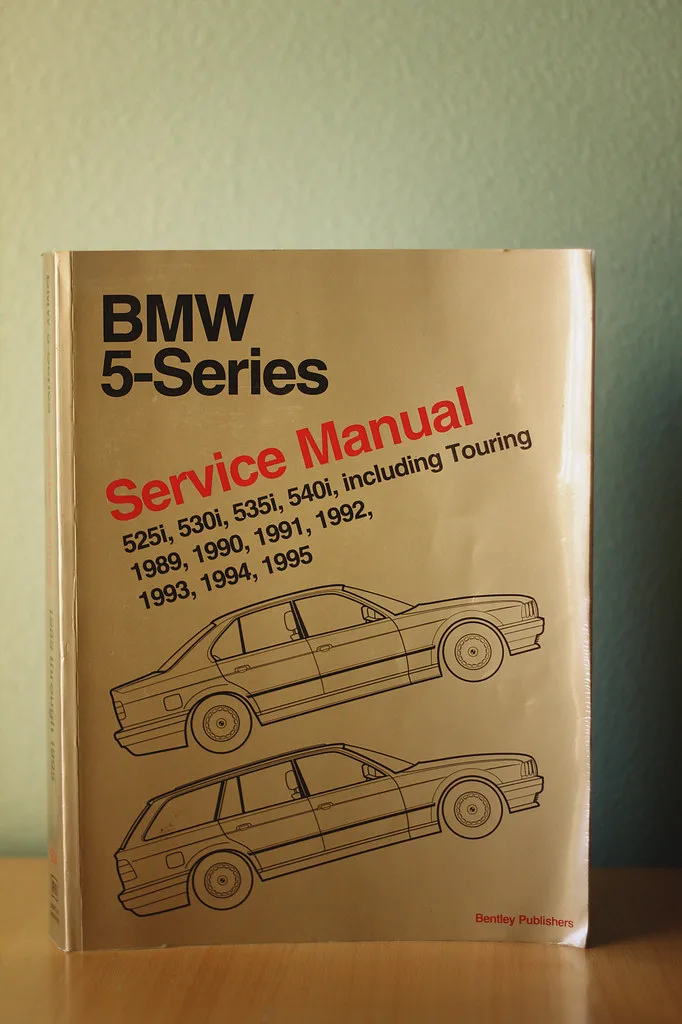
Having a solid reference manual on hand is a smart move if you plan to DIY any of this. The Haynes repair manual for the 328i covers the N52 engine, cooling system, and suspension with step-by-step photos. It paid for itself the first time I replaced a water pump without shop labor.
Why the 2026 Model Year Is a Double-Edged Sword
The 2026 328i uses the N52 engine, BMW’s last naturally aspirated inline-six. It’s a great motor — smooth, responsive, and reliable when maintained. But 2026 was the first year for this engine in the 3-Series chassis, and early production cars had some teething problems.
BMW revised parts throughout the model year. Later 2026 cars and 2026 models got updated gaskets, a better PCV system, and improved cooling components. If you’re looking at an early production car (built before mid-2026), you’re more likely to see the issues described below.
The flip side is that the N52 doesn’t have the high-pressure fuel pump failures or turbocharger issues that plague the 335i. No timing chain guides to worry about at 100k miles. No rod bearing failures. The engine itself is solid — it’s everything bolted to it that causes trouble.
The N52 Engine: Oil Leaks and Consumption
Oil leaks are the most common complaint from 328i owners. The N52 uses several gaskets that harden and crack over time, especially if the car sat for long periods or used conventional oil instead of synthetic.
Valve Cover Gasket vs. Oil Filter Housing Gasket
The valve cover gasket (VCG) sits on top of the engine. When it fails, you’ll smell burning oil inside the cabin and notice smoke coming from the rear of the hood. The oil drips onto the exhaust manifold, which is both messy and a fire hazard. Replacement parts are cheap — about $50 — but labor is the killer. Expect to pay $400 to $600 at an independent shop. The job takes 3 to 4 hours because you have to remove the intake manifold and various sensors.
The oil filter housing gasket (OFHG) is a different beast. It sits on the front of the engine, and when it leaks, oil drips down onto the serpentine belt and alternator. This is worse than the valve cover leak because oil-soaked belts fail prematurely, and if the belt breaks, it can get sucked into the engine through the front main seal. That’s a catastrophic failure. The OFHG replacement costs $200 to $350 and takes about 2 hours. Do not skip this one — a $300 fix now beats a $3,000 engine replacement later.
Oil consumption is also worth monitoring. The N52 can burn a quart every 1,500 to 2,000 miles at higher mileage. BMW considered anything under a quart per 1,000 miles as “normal,” which is generous. Check the dipstick weekly and keep a spare quart in the trunk. If the car burns more than that, walk away — it likely needs new valve stem seals, a $2,000+ job.
Cooling System Failure: The #1 Killer
If there’s one thing that kills these cars, it’s overheating. The N52 runs hot, and BMW used plastic components that become brittle with age. You’ll hear this called the “brittle plastic” issue, and it’s the reason many 328is end up in junkyards at 120k miles.
Water Pump, Thermostat, and Expansion Tank
The electric water pump is the first thing to fail. It’s not belt-driven like older BMWs — it’s an electric pump that runs on demand. The pump has a plastic impeller that cracks, and the motor brushes wear out. Failure is usually sudden. One minute the car runs fine, the next you see a red temperature warning and steam. Replacement cost is $600 to $900, including the thermostat, which you should replace at the same time since it’s right there.
The expansion tank (coolant reservoir) is another weak point. It’s made of plastic and sits in the engine bay, exposed to heat cycles. Over time, the plastic becomes brittle and cracks at the seams. You’ll find coolant pooling under the car or hear a hissing sound. The tank itself is $80, but if it fails while driving, you risk overheating the engine before you can pull over. Replacing the tank with an aluminum aftermarket unit is a popular upgrade that eliminates this failure point entirely.
Here’s my advice: if the car has over 80,000 miles and you can’t verify the water pump was replaced, budget for it immediately. Same for the expansion tank. These two parts plus the thermostat will run you about $1,000 at a shop. It’s not optional — it’s a matter of when, not if.
Ignition Coils and Spark Plugs: The Misfire Fix
The N52 uses one ignition coil per cylinder, and these coils fail as they age. A failing coil causes a misfire, which feels like a rough idle and a flashing check engine light. The car will lose power and may go into limp mode.
Replacement is straightforward. Each coil is about $40 to $60, and you should replace all six at once, along with the spark plugs. Total parts cost is around $250 for quality brands. Labor is another $150 to $200 at a shop, or you can DIY it in about an hour with basic tools. This is one of the few repairs on this car that’s genuinely easy to do yourself.
A common mistake is replacing just the one bad coil. The other five are the same age and will fail soon after. Do all six and save yourself the repeat trip.
The PCV System and Vacuum Leaks
The crankcase ventilation (PCV) system on the N52 is integrated into the valve cover. The diaphragm inside the PCV valve hardens and cracks over time, causing a vacuum leak. Symptoms include a rough idle, a whistling noise from the engine, and elevated oil consumption.
Symptoms of a Clogged Diaphragm
When the diaphragm fails, the engine can’t properly vent crankcase pressure. This pushes oil past the piston rings and into the combustion chamber, which increases oil consumption and can cause blue smoke from the exhaust. In severe cases, the pressure can blow out the rear main seal.
The fix is replacing the entire valve cover, since the PCV valve is built into it and not serviceable separately. This costs $400 to $600, including the gasket. Some owners install an aftermarket PCV delete kit or an external catch can, but the simplest solution is just replacing the valve cover with a new OEM unit. The updated part number from BMW is more durable than the original.
Transmission Quirks: Auto vs. Manual
The 2026 328i came with either a six-speed manual or a six-speed automatic. Both are generally reliable, but they have different issues.
The manual transmission (Getrag GS6-37BZ) is solid. The clutch lasts 100k to 150k miles with normal driving. The only common issue is a slight notchiness in the shift linkage, which is easily fixed with new bushings. If the previous owner didn’t replace the transmission fluid every 60k miles, do it right away — it’s a $100 job that extends gearbox life significantly.
The automatic (ZF 6HP19) is the one to watch. It’s a good transmission, but it has a known issue with the mechatronic unit — the electronic control module that sits inside the transmission. Over time, the wiring sleeve inside the mechatronic unit leaks transmission fluid into the connector plug. This causes shifting problems, delayed engagement, and eventually, complete failure.
Mechatronic Sleeve Leaks
The fix is replacing the mechatronic sleeve and sealing sleeve, which costs about $150 in parts. Labor is the bigger issue — the transmission pan has to be dropped, and the fluid replaced. Expect to pay $400 to $600 total. If you catch it early, this is a manageable repair. If you ignore it, the transmission can fail completely, and a rebuild costs $3,000 to $4,500.
Test drive the automatic and pay attention to shifts. They should be smooth and immediate. Any hesitation, clunking, or harsh engagement is a red flag. Ask if the transmission fluid was changed at 60k and 120k miles. If there’s no record, factor in the sleeve replacement as a preventive measure.
Suspension Wear: Bushings and Control Arms
At 100k miles, the front suspension is usually tired. The thrust arms (also called tension struts) have hydraulic bushings that wear out. Symptoms are a clunking noise over bumps, especially at low speeds, and a slight vibration in the steering wheel under braking.
Replacing the thrust arms costs $300 to $500 per side at a shop. The control arms (lower wishbones) also wear, with ball joints that develop play. A complete front suspension refresh — both thrust arms, both control arms, and new sway bar links — runs about $1,200 in parts and labor. This transforms the car’s handling. The steering becomes precise again, and the ride smooths out.
Check the rear subframe bushings too. They’re less common to fail, but at 150k miles, they can crack and cause a vague, wandering feel in the rear. That’s a $500 job.
Electrical Gremlins: Window Regulators and Battery Drain
The window regulators on the E90 are a known weak point. The plastic cable guides break, and the window falls into the door. Replacement regulators cost $100 to $150 for aftermarket units, and labor is about an hour per door. Most owners end up replacing all four over the car’s life.
Battery drain is another issue. The E90 has a sophisticated power management system that monitors the battery’s state of charge. If the battery is old or the wrong type, the car can throw random warning lights or drain the battery overnight. The fix is registering the new battery with the car’s computer using a diagnostic tool. If you don’t register it, the car will undercharge the new battery and kill it early. This is a $200 shop visit or a $30 tool if you DIY.
2026 vs. 2026 vs. 2026: What Changed?
If you’re comparing model years, here’s what you need to know. The 2026 325i and 330i use the same N52 engine but in different states of tune. The 2026 328i replaced both, with a mid-range output of 230 horsepower. The 2026 and later models get updated parts that address several early failures.
Specifically, BMW revised the valve cover gasket material and the PCV diaphragm design for 2026. The water pump and thermostat were also updated with more durable internals. If you can find a 2026 or 2026 for a similar price, buy it over the 2026. The differences are subtle but meaningful for long-term ownership.
That said, a well-maintained 2026 with documented service history is a better buy than a neglected 2026. Condition matters more than model year.
Pre-Purchase Inspection Checklist
Before you buy, do a systematic check. Here’s what to look for on a test drive and in the garage.
- Check the service records. Look for oil changes every 10k miles or less, and proof that the water pump, thermostat, and expansion tank were replaced. If the owner says “it’s all been done” but has no receipts, assume it hasn’t been done.
- Check the dashboard for warning lights. The check engine light should be off. If it’s on, get the codes read. A P0171 or P0174 code means a vacuum leak, likely the PCV system. A P0300 series code means a misfire.
- Check the service interval indicator. The car’s computer shows when the next oil service is due. If it says “Service Due” or shows a red warning, the owner skipped maintenance. If it shows a green light with 5,000 miles to go, they likely stayed on schedule.
- Inspect the engine bay for oil residue. Look around the valve cover and the oil filter housing. Fresh oil or caked-on grime indicates a leak. Check the coolant reservoir for cracks and the color of the coolant — it should be blue, not brown.
- Test drive over rough roads. Listen for clunks from the front suspension. Brake hard from 60 mph and feel for vibration in the steering wheel. Shift through all gears, including reverse, and note any hesitation.
- Check the undercarriage. Look for oil drips on the belly pan and coolant stains. Rust on the subframe is a dealbreaker in northern states.
If you’re not confident in your mechanical skills, spend $150 on a pre-purchase inspection at an independent BMW shop. They’ll find issues you’d miss and give you negotiating leverage.
Realistic Repair Budget: What to Expect to Pay
Here’s a table showing the most common repairs and what you should budget. These are shop prices with parts and labor, assuming you’re not doing the work yourself.
| Repair Item | Common Failure Mileage | Typical Cost |
|---|---|---|
| Valve cover gasket | 80k – 120k | $400 – $600 |
| Oil filter housing gasket | 70k – 100k | $200 – $350 |
| Electric water pump + thermostat | 80k – 100k | $600 – $900 |
| Expansion tank | 70k – 90k | $150 – $250 |
| Ignition coils (set of 6) + plugs | 90k – 120k | $400 – $500 |
| PCV valve (valve cover replacement) | 100k – 130k | $400 – $600 |
| Mechatronic sleeve (auto trans) | 100k – 140k | $400 – $600 |
| Front thrust arms (both) | 80k – 110k | $500 – $700 |
| Window regulator (per door) | 100k – 150k | $200 – $250 |
If the car has 100k miles and no documented maintenance, budget $2,500 to $3,500 for immediate catch-up repairs. That’s the realistic cost of ownership for the first year. If the car has 150k miles and the owner shows you receipts for the water pump, gaskets, and suspension, you can budget closer to $1,000 for the first year.
Use this as a negotiation tool. If a car is priced at $5,000 but needs $3,000 of deferred maintenance, it’s really a $2,000 car. Don’t be afraid to walk away if the seller won’t budge.
Verdict: Is It Worth Buying in 2026?
The 2026 BMW 328i is worth buying if you go in with open eyes. The driving experience is genuinely special — hydraulic steering, a naturally aspirated engine, and a chassis that communicates everything. You won’t find this feeling in a modern car under $30,000.
But it’s not a cheap car to own. The purchase price is low, but the maintenance costs are real. If you can turn a wrench, this car is a bargain. Parts are affordable, and there’s a huge community of DIY owners with write-ups and videos. If you pay a shop for everything, the cost per mile goes up significantly.
Here’s the decision framework:
- Buy it if you have $3,000 set aside for immediate repairs and you’re willing to do some work yourself.
- Buy it if the car has documented maintenance, especially cooling system and gaskets.
- Walk away if the car has a check engine light, an automatic transmission that shifts poorly, or no service history at all.
- Walk away if you need a daily driver with zero downtime. This car will occasionally leave you stranded when the water pump fails.
- Prefer a 2026 or later model if you can find one for a similar price.
- Never buy one with a blown head gasket or a failed automatic transmission unless you’re a professional mechanic.
- Get a pre-purchase inspection. It’s the best $150 you’ll spend.
For reference, the 2026 328i fuel economy is about 18 mpg city and 28 mpg highway, which is respectable for a six-cylinder. And if you’re considering other BMWs from this era, the 2026 645ci problems article covers a different platform with its own set of quirks.
Own a 328i and want to reset the service light yourself? Check out the oil reset procedure to save a trip to the shop.
In the end, the 2026 328i rewards the prepared owner. It’s a car that asks for attention but gives back an experience you’ll remember long after you sell it. Just make sure you’re buying the car, not the deferred maintenance that comes with it.
Products related to this article
Sponsored / affiliate links. As an Amazon Associate I earn from qualifying purchases. I may earn additional commission from eligible campaigns.