2026 Ford F150 5.0 Oil Capacity: Specs, Filter Torque, and Real-World Advice
You just bought a 2026 F-150 with the 5.0L V8, or maybe you’ve owned it for a few years. The dashboard finally says the oil life is at 15%, so you grab the owner’s manual. It tells you the capacity, but it doesn’t tell you about the filter torque, the quirks of the oil life monitor, or whether the quart of oil you burn every 3,000 miles is normal. That gap between the manual and reality is what this guide covers.
You’ll walk away knowing the exact 2026 Ford F150 5.0 oil capacity with and without a filter, the precise part number for the factory filter, how to reset the service light, and how to tell if your engine is consuming oil at a rate that warrants a trip to the dealer. I’ll also give you the step-by-step process for doing the change yourself, including the torque specs that prevent leaks.
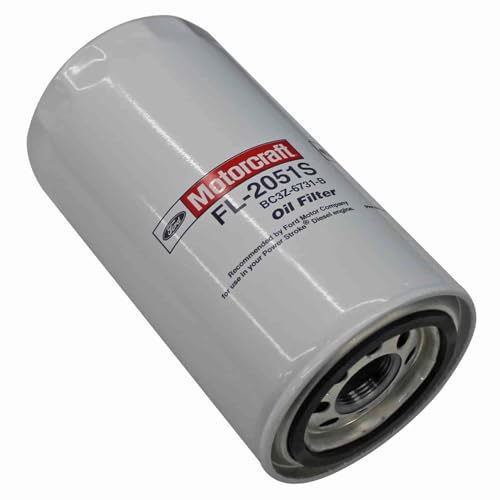
Motorcraft
Motorcraft - Oil Filter (FL2051S)
- Leading Manufacturer Of High-Quality Products
- International Renown For Our Diverse Range Of Award-Winning Products
- Fully Equipped With State-Of-The-Art Technology, Efficient filter media offers increased dirt-collecting capability and ability to…
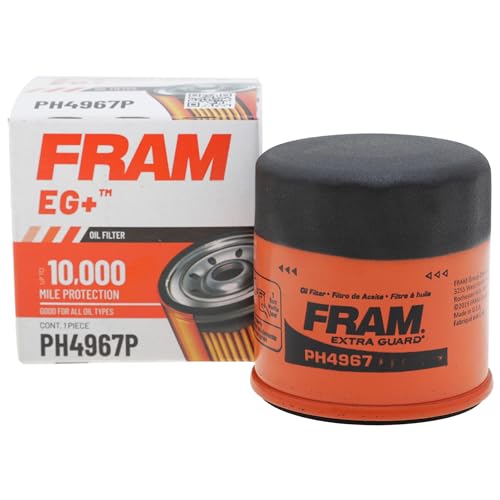
Before we dive into the numbers, a quick note on the filter. The factory-specified replacement is the Motorcraft FL-2051S, a solid choice that uses efficient filter media to catch more engine-harming particles than cheap aftermarket units. It’s worth checking the current price on Amazon, as it’s often cheaper than buying it at the dealership parts counter.
Quick Answer: 2026 F-150 5.0 Oil Capacity & Type
If you only need the numbers, here they are:
- Capacity with filter: 8.8 quarts (8.3 liters)
- Capacity without filter: 8.0 quarts (7.6 liters)
- Recommended oil: SAE 5W-20, meeting Ford specification WSS-M2C945-A
- Oil filter: Motorcraft FL-2051S (also referenced as FL-500-S in some catalogs)
- Filter torque: 18 ft-lbs (or 3/4 turn after gasket contact)
- Drain plug torque: 20 ft-lbs
That 0.8-quart difference between with and without filter matters. If you drain the oil and refill without installing a new filter, you’ll be nearly a quart low. Always install a fresh filter and use the full 8.8 quarts.
2026 F-150 5.0L Specs: Capacity, Viscosity, and Filter Part Number
The 2026 F-150 5.0 is the second generation of the Coyote engine, designated 5.0L Ti-VCT V8. It produces 385 horsepower and 387 lb-ft of torque. It’s a solid engine, but it has specific maintenance requirements.
The oil pan holds 8.8 quarts with the filter. That’s a large sump, which helps with oil cooling during heavy towing. The engine uses a cartridge-style filter housing? No, it doesn’t. It uses a traditional spin-on canister filter. That makes the job easier than some of Ford’s EcoBoost engines, which use a cartridge element that can be fiddly.
The correct filter is the Motorcraft FL-2051S. Some parts stores will list the FL-500-S; that’s the same filter, just a different catalog number. The gasket on this filter is 72mm in diameter, and the thread is 22mm x 1.5. If you buy an aftermarket filter, make sure the threads match. A cross-threaded filter on this engine is a nightmare to remove.
Why 5W-20 is the Recommended Viscosity (and When to Consider 5W-30)
Ford specifies SAE 5W-20 for the 5.0L in the 2026 model year. The manual is clear: use 5W-20 that meets WSS-M2C945-A. This is a synthetic blend oil, though full synthetic is also fine and often better for extended intervals.
Why 5W-20? It’s about fuel economy. The lighter oil reduces parasitic drag on the crankshaft, which helps the EPA ratings. The engine was designed with tight bearing clearances that work well with this viscosity. Cold start performance is good down to about -22°F.
Now, the 5W-30 debate. Some owners with high-mileage 5.0L engines (over 100,000 miles) switch to 5W-30 to reduce oil consumption and quiet down valvetrain noise. Is that safe? Yes, mostly. The bearing clearances are not so tight that 5W-30 will cause damage. In fact, Ford used 5W-30 in the same Coyote engine for the Mustang GT in later years. But it’s a trade-off. You’ll see a slight fuel economy drop, maybe 1-2%, and you’ll void the warranty if you’re still within it. For a high-mileage truck that burns oil, 5W-30 is a reasonable choice. For a low-mileage truck under warranty, stick with 5W-20.
Step-by-Step Oil Change Guide for the 5.0L V8
Here’s the process I use in my shop. It takes about 45 minutes if you’re not rushing.
Tools and Materials Needed
- 8.8 quarts of 5W-20 oil (synthetic blend or full synthetic)
- Motorcraft FL-2051S oil filter
- 15mm socket for the drain plug
- Oil filter wrench (a cap-style wrench that fits 72mm is best)
- Torque wrench (1/2-inch drive for the drain plug, 3/8-inch for the filter)
- Drain pan (at least 10-quart capacity)
- New crush washer for the drain plug (14mm inner diameter)
- Funnel and rags
Draining the Old Oil Safely
Run the engine for 2-3 minutes to warm the oil. Warm oil flows faster and carries more suspended contaminants. Don’t do this on a cold engine; you’ll leave sludge behind.
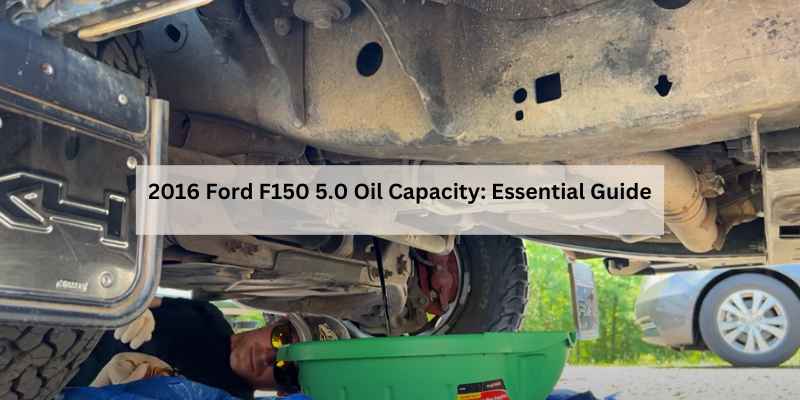
Jack up the front of the truck or use ramps. The 5.0L sits high, but you need clearance to reach the drain plug. The plug faces the rear of the oil pan, slightly toward the passenger side. Place the drain pan underneath, then loosen the plug with the 15mm socket. Turn it counterclockwise until it’s free, then pull it away quickly. The oil will splash; angle the plug so the crush washer doesn’t fall into the pan.
While the oil drains, inspect the crush washer. If it’s flattened or has grooves, replace it. A worn crush washer is the most common cause of a slow leak at the drain plug. Torque the plug to 20 ft-lbs when you reinstall it. That’s snug, not gorilla-tight. Over-torquing strips the aluminum pan threads.
Replacing the Filter and Refilling
The oil filter is on the front of the engine, low on the passenger side. You can reach it from underneath or from above with a long extension. Use the filter wrench to loosen it, but be prepared for oil to spill down the side of the engine. Have a rag ready.
Before installing the new filter, wipe the mounting surface clean. Apply a thin film of fresh oil to the new filter’s gasket. This prevents the gasket from sticking to the engine and ensures a proper seal. Screw the filter on by hand until the gasket contacts the engine, then tighten it 3/4 turn. If you have a torque wrench, use 18 ft-lbs. Do not over-tighten; you’ll crush the gasket and cause a leak that’s hard to diagnose.
Now, refill with 8.8 quarts. Pour in 8 quarts first, then check the dipstick. Add the remaining 0.8 quarts slowly. The dipstick on this engine is on the passenger side, near the front. Pull it, wipe it, reinsert it fully, then pull it again. The level should be at the top hole marked ‘MAX’ or ‘FULL’.
Start the engine and let it idle for 30 seconds. Check for leaks at the filter and drain plug. Shut it off, wait 5 minutes for the oil to drain back into the pan, and re-check the dipstick. Add a few ounces if needed.
How to Reset the Oil Life Monitor (Step-by-Step)
The 2026 F-150 uses an intelligent oil life monitor that calculates remaining life based on engine RPM, temperature, and driving habits. It doesn’t just count miles. After an oil change, you need to reset it. Here’s how:
- Turn the ignition to the ‘ON’ position (do not start the engine).
- Press the gas pedal three times fully to the floor within 10 seconds.
- Wait. The message center will display ‘OIL LIFE RESET IN PROGRESS’.
- When it shows ‘OIL LIFE RESET COMPLETE’, release the pedal.
- Turn the ignition off, then start the engine to confirm the display shows 100%.
If that doesn’t work, use the steering wheel controls. Navigate to ‘Settings’ > ‘Vehicle’ > ‘Oil Life Reset’. Hold the OK button until it confirms. The pedal method works on most 2026 models, but the menu method is the fallback.
5.0L Oil Consumption: Is It Normal or a Problem?
Here’s the part the owner’s manual won’t tell you. The 2026 5.0L has a known oil consumption issue. Ford’s official spec allows up to 1 quart per 750 miles under severe conditions. That’s a lot. Most owners see 1 quart per 3,000-5,000 miles, which is acceptable. But some trucks consume more.
How to diagnose if your truck is burning oil:
- Check the dipstick at every fuel fill-up for a week. Record the level.
- Look for blue smoke from the exhaust on cold start. That indicates valve seal wear.
- Check for oil residue around the PCV valve and intake manifold. Excessive oil there means the PCV system is overwhelmed.
- Do a compression test if consumption exceeds 1 quart per 1,000 miles. Low compression on one cylinder points to worn rings.
If you’re burning more than 1 quart per 1,000 miles, it’s not normal. The common culprits are stuck piston rings (often from carbon buildup) or valve guide seals. A dealer may perform an oil consumption test: they weigh the oil, you drive 1,000 miles, and they weigh it again. If it exceeds the threshold, they’ll typically rebuild the top end or replace the short block under warranty. For trucks out of warranty, a piston soak with a carbon cleaner (like Berryman’s B-12) sometimes frees stuck rings. It’s worth trying before a costly rebuild.
Oil Change Intervals: Normal vs. Severe Driving Conditions
Ford’s official interval is 10,000 miles for normal driving. That’s what the manual says. But ‘normal’ means highway driving at moderate speeds, no towing, and clean air. Most trucks don’t fit that description.
Severe service is defined as: frequent short trips (under 10 miles), extreme cold or heat, dusty roads, towing, or heavy loads. If any of those apply, Ford recommends changing the oil every 5,000 miles. I’d go further: if you tow regularly, change it at 4,000 miles. The 5.0L runs hot under load, and heat degrades oil quickly.
Use the oil life monitor as a guide, but don’t trust it blindly. The monitor is calibrated for normal service. If you’re in the severe category, reset the monitor after each change and ignore it until 5,000 miles. If you’re a highway commuter, the 10,000-mile interval is fine with a full synthetic oil. With a synthetic blend, I’d pull it back to 7,500 miles.
Cost Breakdown: DIY vs. Professional Service
Doing it yourself saves real money on this truck. Here’s the rough math:
| Item | DIY Cost | Shop Cost |
|---|---|---|
| Oil (8.8 qts, synthetic blend) | $45 – $55 | $60 – $80 (marked up) |
| Oil filter (Motorcraft FL-2051S) | $8 – $12 | $15 – $20 |
| Crush washer | $1 – $2 | $0 (often included) |
| Labor | $0 (your time) | $30 – $50 |
| Total | $54 – $69 | $105 – $150 |
The DIY route saves about $50 per change. Over four changes a year, that’s $200. The trade-off is your time and the need to dispose of the old oil. Most auto parts stores take used oil for free. If you don’t have the tools or the inclination, a shop is fine, but ask them to use the Motorcraft filter, not a generic brand. You can also check our oil change guide for more general F-150 tips.
One thing to watch: some quick-lube places will try to sell you 6 quarts because that’s what a 4.6L V8 takes. The 5.0L needs 8.8. If you leave a quick-lube joint and your dipstick reads low, they under-filled it. Always check the dipstick before you drive away.
Frequently Asked Questions
Can I use full synthetic oil instead of the recommended synthetic blend?
Yes. Full synthetic 5W-20 meets the same Ford spec and offers better high-temperature stability. It’s a good choice if you tow or run extended intervals. The engine doesn’t care; it just needs the right viscosity and spec.
What happens if I overfill the oil by a quart?
Overfilling is worse than underfilling. Excess oil gets whipped into foam by the crankshaft, which can cause oil starvation, increased pressure, and seal leaks. If you overfill, drain some out immediately. The difference between the MIN and MAX marks on the dipstick is about 1 quart.
Is the oil drain plug a standard size?
The drain plug head is 15mm. The thread is M14 x 1.5. The crush washer is 14mm inner diameter. Don’t use a universal rubber drain plug gasket; stick with the crush washer. It’s designed to deform and seal against the pan.
How do I know if my oil filter is leaking?
A leaking filter usually shows oil dripping from the front of the engine, near the passenger side, after a drive. You’ll also see oil residue on the filter itself. Most filter leaks are caused by over-tightening (crushing the gasket) or a dirty mounting surface. Clean the surface and tighten to 18 ft-lbs.
Can I tow with 5W-20 oil?
Yes, Ford designed the engine to tow with 5W-20. But if you tow near the truck’s max rating of 9,500 pounds, consider changing the oil more frequently. Towing generates extreme heat, which thins the oil. A 5,000-mile interval is safer than 10,000 miles for heavy towing. Also, check your towing capacity to ensure you’re not overloading the truck.
Final Verdict: What to Do Next
You have the specs. Now, make a decision about your next oil change. Here’s what I recommend based on your situation:
- If you’re under 60,000 miles and drive mostly highway, stick with 5W-20 synthetic blend and change it every 7,500 miles.
- If you tow, haul, or drive in dusty conditions, use full synthetic 5W-20 and change it every 5,000 miles. The extra cost is insurance.
- If your truck burns more than a quart every 1,000 miles, run a compression test before you spend money on thicker oil.
- Always use the Motorcraft FL-2051S filter. It’s cheap insurance against a clogged or collapsed aftermarket filter.
- Torque the drain plug to 20 ft-lbs and the filter to 18 ft-lbs. Guessing leads to leaks.
- Reset the oil life monitor using the pedal method every time. A stale reading causes you to ignore real maintenance needs.
- Keep a log of oil consumption. If it worsens, you have documentation for a warranty claim or a future buyer.
The 2026 F-150 5.0 is a strong engine that rewards consistent maintenance. The oil capacity is generous, which means you have a margin of safety, but only if you check the dipstick regularly. Set a reminder on your phone for the first of every month. It takes 30 seconds and saves you from a costly repair down the road. For more details on the engine bay layout, check the F-150 undercarriage diagram to locate components quickly.
Products related to this article
Sponsored / affiliate links. As an Amazon Associate I earn from qualifying purchases. I may earn additional commission from eligible campaigns.