BMW E30 Reliable? Rust, Bushings & What to Check Guide
Yes, a BMW E30 can be reliable if rust is minor, suspension bushings are fresh, and the cooling system has been renewed. If those three areas are neglected, treat the car as a project, not a driver. Rust repairs can exceed the car’s value, and worn rubber or an aging radiator can turn an affordable buy into repeated repairs. This guide shows what to inspect on an E30 before you buy, with the failure points that matter most.
Is the BMW E30 reliable today?
The E30 can be dependable, but condition is the main variable. BMW produced the 3 Series generation from 1982 to 1994, and classic-car age now means seals, rubber, cooling parts, and body structure matter more than reputation. A higher-mileage E30 is more likely to have mechanical issues, especially if service is thin or modifications are poor.
How age and maintenance history change the answer
Regular oil changes and brake inspections matter for E30 reliability. So does proof that the car has not been sitting with old coolant, stale fuel, or deferred repairs. On a car this old, the absence of records is not a small gap. It points to hidden wear that may be waiting in the background.
Which engines and trims change ownership risk
Variant matters. In my experience, four-cylinder cars can be simpler to maintain, while six-cylinder cars may add more to the checklist and can mean more labor exposure if records are missing. Manual cars with a Getrag 265 gearbox are often described as durable, except for second-gear synchro wear, which should shape your buy decision.
📊 BMW was founded in 1916, with a de facto date of 1922. Source: BMW.
BMW E30 rust: where to inspect first
Rust is the biggest E30 reliability filter because it decides whether the car is repairable or merely presentable. Start with wheel arches, floor pans, jacking points, and subframe mounts. Surface corrosion is common on old cars. Structural corrosion is different, because it affects strength, alignment, and repair cost in a way that simple cleanup cannot solve.
Wheel arches, floor pans, jacking points, and subframe mounts
Look at the outer lips of the arches first, then crawl under and inspect the floor pans where moisture and old undercoating hide damage. Jacking points should be solid, not swollen with filler or patched in a way that hides soft metal. Subframe mounts are especially important because failure there turns a body repair into a safety problem.
Surface corrosion versus structural damage
Light orange staining on trim edges or underbody brackets can be acceptable on a classic car. Holes, bubbling seams, and layered patchwork around load-bearing areas are not. If a screwdriver easily disturbs metal near the floor, mounts, or jacking points, the car needs deeper inspection before any price discussion.
How to judge repair quality on patched cars
Good repairs follow factory lines, keep drain paths open, and show clean welds with rust treated at the edges. Bad repairs use thick seam sealer, fresh undercoat over active rust, or uneven plates that suggest the hidden side was not finished properly. A patched E30 can still be a good buy, but only if the work is tidy and documented.
What bushings should you check on an E30?
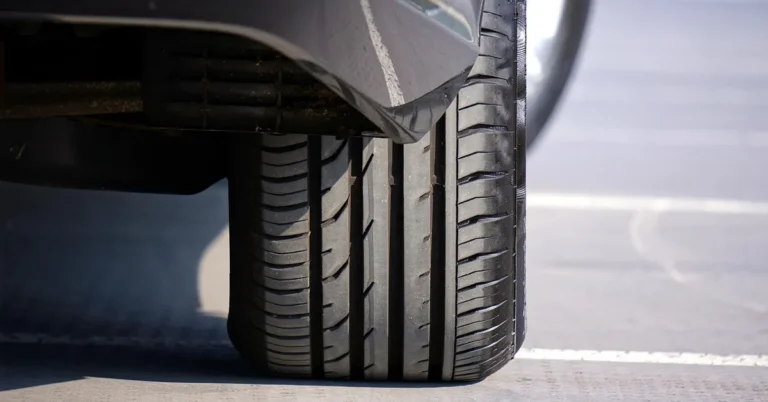
Check control arm bushings, trailing arm bushings, and subframe bushings first. Worn rubber changes steering feel, makes braking feel vague, and can create tire wear that looks like bad alignment but is really suspension age. On an E30, front lower control arms and bushings may need replacement around 100K miles, and age alone can push them past service life sooner.
How worn bushings show up on the road
Sloppy steering response can indicate worn control arm bushings. Trailing arm and subframe wear can add rear-end looseness, clunks over sharp bumps, or a slight rear steer sensation in quick lane changes. If the tires show cupping or uneven inside wear, do not blame alignment first. Suspect the rubber underneath the car.
When a full refresh makes more sense
If multiple bushings are cracked, soft, or oily, piecemeal replacement rarely saves much. A full refresh is smarter when the car already needs alignment, front-end work, and rear-end correction at the same time. That approach costs more upfront, but it avoids paying for the same labor several times.
Cooling system and leak checks that matter most
Cooling-system condition should be near the top of your inspection list because overheating can turn a bargain into a major engine bill. Check the radiator, water pump, fan clutch, hoses, and coolant condition. Also look for oil leaks and coolant leaks separately; older BMWs often show both, but they do not mean the same thing or cost the same amount.
Radiator, water pump, fan clutch, and hoses
Inspect the radiator tanks and seams for age cracks or crusty deposits. Feel for brittle hoses and look for swelling at the ends. The fan clutch can be checked with a rolled-up newspaper when hot. If the fan does not bite properly, cooling at idle may suffer. Water pump play or seepage is another reason to budget work immediately.
Oil leaks versus coolant leaks
Oil leaks often show up around valve cover areas, seals, or the pan, and many are manageable if caught early. Coolant leaks are more urgent because overheating can cause far larger damage than a wet garage floor suggests. If the car has a history of running hot, treat that as a serious warning, not a negotiation point.
What should you inspect before buying a BMW E30?

Check the steering rack first, then the manual gearbox, brakes, and signs of deferred service. The steering rack can leak at the seals and may need replacing, and torn boots are a clue that dirt and wear have already entered the system. If the car has not had basic service recently, its asking price needs a heavy discount.
Steering rack, boots, and alignment clues
Check for fluid around the rack, wetness at the inner tie-rod area, and split boots that hide play. A rack swap is usually not the end of the job, because alignment should follow replacement. Uneven tire wear, a crooked steering wheel, or wandering at speed all point to front-end wear that needs attention.
Manual transmission synchros, linkage bushings, and fluid condition
Shift quality matters. A Getrag 265 gearbox is often considered strong, but second-gear synchro wear can show up as baulking or a crunch on quick shifts. Loose shift linkage bushings make the lever feel vague even when the gearbox itself is decent. Dark or burnt-smelling fluid is a warning that the car has been ignored.
Brakes, brake lines, and deferred service
Brake service should be easy to verify on a car this age. Check for cracked hoses, rusty lines, thin pads, and pulsing rotors. Regular brake inspections matter, and missing records can mean the car has gone much longer than it should have between fluid changes, pad checks, and hardware replacement.
Picture a car that idles smoothly but tramlines on a patched city street and wears the front tires on the inner edges. That often points to worn bushings or steering parts, not a mysterious BMW trait. The fix may be ordinary. The bill may not be, if the wear has spread across several systems.
Use this E30 inspection matrix before you buy

This matrix is built for short viewings. Score each item from 1 to 5 for severity, repair complexity, and walk-away risk. A “1” is a light maintenance item. A “5” is a likely no-go unless price and documentation make the car unusually strong. Use the category columns to keep rust, bushings, cooling, leaks, and records separate.
| Checkpoint | Rust | Bushings | Cooling | Leaks | Documentation | Severity | Repair complexity | Walk-away risk |
|---|---|---|---|---|---|---|---|---|
| Wheel arches | 5 | 0 | 0 | 0 | 2 | High | High | High |
| Floor pans | 5 | 0 | 0 | 0 | 2 | High | High | High |
| Jacking points | 5 | 0 | 0 | 0 | 2 | High | High | High |
| Subframe mounts | 5 | 2 | 0 | 0 | 2 | High | High | High |
| Front lower control arm bushings | 0 | 4 | 0 | 0 | 2 | Medium | Medium | Medium |
| Trailing arm bushings | 0 | 4 | 0 | 0 | 2 | Medium | High | Medium |
| Subframe bushings | 0 | 4 | 0 | 0 | 2 | Medium | High | Medium |
| Steering rack boots | 0 | 2 | 0 | 4 | 2 | Medium | Medium | Medium |
| Steering rack leaks | 0 | 2 | 0 | 5 | 2 | High | High | High |
| Radiator condition | 0 | 0 | 5 | 2 | 2 | High | Medium | High |
| Water pump seepage or play | 0 | 0 | 5 | 2 | 2 | High | Medium | High |
| Fan clutch operation | 0 | 0 | 4 | 0 | 1 | Medium | Low | Medium |
| Manual gearbox synchros | 0 | 0 | 0 | 3 | 3 | Medium | High | Medium |
| Oil change history | 0 | 0 | 0 | 3 | 5 | High | Low | Medium |
| Timing-belt records on sixes | 0 | 0 | 0 | 0 | 5 | High | High | High |
How to use the matrix in a short viewing window
- Start under the car and check rust before anything cosmetic.
- Move to the front suspension and steering for play, leaks, and torn boots.
- Inspect the cooling system before you let the engine idle for long.
- Test the gearbox for synchro wear and loose shift feel.
- Ask for records, then compare what the car needs against the asking price.
How much does it cost to fix E30 rust and wear items?
Small refresh items are usually far cheaper than structural rust. Bushings, hoses, and fluid service are the kind of work that can restore drivability without turning the car inside out. Rust in floor pans, jacking points, or subframe mounts is different. Once fabrication enters the job, the bill can jump fast because labor rises sharply.
Cheap refresh items versus expensive structural repairs
Expect basic wear items to be manageable only when the rest of the car is solid. Radiator, water pump, fan clutch, hoses, and bushings are all normal classic-BMW expenses, but they are still maintenance, not salvation. Structural rust repair demands cutting, welding, refinishing, and time. That is why a rusty cheap E30 often becomes expensive very quickly.
How modifications affect total cost
OEM-plus cars usually cost less to sort than hacked builds because the parts path is clearer. Lowering springs, mixed-brand wiring, and poorly routed accessories can create alignment issues, broken wiring, and extra labor. A careful modification can lower future spend. A careless one usually adds it.
Say your E30 has fresh paint but a brittle engine-bay harness splice, cut springs, and a leaking rack. The visible parts may look tidy, yet each hidden issue adds labor and diagnostic time. That is why modification quality matters as much as mileage.
Are BMW E30 parts still available?
Yes, many BMW E30 parts are still available, but not every item is easy to source and not every piece is cheap. Wear items, service parts, and common suspension pieces are generally easier than trim, body panels, and model-specific interior parts. Plan on checking part availability before you buy a car with rare trim or unusual engine details.
What tends to be easier and what is harder
Brake parts, filters, hoses, belts, and many suspension pieces are usually straightforward. Good used trim, certain body components, and some interior pieces can be harder because condition matters as much as fit. Parts availability helps an E30 stay on the road, but it does not erase the cost of age-related labor.
Which E30 maintenance items are most important?
The most important maintenance items are the ones that stop small wear from becoming major damage. Oil changes, brake service, timing-belt history on six-cylinder cars, cooling-system renewal, and suspension rubber all sit near the top. If records are weak, assume you will need to catch up immediately after purchase.
Priority order for a newly bought E30
1. Verify rust and structure. 2. Refresh cooling parts if history is uncertain. 3. Inspect and replace worn bushings. 4. Confirm brake service and fluid condition. 5. Review engine-specific records, especially timing-belt history on sixes. That order keeps the spend tied to safety and reliability first.
Frequently asked questions
Is the BMW E30 reliable?
The E30 can be reliable when rust is limited, the cooling system has been renewed, and the suspension rubber is not worn out. Without those basics, the car should be treated as a project. Maintenance history matters more than mileage alone, especially on older six-cylinder cars.
What are the common BMW E30 problems?
Common issues include rust in structural areas, worn suspension bushings, cooling-system age, steering rack leaks, and deferred brake service. Manual cars can also show synchro wear or sloppy linkage bushings. Most problems are age-related, which means inspection quality matters more than model-year pride.
How bad is rust on a BMW E30?
It ranges from manageable surface corrosion to expensive structural damage. Wheel arches, floor pans, jacking points, and subframe mounts deserve the closest inspection because those areas affect safety and repair cost. Bubbling paint is a warning; soft metal or patchwork in load-bearing areas is much more serious.
What bushings should I check on an E30?
Check front lower control arm bushings, trailing arm bushings, and subframe bushings first. Worn pieces can cause sloppy steering, braking instability, and uneven tire wear. If several are tired at once, a full refresh is usually more sensible than replacing only the obvious one.
What should I inspect before buying a BMW E30?
Start with rust, then steering rack condition, bushings, cooling parts, gearbox feel, and service records. On six-cylinder cars, timing-belt history is especially important. A pre-purchase inspection is the safest move because it can separate a fair driver from a car that needs major work.
How much does it cost to fix E30 rust?
Minor surface cleanup and small refresh jobs can be reasonable, but structural rust can move into high-cost territory quickly. Floor pans, jacking points, and subframe mounts require fabrication and careful finishing. The final bill depends on how much metal is missing, not just how bad the area looks at first glance.
Products related to this article
Sponsored / affiliate links. As an Amazon Associate I earn from qualifying purchases. I may earn additional commission from eligible campaigns.