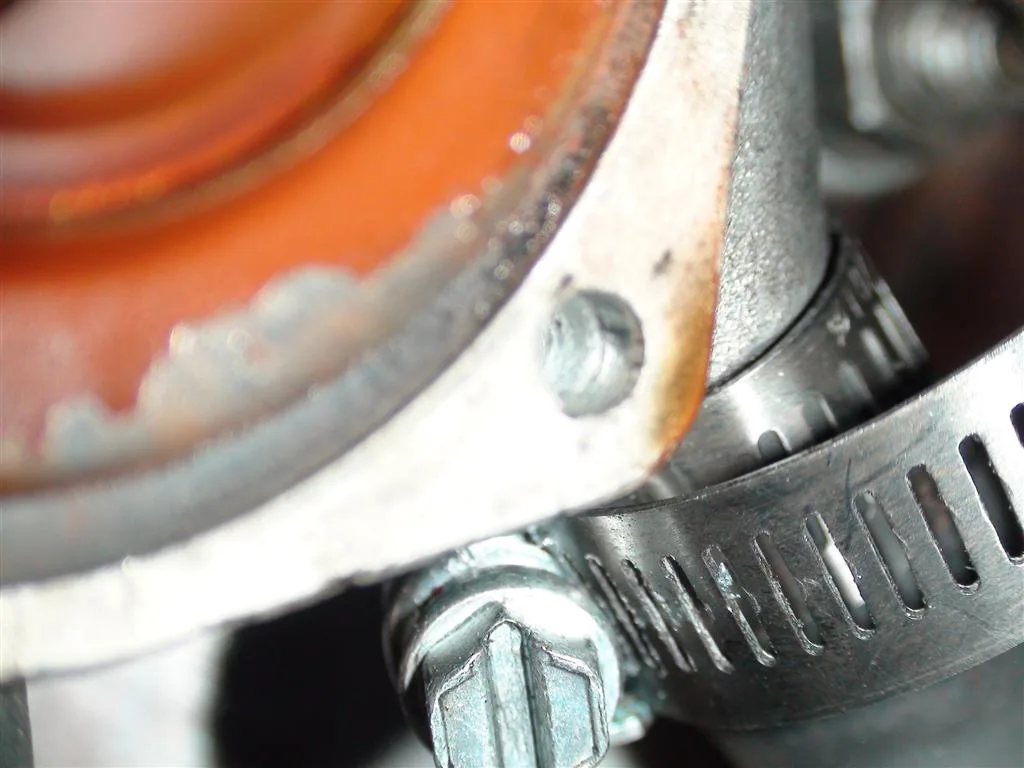
Are BMWs Hard to Work On? Common Repair Challenges
BMWs are moderately hard to work on: routine service is manageable, but many repairs turn difficult once you need special tools, tight access, scan-tool coding, or torque-to-yield fasteners. Ignore those limits and you can strip bolts, trigger warning lights, misdiagnose faults, or turn a $300 job into a $1,500 one. This guide breaks down the repair bottlenecks, the tools and skills they demand, and the point where DIY stops making sense.
Are BMWs hard to work on for DIY mechanics?


Yes, often enough to matter. BMWs are harder to work on than many mainstream brands because the cars use dense packaging, brand-specific procedures, and electronics that expect the right scan tool. The difficulty changes with model, year, and repair type.
What makes BMW repair different from mainstream brands?
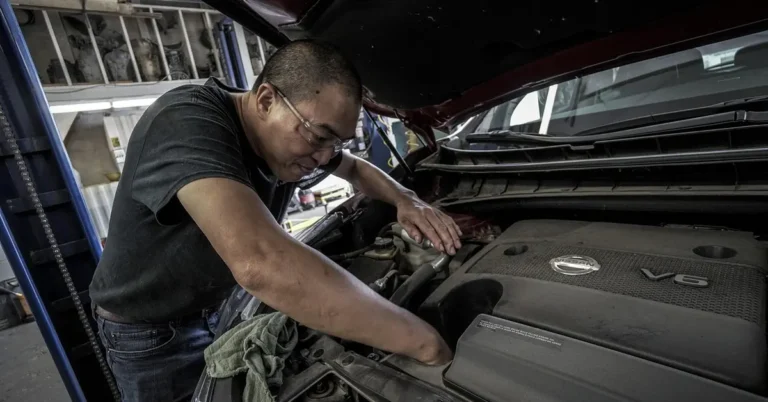
BMW repair stands apart because the brand uses tight engine bays, model-specific service steps, and sensor-heavy systems. A basic oil change may feel normal, but a thermostat, water pump, control-arm bushing, or module fault can quickly move beyond generic repair habits.
The real question is not “Are BMWs hard?” It is “Which BMW job, on which platform, and with what tools?” A newer xDrive car with failing electronics is a different job from an older E-series sedan with more open access.
Which jobs are manageable at home and which are not?
Routine service is usually manageable at home if you have room, patience, and the right parts. Brake pads, oil service, filters, belts, and some suspension wear items are often reasonable for a careful DIYer. Jobs that require scan-tool resets, cooling-system bleeding, or transmission diagnosis are much less forgiving.
Suppose a valve cover gasket needs replacement on a turbo BMW with plastic charge pipes crowding the top of the engine. The job may be possible at home, but broken clips, hidden fasteners, and brittle connectors can push it from weekend project to stalled teardown.
How model year and platform change the answer
Older BMWs can be easier to service than newer ones, especially when compared with late-model cars full of modules, cameras, and software checks. BMW’s E30 3 Series is described as easier to work on than modern vehicles, and that difference is not subtle: more space, fewer networked systems, and less coding after repairs.
By contrast, newer BMWs often need more scan-tool work after battery replacement, module swaps, or even some routine service resets. The platform matters as much as the badge.
📊 BMW ownership costs can average up to $17,800 over ten years for maintenance. Source: Are BMWs Hard to Work On: Unpacking the Maintenance Myth.
What makes BMW repairs more difficult than other cars?
BMW repairs get harder because many jobs combine tight access, BMW-specific fasteners, exact torque requirements, and electronics that expect a scan tool. BMWs use triple-square fasteners on many engine and driveline bolts, and a standard socket set will not grip BMW triple-square fasteners. That alone can stop a job cold.
Tight engine bays and difficult parts access
Performance packaging often leaves little clearance around the engine, turbo hardware, cooling lines, intake tubes, and electrical connectors. A hand may fit, but not the tool you need. On some jobs, removing the intake, undertrays, or front-end trim is normal before the actual repair even starts.
That extra disassembly takes time and increases the chance of broken clips and stripped plastic tabs. It also makes a “simple” part replacement less simple than it sounds.
BMW-specific fasteners, torque specs, and one-time-use hardware
BMW fasteners are not hard because they are exotic; they are hard because they are specific. Triple square bits, Torx, external Torx, stretch bolts, and aluminum-threaded housings all show up often enough that the wrong tool choice becomes a real failure point. A torque wrench matters here, especially on aluminum parts and precision fasteners.
One-time-use hardware also changes the job. If a repair calls for new bolts, new seals, or new gaskets in a specific sequence, treating it like a generic bolt-on part can lead to leaks, warped parts, or repeat labor.
Why precision matters more on aluminum components
Many BMW components use aluminum housings, covers, and threaded joints. That makes torque accuracy more important than brute force. Over-tightening can strip threads or crack housings, and under-tightening can cause leaks or loose mounts.
That is why the right torque wrench is not a luxury tool on BMW work. It is part of preventing damage during the repair itself.
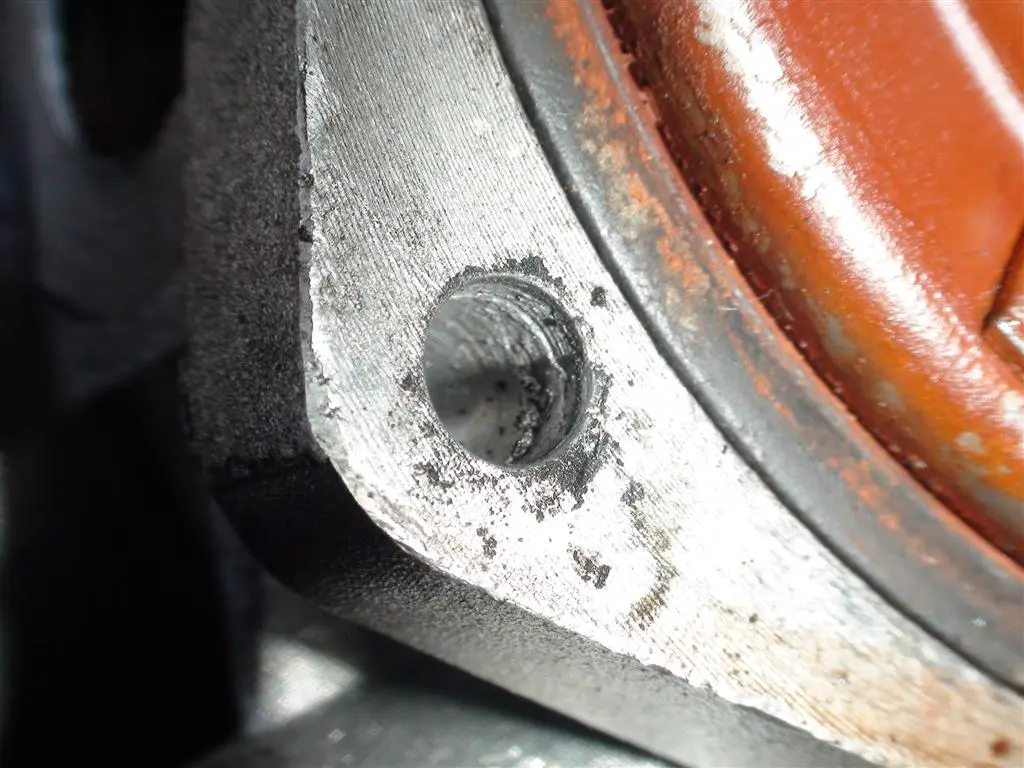
Which BMW repairs are hardest for DIY mechanics?
The hardest DIY jobs are the ones that combine access problems, bleeding procedures, electronics, or programming. Cooling-system work, module diagnosis, transmission faults, and iDrive failures are where many home mechanics hit the limit. These jobs often need more than hand tools and a parts store scan reader.
Cooling-system repairs and bleeding procedures
BMW cooling-system work is a common maintenance area and a common DIY difficulty point. The system often needs careful inspection because leaks, plastic aging, and pump or thermostat faults can snowball into overheating if ignored. Bleeding can matter just as much as the part replacement.
A common first-timer mistake is swapping a water pump and assuming the job is done. If the cooling system is not filled and bled correctly, air pockets can leave the car running hot even though the new part is installed.
Electrical-module and sensor diagnosis
BMW’s sensor-heavy systems often require electrical troubleshooting tools, and that is where many owners lose time. Fault codes, battery drain, intermittent warnings, and faulty modules can all point in different directions. Without a BMW diagnostic scanner, diagnosis can become guesswork.
Module replacement is also not always plug-and-play. Some repairs need coding or programming after installation, especially when the part talks to the car’s control network.
Transmission and driveline work
Transmission systems are harder to diagnose than basic automatics because the symptoms can overlap with engine, sensor, or software problems. A shudder, delayed shift, or fault lamp may involve fluid condition, mechatronics, wiring, or a control issue rather than a single broken part.
Driveline work can also use BMW-specific fasteners and tight packaging. That makes it a poor candidate for guesswork and a better candidate for a specialist shop when symptoms are unclear.
Infotainment and iDrive module faults
iDrive and infotainment modules vary widely by generation, and repair complexity varies with them. Liquid damage, push/scroll failures, and random display faults can affect the controller, the display, or the head unit. Older systems can be more straightforward, but parts sourcing and coding still matter.
BMW multimedia history can show why generation matters. CCC multimedia was in service from 2003 on 1-series to 5-series and X-series since 2007, and CCC production ended in 2009. CIC navigation used 3D support and maps were updated via USB flashdrive, while M-ASK used a smaller main display and lacked navigation on some versions. E65 multimedia problems included no sound, DVD drive issues, random freezing, and no FM/AM.
What special tools do you need to work on a BMW?
You need more than a generic tool roll for many BMW repairs. A BMW diagnostic scanner, triple-square bits, a torque wrench, and sometimes bleeding tools are the practical starting point. Some jobs also need jack support, scan-tool resets, or coding capability after the mechanical work is finished.
BMW diagnostic scanner
A BMW diagnostic scanner is used for electronic fault codes, needed for sensor and module diagnosis, and often required for service reset and coding. It is useful for reading faults before teardown, checking live data, and confirming whether a warning light reflects a failed part or a voltage issue.
Without that scan data, it is easy to replace the wrong sensor or miss a communication fault between modules.
Triple square bits and other BMW-specific sockets
Triple square bits, also called XZN bits, are required on many engine and driveline bolts. BMWs use triple-square fasteners on many engine and driveline bolts, and a standard socket set will not grip BMW triple-square fasteners. That makes this one of the most important tool gaps for home repair.
Other BMW-specific or BMW-common fasteners may appear on suspension, exhaust, and interior trim jobs. If the head shape does not match the bit, stop before rounding it off.
Torque wrench, jack support, and bleeding tools
A torque wrench is needed for precision fasteners and BMW torque specs, especially on aluminum parts. Good jack stands or ramps matter just as much, because many BMW repairs require stable access from below. Cooling-system jobs may also need a proper fill and bleed process, depending on the model.
Those tools are not optional when a repair depends on exact clamping force or trapped-air removal.
| Tool | Used for | Common BMW jobs | What goes wrong without it |
|---|---|---|---|
| BMW diagnostic scanner | Fault-code reading, service reset, sensor checks, coding | Battery faults, module faults, brake reset, airbag lights | Parts get replaced blind; warning lights return |
| Triple square (XZN) bits | BMW-specific fasteners | Engine bolts, driveline bolts, some suspension work | Bolt heads strip or cannot be removed |
| Torque wrench | Accurate clamping force | Aluminum covers, wheels, brackets, precision hardware | Leaks, cracked housings, stripped threads |
| Bleeding tools | Coolant or hydraulic air removal | Cooling-system service, some brake work | Overheating or a spongy pedal |
Why are BMW electrical problems such a common headache?
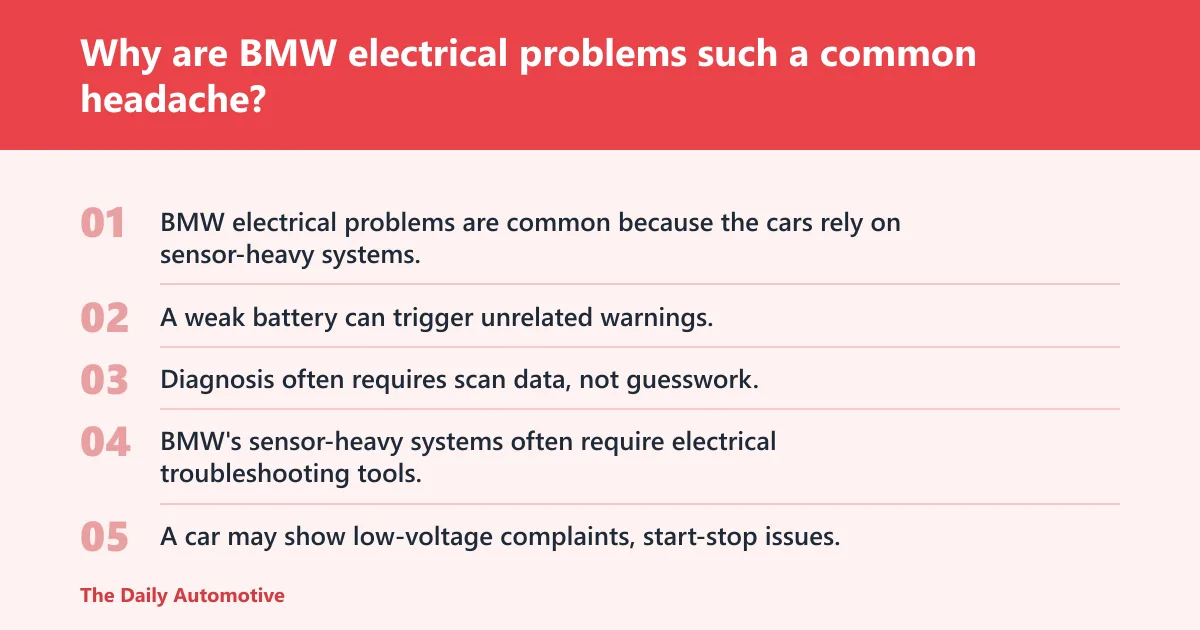
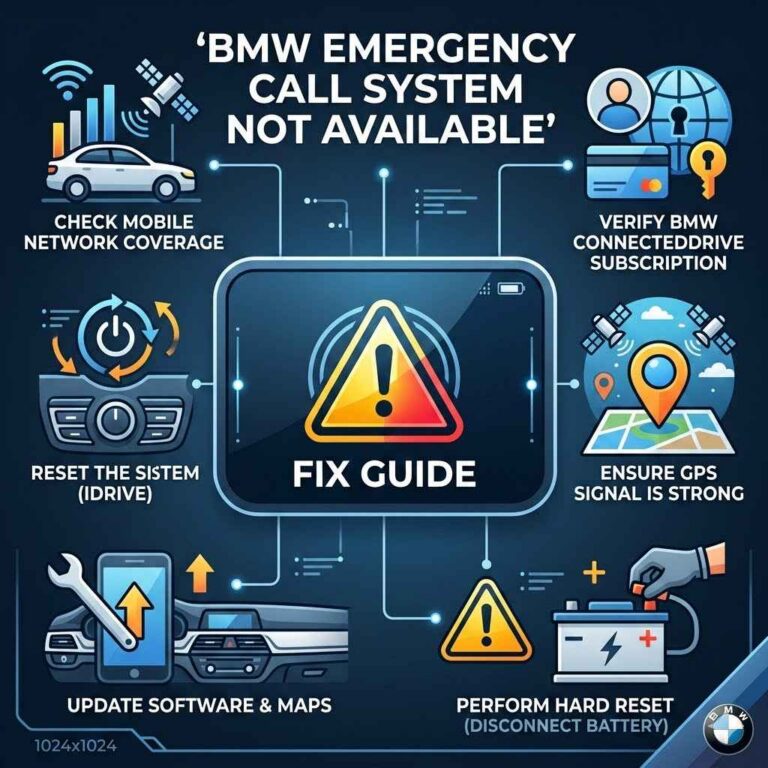
BMW electrical problems are common because the cars rely on sensor-heavy systems, multiple modules, and software checks that interact with each other. A weak battery can trigger unrelated warnings, and a single faulty module may create several symptoms at once. Diagnosis often requires scan data, not guesswork.
Sensor-heavy systems and battery drain
BMW’s sensor-heavy systems often require electrical troubleshooting tools, and battery drain can be part of the picture. A car may show low-voltage complaints, start-stop issues, or random warning lights even when the root cause is a failing battery, charging problem, or module that does not sleep correctly.
That is one reason “replace the obvious part” can waste money. The system may be reporting a symptom, not the cause.
Faulty modules, coding, and programming
Electrical modules can fail in ways that look mechanical. Window controls, climate functions, seat memory, parking sensors, or central locking can all trace back to modules, connectors, or software. Some replacement modules need coding or programming before the car accepts them.
That is a hard stop for many casual DIYers. A part swap is not always the end of the job.
iDrive and infotainment repair variables by generation
iDrive faults vary by generation because BMW changed display hardware, controllers, and media architecture over time. Older systems may fail in the controller or head unit, while newer systems can add display integration, programming requirements, and more communication points. Liquid damage is still a common threat because a spilled drink can reach switches and electronics.
How do age and model line change repair difficulty?
Age and platform can matter more than the badge itself. Older BMWs often feel simpler because they use less software-managed hardware, while newer cars increase the share of scan-tool work, coding, and module interaction. Used-car shoppers should judge the platform first and the maintenance history second.
Why some E-series and older BMWs feel simpler
E-series BMWs often give more working room and fewer software barriers than newer platforms. That makes many repairs more direct, especially for owners comfortable with hands-on maintenance. The parts still need the right tools, but the car is less likely to demand programming after every repair.
Older does not mean easy across the board. It means some jobs are less entangled with software and module communication.
Why newer BMWs often need more scan-tool work
Newer BMWs often tie service functions to the Integrated Service System, which tracks vehicle health and service timing. That means resets, calibration, and fault checking can become part of ordinary maintenance. A brake job or battery replacement may not be finished until the car sees the proper tool input.
How used-car shoppers can judge platform risk
Look at the generation, not just the model name. A cleaner-maintained older BMW with known service records may be easier to own than a newer one with missing history and scattered warning lights. The more modules, cameras, and software links the car uses, the more likely a repair will need scan-tool support.
For buyers planning DIY work, the best pick is usually the model with the easiest access, the fewest one-off electronics, and the strongest parts support.
DIY difficulty checklist: green, yellow, or red?
Use this checklist to judge a BMW repair before starting. Score each category, then total it. Low scores point to a home-friendly job, mid-range scores call for caution, and high scores usually mean the job belongs with a BMW specialist or a shop with full diagnostic support.
- Access score: 0 points if the part is open and visible; 1 point if minor trim removal is needed; 2 points if major disassembly is needed.
- Special-tool score: 0 points if hand tools are enough; 1 point if a torque wrench or common BMW bit is needed; 2 points if BMW diagnostic scanner, triple square, or bleeding tools are required.
- Coding or programming score: 0 points if nothing electronic changes; 1 point if a service reset is needed; 2 points if module coding or programming is required.
- One-time-use hardware score: 0 points if no stretch bolts or single-use fasteners are involved; 1 point if only a few seals or clips are needed; 2 points if many new bolts or torque-to-yield fasteners are required.
- Total the points: 0-3 is green, 4-6 is yellow, 7-8 is red.
| Total score | Color | Home mechanic guidance |
|---|---|---|
| 0-3 | Green | Reasonable DIY job with careful prep and proper torque specs |
| 4-6 | Yellow | Possible at home if you have scan tools, time, and a backup plan |
| 7-8 | Red | Better suited to a BMW specialist or an independent shop with coding capability |
Why are BMW parts and labor more expensive?
BMW parts and labor cost more because the jobs often take longer, require more specialized tools, and sometimes require coding, programming, or model-specific procedures after installation. BMW ownership costs can average up to $17,800 over ten years for maintenance, and some repairs reflect that complexity directly.
Parts access, labor time, and technical overhead
Labor is often expensive because access eats time. Removing trim, undertrays, intake parts, or cooling hardware before reaching the actual failed component adds hours. If the job also needs a BMW diagnostic scanner or a second procedure after assembly, the bill grows quickly.
Maintenance schedules still matter
BMW oil changes are listed at every 5,000 to 10,000 miles, and BMW brake pads are listed at every 20,000 to 60,000 miles. BMW maintenance should be performed on schedule because deferred service can cascade into larger repairs. The brand’s Integrated Service System tracks vehicle health and service timing, which is meant to help keep those intervals in view.
Can a regular mechanic service a BMW?
Yes, a regular mechanic can service a BMW if the shop has the right tools, access to repair data, and experience with the platform. Basic maintenance, brakes, tires, batteries, and some suspension work are often within reach. The key question is whether the job needs BMW-specific diagnostics or coding afterward.
When a general repair shop is enough
A capable independent shop can handle many BMW jobs, especially if the repair is mechanical and straightforward. Oil service, filters, belts, and some brake work do not automatically require a BMW-only specialist. The shop still needs correct torque procedures and the right fasteners.
When a BMW specialist is the better call
If the car has recurring fault codes, module communication issues, transmission complaints, or a cooling-system fault that keeps returning, a BMW-focused specialist is usually the safer choice. Those shops are more likely to know platform-specific patterns and have the scan tools to finish the job correctly.
What are the most common BMW repair challenges?
The most common BMW repair challenges are access, fasteners, diagnostics, cooling-system service, and electronics. Those five issues explain most of the frustration owners run into. They also explain why two BMW jobs that look similar on paper can feel completely different in the garage.
Common first-timer mistakes
Say your BMW throws a cooling fault and you replace the thermostat without checking the bleed procedure. The car may still overheat because air remains in the system. Or suppose an electrical warning appears and you swap the wrong sensor before reading codes; the warning may return because the real issue was voltage or a module fault.
Those mistakes are common because the symptoms can point in the wrong direction. The right sequence matters.
Frequently asked questions
Which BMW models are easiest to work on?
Older BMWs, especially simpler E-series cars and the E30 3 Series, are often easier to work on than newer models. They usually have more open access and less software dependence. Newer BMWs can still be maintained, but they ask for more diagnostic support.
Are BMW electrical problems common?
Yes, BMW electrical problems are a frequent headache because the cars rely on many sensors and modules. Battery drain, faulty modules, and coding-related issues can create several symptoms at once. iDrive and infotainment faults also vary by generation, which changes the repair approach.
Products related to this article
Sponsored / affiliate links. As an Amazon Associate I earn from qualifying purchases. I may earn additional commission from eligible campaigns.