Are Electric Car Charging Stations Free? What You Actually Pay
No, most electric car charging stations are not free. A small number of chargers at retailers, hotels, and workplaces offer free electricity as a perk, but the majority of public networks charge per kilowatt-hour or per minute, and DC fast charging in particular has gotten more expensive in recent years.
If you just bought or leased an EV, this matters more than it sounds. Free charging exists, but it is the exception, not the rule, and the “free” stations you do find are almost always the slower Level 2 kind rather than the fast chargers you would use on a road trip. Below is what you will actually pay in 2026, where the genuinely free chargers still are, and how home charging compares once you factor in the real cost of electricity.
Why Some EV Charging Is Free and Most Is Not
Cheapest Way to Charge
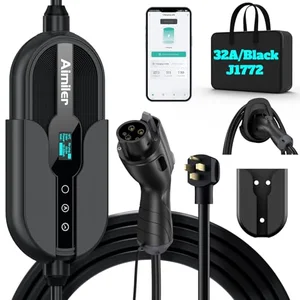 |
AIMILER Level 2 EV Charger – $179.99 Since home charging is almost always cheaper than paid public stations, a portable Level 2 charger lets you get 6x faster home charging without paying to install a hardwired unit.
|
Free charging almost always comes down to who is paying for the electricity, not the charger itself. Retailers like Kohl’s or Whole Foods, hotels, and some workplaces install Level 2 chargers as an amenity to draw in customers or employees, and they absorb the electricity cost the same way they would for parking or Wi-Fi. Some Tesla owners who bought or leased before 2017 still have legacy free unlimited Supercharging tied to their account, though this is not offered on new vehicles anymore.
Paid stations exist because someone has to cover the cost of the electricity, the hardware, and ongoing maintenance. Fast chargers in particular draw a lot of power and require expensive equipment, so networks like Electrify America, EVgo, and Tesla’s Supercharger network charge per kWh or per minute to stay in business. The faster the charger, the more likely you are to pay for it.
What Public EV Charging Actually Costs in 2026
Public charging prices vary by network, charger speed, and even the time of day, but a few general ranges hold true across most of the U.S. in 2026. Fast charging in particular costs more than it did a few years ago.
| Charging Type | Typical Cost | Where You Find It |
|---|---|---|
| Home Level 1/2 (your own outlet) | Your local electricity rate, often $0.10–$0.18/kWh | Your garage or driveway |
| Public Level 2 | $0.20–$0.40/kWh, or a flat hourly rate | Malls, garages, workplaces |
| DC fast charging | Roughly $0.30–$0.55/kWh depending on network and membership | Highway corridors, Electrify America, EVgo, Tesla Supercharger |
| Free chargers | $0 | Some retailers, hotels, workplaces, legacy Tesla accounts |
Tesla’s own Supercharger network tends to sit at the lower end of that fast-charging range, while Electrify America’s pay-as-you-go rate runs closer to the higher end, with its $4/month membership plan bringing the per-kWh price down meaningfully. Many networks also charge a per-minute idle fee if you leave your car plugged in after it finishes charging, so unplugging promptly can save you money on top of the charging rate itself.
Where to Actually Find Free EV Charging
Free charging spots do exist, they are just scattered and usually slower than a paid fast charger. Here is where drivers realistically still find them:
- Retail parking lots. Some Kohl’s, Whole Foods, and grocery store locations offer free or discounted Level 2 charging to bring shoppers in, though many of these programs have been scaled back or converted to paid over the past few years, so check an app like PlugShare before counting on one.
- Hotels. Many hotels offer free Level 2 charging to guests as an amenity, especially chains that installed chargers to compete for EV-driving travelers.
- Workplaces. A growing number of employers install chargers in the parking lot and let employees use them at no cost during the workday.
- Municipal and library lots. Some cities and public libraries have installed free or low-cost Level 2 chargers as part of local clean-air initiatives.
- Legacy Tesla accounts. Owners who bought certain Tesla models before free unlimited Supercharging was discontinued in 2017 may still have it attached to their car.
The catch with almost all of these is charging speed. Free Level 2 chargers typically add somewhere around 20–30 miles of range per hour, which is fine while you shop or sleep at a hotel but not realistic for a quick top-up on a road trip, where you will almost always be paying for DC fast charging instead.
Home Charging vs. Public Charging: Which Costs Less
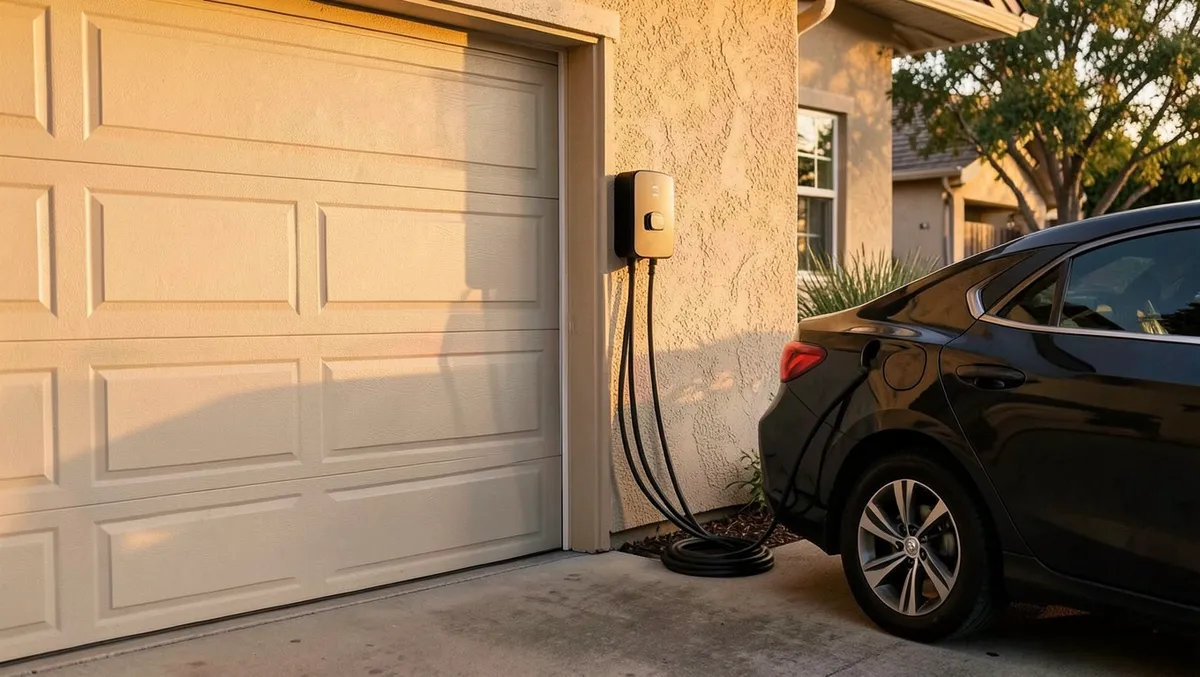
Home charging is almost always the cheapest option available to an EV owner. You are paying your utility’s residential electricity rate rather than a network’s marked-up commercial rate, there are no membership or idle fees, and many utilities offer discounted overnight rates specifically for EV charging. Installing a home Level 2 charging station typically costs $1,000–$3,000 upfront including hardware and electrician labor, but it pays for itself over time for anyone who drives regularly and can charge overnight.
Public charging still has its place. It is the only realistic option for renters and apartment dwellers without dedicated parking, and it is necessary for any trip that takes you past your car’s range. The most cost-effective approach for most drivers is to treat home charging as the daily default and public fast charging as the tool you reach for on longer trips.
Government Incentives for EV Charging in 2026
The incentive landscape changed significantly in the second half of 2025, so older articles on this topic may be out of date. The federal purchase tax credit of up to $7,500 for new EVs (and up to $4,000 for used EVs) ended for vehicles acquired after September 30, 2025, and is no longer available. What does remain, as of this writing, is the federal tax credit for installing a home EV charger: it covers 30% of equipment and installation costs, up to $1,000 per charging port, for qualifying installations at a primary residence. Because eligibility rules and end dates can change with new legislation, confirm the current status directly with the IRS or a tax professional before you install a charger and count on the credit.
On the infrastructure side, the federal National Electric Vehicle Infrastructure (NEVI) program continues to fund the buildout of fast chargers along major highway corridors through state transportation departments, though its rollout has been slower and more uneven than originally planned. Many states also run their own separate rebate or grant programs for both home chargers and public charging infrastructure, and these vary widely, so check your state energy office or utility for what is currently available where you live.
Tips to Lower Your EV Charging Costs
- Charge at home overnight when possible. Many utilities offer lower off-peak electricity rates in the late evening and overnight, and some have EV-specific time-of-use plans that make home charging even cheaper.
- Compare network membership plans. If you charge on a specific fast-charging network regularly, a monthly membership (like Electrify America’s Pass+) can lower your per-kWh rate enough to pay for itself quickly.
- Use an app to check prices first. Apps like PlugShare and ChargeHub show live pricing and let other drivers flag stations that are broken, blocked, or no longer free before you drive there.
- Unplug promptly once charged. Several networks charge an idle fee per minute once your car reaches a full charge and stays connected, so setting a reminder can avoid an unnecessary charge.
- Match the charger to the trip. Use slower, cheaper Level 2 charging for routine errands and save DC fast charging, which costs the most per kWh, for when you actually need the speed.
Frequently Asked Questions
How Much Does It Cost to Charge an Electric Car at Target?
Target does not run its own charging network, but many Target locations host chargers from third-party networks like Tesla, Electrify America, or ChargePoint in the parking lot. Pricing follows that network’s normal rates rather than a special Target rate, so a station at a Target could run anywhere from around $0.20/kWh for Level 2 to $0.30–$0.55/kWh for DC fast charging. Check the charger’s own app or screen for the exact price at that location.
Do You Have to Pay to Charge Your Electric Car at a Gas Station?
Almost always, yes. Chargers installed at gas stations and travel centers are typically fast chargers from networks such as Electrify America or EVgo, and these are paid, not free. You will pay through the network’s app, a tap-to-pay card reader, or a membership account, and the rate is the same DC fast-charging rate you would find at that network’s stations anywhere else.
How Much Does It Cost to Charge an Electric Car at a Public Charging Station?
Public Level 2 charging generally runs $0.20–$0.40 per kWh or a flat hourly rate, while DC fast charging typically costs $0.30–$0.55 per kWh depending on the network and whether you have a membership plan. Some stations also add a per-minute idle fee if your car stays plugged in after it finishes charging. Prices vary by network and location, so it is worth checking the station’s app before you plug in.
Do You Have to Pay for Electric Car Charging?
In most cases, yes. Free charging exists at some retailers, hotels, workplaces, and municipal lots, but the majority of public charging, especially DC fast charging, comes with a per-kWh or per-minute fee. Charging at home is not free either, but it usually costs less than public charging since you are paying your own electricity rate instead of a network’s commercial rate.
Conclusion
Free EV charging stations are real, but they are the exception rather than the norm, and the ones that exist tend to be slower Level 2 chargers at retailers, hotels, and workplaces rather than the fast chargers most drivers rely on for road trips. Public fast charging in 2026 typically runs $0.30–$0.55 per kWh depending on the network, and home charging remains the cheapest way to keep an EV topped up day to day.
Before you count on a specific incentive or a specific “free” charger, double-check its current status. Federal purchase tax credits for new and used EVs ended after September 30, 2025, but the home charger installation credit and various state programs may still apply, and free charging spots do get discontinued or converted to paid over time. An app that shows live pricing and station status is the simplest way to avoid a surprise at the plug.
Products related to this article
Sponsored / affiliate links. As an Amazon Associate I earn from qualifying purchases. I may earn additional commission from eligible campaigns.