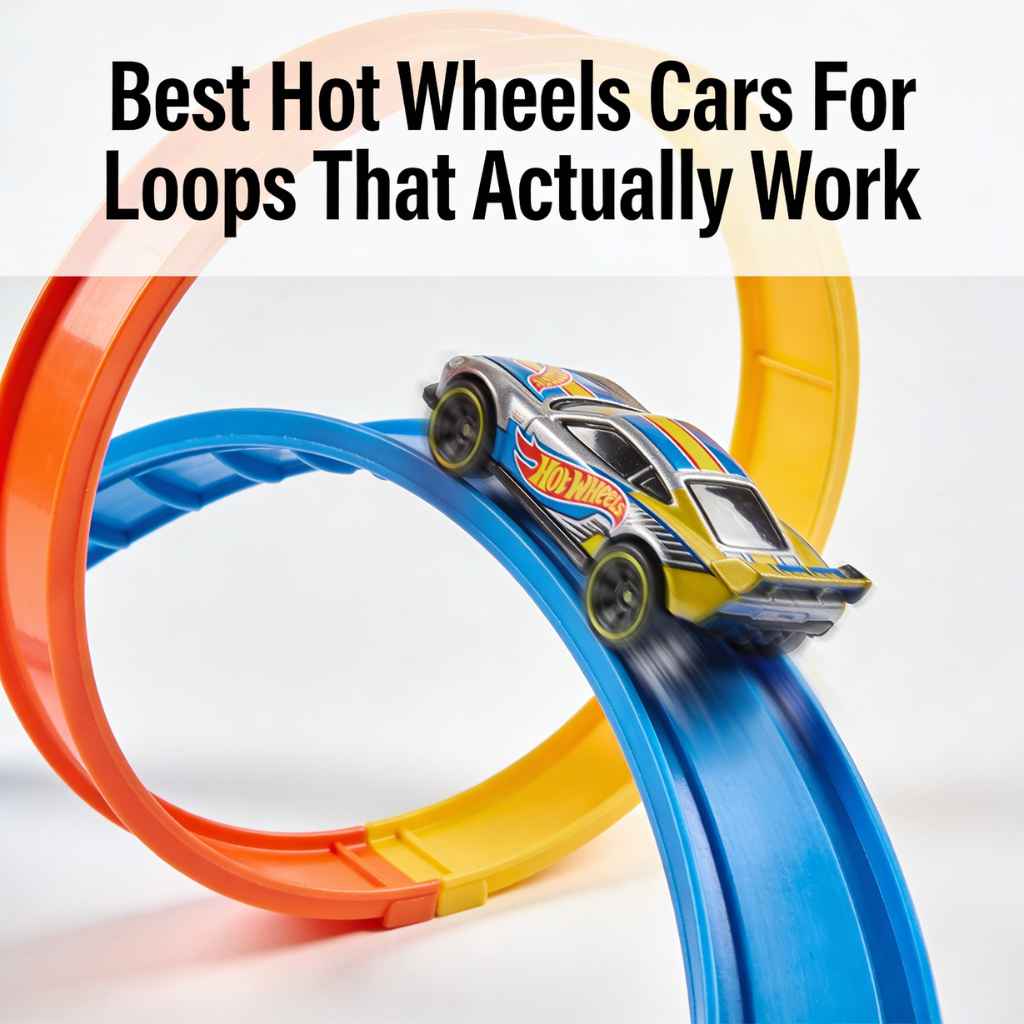
Best Hot Wheels Cars For Loops That Actually Work
Picking the right Hot Wheels car for your loop tracks can feel tricky. You want cars that zoom through those curves and jumps without getting stuck. Many beginners find this a bit confusing because not every car is made for speed and gravity-defying stunts.
But don’t worry! Finding the Best Hot Wheels Cars for Loops That Actually Work is simpler than you think. We’ll walk you through it step-by-step to get your races going smoothly.
Choosing Hot Wheels Cars for Loops
Selecting cars that perform well on Hot Wheels tracks, especially those with loops, is key to a fun experience. It’s not just about having a cool-looking car; it’s about its design, weight, and how it rolls. Cars built for speed and stability often have specific features that help them maintain momentum and balance through challenging track sections.
This section will explore the fundamental qualities that make a Hot Wheels car a loop champion.
Weight Distribution and Aerodynamics
The way a car is weighted makes a big difference when it’s going fast. A car that’s too light might fly off the track during a loop. A car that’s too heavy might not have enough speed to get through.
Good weight distribution means the car stays planted on the track. Aerodynamics also plays a part. Cars with smooth, sleek bodies can cut through the air better, helping them maintain speed.
Think about a sports car versus a bulky truck. The sports car is usually designed to be light and aerodynamic, which is why it’s good at going fast and handling turns. Hot Wheels designers consider these same principles.
They use lightweight metals and plastics. They also shape the cars to reduce wind resistance. This is important when the car is moving at high speeds on a track.
- Low Profile Designs: Cars that are closer to the ground often have better stability. This helps them stay on the track when they hit curves or bumps.
- Streamlined Bodies: Cars with fewer sharp edges and a smoother shape can move faster through the air. This reduces drag, allowing them to maintain their speed for longer.
- Balanced Weight: Cars with their weight spread evenly from front to back and side to side are less likely to tip over. This balance is crucial for navigating loops and other track elements.
- Wheel and Axle Quality: The wheels need to spin freely and straight. Good quality axles ensure the wheels don’t wobble, which could cause the car to lose speed or go off course.
Wheel Size and Type
The wheels on a Hot Wheels car are very important for its performance on the track. Smaller wheels can sometimes mean quicker acceleration, but larger wheels can offer better stability at high speeds. The type of material the wheels are made from also matters.
Some materials might grip the track better, while others might roll more smoothly.
Hot Wheels cars often come with plastic wheels, which are lightweight and allow for fast rolling. However, some premium lines might feature rubber tires. Rubber tires can provide better traction.
This can be helpful on certain types of track pieces, like inclines or turns where grip is essential. For loops, a smooth, consistent roll is usually more important than aggressive grip.
- Wheel Diameter: A slightly larger wheel diameter can help a car maintain momentum through the loop because it covers more distance with each rotation.
- Wheel Width: Wider wheels might offer more stability, but they can also increase friction. A good balance is usually found with medium-width wheels.
- Axle Straightness: The axles connecting the wheels must be perfectly straight. Any bend in an axle will cause the car to pull to one side or wobble, killing its speed.
- Bearing Quality: While Hot Wheels cars don’t have actual bearings, the point where the axle goes through the car body acts like one. A smooth, well-lubricated connection allows the wheels to spin with minimal resistance.
Common Materials and Construction
Most Hot Wheels cars are made from a combination of die-cast metal for the body and plastic for the base and wheels. This mix of materials is chosen for durability and cost-effectiveness. The die-cast metal provides a good weight.
The plastic parts keep the car light and allow for detailed designs.
The way these parts are put together also matters. A solid connection between the metal body and the plastic base ensures the car is sturdy. This sturdiness is vital for withstanding the forces encountered on a race track, especially during high-speed maneuvers and impacts.
A well-constructed car will perform more consistently over time.
- Die-Cast Metal Body: This gives the car its weight and a premium feel. It also helps the car withstand impacts without deforming easily.
- Plastic Chassis and Interior: These parts are lighter than metal and allow for intricate details like seats and dashboards. They also contribute to the overall balance of the car.
- Secure Assembly: The rivets that hold the body to the chassis must be tight. Loose rivets can cause parts to rattle or misalign, affecting performance.
- Paint and Finish: While not directly performance-related, a smooth paint job can slightly reduce air resistance compared to a rough surface.
Best Hot Wheels Cars for Loops That Actually Work
When you’re looking for the Best Hot Wheels Cars for Loops That Actually Work, certain models and styles consistently perform better. These cars are often designed with speed and track performance in mind. They tend to have features that allow them to maintain momentum and stability through the challenging inclines, drops, and circular tracks that Hot Wheels is famous for.
This section will highlight specific types of vehicles and features that make them loop-ready.
Aerodynamic Sports Cars and Racers
Sports cars and race cars are often built with speed and performance as their primary goals. This translates well to Hot Wheels tracks. Their low profiles and sleek designs help them slice through the air and hug the curves of a loop.
These cars typically have good weight balance, which is crucial for staying on the track.
The shape of these vehicles is designed to minimize drag. This means less resistance from the air as they speed along. When a car is moving at the speeds Hot Wheels cars reach on a track, even small amounts of drag can slow them down.
A well-designed sports car can maintain its velocity more effectively. This allows it to complete loops and other stunts successfully.
- Low Ground Clearance: Cars that sit close to the track are less likely to bounce or tip. This low stance provides excellent stability, especially during high-speed turns and loops.
- Smooth, Wedge-Shaped Bodies: These shapes are excellent for aerodynamics. They help the car move smoothly through the air, reducing resistance and maintaining speed.
- Lightweight Construction: Many sports cars and racers are made from lighter materials or have less bulk. This allows them to achieve higher speeds more easily.
- Wide Wheelbase: A wider stance from side to side offers more stability. This helps prevent the car from easily tipping over, which is a common problem on loops.
Formula 1 and Open-Wheel Racers
Formula 1 cars and other open-wheel racers are iconic for their speed and advanced engineering. Their designs are optimized for aerodynamics and stability at extreme speeds. These characteristics make them natural contenders for Hot Wheels loops.
The distinctive shape of an F1 car, with its large wings and low profile, is all about controlling airflow. While full-size F1 cars use aerodynamics to create downforce, Hot Wheels versions benefit from their streamlined shapes and low centers of gravity. This helps them hug the track and maintain speed, making them excellent choices for loop challenges.
- Low Center of Gravity: Their design keeps the weight very low to the ground. This significantly reduces the chance of the car flipping or losing stability on a loop.
- Aerodynamic Wings: While not functional for downforce at Hot Wheels speeds, the wing shapes can contribute to smoother airflow over the car’s body.
- Narrow Body Profile: Their slim bodies help them pass through tight sections of track without snagging. This is beneficial in complex track layouts.
- Large Rear Wheels: Often, these cars have larger rear wheels. This can help them drive forward with more consistent momentum, especially when exiting a loop.
Muscle Cars with Balanced Weight
Some muscle cars, despite their reputation for power, can also be great for loops if they have a balanced design. It’s not just about raw speed but how that speed is delivered and controlled. Muscle cars often have a good, solid feel, and when their weight is distributed well, they can handle the forces of a loop effectively.
The key for muscle cars is often their wheelbase and how their weight is centered. Cars that are too front-heavy or rear-heavy might struggle. When a muscle car has a more even weight distribution, its solid construction can help it push through loops with authority.
Look for models that appear more grounded rather than tall and top-heavy.
- Sturdy Construction: Muscle cars are often built with robust metal bodies. This solid construction can help them maintain their shape and integrity on demanding tracks.
- Good Wheelbase Length: A longer wheelbase often provides better stability, preventing the car from feeling twitchy or unstable during rapid movements.
- Lowered Suspension Models: Some muscle car models are designed with a lower profile, mimicking performance modifications. These are usually better suited for track performance.
- Classic Shapes: Familiar classic muscle car shapes can be excellent performers if they have a balanced look and feel, suggesting good weight distribution.
Specific Car Series Known for Performance
Certain Hot Wheels series are specifically designed with collectors and performance in mind. These lines often feature cars with upgraded wheels, better weight balance, and more aerodynamic shapes. Collectors and racers often find that cars from these series are excellent performers right out of the package.
Examples include series like the “Speed Machines” or “Track Stars.” These lines often feature more detailed models and sometimes even feature rubber tires for improved grip. Even without rubber tires, the careful selection of vehicles within these series means they are more likely to be engineered for speed and stability on the track. They represent a curated selection of models that have proven their mettle.
- Track Stars Series: Cars in this series are explicitly marketed for their track performance. They are often chosen for their ability to handle curves and speed challenges.
- Mainline Premium Releases: Sometimes, premium versions of popular mainline cars are released. These often have improved details and better-performing wheels.
- Original Designs: Hot Wheels’ original concept cars are often designed with performance in mind. Their futuristic or racing-inspired looks frequently translate to good track behavior.
- Team Transports/Bags: While these are sets, the cars included are often selected for their classic racing appeal and can be great performers.
Testing and Tuning Your Hot Wheels Cars
Once you have a collection of potential loop stars, testing them is crucial. Not all cars that look good will perform well. You need to see how they actually handle the track.
This involves running them through the loop multiple times and observing their behavior. Slight adjustments can sometimes make a big difference.
Tuning your cars involves a few simple checks and potential minor fixes. The goal is to ensure the wheels spin freely and the car is as straight and balanced as possible. Even small imperfections can cause a car to fail on a loop.
By paying attention to the details, you can optimize your cars for peak performance on any Hot Wheels track.
Visual Inspection for Damage
Before even putting a car on the track, give it a good look. Check for any obvious signs of damage. Dents in the body, bent axles, or wobbly wheels can all cause performance issues.
Even minor cosmetic damage can sometimes indicate underlying problems that affect how the car rolls.
A quick visual check can save you time and frustration. If a car looks off, it probably is. Look closely at the wheels and axles.
Are they bent? Do the wheels spin freely? Is the body scratched or warped in a way that might catch on the track?
Addressing these issues early is much easier than trying to fix them after repeated failures.
- Bent Axles: Look down the length of the axles. If they appear curved, the car will likely pull to one side or wobble, hindering its speed and stability on loops.
- Wobbly Wheels: Spin each wheel and watch it closely. If it wobbles side-to-side, the axle might be bent or the wheel itself might be deformed.
- Body Damage: Check for any significant dents or scratches, especially on the underside or edges of the car. These can cause friction or snagging on the track.
- Loose Parts: Ensure the body is securely attached to the chassis. Any rattling or loose components can indicate a problem.
Checking Wheel Spin and Axle Alignment
The most critical part of a Hot Wheels car for track performance is its wheels and how they spin. Each wheel should spin freely without any resistance. The axles must be perfectly straight and aligned so that the wheels roll smoothly without wobbling.
This is where many performance issues arise.
You can test this by gently pushing the car across a smooth surface. It should glide easily. If you feel any dragging or hear grinding sounds, there’s a problem.
For axles, you can try rolling the car on its side. The wheels should spin evenly without any jerky movements.
- Free Spin Test: Lift each wheel slightly off the surface and spin it with your finger. It should rotate smoothly for several seconds without stopping abruptly or feeling tight.
- Straight Axle Roll Test: Place the car on its side and gently push it forward. The wheels should rotate in a straight line without visibly wobbling or veering.
- Axle Straightness Check: Look at the axles from the front and back of the car. They should be parallel to each other and perpendicular to the car’s body.
- Wheel Perpendicularity: Ensure the wheels are mounted straight on the axles. If a wheel leans inward or outward, it will cause drag and affect stability.
Simple Adjustments for Better Performance
Sometimes, a car that’s a bit sluggish can be improved with simple adjustments. The most common fix is to ensure the wheels are spinning as freely as possible. You might be able to gently bend slightly crooked axles back into shape.
Sometimes, very lightly sanding down a rough edge on a wheel can also help.
For cars that seem a bit slow, you can sometimes improve their speed by making sure the wheels have as little friction as possible. Tiny bits of dust or debris in the axle holes can slow a car down. A quick clean can sometimes yield surprising results.
Remember, these are small tweaks, not major modifications, to get the most out of your Hot Wheels.
- Lubrication (Optional and Careful): Some experienced enthusiasts might use a tiny drop of graphite lubricant where the axle meets the plastic base. This should be done very sparingly, as too much can attract dirt.
- Axle Straightening: If an axle is slightly bent, you can sometimes gently bend it back into place using pliers. Be very careful not to over-bend or break it.
- Wheel Trimming (Advanced): Very rarely, a tiny burr on a wheel edge can be filed down carefully with fine-grit sandpaper. This is for advanced users and requires precision.
- Cleaning Axle Holes: Use a small brush or a toothpick to carefully clean out any dust or debris from the holes where the axles pass through the car’s base.
Popular Hot Wheels Cars for Loops
Many Hot Wheels cars have become favorites among fans for their loop-performing capabilities. These are not just random picks; they often share design traits that make them excel on the track. This section lists some types of cars that are consistently recommended and why they earn that reputation.
Finding these models can give you a head start in building your ultimate loop-racing collection.
The Lamborghini Aventador Series
Lamborghini Aventador models in Hot Wheels are frequently cited as excellent loop performers. Their aggressive, aerodynamic design is based on a real-world supercar built for speed and stability. This translates impressively well to the Hot Wheels track environment.
The Aventador’s low, wide stance and sharp body lines are perfect for slicing through loops. They typically have well-balanced weight, allowing them to maintain momentum without losing grip. Many collectors find that even basic mainline Aventador castings are ready for serious track action right out of the package.
- Aerodynamic Styling: The real Aventador’s design prioritizes airflow management. Hot Wheels castings capture this, leading to cars that move smoothly and quickly.
- Low Profile: These cars sit very close to the track, providing maximum stability and reducing the chance of them jumping off during a loop.
- Solid Weight Balance: Aventador models usually feel well-balanced, neither too front-heavy nor too rear-heavy, which is ideal for consistent performance.
- Iconic Design: Their recognizable supercar shape makes them not only great performers but also visually appealing additions to any track setup.
The Porsche 911 GT3 Series
The Porsche 911 GT3 is another vehicle that consistently performs well in Hot Wheels loops. Like the Aventador, its real-world design is focused on racing and track performance. This engineering focus is evident in its Hot Wheels counterparts.
The GT3 often features a slightly more compact profile than some other supercars, which can be advantageous on tighter tracks. Its balanced proportions and known stability make it a reliable choice for completing loops. Many variations of the 911 GT3 exist, and most are good bets for track fun.
- Racing Heritage: The Porsche 911 GT3 has a long history in motorsports, meaning its design is inherently geared towards performance and handling.
- Balanced Proportions: These cars tend to have a well-proportioned body and chassis, contributing to a stable center of gravity.
- Consistent Wheelbase: The wheelbase on most 911 GT3 castings is effective for stability, helping it grip the track through turns and loops.
- Varied Castings: Over the years, Hot Wheels has produced many versions of the 911 GT3, with most maintaining a high standard of track performance.
The Nissan GT-R Series
The Nissan GT-R, often nicknamed “Godzilla,” is famous for its incredible speed and handling capabilities. Hot Wheels models of the GT-R are frequently among the best performers on the track, especially when it comes to loops and other speed challenges.
The GT-R’s design incorporates advanced aerodynamics and a robust build. These features translate into cars that can handle high speeds and G-forces without faltering. Their weight distribution is usually spot-on for maintaining momentum through the most demanding track sections.
- Advanced Aerodynamics: The GT-R’s design includes elements that manage airflow efficiently, aiding its speed and stability on the track.
- Strong Chassis Design: The solid construction of the GT-R often means a sturdy chassis that can withstand the stresses of high-speed racing.
- Good Weight Distribution: These cars typically have a nearly perfect balance, ensuring they remain grounded and predictable during loops.
- Powerful Look: Their aggressive, powerful appearance is matched by their performance, making them a fan favorite for both collecting and racing.
The ’67 Camaro Series
While it might seem like a classic car wouldn’t be ideal, certain muscle car castings, like the 1967 Camaro, can be surprisingly good on Hot Wheels tracks. Their charm lies in their solid build and, in some cases, a surprisingly balanced weight when represented in die-cast form.
The key is finding models of the ’67 Camaro that have a slightly lower profile or are depicted with a more performance-oriented stance. While not as inherently aerodynamic as modern sports cars, their sturdy construction and predictable weight can help them power through loops. It’s about finding those specific castings that have been designed with track performance in mind.
- Classic Muscle Power: These cars embody a powerful, grounded feel that can translate to good momentum on the track.
- Solid Metal Construction: Their die-cast bodies are often substantial, providing a stable weight that helps them stay on track.
- Performance-Oriented Castings: Some ’67 Camaro models are designed with a slightly lower profile or wider stance, enhancing their track suitability.
- Timeless Appeal: Beyond performance, these cars offer a nostalgic charm that makes them popular choices for any Hot Wheels collection.
Frequently Asked Questions
Question: What makes a Hot Wheels car good for loops?
Answer: Cars that are good for loops usually have a low center of gravity, good weight balance, and smooth, free-rolling wheels. Aerodynamic shapes also help them maintain speed and stability.
Question: Are premium Hot Wheels cars better for loops than mainline ones?
Answer: Not always. While premium cars might have better details or rubber tires, many mainline cars are designed specifically for track performance and work just as well or better.
Question: How can I tell if a Hot Wheels car is too light for a loop?
Answer: If a car consistently flies off the track or doesn’t have enough momentum to complete the loop, it might be too light. Cars that feel flimsy or pop up easily can also be indicators.
Question: Should I buy cars with rubber tires for loops?
Answer: Rubber tires can provide better grip, which is helpful on some track elements like inclines. However, for basic loops, smooth-rolling plastic wheels often provide less friction and better speed.
Question: What if my favorite car doesn’t work on the loop?
Answer: Don’t worry! Not every car is a loop champion. Focus on cars known for speed and stability, and test them out.
You can always enjoy your favorite cars for display or regular play.
Summary
Finding the Best Hot Wheels Cars for Loops That Actually Work involves looking for cars with good weight balance, smooth-rolling wheels, and aerodynamic shapes. Sports cars, F1 racers, and certain muscle cars often excel. Always check your cars for damage and ensure their wheels spin freely.
Simple adjustments can often optimize performance. Happy racing!