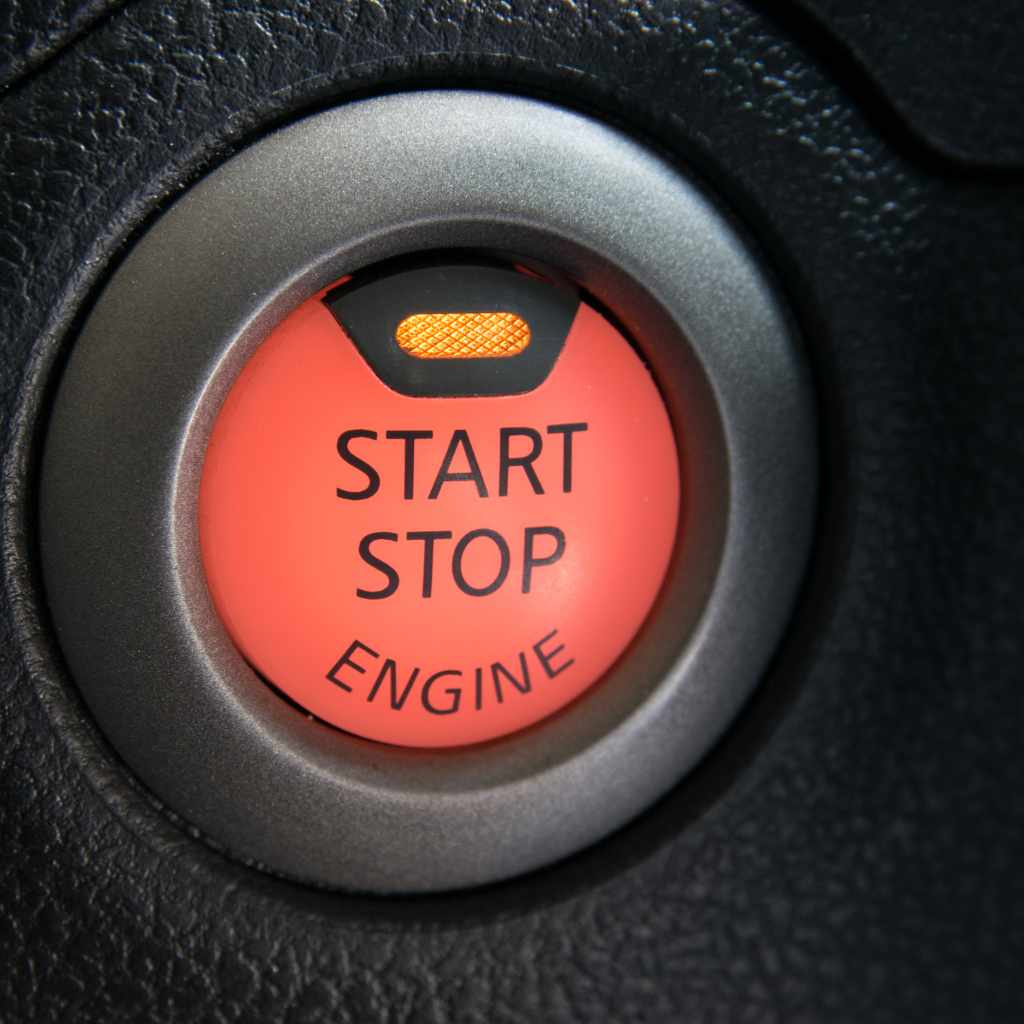
Can Anti-Theft Stop a Car From Starting?
Many people wonder, Can Anti-Theft Stop a Car From Starting? It’s a common question, especially if you’re new to car security or have just experienced a strange issue with your vehicle. Figuring out why your car won’t turn over can be confusing.
Don’t worry, though! We’re going to break down exactly how anti-theft systems work and answer your question clearly. Get ready to learn what’s happening behind the scenes when your car won’t start.
Can Anti-Theft Stop a Car From Starting? The Basics
When you turn the key in your car’s ignition, a lot happens very quickly. The engine needs fuel, spark, and air to start running. If any of these essential elements are missing, your car won’t start.
Anti-theft systems are designed to prevent your car from starting, or even being driven away, by interfering with these basic requirements. They are a vital part of keeping your vehicle safe from unauthorized use.
So, to answer the question directly Can Anti-Theft Stop a Car From Starting? Yes, absolutely. That’s precisely what they are made to do.
Think of them as a hidden guardian for your car. When the system is armed, it puts up a digital or physical barrier that prevents the car’s engine from firing up. This barrier can be quite clever, and understanding how it works can help you troubleshoot issues or simply give you peace of mind.
There are many types of anti-theft systems, and they operate in different ways. Some are built into the car from the factory by the manufacturer, while others are added on later as aftermarket accessories. Each has its own strengths and can pose a challenge to car thieves.
But sometimes, these systems can also cause problems for the rightful owner, leading to that common question: Can Anti-Theft Stop a Car From Starting? when it’s supposed to be yours.
How Do Car Anti-Theft Systems Work?
At their core, anti-theft systems are designed to immobilize your vehicle. This means they prevent the engine from starting or running. They achieve this by interrupting one or more of the critical components needed for combustion.
Let’s explore the common ways these systems work.
Immobilizer Systems
One of the most common and effective types of anti-theft technology is the immobilizer system. Most modern cars come with a factory-installed immobilizer. These systems use a transponder chip embedded in your car key or key fob.
When you try to start the car, the car’s computer (ECU) communicates with this chip.
Here’s a simple breakdown:
- The Key Chip: Your car key contains a small chip that is programmed with a unique code.
- The Receiver: Located in your car, typically near the ignition cylinder, is a receiver that reads the code from the key chip.
- The Communication: When you insert the key and turn it, the receiver tries to read the code. If the code matches what the car’s computer is expecting, the immobilizer is deactivated.
- The Immobilization: If the code doesn’t match, or if there’s no signal from the chip (e.g., the wrong key is used or the chip is damaged), the immobilizer system prevents the engine from starting.
How does it prevent the engine from starting? The immobilizer typically cuts off the fuel supply or the ignition spark. Without fuel or spark, the engine simply cannot ignite and run.
So, if your car cranks but won’t start, and you’re certain you’re using the correct key, the immobilizer is a prime suspect.
Alarms and Remote Starters
Car alarms and remote starters can also play a role in preventing a car from starting. While alarms are primarily for sounding a loud noise to deter thieves, some advanced systems can also include an engine immobilizer feature. This means that if the alarm is triggered, it can also prevent the car from being started.
Remote starters, on the other hand, are designed to start your car without a key. However, they must work in conjunction with the car’s anti-theft system. If a remote starter is installed improperly or if there’s a glitch, it might not be able to bypass the immobilizer correctly, leading to a no-start situation.
Kill Switches
Kill switches are a more basic form of anti-theft device, often installed as an aftermarket addition. They are essentially hidden switches that interrupt a critical electrical circuit necessary for the engine to run. Common circuits targeted are the fuel pump or the ignition coil.
The idea is that a thief wouldn’t know where the switch is hidden, thus preventing them from starting the car.
If you have a kill switch installed and forget where you put it, or if it gets accidentally flipped, your car will not start. This is a direct answer to Can Anti-Theft Stop a Car From Starting? if the switch is activated.
Steering Wheel Locks and Other Physical Deterrents
While not electronic, physical deterrents like steering wheel locks can also prevent a car from being driven away, effectively stopping it from “starting” its journey. These devices physically prevent the steering wheel from turning. They don’t stop the engine from starting, but they prevent the car from being driven, which is a similar outcome in terms of preventing unauthorized use.
Common Reasons Why An Anti-Theft System Might Prevent Starting
Even if you’re the rightful owner and using the correct key, an anti-theft system can sometimes cause a no-start condition. This can be frustrating, but it’s usually due to a few common issues.
Key Fob Battery Issues
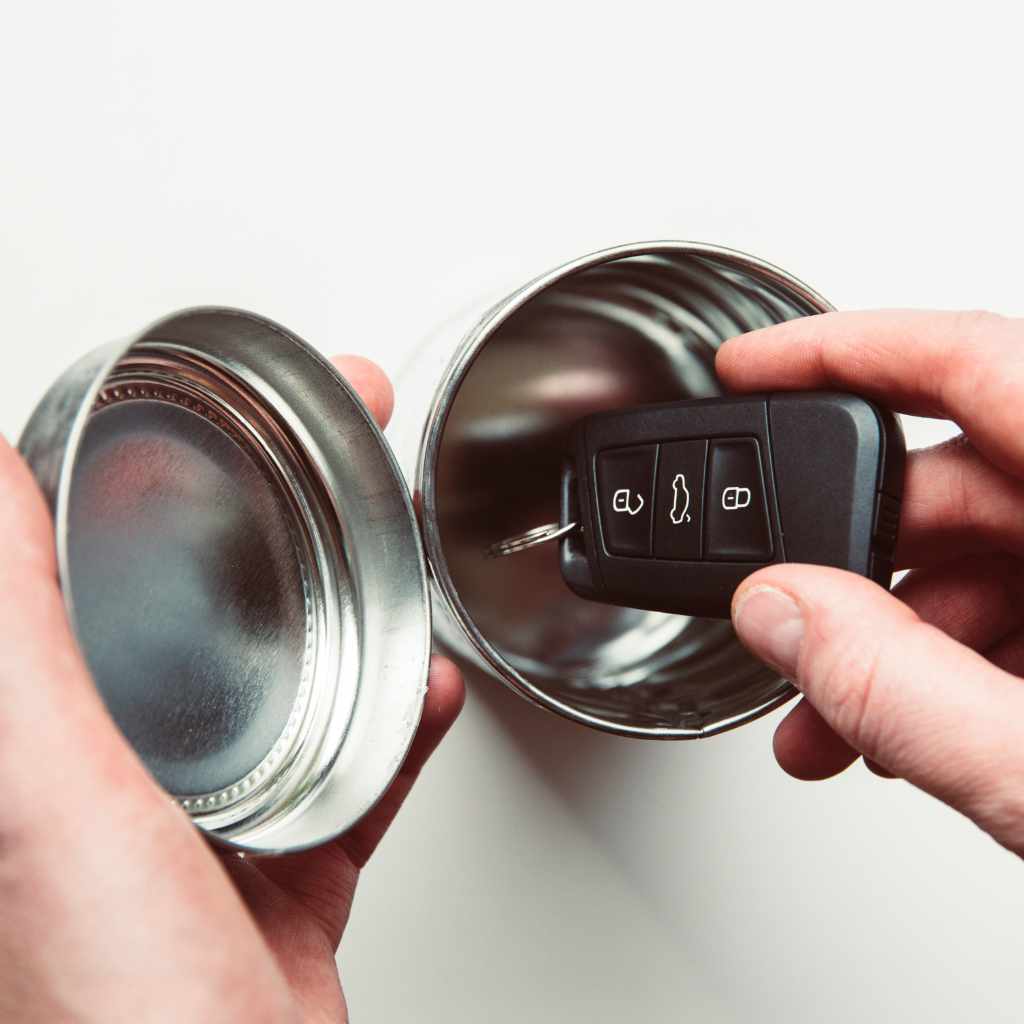
For keyless entry and start systems, the battery in your key fob powers the chip that communicates with the car. If the battery is low or dead, the car might not be able to read the key’s code, and the immobilizer will stay active. This is one of the simplest reasons and often the easiest to fix.
Many cars have a backup method for starting if the key fob battery dies. This often involves holding the key fob very close to the start button or placing it in a specific slot in the car. Check your car’s manual to see if yours has this feature.
Damaged Key Fob or Transponder Chip
The transponder chip inside your key fob can be damaged due to drops, water exposure, or general wear and tear. If the chip is damaged, it won’t be able to send the correct code to the car, and the immobilizer will prevent the engine from starting.
Similarly, the wiring or antenna that reads the key’s signal in the car could be damaged. This can happen due to accidents, poor installation of aftermarket parts, or just age.
Malfunctioning Immobilizer Control Module
The immobilizer system has its own control module, a small computer that manages the security functions. Like any electronic component, this module can fail. If it malfunctions, it might falsely believe there’s a security threat and keep the car from starting, even when presented with the correct key.
Aftermarket Alarm System Conflicts
If you have an aftermarket alarm system installed, it might conflict with the car’s factory immobilizer. This can happen if the systems aren’t installed perfectly or if they try to control the same engine functions. Sometimes, one system might actively prevent the other from working, leading to a no-start situation.
Low Car Battery Voltage
While not directly an anti-theft issue, a weak car battery can cause all sorts of electronic gremlins, including problems with the immobilizer system. Low voltage can prevent the immobilizer from communicating correctly with the key or the ECU, making the car think there’s a security issue. If your car battery is old or weak, it’s worth checking this first.
Issues with the Starter Motor or Fuel Pump
It’s important to remember that other car components are necessary for starting. If the anti-theft system is working perfectly, but the car still won’t start, the problem could be elsewhere. The starter motor needs to crank the engine, and the fuel pump needs to deliver fuel.
If either of these fails, the car won’t start, and it might be mistaken for an anti-theft issue.
Troubleshooting Steps: What To Do When Your Car Won’t Start
If you’re facing a no-start situation and suspect it might be your anti-theft system, here are some steps you can take.
Check The Basics First
Before assuming a complex security issue, rule out the simplest possibilities.
- Check the fuel gauge: Is there enough gas in the tank?
- Check the battery: Are the battery terminals clean and tight? Does the battery seem weak (dim lights, slow cranking)?
- Check the key fob battery: If your car has a push-button start, try replacing the battery in your key fob.
- Try a spare key: If you have a second key or key fob, try using that. This can help determine if the issue is with a specific key.
Understand Your Car’s Anti-Theft Indicator Light
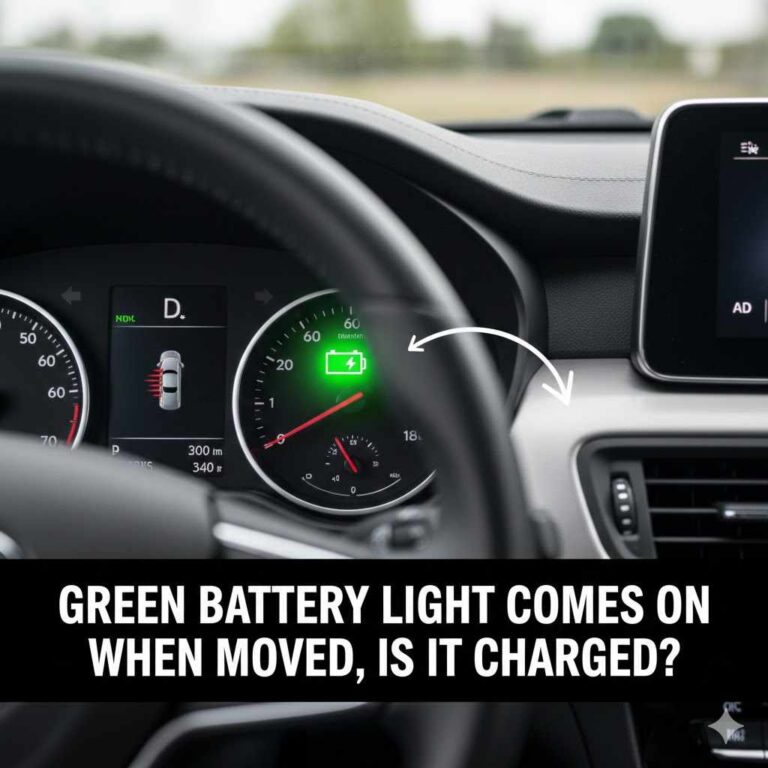
Many cars have a small dashboard light that indicates the status of the anti-theft system. This is often a small padlock symbol or a car icon with a lock. If this light is flashing rapidly or staying on constantly when you try to start the car, it’s a strong indicator that the immobilizer system is active and preventing startup.
Consult your car’s owner’s manual to understand what the specific flashing pattern or solid light means for your vehicle model. This can provide valuable clues.
Attempt a Reset Procedure
Some vehicles have a manual reset procedure for their immobilizer system. This often involves leaving the key in the ignition in the “ON” position (without starting the engine) for a specific amount of time, or performing a sequence of actions with the doors and ignition. Again, your owner’s manual is the best source for this information.
A common reset procedure involves simply waiting a few minutes with the key in the “ON” position after trying to start the car. This can sometimes allow the car’s computer to re-sync with the key.
Consider Factory vs. Aftermarket Systems
If your car has an aftermarket alarm or remote start, this is often the first place to look for problems. These systems can be more prone to glitches or incorrect installations than factory systems. If possible, try to temporarily disable the aftermarket system to see if the car will start.
When to Call a Professional
If you’ve gone through these steps and your car still won’t start, it’s likely time to call for professional help. This could be:
- Your car dealership: They have specialized diagnostic tools and knowledge of factory anti-theft systems.
- A trusted automotive locksmith: Many locksmiths specialize in car keys and security systems and can often diagnose and fix immobilizer issues, sometimes at a lower cost than the dealer.
- A reputable mechanic: A mechanic with experience in automotive electrical systems can also help diagnose the problem.
It’s important to describe the symptoms clearly to the professional, including what you’ve already tried. Mentioning the anti-theft indicator light is particularly helpful.
Can Anti-Theft Stop a Car From Starting Summary
The short answer to Can Anti-Theft Stop a Car From Starting? is a resounding yes. Anti-theft systems are explicitly designed to prevent a car from starting and being driven away by unauthorized individuals.
They achieve this by interrupting crucial engine functions like fuel delivery or ignition spark, usually by requiring a coded signal from a valid key or fob.
While these systems are excellent deterrents against theft, they can sometimes cause inconvenience for the car owner. Issues like dead key fob batteries, damaged key chips, or malfunctions in the immobilizer system itself can lead to a no-start situation. Understanding how these systems work and knowing basic troubleshooting steps, like checking the fob battery or trying a spare key, can often resolve minor issues.
However, for more complex problems involving the immobilizer module or conflicts with aftermarket alarms, professional assistance from a dealer, locksmith, or mechanic is typically required. The key is to approach the problem systematically, ruling out simple solutions before assuming a major fault. By being informed, you can better manage the security features of your vehicle and get back on the road faster.
Frequently Asked Questions
Question: Can a faulty car battery cause the anti-theft system to prevent my car from starting?
Answer: Yes, a weak or dead car battery can sometimes cause the anti-theft system to malfunction. Low voltage can interfere with the communication between the car’s computer, the key transponder, and the immobilizer module, leading it to believe there’s a security threat and preventing the car from starting.
Question: My anti-theft light is flashing rapidly. What does this mean?
Answer: A rapidly flashing anti-theft indicator light usually means that the vehicle’s immobilizer system is active and not recognizing the key or fob. It’s a clear sign that the anti-theft system is preventing the car from starting. Consult your owner’s manual for the specific meaning for your car model.
Question: How long does it take to fix an anti-theft system problem?
Answer: The time it takes to fix an anti-theft system problem can vary greatly. Simple issues like a dead key fob battery might take minutes to resolve. More complex issues, like a faulty immobilizer module or wiring problems, could take several hours of diagnosis and repair by a professional.
Question: Can I disable my car’s anti-theft system if it’s causing problems?
Answer: In most cases, disabling a factory-installed anti-theft system is not straightforward and often requires specialized tools and knowledge. Attempting to bypass it incorrectly could further damage the system or other vehicle electronics. It’s best to consult a professional for diagnosis and repair.
Question: What should I do if I lose my car key and my car has an anti-theft system?
Answer: If you lose your car key, especially with an anti-theft system, you’ll need to get a
Final Thoughts
It’s clear that anti-theft systems play a significant role in vehicle security, and they absolutely can stop a car from starting when they detect an unauthorized attempt or when they encounter an issue themselves. Understanding the basic workings of immobilizers, key transponders, and indicator lights can empower you to troubleshoot common problems. Always start with the simplest checks, like the key fob battery or trying a spare key, as these often resolve the issue quickly.
For more complex situations, remember that professional help is available and often necessary to get your car back in working order without causing further damage. Stay informed about your car’s specific security features by referring to your owner’s manual, and don’t hesitate to seek expert advice when needed.