How to Open a Car Key Fob: Fob Types, Tools and Safety Steps
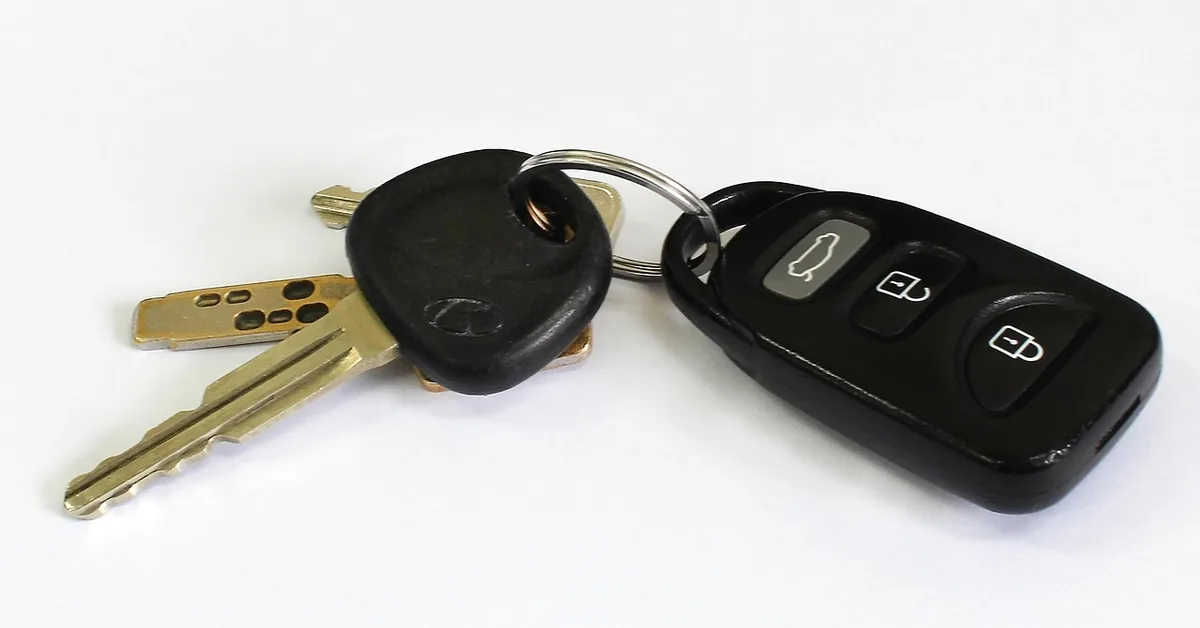
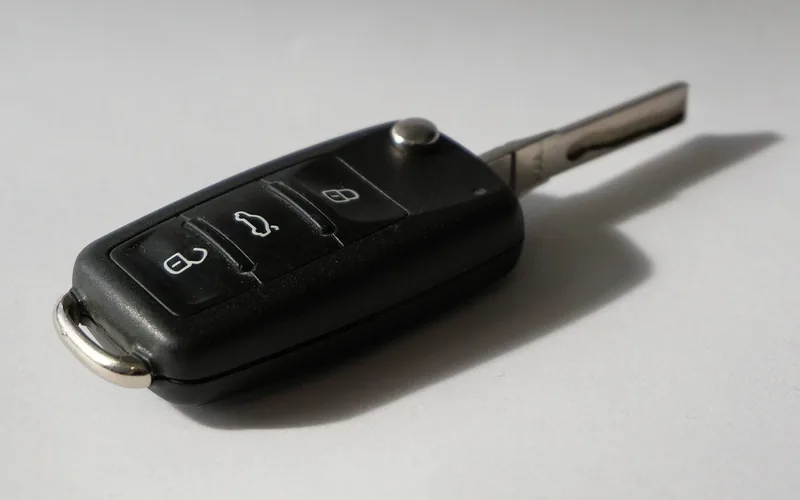
To open a car key fob, first remove the hidden mechanical key if it has one, then find the slot, seam or screw that holds the two halves together, and pry the halves apart gently with a thin plastic tool or a small flat blade wrapped in cloth. The halves are held by plastic clips with the circuit board right underneath, so do not force it. Below: how to tell your fob type, the right tool for each, what Honda, Chevrolet, Ford, Hyundai and Kia manuals say, and what to do if the fob misbehaves.
1) Pull out the emergency key if the fob has one. 2) Look for the slot where that key sat, a seam around the edge, or a tiny screw. 3) Pry gently with a plastic tool, or a flat blade wrapped in cloth. 4) Note the battery number printed on the old cell and the + side before you remove it. 5) Snap the halves shut and test every button.
Safety: the coin-style battery inside is a serious swallowing hazard for children. If a child may have swallowed one, call the National Battery Ingestion Hotline at 1-800-498-8666 or Poison Control at 1-800-222-1222 right away.
How to Open a Car Key Fob
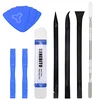
Best Plastic Fob Opening Tool Pick
|
STREBITO Spudger Pry Tool Kit, 11 Piece A low-cost set of thin plastic pry tools for popping the snap-fit halves of a key fob apart without a screwdriver.
As an Amazon Associate we earn from qualifying purchases. Price and availability change; check the listing. |
The method below works for most fobs; your manual has the exact steps for your car.
- Work over a soft surface. A folded cloth stops small parts and button pads from rolling away and protects the case from scratches.
- Release the emergency key. Smart keys usually hide a metal key blade. The Chevrolet Bolt EV manual says to press the button near the bottom of the transmitter and pull the key out, and warns never to pull it out without pressing the button.
- Find the opening point. It is usually the slot the key blade came out of, a small notch in the seam, or a screw under the key ring. Look before you pry.
- Pry with the right tool. Put a thin plastic tool, or a small flat blade wrapped in cloth, into the slot and twist gently. Honda’s manual says to wrap the tool in cloth to avoid scratching the remote.
- Work around the seam, not at one spot. Move the tool a little along the edge each time a clip lets go. Forcing one clip is how cases crack.
- Lift the halves apart slowly. Honda’s manual cautions to remove the cover carefully to avoid losing the buttons, so keep the fob face-up over your cloth.
Identify Your Fob Type First: Style, Opening Method, Tool and Risk
This table lines up the common fob styles with how they usually open, the tool that suits each one, and how much damage you risk. The risk column is our own judgment from how these designs are built, not a lab test, so treat it as guidance rather than a measured figure.
| Fob style | How it usually opens | Best tool | Risk of damage (our judgment) |
|---|---|---|---|
| Smart key with hidden emergency key (the Honda, Hyundai, Kia and Chevrolet manuals describe this) | Remove the key blade, then pry the case at the slot the blade left | Thin plastic pry tool, or a flat screwdriver wrapped in cloth | Medium: the slot is a natural lever point, but the clips around it are thin |
| Flip or switchblade key (folding blade) | Fold the blade out of the way, then pry at the seam, or remove a screw if one is fitted | Plastic pry tool; small Phillips driver if there is a screw | Medium: the hinge area is where cases crack |
| Plain push-button fob (older 3-button remote) | A notch in the seam at one end, or a battery door on the back | Plastic pry tool or the edge of a coin | Low to medium |
| Fob with a visible screw | Remove the screw first, then split the halves by hand or with light prying | Small precision screwdriver, then plastic tool | Low, but a stripped screw head makes it harder |
| Slide-off battery door | Press and slide the cover; no prying | Thumbnail | Low |
| Sealed fob with no visible slot or screw | May not be user-serviceable; check the manual | Do not pry blindly | High: a dealer or locksmith is the safer choice |
If you cannot tell which row your fob falls into, do not start prying. Read the section on keys in your owner’s manual, which lists the method for your model. For a comparison of how fobs differ from plain metal keys, see mechanical key vs remote key: which one to choose.
Tools That Work, and Tools to Avoid
- Thin plastic pry tools (spudgers): the safest choice for most fobs because plastic gives before the case does.
- A small flat screwdriver: Honda’s manual names a flat-tip screwdriver or key grip, wrapped in cloth, as the tool for its remote. The cloth is the important part.
- A coin: works on a fob that has a coin slot or a wide gap. A coin is blunt, so it is gentler than a blade, but it can slip.
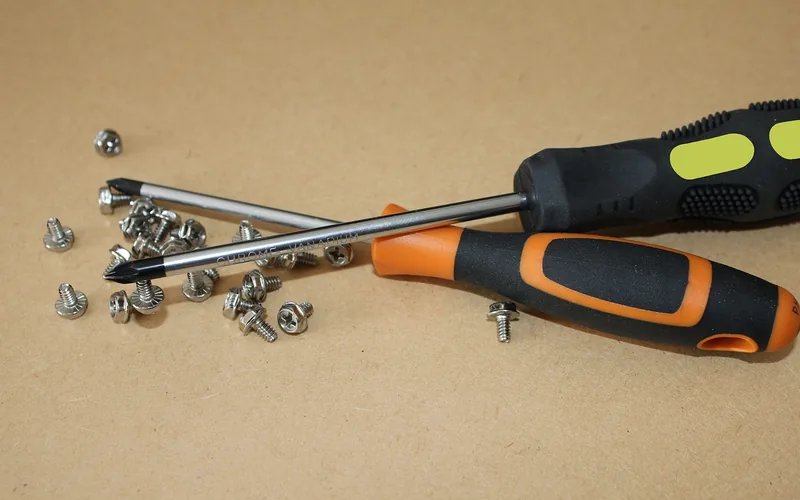
- Avoid knives and large screwdrivers: a slipped blade can crack the case or scratch the circuit board. Full-size screwdrivers like the ones in the photo below are too big for nearly every fob.
How to Change the Key Fob Battery
Once the fob is open, the battery swap is quick, but the details differ by model, so read the old cell before you remove it.
- Photograph the battery first. Note which side faces up. Chevrolet’s Bolt EV manual puts the positive side facing the back cover, and other manuals differ, so never assume.
- Read the number printed on the battery. The manuals we read give CR2032 for the Honda HR-V, the 2017 Chevrolet Bolt EV and one Kia manual, and CR2450 for the Hyundai smart key manual. Ford’s support page says only that its fob uses a coin-type three-volt lithium battery, so check your own manual. The numbers follow a standard code: the first two digits are the diameter in millimetres and the last two the thickness in tenths of a millimetre, which is why a CR2032 and a CR2450 are not interchangeable.
- Do not mix sizes. Kia’s manual warns that using the wrong battery can cause the smart key to malfunction, and Hyundai’s warns that an improperly positioned battery can drain and cause key failure.
- Slide the old cell out, handle the new one by the edges. Chevrolet’s manual says to remove the battery by pushing on it and sliding it toward the bottom of the transmitter.
- Leave factory grease alone. Ford’s support page says not to wipe off any grease on the battery terminals or on the back surface of the circuit board.
- Seat the new battery, then close the case. Push the battery down until it is held in place, then snap the halves together.
Replacing the battery should not break the fob’s pairing. Ford’s support page states that replacing the battery does not erase the programmed key from the vehicle. If you want to compare replacement cells, see best key fob batteries for daily drivers.
What the Owner’s Manuals Say: Brand Examples
These are examples only; one model’s steps do not apply to every model of a brand.
| Brand and source | Opening method | Battery | Notable instruction |
|---|---|---|---|
| Honda (2023 HR-V owner’s manual) | Remove the built-in key, wrap a key grip or flat-tip screwdriver in cloth, pry the upper half of the cover off at the slot | CR2032 | Replace the battery if the indicator does not come on when you press a button; use correct polarity |
| Chevrolet (2017 Bolt EV owner’s manual) | Press the button near the bottom, pull out the key, then split the halves with a flat tool near the key slot | CR2032 or equivalent | Do not touch the circuitry; static from your body could damage the transmitter |
| Ford (Ford support page) | Details are in the owner’s manual under keys and remote control | Coin-type three-volt lithium | Replacing the battery does not erase the programmed key; do not wipe grease off terminals or the board |
| Hyundai (smart key owner’s manual) | Insert a slim tool into the slot on the key and gently open the rear cover | CR2450 | An improperly positioned battery can drain and cause key failure |
| Kia (owner’s manual, model not named on the page) | Detach the mechanical key, pry open the cover, replace the battery, reassemble in reverse | CR2032 | Using the wrong battery can cause the smart key to malfunction |
Mercedes-Benz fobs have their own quirks, and we cover them separately in our guide to changing a Mercedes car key battery. We did not find a Toyota or Nissan manual page we could read directly, so look in your own manual for those makes.
Child Safety: Button Batteries Are a Serious Swallowing Hazard
The small coin-style battery inside your fob is not a harmless part. The Honda, Hyundai and Kia manuals all warn about swallowing. Honda says the battery can cause severe internal burns and can even lead to death if swallowed. Hyundai and Kia say a lithium button battery can cause severe or fatal injuries within 2 hours.
- If a child may have swallowed a battery, act immediately. The National Capital Poison Center battery page lists the 24-hour National Battery Ingestion Hotline at 1-800-498-8666 and the poison center at 1-800-222-1222, and says not to delay treatment.
- Do not induce vomiting. The same page says not to make the child vomit and not to give food or drink until an X-ray shows the battery has passed the esophagus.
- Honey is only a bridge to the ER. The Poison Center page says that for a battery swallowed within the prior 12 hours, a child who can swallow may be given 2 teaspoons of honey every 10 minutes while heading to the emergency room, and that the trip must not be delayed to do it.
- Store spare batteries out of reach. The U.S. Consumer Product Safety Commission (CPSC) advises keeping button batteries out of a child’s reach, and for remotes and electronics without a screw securing the battery compartment, keeping them away from children and using tape to help secure the compartment.
- Dispose of old batteries carefully. The CPSC says to discard button batteries carefully, and Ford’s and Hyundai’s pages say to follow local regulations for disposal.
Close the Fob, Seal It, and Test
- Line up the halves and the button pads, then press around the seam until each clip clicks. A gap at one clip is where moisture gets in.
- Check any rubber gasket so it sits flat and unpinched. Kia’s manual says the key can malfunction if exposed to moisture, so a fob that has been dunked should be opened and dried.
- Test every button at the car, try the emergency key in the door, then push the key back in until it locks.
If the Fob Does Not Work After You Open It
- Check the battery position and type first. Hyundai’s and Kia’s manuals both say a wrongly positioned or wrong-type battery causes problems.
- Re-seat the button pads. A shifted pad can stop one button from working.
- Do not assume it needs reprogramming. Ford’s support page says replacing the battery does not erase the programmed key. Chevrolet’s manual says only transmitters programmed to the vehicle will work and that a replacement is programmed through your dealer.
- If it still fails, call the dealer. Hyundai’s and Kia’s manuals both tell you to contact an authorized dealer.
If You Are Locked Out With a Dead Fob
A dead battery does not have to mean a tow. Hyundai’s manual says to use the mechanical key stored in the smart key to unlock the driver’s door, and to press the engine start button directly with the smart key to start the engine. Chevrolet’s Bolt EV manual describes placing the transmitter in the pocket in the center console to start the vehicle with a weak battery. The trick differs on every model, so check your manual.
Frequently Asked Questions
How do I open a car key fob?
Remove the hidden emergency key if there is one, find the slot, seam or screw that holds the halves, and pry gently with a thin plastic tool, or a flat blade wrapped in cloth.
What tool do I use to open a key fob?
A thin plastic pry tool is the safest. Honda’s manual names a flat-tip screwdriver or key grip wrapped in cloth. A coin works if the fob has a coin slot.
What battery does my key fob use?
Read the number printed on the old battery. The manuals we read list CR2032 for a Honda HR-V, a 2017 Chevrolet Bolt EV and one Kia model, and CR2450 for a Hyundai smart key. Ford says its fob uses a coin-type three-volt lithium battery.
Is a key fob battery dangerous for children?
Yes. Honda’s manual says it can cause severe internal burns and can even lead to death if swallowed, and the Hyundai and Kia manuals say severe or fatal injuries can occur within 2 hours. Call 1-800-498-8666 (National Battery Ingestion Hotline) or 1-800-222-1222 (Poison Control) right away if a child may have swallowed one.
How do I open my car if the key fob battery is dead?
Use the mechanical key stored in the fob to unlock the driver’s door. Hyundai’s manual says to press the start button directly with the smart key.
Conclusion
Identify the fob type first, use a plastic or cloth-wrapped tool at the slot the maker provides, and treat the battery as the child-safety hazard it is. If a fob has no visible slot or screw, or will not work after a battery change, stop and use your owner’s manual or a dealer.
Sources read: Honda HR-V 2023 and Chevrolet Bolt EV 2017 owner’s manuals, Ford and Hyundai/Kia support and manual pages, the National Capital Poison Center and the CPSC. Steps vary by model and year; follow your own owner’s manual.
Products related to this article
Sponsored / affiliate links. As an Amazon Associate I earn from qualifying purchases. I may earn additional commission from eligible campaigns.