Can Low Engine Oil Prevent A Car From Starting?
It’s a common worry for many drivers: “Can low engine oil prevent a car from starting?” This question pops up when a car makes strange noises or simply won’t turn over. For beginners, car troubles can feel confusing, but don’t let that stop you. This guide will break down exactly why low oil can be a problem and what you can do about it.
We’ll make it super simple, step-by-step, so you can feel confident.
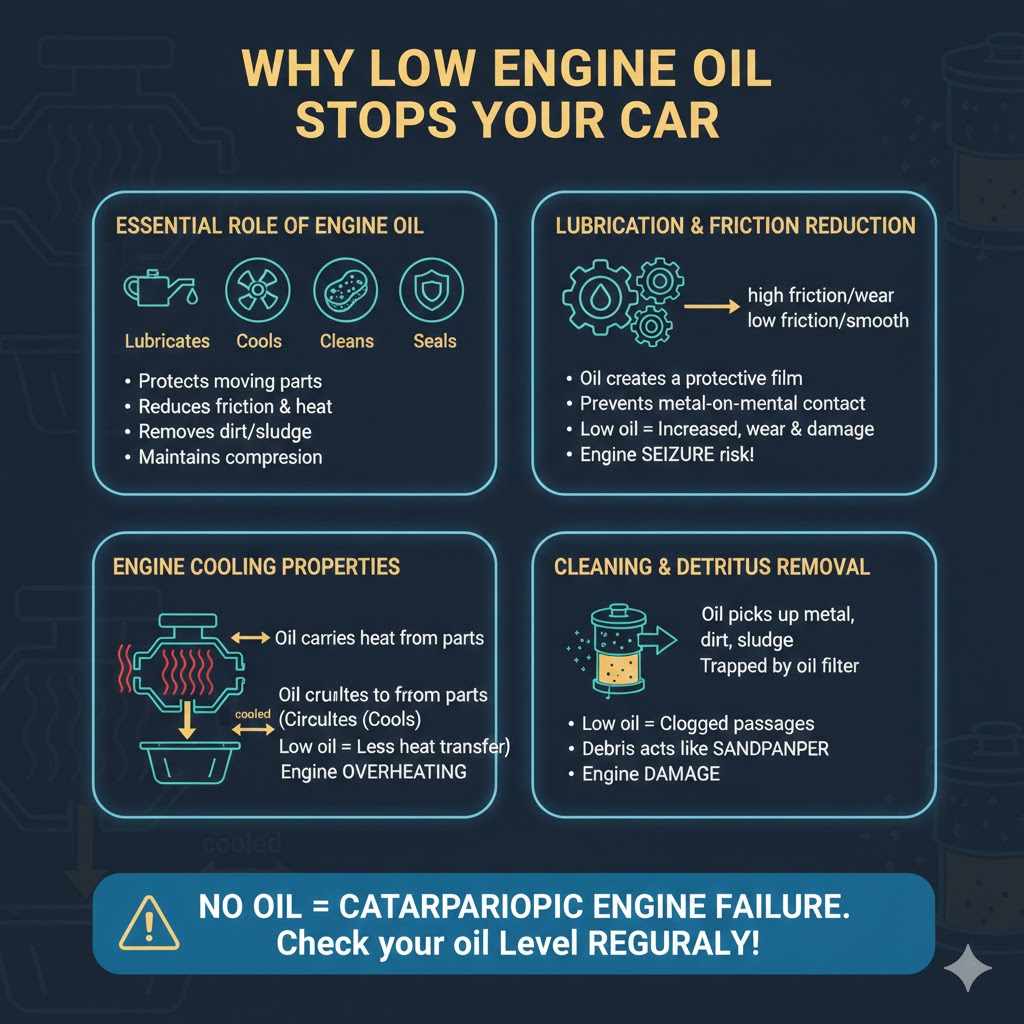
Why Low Engine Oil Stops Your Car
This section explains how oil keeps your car’s engine healthy and why a lack of it can cause serious issues, even preventing your car from starting. We will cover the fundamental role of engine oil and the critical functions it performs to ensure your engine runs smoothly.
The Essential Role of Engine Oil
Engine oil is like the lifeblood of your car’s engine. It does more than just make things slippery. Think of it as a multi-tasking superhero for your engine’s moving parts.
Without enough of it, these parts can’t do their jobs, leading to big problems.
When your engine runs, metal parts rub against each other at very high speeds. This friction creates heat and wear. Oil forms a thin film between these parts, reducing that friction.
This protective layer prevents the metal from grinding against itself, which would quickly damage it.
Oil also helps to cool the engine. As it circulates, it carries heat away from hot components like pistons and the cylinder walls. This prevents the engine from overheating, which can cause parts to warp or seize.
Another vital job of oil is cleaning. As it flows through the engine, it picks up tiny metal particles, dirt, and other debris that can build up. This dirty oil then flows to the oil filter, where these contaminants are trapped.
Without this cleaning action, the debris could circulate and act like sandpaper, damaging engine parts.
Oil also seals the gaps between the piston rings and cylinder walls. This seal is important for maintaining compression, which is needed to create power. Without a good seal, the engine loses power and efficiency.
Lubrication and Friction Reduction
Lubrication is the primary reason we put oil in our cars. Imagine trying to slide two rough pieces of wood together. It’s difficult, right?
Now imagine adding a thin layer of butter. It’s much easier to move them. Engine oil does something similar for the hundreds of metal parts inside your engine.
These parts include the crankshaft, camshaft, pistons, connecting rods, and valves. Each of these components moves rapidly and works in close proximity to other parts. The thin film of oil between them acts as a lubricant, allowing them to slide past each other smoothly.
When oil levels are low, this protective film becomes thinner or might not reach all the necessary parts. This means metal parts can touch directly. This contact causes increased friction.
Friction generates heat, and it also causes wear, meaning the metal surfaces start to wear away.
Over time, this increased friction and wear can lead to serious damage. Components can become scored, warped, or even seize up entirely. This is why maintaining the correct oil level is so critical for the longevity and proper functioning of your engine.
Engine Cooling Properties
An engine creates a lot of heat as it burns fuel and its parts move. While the cooling system with its radiator and coolant does the heavy lifting, engine oil plays a significant supporting role. It’s like a secondary cooling system working hard behind the scenes.
As oil circulates through the engine, it passes through areas that get extremely hot. For example, it flows around the crankshaft and the bottom of the pistons. It absorbs heat from these parts.
Then, the oil travels to the oil pan at the bottom of the engine.
In the oil pan, the oil releases some of the heat it has absorbed. It also gets cooled as it passes through the oil filter. Some cars even have an oil cooler, a small radiator specifically for the oil, which helps reduce its temperature further.
If the oil level is too low, there isn’t enough oil to circulate effectively. This means less heat is being carried away from the engine’s hottest parts. The engine’s overall temperature can rise.
This can lead to overheating, which can cause parts to expand too much, leading to damage or even engine failure.
Cleaning and Detritus Removal
Over time, the intense heat and pressure inside an engine can cause small amounts of oil to break down. This breakdown can create sludge or varnish. Also, tiny metal particles are shed as parts wear down, and dirt can enter the engine from various sources.
Engine oil’s job is to capture all of this.
As the oil circulates, it acts like a mop, picking up these contaminants. It holds them in suspension, preventing them from settling and forming blockages. This dirty oil then flows through the oil filter, where the vast majority of these harmful particles are trapped.
If the oil level is low, the oil pump might not be able to circulate enough oil to effectively pick up and carry away all the debris. This means dirt and sludge can build up in the engine. Blocked oil passages can prevent oil from reaching critical parts, leading to wear and damage.
A clogged oil filter also indicates that the oil has been doing its job of collecting dirt. However, if the oil is constantly dirty and the filter cannot keep up, the oil itself can become less effective at lubricating and protecting the engine.
How Low Oil Prevents Starting
Now we get to the heart of the matter. We’ll explore the specific reasons why a car might refuse to start when the engine oil is critically low. This covers the direct impact on the engine’s components and the sensors that might be involved.
The Oil Pressure Switch
Most modern cars have a safety feature called an oil pressure switch. This little device is really important. It monitors the oil pressure inside your engine.
When the engine is running, oil is pumped under pressure to all the parts that need it.
If the oil level gets too low, the oil pump can’t pull enough oil from the oil pan to create sufficient pressure. When the oil pressure drops below a certain point, the oil pressure switch detects this.
This switch is often wired into the car’s computer system. If it senses that there’s no or very low oil pressure, it can send a signal to shut down the engine or, more critically for starting, prevent it from starting at all. This is a protective measure to stop the engine from running in a condition where it would be severely damaged.
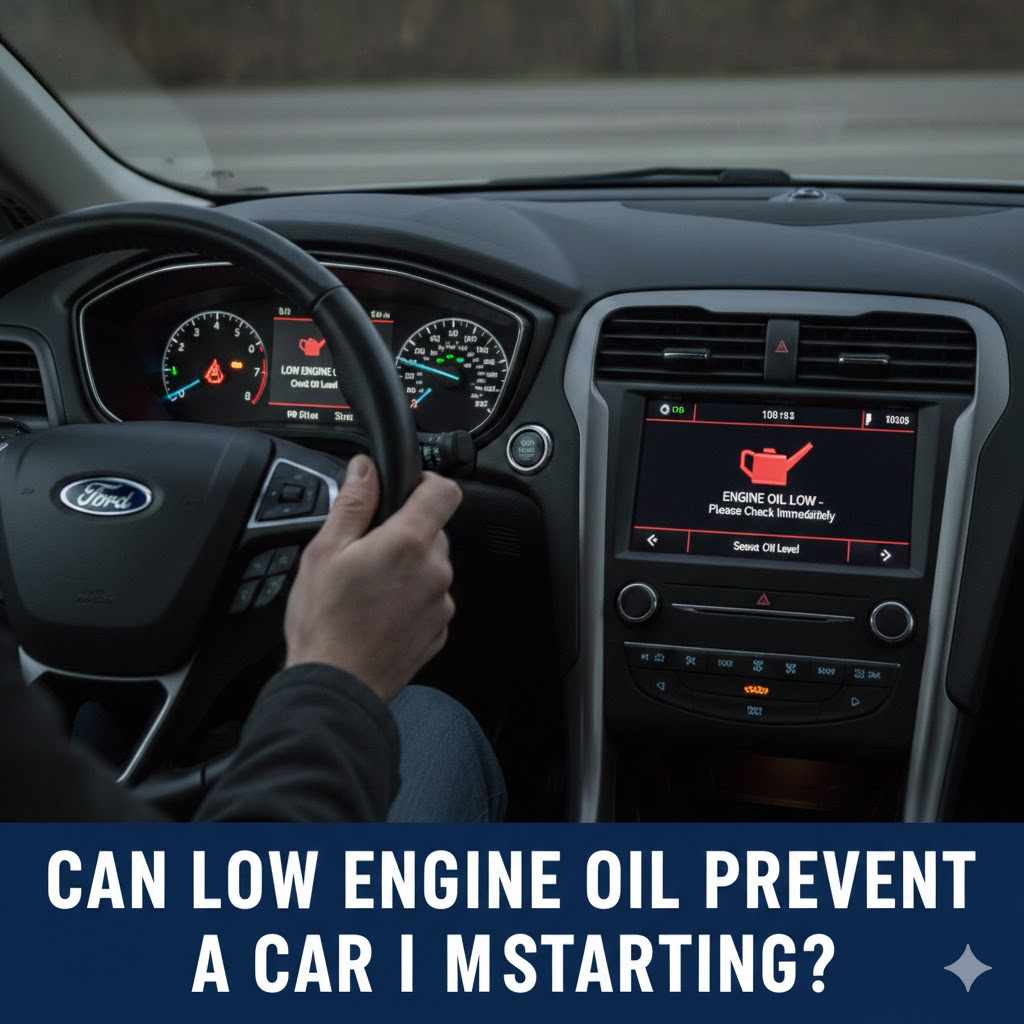
This is why you might see an oil warning light on your dashboard. If that light is on or flashing, it’s a clear sign that oil pressure is critically low. Ignoring this warning can lead to catastrophic engine failure.
Mechanical Stress and Seizing
If the oil pressure switch doesn’t prevent the engine from starting, or if the car has an older system without such advanced protection, the engine might try to crank. This is where mechanical damage can quickly occur, and it’s a major reason why low oil can effectively prevent starting.
When there’s not enough oil, the lubrication between metal parts is severely reduced. Think of the pistons moving up and down inside the cylinders. Without proper lubrication, they can start to scratch and grind against the cylinder walls.
The crankshaft, which spins rapidly, also needs constant oil flow to its bearings. Without it, these bearings can overheat and seize.
If parts start to seize or bind due to lack of lubrication, the engine’s starter motor might not have enough power to turn them. The starter motor is designed to overcome the normal resistance of a well-lubricated engine. But if parts are sticking or grinding due to friction, the resistance becomes too high.
The starter might just click, or the engine might turn over very slowly and unevenly before stopping. In extreme cases, the engine could be physically locked up.
Engine Seizure Example
Consider a scenario where a car has been driven for a long time without an oil change. The oil level has slowly dropped due to leaks or burning oil. The driver notices the oil light flickering but ignores it, thinking it’s a minor issue.
When they try to start the car one morning, the engine cranks slowly, makes a horrible grinding noise, and then stops. It won’t turn over again. What likely happened is that the lack of lubrication caused the pistons to heat up and expand, binding them within the cylinders.
Or, the crankshaft bearings seized due to metal-on-metal contact.
In this case, the engine is “seized.” It’s physically impossible for the starter motor to rotate the crankshaft because the internal components are locked together. This is a catastrophic failure that usually means the engine needs to be replaced or rebuilt, a very expensive repair.
This highlights how crucial it is to maintain adequate engine oil. It’s not just about preventing wear; it’s about preventing immediate and severe mechanical failure that stops the car dead.
The Oil Pump’s Struggle
The oil pump is a vital component responsible for circulating oil throughout the engine. It draws oil from the oil pan and pushes it under pressure to all the engine’s parts. The pump itself relies on being submerged in oil to function correctly.
If the engine oil level drops too low, the oil pump might not be able to pick up any oil at all. The oil pump’s intake is usually at the bottom of the oil pan. If the oil level is below this intake, the pump will just suck air instead of oil.
When the oil pump sucks air, it cannot generate oil pressure. This condition is often called “oil starvation.” Without oil pressure, no lubrication reaches the engine’s components. As mentioned before, this leads to rapid wear and potential seizure.
Even if the oil level isn’t critically low but just very low, the oil pump might struggle to maintain consistent pressure. This inconsistent pressure can cause the engine to hesitate, run rough, or stall. When you try to start it again, the lack of established oil pressure means it might not even engage the starting sequence properly.
Warning Lights and Their Meaning
Modern cars are equipped with various warning lights on the dashboard that alert drivers to potential problems. Two main lights are relevant when considering low engine oil and starting issues: the oil pressure warning light and the check engine light.
The oil pressure warning light is typically shaped like an oil can. If this light illuminates while you are driving, it is a serious warning. It indicates that the engine oil pressure has dropped to a dangerously low level.
If this light comes on, you should pull over safely and turn off the engine immediately. Continuing to drive can cause severe engine damage.
The check engine light, which is usually amber or yellow and shaped like an engine, can illuminate for many reasons. While it doesn’t specifically mean low oil, a low oil condition that affects engine performance or triggers other sensor readings could cause this light to come on. If the check engine light is on, it means the car’s computer has detected a fault and is logging a diagnostic trouble code (DTC).
A mechanic can read these codes to diagnose the problem.
If you try to start your car and the oil pressure light comes on, or if it cranks but won’t start and the check engine light is also illuminated, it strongly suggests an oil-related issue is preventing the start.
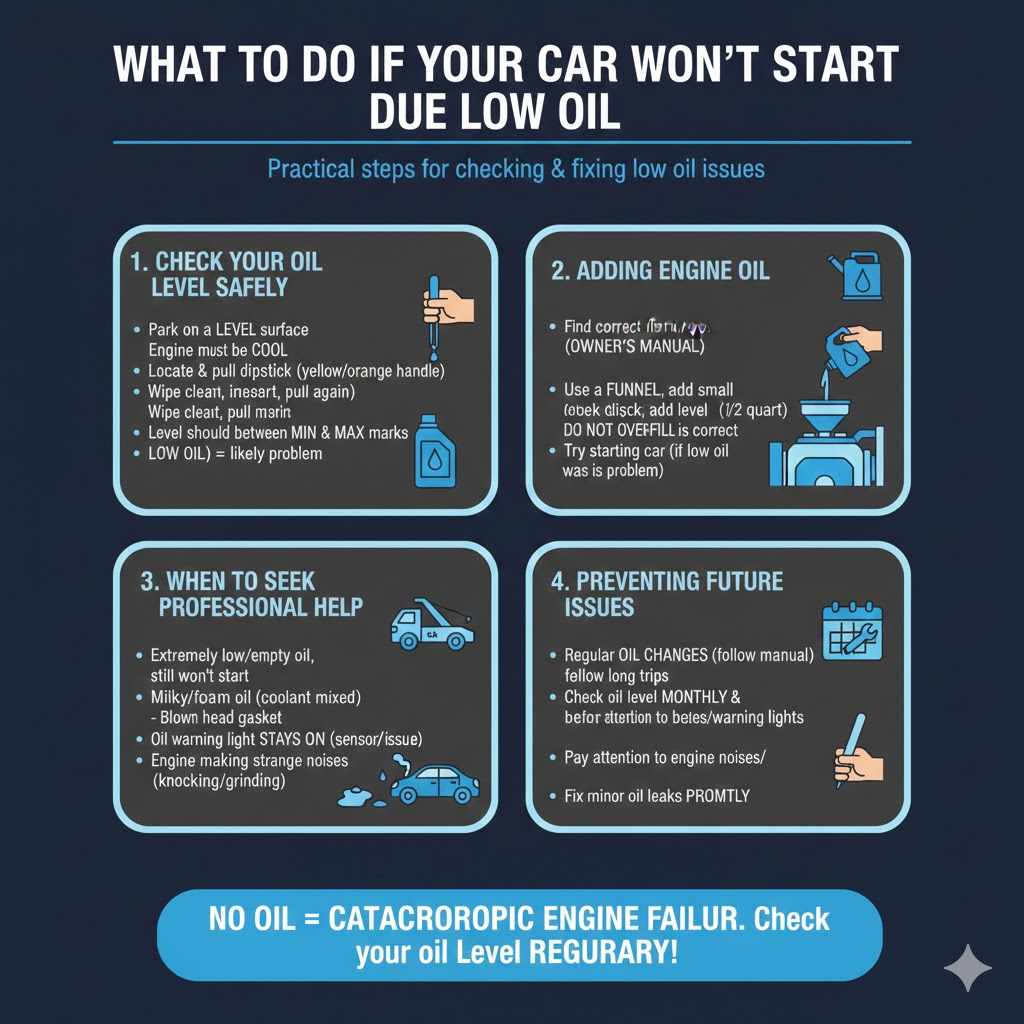
What to Do If Your Car Won’t Start Due to Low Oil
This section provides practical, easy-to-follow steps for what you should do if you suspect low oil is the reason your car isn’t starting. We will guide you through checking your oil and what actions to take next.
Check Your Oil Level Safely
The first and most crucial step is to check your engine oil level. This is something most car owners can do themselves without needing specialized tools. However, it’s important to do it safely.
Make sure your car is parked on a level surface. This is essential for an accurate reading. If the car is on a slope, the oil will pool to one side in the oil pan, giving you a false reading.
Ensure the engine is cool. If the engine is hot, the oil will be expanded and at a higher level than when it’s cool. Also, hot oil can cause severe burns.
Wait at least 15-30 minutes after the engine has been turned off before checking the oil.
Open the hood and locate the engine oil dipstick. It usually has a brightly colored handle, often yellow or orange, and might have an oil symbol on it. Pull the dipstick out completely.
Wipe the dipstick clean with a rag or paper towel. Then, re will be two marks, usually labeled “Add” and “Full,” or “Min” and “Max.” The oil level should be between these two marks.
If the oil level is at or below the “Add” or “Min” mark, your engine oil is low. This is a very likely cause for your car not starting.
Adding Engine Oil
If you find that your engine oil is low, the next step is to add the correct type and amount of oil. This is a straightforward process that can often get your car running again.
First, you need to know what kind of oil your car uses. This information is in your car’s owner’s manual. It will specify the viscosity grade (e.g., 5W-30) and the API service category.
Using the wrong type of oil can cause damage.
Locate the oil filler cap on top of the engine. It will usually have the oil symbol or the viscosity grade printed on it. Remove this cap.
Use a funnel to pour the new oil into the engine. Start by adding a small amount, perhaps half a quart or half a liter. Do not overfill the engine.
Replace the oil filler cap and wait a few minutes for the new oil to settle into the oil pan. Then, check the dipstick again to see the new oil level.
Continue adding small amounts of oil and re-checking the dipstick until the level is between the “Add” and “Full” marks. It’s better to be slightly under the full mark than to overfill.
Once the oil level is corrected, try starting your car. If the low oil was the sole issue, it should now start.
When to Seek Professional Help
While adding oil can solve the problem, sometimes it’s not that simple. There are situations where you should call a mechanic instead of trying to fix it yourself.
If you check the oil and the level is extremely low or completely empty, and even after adding oil, the car still won’t start, there might be significant internal engine damage. The engine could be seized, or vital components might have been destroyed by running without oil.
If the oil you drain out appears milky or has a foamy texture, this can indicate that coolant has mixed with the oil. This is a serious problem, often caused by a blown head gasket, and it needs professional attention.
If you notice significant oil leaks under your car, it’s important to have them fixed. A persistent leak will continue to lower your oil level, leading to repeated starting problems and potential engine damage.
If the oil warning light stays on even after you’ve added oil and checked that the level is correct, there might be an issue with the oil pressure sensor itself, or the oil pump might be failing. These are problems that require a mechanic’s diagnosis and repair.
Preventing Future Issues
The best way to avoid starting problems related to low oil is to practice good car maintenance. This means staying on top of oil changes and regularly checking your oil level.
Regular oil changes are crucial. Follow the manufacturer’s recommended interval, usually found in your owner’s manual. This ensures your oil is fresh and effective.
Make it a habit to check your oil level at least once a month, and also before any long road trips. This simple check can save you a lot of trouble and expense down the road.
Pay attention to any unusual noises your engine makes or any warning lights that appear on your dashboard. These are early indicators that something might be wrong and should be investigated promptly.
Fixing minor oil leaks as soon as you notice them can prevent the oil level from dropping too low. Early detection and repair are always more cost-effective than dealing with major engine damage.
Frequently Asked Questions
Question: Can a car start with no oil at all?
Answer: No, a car cannot start with absolutely no oil. The engine needs oil for lubrication. Without it, the metal parts would grind against each other, causing immediate and severe damage, and likely preventing the engine from turning over at all.
Question: How long can an engine run without oil?
Answer: An engine can run for a very short time, perhaps only a few seconds or minutes, without oil before catastrophic damage occurs. The exact time depends on the engine type and how it is being operated, but it is never advisable to run an engine low on oil.
Question: What happens if I overfill my engine oil?
Answer: Overfilling engine oil can be just as damaging as having too little. Excess oil can get whipped into a foam by the crankshaft, reducing its ability to lubricate. It can also cause oil to be forced into the combustion chambers, leading to increased smoke, fouled spark plugs, and potential damage to the catalytic converter.
Question: Is it okay to drive my car if the oil light is on?
Answer: No, it is not okay to drive your car if the oil light is on. The oil light indicates critically low oil pressure, meaning the engine is not being lubricated properly. Continuing to drive can cause severe and irreversible engine damage, leading to very expensive repairs.
Question: How often should I check my engine oil?
Answer: It is generally recommended to check your engine oil level at least once a month and before any long road trips. This regular check helps ensure you catch any potential low oil situations before they become serious problems.
Summary
Yes, low engine oil can definitely prevent a car from starting. This happens because oil is vital for lubrication, cooling, and cleaning. Without enough oil, metal parts can seize due to friction, and the oil pressure switch can signal the car not to start to prevent damage.
Always check your oil level if your car won’t start and add the correct oil if needed, but seek professional help if the problem persists.