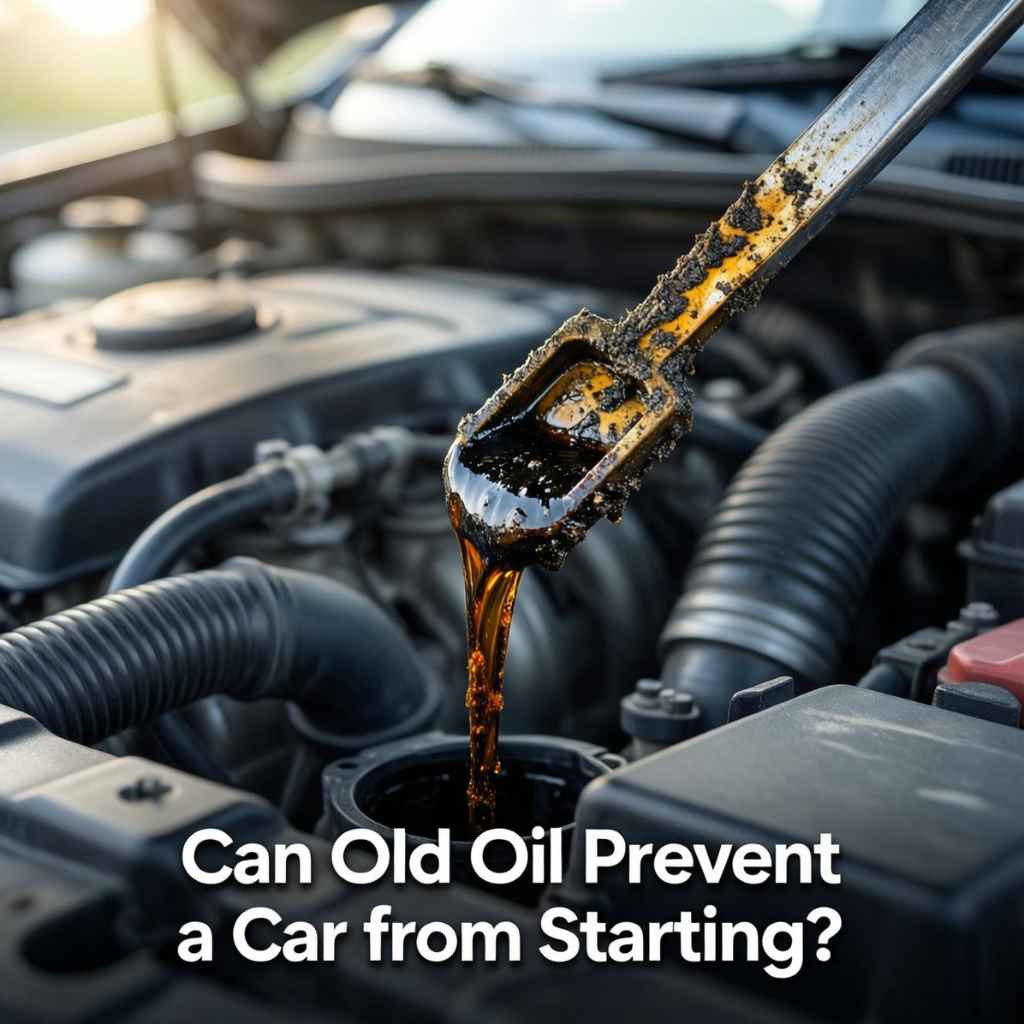
Can Old Oil Prevent a Car from Starting?
Sometimes, you might wonder if things like old motor oil can cause big problems for your car, like not starting. It’s a common question for folks who are new to car care. You might feel a little unsure about what’s going on under the hood.
Don’t worry! This guide will break down exactly how old oil can affect your car’s ability to start. We’ll go through it step-by-step so you can see what’s happening clearly and know what to do.
Let’s get started.
How Old Oil Affects Car Starting
This section explores the direct connection between the condition of your car’s engine oil and its ability to start. It explains that engine oil is vital for lubrication and cooling, and when it gets old, it loses its effectiveness. This loss can lead to increased friction and heat within the engine, which can make it harder for the engine to turn over and start.
We will look at the specific ways old oil can cause problems.
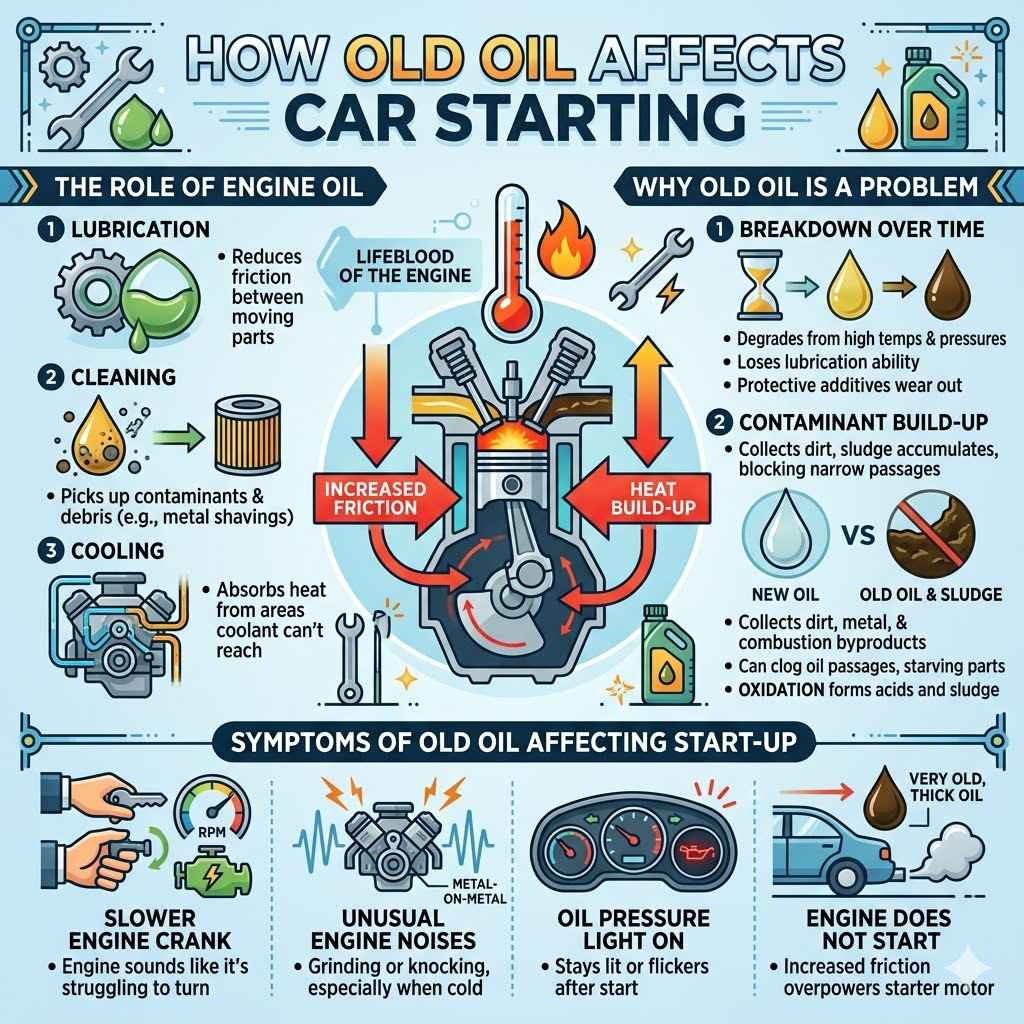
The Role of Engine Oil
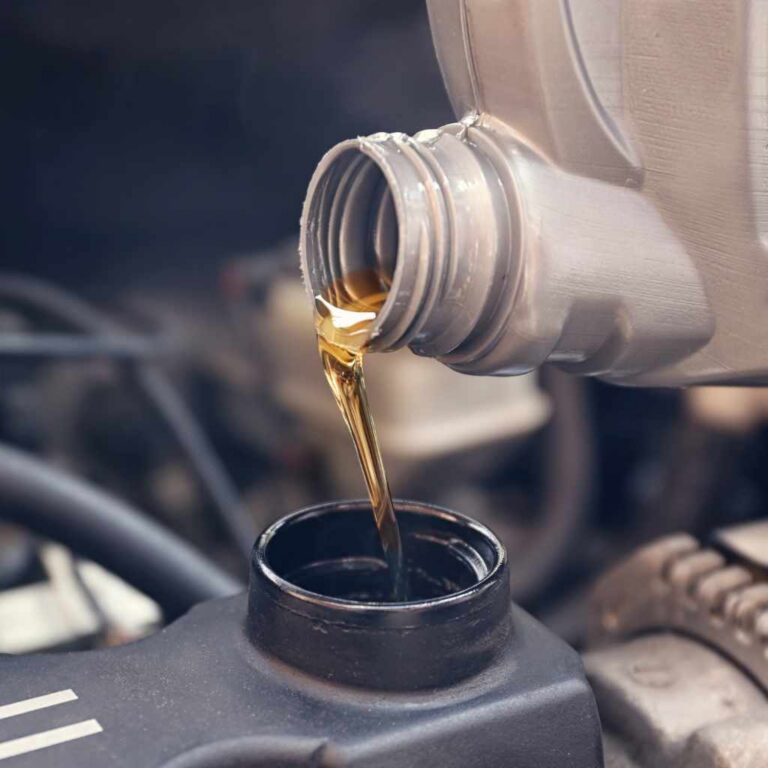
Engine oil is often called the lifeblood of your car’s engine. Its primary job is to keep all the moving parts inside the engine well-lubricated. Think of it like grease on a bicycle chain; without it, things grind and wear down quickly.
This lubrication reduces friction, which in turn lowers the heat generated by the engine.
Beyond lubrication, engine oil also plays a role in cleaning. As it circulates, it picks up tiny bits of metal shavings and other debris that are produced during normal engine operation. These particles are then carried to the oil filter, where they are trapped.
Without regular oil changes, these contaminants can build up.
Engine oil also helps to cool the engine. While the cooling system is the main component for temperature regulation, oil absorbs heat from parts that the coolant can’t reach directly. This extra cooling prevents parts from overheating and seizing up.
Why Old Oil Is a Problem
Over time and with use, engine oil breaks down. This process is accelerated by the high temperatures and pressures inside an engine. When oil degrades, it loses its ability to lubricate effectively.
It can become thinner, and its protective additives wear out.
Old oil also tends to collect more contaminants. The longer it stays in the engine, the more dirt, metal particles, and combustion byproducts it will hold. This sludge can clog oil passages, starving critical engine parts of lubrication.
Another issue is oxidation. Exposure to heat and air causes oil to oxidize, forming acids and sludge. These substances can damage engine components and further reduce the oil’s performance.
This is why regular oil changes are so important for the longevity and proper functioning of your car.
Symptoms of Old Oil Affecting Start-Up
When engine oil is old and degraded, it can show in several ways, especially when you try to start your car. You might notice that the engine cranks over much slower than usual. It might sound like it’s struggling to turn.
Sometimes, you might hear strange noises coming from the engine, like grinding or knocking, particularly when you first start it up. This is a sign that parts are not getting enough lubrication. The oil pressure light might also flicker on or stay lit after you start the engine.
In some cases, an engine with very old and thick oil might not start at all. The increased friction makes it too hard for the starter motor to get the engine turning. It’s a clear indicator that the oil needs to be replaced.
Can Old Oil Prevent a Car from Starting? The Science Behind It
This section goes deeper into the technical reasons why old oil can stop your car from firing up. We will discuss viscosity breakdown, increased friction, sludge buildup, and how these issues directly impact the starter motor and engine components. Understanding these points will clarify how a simple fluid change can be critical for your car’s operation.
Viscosity Breakdown
Viscosity is a measure of a fluid’s resistance to flow. For engine oil, it’s crucial. When oil is new, it has a specific viscosity that allows it to flow easily when cold and provide a thick enough protective film when hot.
This is often indicated by numbers like 5W-30 on the oil bottle. The “W” stands for winter, and the first number is its flow rate in cold temperatures, while the second number is its flow rate at operating temperature.
Over time, the oil’s viscosity changes. High temperatures and shearing forces inside the engine break down the oil molecules. This process is called viscosity breakdown.
As the oil thins out, it can’t create a strong enough protective barrier between moving metal parts.
When viscosity breaks down significantly, the oil can’t properly lubricate the engine’s components, especially during the initial startup phase when the engine is cold. This lack of lubrication leads to increased friction. The engine then has to work much harder to turn over, which can be too much for the starter motor.
Increased Friction and Wear
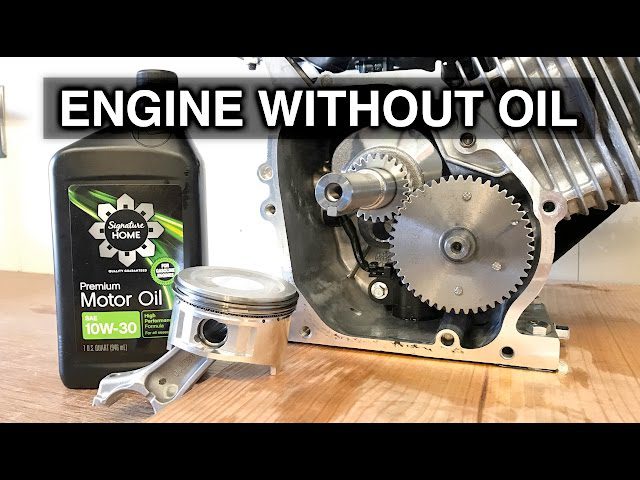
Friction is the resistance that occurs when two surfaces rub against each other. In an engine, friction is inevitable between moving parts like pistons, cylinders, and crankshafts. Engine oil’s primary role is to minimize this friction.
It creates a thin film of oil between these metal surfaces, allowing them to glide rather than grind.
When oil degrades and its viscosity breaks down, this protective film becomes weaker. The metal parts come into closer contact. This leads to increased friction.
Increased friction generates more heat and can cause wear on engine components.
During startup, especially in cold weather, the oil is not yet circulating effectively throughout the engine. If the oil is old and thin, the lack of lubrication during these critical first moments can cause significant wear. This can lead to a situation where the engine is physically harder to turn, and the starter motor might struggle or fail to crank it over completely.
Sludge and Deposit Formation
Sludge is a thick, tar-like substance that forms when oil breaks down and mixes with contaminants like unburned fuel, water, and metal particles. Old oil, especially when not changed regularly, is a prime candidate for sludge formation. This sludge can accumulate in various parts of the engine, including oil passages, the oil pan, and the oil pump pickup screen.
If sludge begins to clog the oil passages, it restricts the flow of oil to important engine parts. This means these parts won’t get the lubrication they need. In severe cases, sludge can block the oil pickup screen, preventing the oil pump from drawing oil from the pan altogether.
When an engine cannot get a consistent supply of oil due to sludge, it can lead to catastrophic failure. For starting, if the oil pump is starved or if the passages are clogged, the engine will not be able to build oil pressure. This lack of lubrication and pressure makes it extremely difficult, if not impossible, for the engine to start and run smoothly.
Impact on the Starter Motor
The starter motor is a powerful electric motor that engages with the engine’s flywheel to crank the engine and get it spinning. This spinning motion is what allows the engine to start its combustion cycle. The starter motor draws a significant amount of electrical current from the battery to do its job.
When engine oil is old, thick, or sludgy, it increases the internal resistance of the engine. This means the engine is harder to turn. The starter motor has to work harder and draw more power to overcome this increased resistance.
If the engine is too difficult to crank due to poor lubrication, the starter motor might not have enough power to spin it fast enough to start. You might hear the starter motor engage and spin, but the engine itself doesn’t turn over properly or at all. This can also put a strain on the starter motor itself, potentially shortening its lifespan.
A weak battery combined with old oil can easily lead to a no-start situation.
When To Change Your Oil
This section focuses on the practical aspects of oil changes, including recognizing the signs it’s time for a change and the recommended intervals. We’ll also touch on how driving conditions can affect oil life and why sticking to a schedule is beneficial for preventing start-up problems and engine damage.
Recommended Oil Change Intervals
Car manufacturers provide specific recommendations for when your oil should be changed. These recommendations are usually found in your car’s owner’s manual. They are based on mileage or time, whichever comes first.
For example, a common recommendation might be every 5,000 to 7,500 miles, or every six months.
These intervals are designed to ensure that the oil remains effective and protective throughout its service life. Sticking to these recommendations is one of the easiest and most important maintenance tasks you can perform to keep your car running well and prevent issues like starting problems.
However, it’s important to note that these are general guidelines. Certain driving conditions can cause the oil to degrade faster, meaning you might need to change it more frequently.
Driving Conditions Matter
The way you drive your car significantly impacts how quickly your engine oil breaks down. If you primarily drive in “severe” conditions, your oil needs more frequent attention. Severe driving includes frequent short trips where the engine doesn’t have a chance to reach full operating temperature, stop-and-go traffic, driving in extreme hot or cold weather, towing heavy loads, and driving on dusty roads.
Short trips are particularly hard on oil because the moisture and unburned fuel that enter the crankcase during startup don’t get a chance to evaporate. This can lead to sludge formation and oil thinning. Frequent stop-and-go driving also puts more stress on the engine and oil due to constant acceleration and deceleration.
If your car often experiences these conditions, you should consider changing your oil more often than the manufacturer’s standard recommendation. Your owner’s manual often outlines what constitutes severe driving and may provide different service intervals for these situations.
Signs It’s Time for an Oil Change
Beyond the recommended mileage or time, there are several signs your car might be telling you it’s time for an oil change. The most obvious is the oil change reminder light on your dashboard. While some modern cars have sophisticated systems that calculate oil life, older cars simply have a timer or sensor.
You can also check your oil level and condition manually. Park your car on a level surface and wait a few minutes after the engine has cooled. Pull out the dipstick, wipe it clean, reinsert it, and pull it out again.
Look at the color and consistency of the oil. If it appears dark, black, or gritty, it’s likely time for a change.
You might also notice an oil smell inside the car, which could indicate a leak or that the oil is burning off. Strange engine noises or a decrease in engine performance can also be indicators that your oil is no longer doing its job effectively.
Diagnosing a No-Start Situation
This section provides a practical guide to troubleshooting why a car won’t start, with a focus on how oil issues might be a contributing factor. We will walk through a series of checks, starting with the most common culprits and moving towards less frequent causes, helping you determine if old oil is the main issue or just one piece of the puzzle.
Checking the Battery and Connections
The battery is the heart of your car’s electrical system and is essential for starting the engine. A weak or dead battery is one of the most common reasons a car won’t start. You might hear a rapid clicking sound when you turn the key, or nothing at all.
First, check the battery terminals. Ensure they are clean and tight. Corrosion on the terminals can prevent a good electrical connection.
You can clean them with a wire brush and a mixture of baking soda and water. Make sure the battery cables are securely fastened.
If the battery is old (typically 3-5 years), it might be time to have it tested or replaced. Most auto parts stores can test your battery for free. A battery that’s not holding a full charge won’t have enough power to turn the starter motor effectively, especially if the engine is also struggling due to old oil.
Examining the Starter Motor
If the battery seems fine, the next suspect is often the starter motor. When you turn the key, the starter motor should engage with the engine’s flywheel and crank the engine. If you hear a single loud click, or if the starter motor just whirs without engaging the engine, it could be a problem with the starter itself.
A failing starter motor might not have the strength to turn over an engine that is already experiencing increased friction from old oil. The starter motor needs a good electrical connection and sufficient power from the battery to operate. If either of these is compromised, or if the starter motor itself is worn out, it may struggle or fail to start the car.
Diagnosing a starter motor issue can be complex and often requires some mechanical knowledge or professional help. However, if the battery is strong and connections are good, and you still can’t get the engine to crank, the starter is a likely culprit.
The Importance of Oil Level and Condition
As discussed, the condition of your oil is vital. A very low oil level can cause the oil pump to suck air instead of oil, leading to a lack of lubrication and making it very hard for the engine to start. Similarly, oil that has broken down into thick sludge will prevent proper lubrication.
Always check your oil level using the dipstick. If it’s low, add the correct type of oil to the recommended level. If the oil is dark, sludgy, or smells burnt, this is a strong indicator that an oil change is overdue and could be contributing to your starting problem.
If you suspect your oil is the issue, performing an oil change is a relatively simple and inexpensive step that might resolve your no-start problem. It’s a good idea to change the oil filter at the same time.
When to Seek Professional Help
While many basic car maintenance tasks can be done at home, some issues require the expertise of a professional mechanic. If you’ve checked the battery, oil level, and oil condition, and the car still won’t start, it might be time to call in the pros.
Complex problems like issues with the fuel pump, ignition system, or internal engine components often require specialized tools and diagnostic equipment. A mechanic can accurately diagnose the root cause of the problem and perform the necessary repairs safely and effectively.
Don’t hesitate to seek professional help if you’re unsure about a diagnosis or repair. It can save you time, money, and potential damage to your vehicle in the long run.
Real-Life Scenarios and Examples
This section offers practical examples to illustrate how old oil can lead to a car not starting. These scenarios provide relatable situations that help solidify the concepts discussed earlier, showing how routine maintenance or lack thereof impacts a vehicle’s reliability.
Scenario 1 The Weekend Warrior
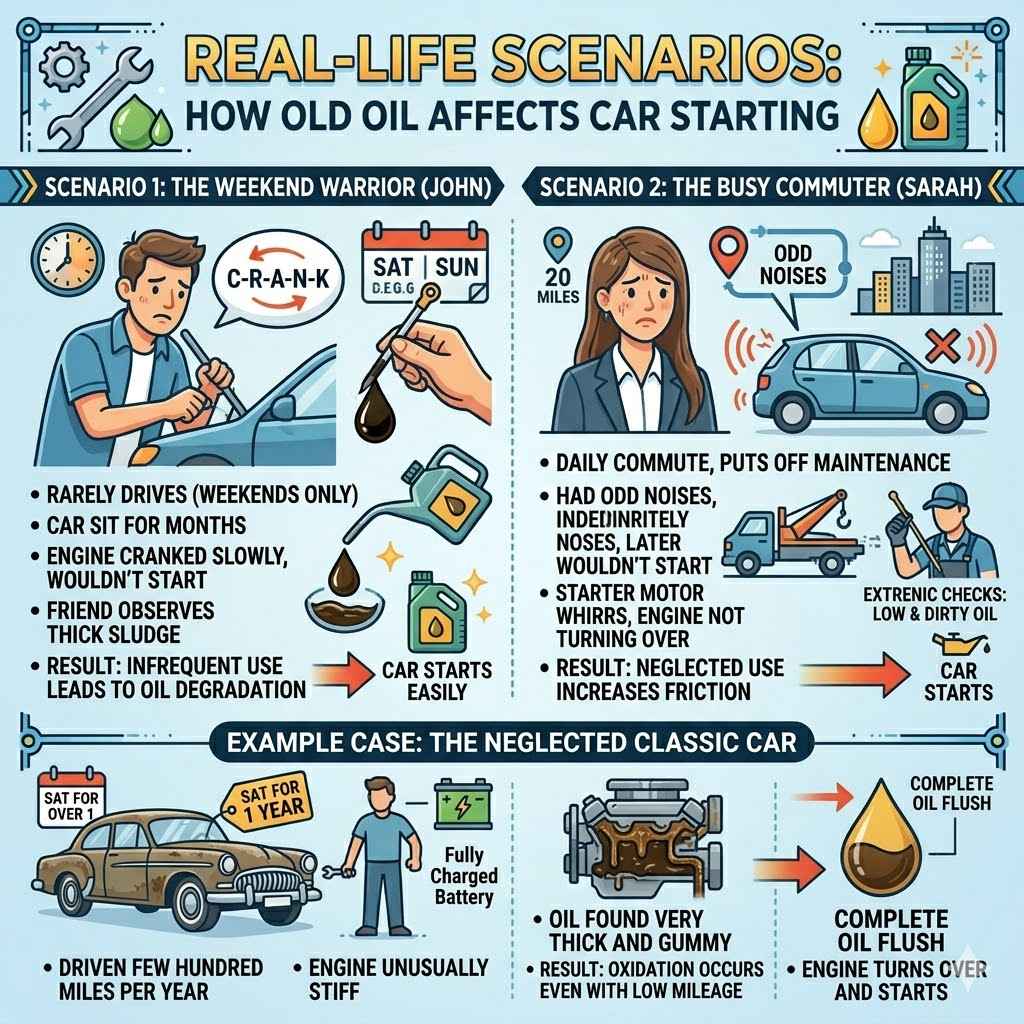
John rarely drives his car during the week, using it only for short trips on the weekends. He bought the car used and never checked the maintenance records. After a few months of sitting, he tried to start it one Saturday morning, but the engine just cranked slowly and wouldn’t catch.
He thought it was the battery and called a friend for a jump. Even with a boost, it struggled.
His friend, who is a bit more car-savvy, noticed the oil dipstick was covered in a thick, black sludge. They realized that the oil, old and degraded from sitting and short trips, had lost its lubricating properties. The engine parts were stiff and resistant.
They immediately performed an oil change. After the oil change, the car started up much more easily. This shows how even infrequent use can lead to oil degradation.
Scenario 2 The Busy Commuter
Sarah drives her car for her daily commute, which is about 20 miles each way. She’s always on the go and tends to put off car maintenance. Her car recently started making odd noises when she turned the key, and sometimes it would take a few tries to get it to start.
One morning, it wouldn’t start at all. She heard the starter motor whirring, but the engine wasn’t turning over.
When a tow truck arrived, the mechanic checked the battery, which was fine. He then checked the oil. It was extremely low and very dirty.
He suspected that the lack of oil and the sludge had increased the engine’s friction so much that the starter motor couldn’t overcome it. After topping up and changing the oil and filter, the car started right up. This highlights how consistent but neglected use can also cause problems.
Example Case: The Neglected Classic Car
An owner of a classic car, which was only driven a few hundred miles per year, decided to start it up after it sat for over a year. The engine was usually well-maintained, but this time, it just wouldn’t turn over. The battery was confirmed to be fully charged.
The owner tried to crank the engine, and it felt unusually stiff.
Upon inspection, the engine oil was found to be very thick and gummy. Over time, even without extensive use, oil can oxidize and break down. In this case, the oil had formed a sticky residue that increased friction between the engine components.
A complete oil flush and refill with fresh oil allowed the engine to turn over and start. This demonstrates that oil degradation can occur even with low mileage.
Frequently Asked Questions
Question: Can old oil actually damage my engine?
Answer: Yes, old oil can definitely damage your engine. It loses its ability to lubricate and cool. This leads to increased friction, wear on engine parts, and can cause sludge buildup that clogs vital oil passages.
Over time, this can lead to serious and expensive engine damage.
Question: How often should I check my car’s oil level?
Answer: It’s a good practice to check your car’s oil level at least once a month, and before any long road trips. If you notice oil spots under your car, it’s a good idea to check the level more frequently to see if there’s a leak.
Question: Is it okay to use a different weight of oil than what my car recommends?
Answer: It’s best to stick to the oil weight recommended in your car’s owner’s manual. Using a different weight can affect the oil’s viscosity and its ability to protect your engine, especially in different temperatures. The recommended weight is tested for optimal performance.
Question: My car starts fine now, but the oil is old. Should I still worry?
Answer: Yes, you should still worry. Even if your car starts fine now, old oil is not providing adequate protection. It’s gradually causing wear on your engine parts.
Changing the oil now will prevent future problems, including potential starting issues and long-term engine damage.
Question: Can a simple oil change fix a car that won’t start?
Answer: A simple oil change can absolutely fix a car that won’t start if the root cause is old, degraded, or insufficient oil. If the engine is struggling to turn over due to increased friction from old oil, fresh, properly-viscous oil can significantly reduce that friction and allow the engine to start.
Summary
Old oil can indeed prevent your car from starting by increasing friction, thinning out, and forming sludge. This makes it harder for the engine to turn over. Regular oil changes, based on your car’s manual and driving conditions, are key.
Checking your oil regularly and addressing any issues promptly ensures your car starts reliably and lasts longer.