Wire Brush for Car Battery: Tested & Reviewed (3 Picks)
For most DIY battery cleanups, a dual-end wire brush is the most practical all-around choice, a terminal-top brush is fastest for crusted top-post clamps, and a slim brush fits cramped side-post access. Miss the corrosion type and you waste time, leave resistance behind, or chew up soft lead and plated hardware. This guide compares three wire brush picks for light haze, heavy crust, and tight battery trays.
Top pick and quick picks
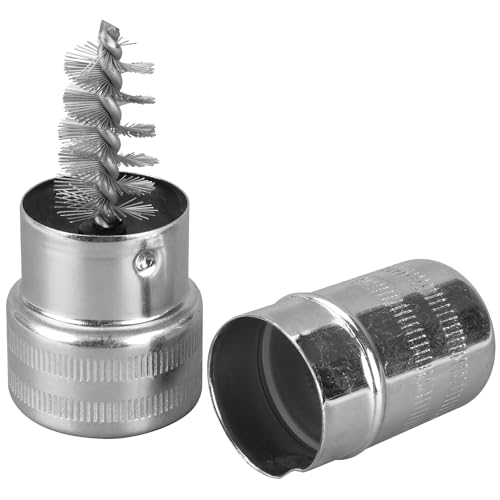


Best overall: the Performance Tool W147C, because its stainless steel bristles give it the best balance of repeat-use durability and corrosion-cutting ability for routine battery cleanup.
| Pick | Best for | Key spec | What it handles best |
|---|---|---|---|
| Performance Tool W147C | Stubborn crust on top-post clamps | Stainless steel bristles | Repeated scraping of oxidized terminals and clamp openings |
| SF0193 | Compact storage and light-to-moderate cleanup | 3-1/4 inches overall, 1-1/2 inches body diameter | Glove box or toolbox carry, fast touch-ups in tight bays |
| BELOMI kit | Repeat maintenance and prevention | 12 pieces total, with ten fiber washers | Cleaning plus corrosion control after reassembly |
Top pick for stubborn corrosion
The W147C is the clear choice when corrosion has hardened into crust, not just haze. Stainless steel bristles matter here because they stand up better to repeated scrubbing and resist rusting themselves, which helps if the brush lives in a wet trunk tool bag or gets used on more than one vehicle.
Best compact brush for glove box storage
The SF0193 is presented as the storage-friendly pick. At 3-1/4 inches long and 1-1/2 inches in body diameter, it can disappear into a glove box, center console bin, or small toolbox without getting in the way.
Best kit for repeat maintenance
The BELOMI kit is the maintenance-minded buy. It is a 12-piece kit with ten fiber washers, which makes sense if you service multiple vehicles or want an after-cleaning corrosion barrier in the same purchase.
Battery terminal brush comparison matrix
The scores below are practical, not abstract. High means the option fits that criterion well for most battery work, Medium means usable with limits, and Low means the tool is not the best match for that job.
| Pick | Corrosion-cutting ability | Tight-bay access | Storage and portability | Bundle value | Ease of cleaning after use | Best-fit battery type | Choose this if… |
|---|---|---|---|---|---|---|---|
| Performance Tool W147C | High | Medium | Medium | Medium | Medium | Top-post | You want the strongest all-around scrub for crusted clamps and repeated use. |
| SF0193 | Medium | High | High | Low | High | Top-post, light side access only | You need a compact brush that stores easily and reaches awkward battery trays. |
| BELOMI kit | Medium | Medium | Medium | High | Medium | Top-post | You want cleaning plus fiber washers for prevention in one purchase. |
Light haze usually looks like a dull film or powder on the terminal. Moderate crust starts to bridge the gap between clamp and post. Heavy buildup is the kind that flakes, cakes, or has already pushed into the clamp opening. That last stage is where brush choice matters most.
Which brush fits your battery?
Top-post batteries are the easiest match for a battery terminal cleaning brush or a cone-shaped battery terminal and post cleaner. Side-post batteries need a slimmer, angle-friendly tool, because the contact point sits flush and often hides in a tighter pocket near the tray or inner fender.
Top-post batteries
On a standard top-post battery, a brush with stiff metal bristles or a cone-shaped cleaning head can clean both the post and the inside of the clamp. That is why the W147C and the BELOMI kit make more sense here than a brush built only for narrow spaces.
Side-post batteries
Side-post access is less forgiving. A compact brush or a slim cleaning tool is easier to work in a recessed area, but a cone-style cleaner is not a cure-all here. It can help if there is enough room to get square on the terminal, but it may not fully reach a deeply recessed side-post contact point.
When a spray is the better first step
Battery terminal cleaner spray is worth using when corrosion is powdery or spread across the clamp surface, especially if you want chemical loosening before brushing. It is not a replacement for physical scrubbing when buildup is crusted or the clamp opening is already narrowed by corrosion.
Battery terminal and post cleaner with anti-corrosion kit
A battery terminal and post cleaner is the right category when you need one tool for both the post and the clamp opening. The cone-shaped head is the key feature. It is fast on top-post batteries, and kits with anti-corrosion fiber washers can help slow future buildup after you clean and dry the connection.
What the cone head does well
The cone head cleans the inside of the clamp and the outside of the post at the same time. That matters when corrosion is concentrated where the clamp grips, because a straight brush often misses the full inside diameter.
Where it falls short
It is less convincing in cramped bays and on recessed side-posts. If the battery sits low under a brace, air box, or fuse box lip, the head may not sit squarely enough to clean evenly. In that case, a slimmer brush usually wins.
Who should buy the kit?
The BELOMI kit makes the most sense for frequent maintenance, multi-vehicle households, or owners who want washers included. Those anti-corrosion fiber washers are the practical add-on here, not a gimmick. Red and green color coding is often used on washer kits, and the extra pieces can save a second purchase.
Battery terminal cleaning brush for tight spaces
A battery terminal cleaning brush is the simpler buy when you do not need a full kit. Single-piece brushes are easier to toss into a glove box or small toolbox, and they are usually the best choice when your main problem is access, not bundle contents.
Single-piece brush designs
Single tools favor speed. They are light, cheap to stash, and less cluttered than a kit. The Lisle 11120 is described as a classic two-brush layout and weighs 1.6 ounces, which tells you the format is meant to be compact and easy to keep on hand.
Stiff bristles for crusted clamps
Steel bristles are the more aggressive option. They are common in budget and rugged models because they bite into heavy corrosion faster, but they may shed or splay over time. Stainless steel bristles are the better fit for repeated use, rust resistance, and a tool that stays serviceable longer.
Storage cap or cover details
Storage matters more than most listings admit. The Steelman Battery Post Terminal Cleaner includes a cover for storage, which helps protect the bristles and keep the tool from snagging in a drawer or kit. The tool is also described as lightweight, so it fits the kind of cleanup work that happens a few times a year rather than every week.
Suppose the corrosion is only a thin gray haze on a family sedan’s top-post battery. A compact brush like the SF0193 can clear it without dragging a bigger kit out of the garage. If the clamp is packed with white crust, the W147C or a cone-style cleaner will get there faster.
Do you need a wire brush or a cleaner spray?
Use spray first when corrosion is loose, dusty, or spread across the outer clamp surface. Use a wire brush when the buildup is stuck in the clamp opening, the post is pitted, or the terminal needs physical cleanup before it will clamp tightly again. Many jobs need both.
When spray helps first
Spray helps break down loose residue and can reduce the amount of scrubbing needed. That is useful on lightly corroded terminals or as a first pass before mechanical cleaning.
When physical brushing is still needed
Physical brushing is still needed when the contact face is crusted or when the clamp has a visible ring of buildup inside it. Spray does not restore clamp shape, and it does not remove hardened material from inside the opening.
Why some jobs need both
A cleaner spray can loosen the mess, and a brush finishes the job. That combination is the best route when you want clean metal contact before you reinstall and protect the terminal.
How to clean corroded terminals safely
Start by disconnecting the negative terminal first, then keep your tool clear of anything that could bridge the terminals. Neutralize the corrosion carefully, keep the solution out of battery cells and vents, dry every part before reassembly, and check that the clamp seats tightly on clean metal.
- Turn the vehicle off and remove the key.
- Disconnect the negative terminal first.
- Keep the brush and any wrench from touching both terminals at once.
- Apply neutralizing solution only to the corroded area, not into battery cells or vents.
- Scrub the post and clamp until clean metal is visible.
- Wipe away residue and dry the parts completely.
- Reconnect the terminals and confirm the clamp is snug.
Do not leave neutralizing fluid sitting on the battery top or in the vent area. That creates a mess of its own and can interfere with the connection if you reassemble too soon. Dryness matters before you tighten the clamp.
Choose the brush by the mess, then by the space around the battery. Heavy crust calls for steel or stainless bristles with enough bite to remove hardened material. Tight bays call for a slim, compact tool. If you maintain several vehicles, a kit with washers and a storage cap is usually the better buy.
Steel versus stainless steel bristles
Steel bristles are the more aggressive choice and are common on low-cost or rugged tools. Stainless steel bristles resist rust better and hold up well to repeated battery work. For a tool that may be stored for months between uses, stainless steel is the safer long-term pick.
Single tool versus kit
Buy a single brush if your job is occasional and straightforward. Choose a kit if fiber washers, a cleaner, and storage convenience matter in one package. The BELOMI kit is the clearer fit for that second group because it includes ten fiber washers among its 12 pieces total.
What size fits a glove box
For glove box storage, compact is not a marketing word; it is a fitment requirement. The SF0193’s 3-1/4-inch overall length and 1-1/2-inch body diameter make it easier to stash than a bulky multi-piece setup. A covered tool is even better if it rides in the car.
A common first-timer mistake is to clean the outside of the clamp and stop there. If the inside diameter still has crust, the connection can still act weak. Another mistake is using a bulky brush on a side-post battery and scraping nearby plastic instead of the terminal itself.
Frequently asked questions
What is the best wire brush for car battery terminals?
The best wire brush depends on the mess. For stubborn top-post corrosion, the Performance Tool W147C is the strongest all-around pick because of its stainless steel bristles. For storage and quick touch-ups, the SF0193 is easier to keep in the vehicle. For prevention, the BELOMI kit adds washers.
Do I need a wire brush or a battery terminal cleaner?
Use a wire brush for hardened buildup, clamp openings, and metal that needs physical scrubbing. Use a battery terminal cleaner or spray when corrosion is loose and you want to break it down before brushing. If the connection is badly crusted, the spray alone is not enough.
How do I clean corroded car battery terminals safely?
Disconnect the negative terminal first, keep tools from bridging both terminals, and work carefully around the battery top. Neutralize corrosion without getting liquid into battery cells or vents, then dry everything before reconnecting. Clean metal contact matters more than speed.
Which brush works for top-post and side-post batteries?
Top-post batteries work best with a terminal-top brush or cone-style cleaner. Side-post batteries need a slimmer, more angle-friendly tool because the terminal is recessed. A compact brush can fit both in a pinch, but it is better suited to light cleanup than heavy crust.
What should I use after cleaning battery terminals to prevent corrosion?
Anti-corrosion fiber washers are the most practical follow-up, especially if they come in a kit with the cleaner. Red and green washer sets are common. A clean, dry terminal plus a washer gives you better resistance to future buildup than cleaning alone.
How often should battery terminals be cleaned?
There is no single schedule that fits every car, but inspection every few months is sensible, especially in humid climates or on vehicles that sit often. Clean sooner if you see white or blue-green powder, slow cranking, or visible crust around the clamp or post.
Products related to this article
Sponsored / affiliate links. As an Amazon Associate I earn from qualifying purchases. I may earn additional commission from eligible campaigns.