Can You Add Power Steering to a Car? A Step-by-Step Guide
Thinking about adding power steering to your older car? It’s a common question, especially for those new to car modifications. The idea of improving your car’s handling might seem a bit challenging at first, but don’t worry! This guide will break down the process in easy-to-follow steps. We will explore how to get your car driving better, without getting overwhelmed. You can certainly find out Can You Add Power Steering to a Car? and this article will provide you with all the details.
What is Power Steering and Why Add It?
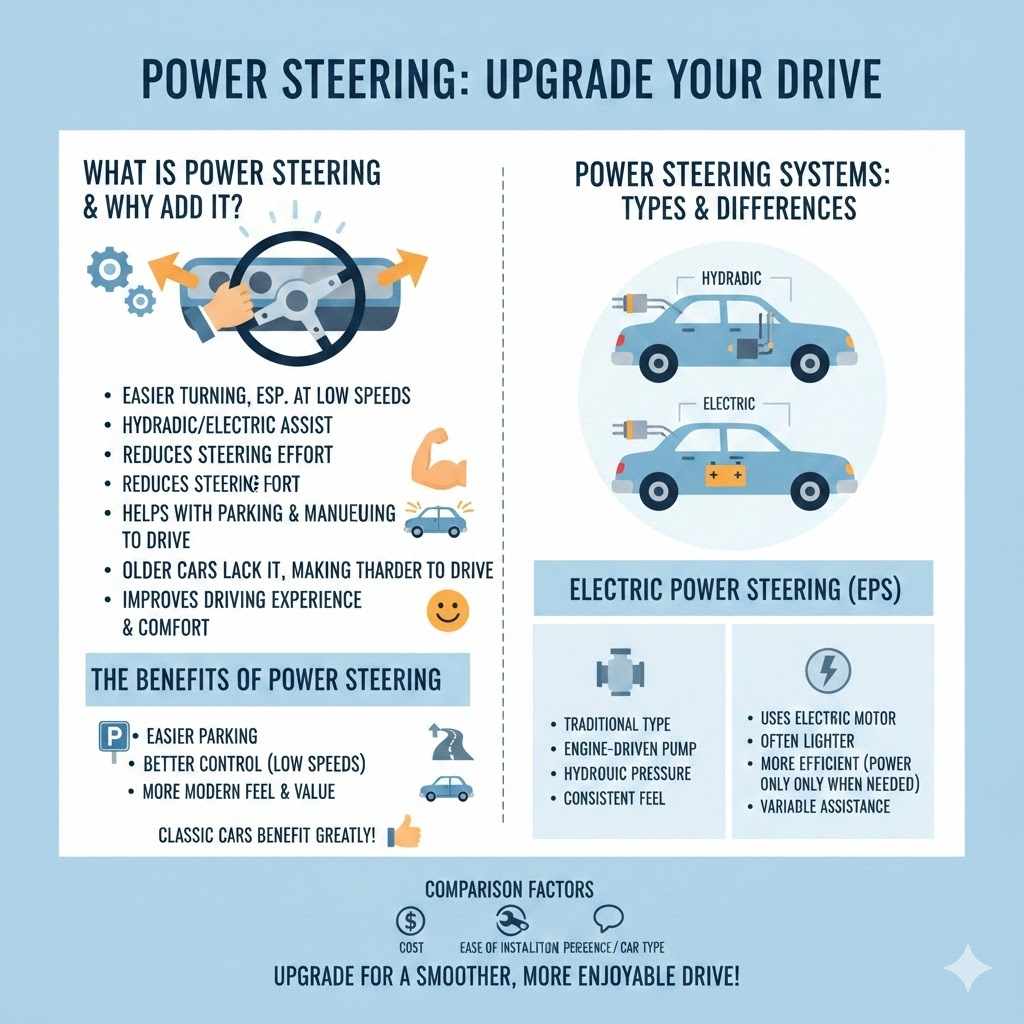
Power steering makes it easier to turn your car’s steering wheel, especially at slower speeds. It uses a hydraulic system or an electric motor to assist you, which reduces the effort required to steer. This is a big help when parking or maneuvering in tight spaces. Many older cars didn’t come with power steering, making them harder to drive, especially for those used to modern vehicles. Adding power steering can significantly improve the driving experience, making it less tiring and more comfortable.
The Benefits of Power Steering
The main reason people consider adding power steering is the improved driving experience. But beyond that, power steering also offers some real benefits. This can include easier parking, better control at low speeds, and improved handling. It can also make a car feel more modern and up-to-date, boosting its overall value. Adding power steering is not just about making turns easier; it’s about upgrading the overall feel of the car.
- Reduced Steering Effort: Power steering significantly cuts down the force needed to turn the steering wheel. This is super helpful when parking or making tight turns. Think of it like having a helper that takes some of the strain away.
- Enhanced Maneuverability: Because you don’t have to strain to turn the wheel, power steering makes it easier to control your car in various driving situations. This is especially true at low speeds. It means you can react faster and with more precision.
- Improved Driving Comfort: Steering a car without power steering can be tiring, especially on long trips or in stop-and-go traffic. Power steering reduces this fatigue, making driving more comfortable.
Many classic cars benefit greatly from the upgrade. The process, while not simple, is often well worth the effort. By upgrading, you make an older vehicle much more user-friendly. In many cases, adding power steering is one of the most satisfying upgrades you can do.
Power Steering Systems: Types and Differences
There are two main types of power steering systems: hydraulic and electric. Hydraulic systems use a pump powered by the engine to provide power assistance. Electric power steering (EPS) systems use an electric motor. Both systems help you steer, but they do it in different ways. Understanding the differences is important when deciding what to add to your car. Each type has its own strengths and weaknesses.
- Hydraulic Power Steering: Hydraulic systems are the more traditional type, using a pump driven by the engine to generate hydraulic pressure. This pressure helps push the steering components, making turning easier.
- Electric Power Steering (EPS): EPS systems use an electric motor to provide steering assistance. They are often lighter and can be more efficient because they only use power when needed. EPS is becoming more common in newer vehicles.
- Comparison Factors: Deciding between hydraulic and electric power steering often comes down to cost, ease of installation, and personal preference. Hydraulic systems may require more space, but they provide a consistent feel. EPS is often easier to install and can offer variable assistance.
The choice between hydraulic and electric often depends on the type of car you have. The available options and your budget will also be factors. Knowing the differences helps you to select the best system for your car.
Steps to Add Power Steering to a Car
Adding power steering is a project, but if you take it one step at a time, you can do it. This involves gathering parts, making modifications, and connecting everything properly. While the exact steps depend on your car, this guide offers an outline of the general process. Be patient, take your time, and follow each step carefully.
Planning and Gathering Parts
Before you begin, plan out what you need and what you can get. You’ll need to figure out which type of power steering system will work best for your car. This often involves researching what others have done with similar vehicles. Gathering the right parts from the start will save you time and frustration later. Having everything ready to go will make the job much easier.
- Research Your Car: Before you start, find out what power steering options were offered for your specific car model. This can help you determine the best approach. Check online forums and talk to other car enthusiasts.
- Choose Your System: Decide whether you want a hydraulic or electric power steering system. Consider factors such as cost, ease of installation, and the space available in your engine bay.
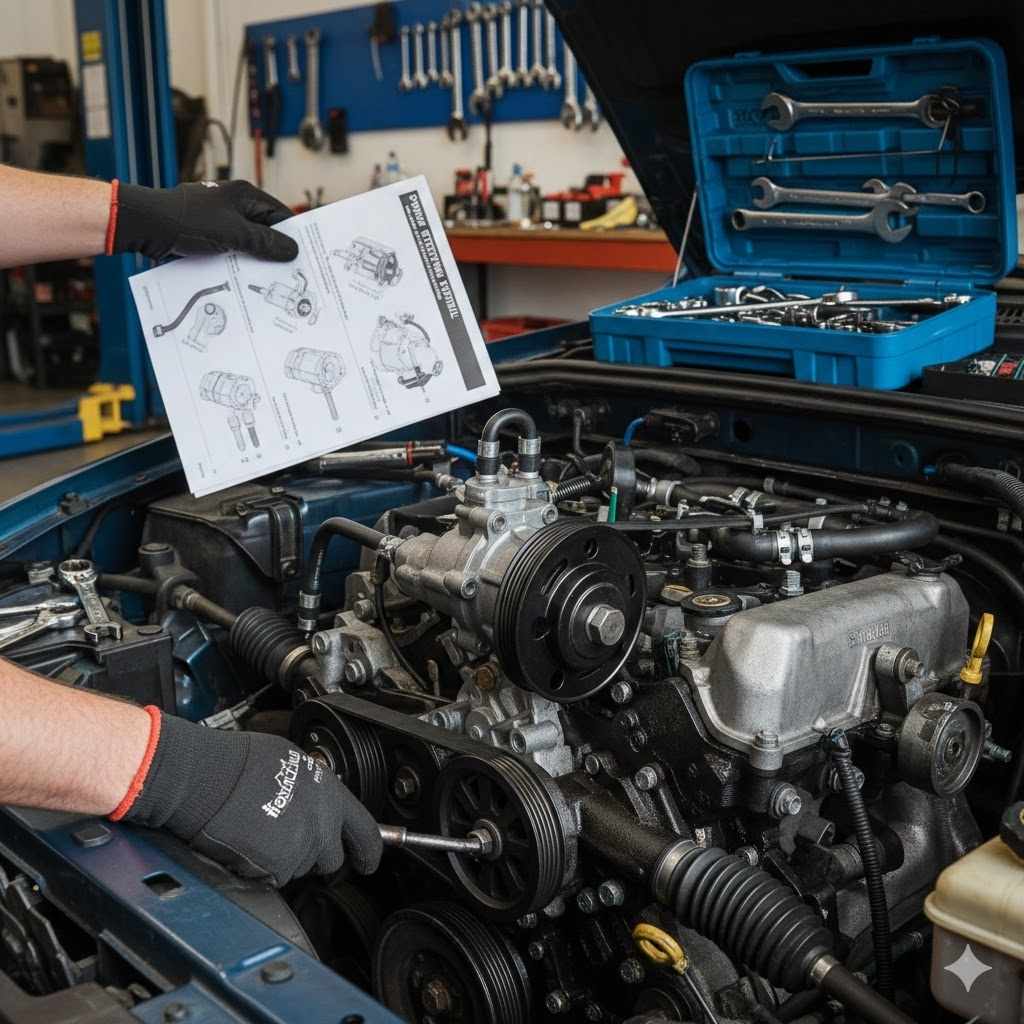
- Gather the Parts: Depending on the system, you’ll need components such as a power steering pump, a steering gear box, hoses, belts, an electric motor, and a control unit. Make sure to get all the necessary brackets, bolts, and hardware.
Choosing parts from reputable vendors is a good idea. This ensures you’ll get good quality components. Consider a complete kit to make sure you have everything you need. You’ll thank yourself later when things go smoothly.
Installation Process
The installation can seem intimidating at first. However, breaking it down into smaller steps can help. Each step needs attention to detail to ensure everything functions properly. You’ll need to work carefully to ensure everything fits and works correctly. If you’re using hydraulic power steering, you’ll need to bleed the system to remove air. Always check your work as you go to catch any potential problems early on.
- Removing Existing Components: If your car already has a manual steering system, you’ll first need to remove the existing steering gear box, steering linkage, and any other related parts. This clears the way for the new power steering components.
- Installing the Pump/Motor: For hydraulic systems, mount the power steering pump. This usually involves bolting it onto the engine and connecting it to the drive belt. For EPS, mount the motor.
- Connecting the Hoses and Wiring: If using a hydraulic system, connect the high-pressure and return hoses between the pump, the steering gear box, and the fluid reservoir. If you’re using EPS, you’ll need to connect the electrical wiring to the car’s power system and the control unit.
Proper installation is key for the power steering system to work properly. Make sure all connections are secure, and that the hoses and wires are routed correctly to avoid damage.
Testing and Fine-tuning
After installation, you’ll need to test the system and make sure it is working correctly. This step is about checking for leaks, ensuring the steering feels smooth, and making adjustments as needed. Take your time during this step, as it’s the final opportunity to ensure everything functions as it should. It may take some adjustments to get it just right.
- Filling and Bleeding the System: If you have a hydraulic system, fill the power steering fluid reservoir and bleed the system to remove air. This involves turning the steering wheel lock-to-lock with the engine running.
- Checking for Leaks: After bleeding, check all hoses, fittings, and connections for leaks. Leaks can cause loss of pressure and damage the pump. This is critical for the system’s performance.
- Adjustments and Fine-tuning: Test drive the car and make any necessary adjustments to the system. This might include adjusting the belt tension on a hydraulic pump or calibrating an EPS system.
Performing these checks and adjustments guarantees you get the best possible steering experience. Proper testing and adjustments can help extend the life of your power steering system.
Choosing the Right Power Steering System
The choice between hydraulic and electric power steering depends on several things. You’ll want to think about your budget, the car’s available space, and what you’re hoping to get from the upgrade. It’s smart to look at both options and make a decision based on your specific needs. Each type of power steering system offers its own unique benefits and drawbacks. Understanding these can help you decide which one is right for your car.
Hydraulic vs. Electric: A Comparison
Hydraulic systems are generally simpler, more traditional systems. They offer a strong steering feel, but can be less efficient and require more components. Electric power steering systems can be more complex to install, but they often offer greater efficiency. When choosing, you should consider things like how much space you have available and your budget. Both types of systems can bring a great driving feel to your classic car.
| Feature | Hydraulic Power Steering | Electric Power Steering (EPS) |
|---|---|---|
| Operation | Uses an engine-driven pump to create hydraulic pressure. | Uses an electric motor to assist steering. |
| Complexity | Can be simpler to understand but involves more components. | Can be more complex, but less engine load. |
| Installation | May require more space in the engine bay and more custom work. | Often easier to install and more adaptable. |
| Efficiency | Less efficient, as the pump runs constantly. | More efficient, as the motor only activates when steering. |
| Steering Feel | Provides a more consistent, traditional steering feel. | Can offer adjustable steering feel, but may require more calibration. |
Consider these points when making your decision. Weigh the pros and cons of each type of system. This comparison can help you make an informed choice.
Factors to Consider When Choosing
When picking a power steering system, take into account several aspects that go beyond the basic system type. Consider how much you want to spend, the car’s existing condition, and how the upgrade will change the car’s performance. Thinking about these details can help you select a power steering system that fits your needs. You’ll need to strike a balance between your goals and your resources.
- Cost: Power steering systems can vary greatly in price. Hydraulic systems can sometimes be less expensive, but the total cost depends on the parts needed. Electric systems may be cheaper overall.
- Installation Difficulty: Think about the installation process. If you want a straightforward project, consider a system with simpler installation steps. If you are handy with tools, you might be up for more complex work.
- Vehicle Compatibility: Check which systems are designed for your car. Some cars have specific kits available, while others might require custom work. Consider if the existing parts are compatible or if any additional modifications are needed.
Proper planning prevents problems down the road. Keep these factors in mind, as they affect the overall project. A well-considered decision results in a more rewarding upgrade.
Maintaining Your Power Steering System
Once you’ve added power steering, proper maintenance will keep it running smoothly and extend its life. This involves checking the fluid levels, looking for leaks, and ensuring the system operates correctly. By keeping up with routine maintenance, you can prevent problems and ensure your car’s power steering system continues to perform. Maintenance is a small price to pay for the long-term benefits.
Regular Inspections and Fluid Checks
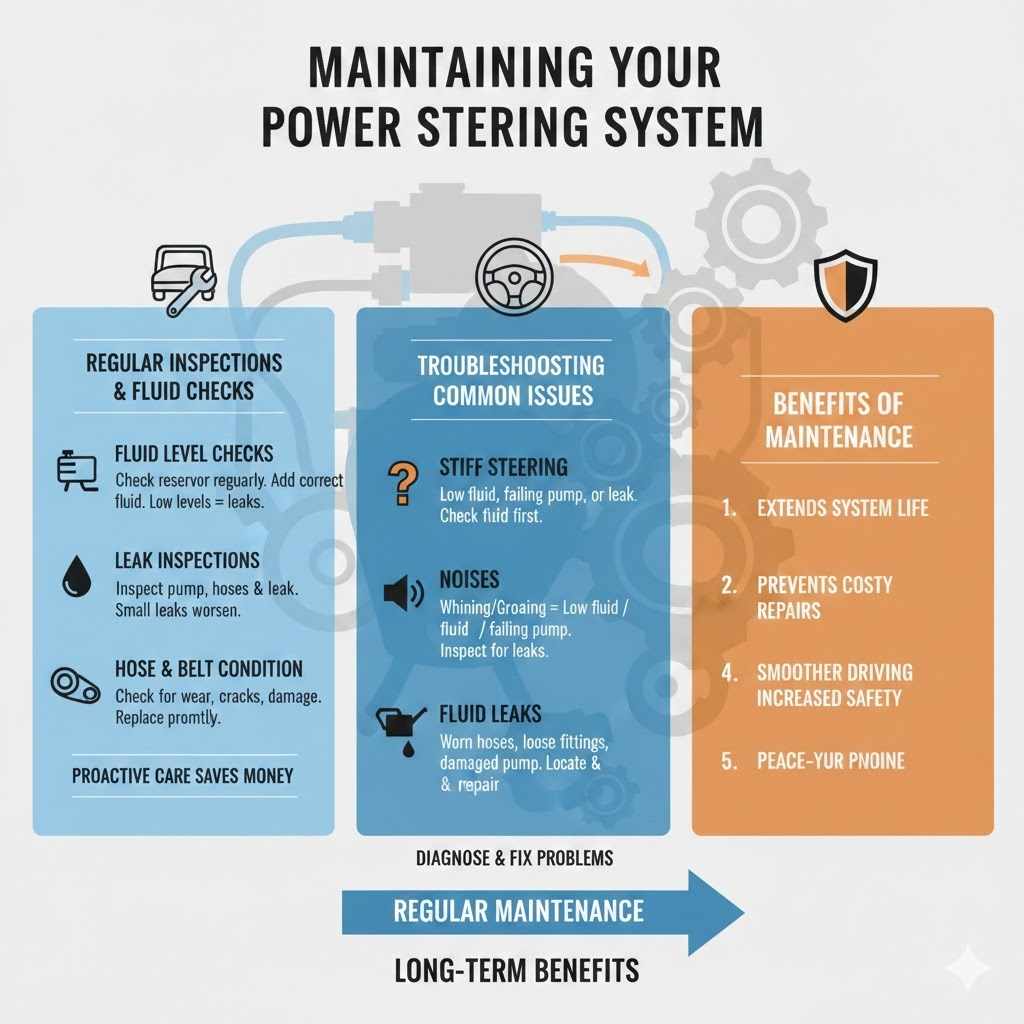
Regular inspections are important for the overall health of your power steering system. Check the fluid level regularly and look for any signs of leaks. These checks can help you catch problems early. The sooner you identify an issue, the less damage it is likely to cause. Making this a regular part of your car maintenance routine will ensure a longer life for your power steering system. This proactive approach will help you avoid more costly repairs in the future.
- Fluid Level Checks: Check the power steering fluid reservoir regularly. Add fluid as needed, using the correct type recommended for your system. Low fluid levels can indicate a leak or other problems.
- Leak Inspections: Regularly inspect the power steering system for leaks. Look around the pump, hoses, and steering gear box. A small leak can worsen over time, leading to more significant issues.
- Hose and Belt Condition: Check the hoses and belts for any signs of wear, cracks, or damage. Replace worn parts promptly to prevent failures. Regularly checking these parts can prevent unexpected breakdowns.
Regular inspections and fluid checks should become routine. Simple maintenance steps can prevent major problems. Staying aware of your car’s power steering condition will save you time, money, and stress.
Troubleshooting Common Issues
Even with good care, you may encounter problems. Knowing how to troubleshoot some common issues can save you a trip to the shop. Common problems include a stiff steering wheel, noises, and fluid leaks. Learning how to diagnose and fix these problems will give you control over your car maintenance. Knowing how to address these common issues will give you confidence.
- Stiff Steering: If the steering wheel is hard to turn, it may be due to low fluid, a failing pump, or a leak in the system. Check the fluid level first. If the fluid level is fine, you may have a failing pump or other problems.
- Noises: Whining or groaning noises often indicate low fluid or a failing pump. Check the fluid level and inspect the pump and hoses for leaks. Noises are often a sign of a deeper problem.
- Fluid Leaks: Leaks can come from worn hoses, loose fittings, or a damaged pump. Locate the source of the leak and repair or replace the damaged parts. Leaks can happen, but they can be prevented or quickly fixed.
Troubleshooting is part of car maintenance. Learning these troubleshooting steps can help resolve common issues. Being able to solve these problems yourself can be a big advantage.
Frequently Asked Questions
Question: Is adding power steering to an older car difficult?
Answer: It can be a challenge, but with the right steps and tools, it’s doable. The difficulty level varies based on the car’s model and your mechanical skill. Following the steps can make it easier.
Question: Can I install power steering myself, or do I need a mechanic?
Answer: Many car enthusiasts install power steering systems themselves. If you are comfortable working on cars and have access to the right tools, it is a project you can do on your own. It may be helpful to get a mechanic’s advice.
Question: How much does it cost to add power steering?
Answer: The cost varies based on the type of system you choose, the car model, and whether you do the work yourself or hire a professional. Budgeting for parts and labor is a good idea. Consider the costs of parts and labor.
Question: What are the main tools needed for this project?
Answer: You’ll need basic hand tools like wrenches, screwdrivers, and pliers. You might also need a jack, jack stands, and a torque wrench. Having the right tools makes the project much easier.
Question: Can I upgrade a manual steering car to power steering easily?
Answer: Yes, but the ease depends on your car model. Some cars have pre-made kits that make the process simpler. You’ll need to research what options are available for your car. Researching will save you time and money.
Final Thoughts
Adding power steering to your car can be a fulfilling project, offering a significant upgrade to your driving experience. By understanding the types of systems, planning thoroughly, and following the right steps, you can successfully enhance your vehicle. Remember to research thoroughly and consider your budget. The benefits will include easier steering, reduced fatigue, and better control. You can do this by taking it step by step and asking for help when needed. Taking your time, gathering the right parts, and making sure everything fits and functions correctly will give you a car you enjoy driving. The reward of a well-done upgrade is well worth the effort.