How to Change a Prius Key Fob Battery (CR2032 Guide)
Most Toyota Prius key fobs use a CR2032 coin battery, though some 2010-2015 Smart Key fobs take the slightly thinner CR1632 instead. The clearest sign it’s time for a new one is a “Key Battery Low” message on the dashboard, a shorter unlocking range, or a fob that stops responding when you press the button. Swapping it yourself takes about five minutes with a small screwdriver and costs $3-$6, versus $40-$100 at a dealership or auto shop.
What Is a Prius Car Key Battery?
BEST CR2032 REPLACEMENT KIT FOR PRIUS FOBS
 |
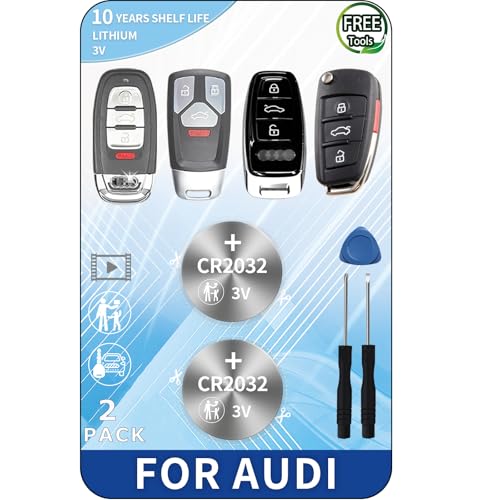
4-Pack CR2032 Key Fob Battery with Opening Tool – $5.99 A 4-pack means you have backups for every fob in the household, plus a plastic opening tool so you don’t have to improvise with a butter knife.
|
A Prius car key battery powers the key fob, the small device that locks, unlocks, and starts your car. It’s usually a small, round CR2032 battery. When it dies, you’ll typically notice:
- The car won’t unlock when you press the button.
- The key’s range gets noticeably shorter.
- A “Key Battery Low” warning shows on your dashboard multi-information display. Replacing it is far cheaper than a new key fob, which can run $200-$400 at a dealership.
Why Change the Battery Yourself?
Doing it yourself saves both time and money. A new CR2032 costs $3-$6, while a dealership or auto shop typically charges $40-$100 to swap the exact same battery. It’s also a five-minute job you can do at your kitchen table, in a parking lot, or anywhere else you happen to be when the low-battery warning pops up.
Tools and Materials You’ll Need
You don’t need much to replace the battery:
- CR2032 battery: Most Prius models use this. Check your owner’s manual to confirm.
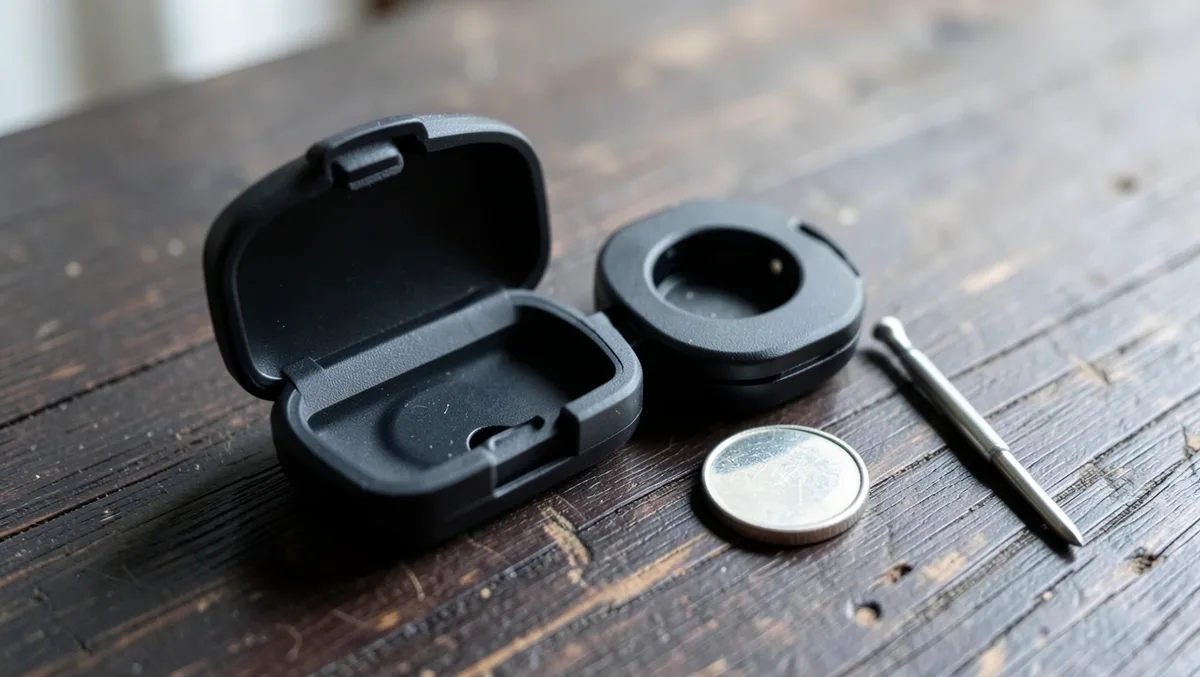
- Small flathead screwdriver: For prying open the fob.
- Clean cloth: To keep small screws and the battery from rolling away.
- Optional plastic pry tool: Prevents scratches on the fob’s plastic housing. A multi-pack of CR2032 batteries costs less per unit than buying one at a time, and unused coin cells keep for years in storage, so it’s worth having a spare in the glovebox.
Table 1: Tools and Costs for Prius Key Battery Replacement
| Item | Purpose | Cost |
|---|---|---|
| CR2032 Battery | Powers the key fob | $3-$6 |
| Small Flathead Screwdriver | Opens the fob | $1-$3 |
| Plastic Pry Tool | Prevents scratches | $2-$5 |
Step-by-Step Guide: How to Change Prius Car Key Battery
Here’s how to replace the battery in a Prius key fob. The exact steps vary by generation, since Toyota changed the fob design more than once between 2004 and today. Always work gently to avoid cracking the plastic case.
For 2004-2009 Prius (2nd Generation)
- Remove the mechanical key: Press the small button on the fob’s side and pull the key out.
- Open the fob: Use the mechanical key or a flathead screwdriver to pry open the fob at the seam.
- Remove the old battery: Gently pop out the CR2032 battery with the screwdriver. Note which side faces up before you remove it.
- Insert the new battery: Place a new CR2032 battery with the “+” side facing the same way the old one did.
- Close the fob: Snap the fob back together and reinsert the key.
- Test it: Press the unlock button to check that it works before you drive off.
For 2010-2015 Prius (3rd Generation)
- Release the key: Press the button on the fob’s edge to remove the mechanical key.
- Pry open the fob: Use a flathead screwdriver in the slot where the key was to open the fob.
- Replace the battery: Remove the old battery (CR2032 or CR1632, depending on your specific fob) and insert a new one facing the same way.
- Reassemble: Snap the fob shut and reinsert the key.
- Test the key: Try unlocking and starting your car before you rely on it.
For 2016-2022 Prius (4th Generation)
- Slide the latch: Press the latch on the fob’s back (Toyota logo side) to remove the cover.
- Remove screws: Use a small Phillips screwdriver to unscrew the screws inside.
- Swap the battery: Take out the old CR2032 and insert a new one facing the same direction.
- Reassemble: Screw the cover back on and snap it shut.
- Test it: Confirm the fob unlocks and starts the car.

Table 2: Battery Types by Prius Model
| Prius Model Year | Battery Type | Notes |
|---|---|---|
| 2004-2009 | CR2032 | Standard mechanical key fob. |
| 2010-2015 | CR2032 or CR1632 | Depends on whether your fob is a Smart Key; both sizes are used on this generation. |
| 2016-2022 | CR2032 | Most common for newer models. |
Sources disagree on exactly which 2010-2015 Prius fobs take a CR2032 versus a CR1632, because Toyota sold both a basic remote and a proximity Smart Key during that generation. The most reliable way to know for sure: pop the old battery out first and read the size printed directly on it, then buy an exact match rather than guessing from the model year alone.
Common Mistakes to Avoid
A handful of mistakes account for most failed battery swaps. Avoiding them keeps this a five-minute job instead of an unplanned trip to the dealership:
- Using the wrong battery: Always confirm whether it’s CR2032 or CR1632 before buying. A wrong-size battery simply won’t fit.
- Forcing the fob open: Work the seam gently to avoid cracking the plastic housing.
- Ignoring polarity: The battery must face the same direction as the one you removed, or the fob won’t power on.
- Not testing after: Always test the fob before you drive away.
Benefits of DIY Replacement
Changing the battery yourself is quick and cheap. It takes 5-10 minutes and costs less than $6. Dealerships often charge $50-$100 for the same swap and may require an appointment, while a DIY replacement can happen anywhere you have a screwdriver and a spare battery on hand.
Drawbacks of DIY Replacement
Sometimes the fob still doesn’t work after a fresh battery. This usually points to a corroded contact, a failed internal transponder chip, or a broken button, any of which may require a dealership visit. A scratched case from prying is purely cosmetic, but repeated force in the same spot can eventually crack the plastic latch.
Personal Tips for Success
A few habits make the battery swap go more smoothly:
- Buy quality batteries: Name brands like Energizer or Panasonic typically last 2-5 years in normal use.
- Keep spares: Store an extra CR2032 in your glovebox or wallet so you’re never stranded if the fob dies away from home.
- Work on a cloth: This keeps you from losing tiny screws or the battery itself.
- Check the manual: Your Prius owner’s manual lists the exact battery type and model-specific opening steps for your fob.
Table 3: DIY vs. Dealership Replacement
| Option | Cost | Time | Pros | Cons |
|---|---|---|---|---|
| DIY | $3-$6 | 5-10 minutes | Cheap, fast, no appointment | Small risk of scratching or cracking the fob |
| Dealership | $40-$100 | 30-60 minutes plus wait | Professional, can diagnose other fob issues | More expensive, requires an appointment |
Troubleshooting If the Fob Doesn’t Work
If your fob still doesn’t work after replacing the battery, try these steps:
- Check the battery fit: Make sure it’s snug in the slot and facing the correct direction.
- Clean the contacts: Wipe the battery slot’s metal contacts with a dry cloth to remove any corrosion.
- Test with a spare fob: If you have a second key, check whether it works to isolate the problem.
- Visit a dealership: If cleaning the contacts doesn’t help, the fob’s transponder chip may need professional reprogramming or replacement.
Where to Buy Batteries
You can find CR2032 batteries at:
- Online: Amazon or Walmart for multi-pack deals.
- Stores: CVS, Walgreens, or auto shops like AutoZone.
- Toyota dealerships: They sell the batteries too, but usually at a markup over retail.
Conclusion
Changing your Prius car key battery is a simple, money-saving task almost anyone can do. With a CR2032 (or CR1632) battery and a small screwdriver, you’re set in five minutes. Confirm the right battery type first, work gently when prying the fob open, and test it before you rely on it. For the general opening technique that applies across most makes, see this guide to opening a car key fob.
Frequently Asked Questions
What Battery Does a Prius Key Fob Use?
Most Prius key fobs use a CR2032 battery. Some 2010-2015 Smart Key fobs use a CR1632 instead, so check your owner’s manual or the size printed on the old battery to confirm. Both sizes are inexpensive and sold at most stores, including Walmart, for $3-$6.
How Long Does a Prius Key Battery Last?
A Prius key battery typically lasts 2-5 years, depending on how often you press the buttons and how far you park from the car. Heavy daily use can shorten that to around 18 months. Keeping a spare CR2032 on hand means you won’t be caught off guard when it finally dies.
Can I Start My Prius with a Dead Key Battery?
Yes. Holding the fob directly against the start button lets the vehicle read its backup RFID chip, which doesn’t need battery power. This works as a temporary fix for most Prius Smart Key models until you can replace the coin battery.
What If My Key Fob Still Doesn’t Work?
If a new battery doesn’t fix it, try cleaning the battery slot’s contacts or testing a different battery in case the first one was also weak or dead. If it still fails, the fob’s internal transponder chip may be damaged, which a Toyota dealership can diagnose and, if needed, replace.
Can I Damage My Key Fob While Changing the Battery?
Yes, if you’re not careful. Forcing the fob open can crack the plastic housing, and a metal tool can scratch the case. A plastic pry tool reduces both risks. Working slowly and prying at the seam, rather than the middle of a panel, keeps the fob intact.
Where Can I Buy a Prius Key Fob Battery?
CR2032 batteries are sold at Walmart, Amazon, and auto parts stores like AutoZone for $3-$6. Buying a multi-pack online is usually the cheapest per-battery option and leaves you with a spare. Dealerships sell them too, but typically at a higher price. Confirm your exact battery type before buying.
How Do I Know If My Prius Key Battery Is Low?
Your Prius will typically show a “Key Battery Low” warning on the dashboard’s multi-information display. You may also notice a shorter unlocking range or a fob that takes several presses to respond. Replace the battery as soon as you see the warning to avoid getting locked out.
Products related to this article
Sponsored / affiliate links. As an Amazon Associate I earn from qualifying purchases. I may earn additional commission from eligible campaigns.