How to Wax a Black Car: Step-by-Step Guide to Avoid Swirl Marks
Waxing a black car works best with a thin carnauba or ceramic-hybrid coat applied in the shade at 55–85°F — direct sun bakes the wax on and leaves visible streaks. Because black paint shows every swirl mark far more than lighter colors, rushed technique turns a quick job into hours of correction work. This guide covers choosing the right wax, prepping the paint, step-by-step application, and how often to reapply.
Quick Answer
Wash and clay the paint first, then work in a shaded area between 55–85°F. Apply a thin coat of carnauba or ceramic-hybrid wax with a foam applicator pad, let it haze 5–15 minutes, and buff with a clean microfiber towel. Reapply carnauba every 4–8 weeks or a ceramic-hybrid wax every 4–6 months.
Why Waxing a Black Car Is So Important
Black cars are gorgeous, but they’re high-maintenance. Tiny scratches and swirl marks pop up fast, even after a careful wash. Waxing does more than make your car look good—it creates a protective layer over the paint. This layer shields it from UV rays, road grime, bird droppings, and even light scratches. For black cars, waxing is extra important because it hides minor imperfections and enhances that deep, reflective shine.
Wax also makes cleaning easier. Dirt and bugs slide off a waxed surface, so you spend less time scrubbing. A good wax can last weeks or even months depending on the product and your car’s exposure to the elements, and regular waxing keeps a black finish looking showroom-ready between details.
Why Does Black Paint Show Swirl Marks More Than Other Colors?
Black paint doesn’t scratch more easily than any other color — it just shows the damage more clearly. Lighter colors reflect broad glare across the panel, and that glare washes over fine scratches and hides them. Black paint has far less surface brightness to fall back on, so a clear-coat scratch reads as a bright white line against a dark background with nothing to camouflage it.
📊 A scratch in the clear coat looks identical on every paint color, but it only becomes visually obvious on dark cars because of the contrast between the scratch and the surrounding paint. — Source: Cars.com, detailing guide
Choosing the Right Wax for Your Black Car
For black cars, you want a wax that enhances gloss and hides minor swirl marks. Carnauba wax gives that deep, wet look — it’s natural, rich, and remains the go-to for enthusiasts chasing maximum depth. Synthetic waxes, or sealants, last longer and are easier to apply, but they don’t always match carnauba’s depth. Spray waxes are quick for touch-ups but lack the durability for long-term protection.
Here’s a quick comparison to help you choose (see our full best car wax for black paint roundup for more picks):
| Wax Type | Pros | Cons | Best For |
|---|---|---|---|
| Carnauba Wax | Deep, glossy shine; enhances black paint | Shorter lifespan (4–8 weeks) | Show cars, enthusiasts |
| Ceramic-Hybrid Wax | Carnauba-level gloss with added durability (4–6 months) | Costs more per bottle | Daily drivers who still want depth |
| Synthetic Sealant | Long-lasting (3–6 months); easy to apply | Less depth in shine | Daily drivers, durability |
| Spray Wax | Fast application; great for touch-ups | Shortest lifespan (1–2 weeks) | Quick maintenance |
A high-quality carnauba wax gives black paint the deepest shine. If you’re new to waxing, a synthetic sealant is more forgiving and easier to use. Always check for products labeled “safe for dark colors” to avoid streaks on black paint.
Is Ceramic Wax Better Than Carnauba for Black Cars?
Ceramic-hybrid wax is the better choice for daily drivers, while pure carnauba is better for show cars and weekend vehicles. Ceramic-infused waxes bond more chemically to the clear coat and resist UV and hard water better than carnauba alone, often lasting 4–6 months instead of 4–8 weeks. Pure carnauba still edges out ceramic hybrids on raw depth and warmth of shine, which is why detailers chasing a show-car look tend to stick with it despite the shorter lifespan.
Best Black Car Wax Pick
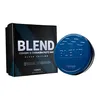
Vonixx Blend Ceramic & Carnauba Paste Wax – Black Edition
A ceramic-hybrid formulated specifically for dark paint, blending carnauba’s warm gloss with a coating’s durability.
- Best for: Daily drivers that still want a deep, wet-look shine
- Why we picked it: Formulated for dark paint and rated up to 7 months of protection, bridging the gap between pure carnauba and a full ceramic coating
- Main drawback: Costs more per application than a basic synthetic sealant
Compare more black car wax options
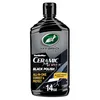 Option 1 Turtle Wax Hybrid Solutions Black Wax
|
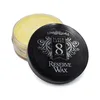 Option 2 Pinnacle Black Label Reserve Wax
|
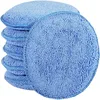 Option 3 Foam Wax Applicator Pads (6-Pack)
|
As an Amazon Associate we earn from qualifying purchases.
Preparing Your Black Car for Waxing
Before you even open the wax, your car needs to be spotless. Waxing a dirty car is a common mistake — dirt gets trapped under the wax and leaves fine scratches. Start by washing your car thoroughly. The two-bucket method works well: one bucket with car shampoo and one with clean water for rinsing your mitt, which keeps dirt from grinding into the paint.
After washing, dry the car with microfiber towels to avoid water spots. Black cars show every smudge, so take your time here. Next, inspect the paint for contaminants like tar or tree sap. A clay bar is a lifesaver for this — glide it over the surface with a lubricant and the paint becomes smooth as glass.
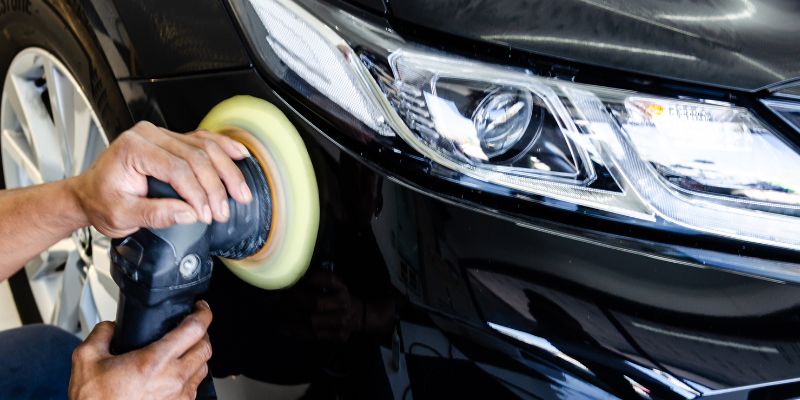
If you notice swirl marks or light scratches, consider using a polish before waxing. Polishing is optional, but it removes minor imperfections and makes black paint pop. A dual-action polisher with a light-cutting pad and a polish like Chemical Guys V36 works well — go slow, since black paint shows mistakes easily.
“We use a dual-action polisher with a light-cutting pad and a polish like Chemical Guys V36 before waxing black paint, and we check the work under a shop light instead of daylight — overhead sun hides the same swirl marks a direct light source reveals instantly.”
Gathering the Right Tools and Supplies
Waxing a black car isn’t just about the wax itself — you need the right tools to make it easy and effective. Here’s what to keep on hand:
- Car shampoo: pH-balanced to avoid stripping existing wax.
- Microfiber wash mitts: Soft and safe for paint.
- Two buckets with grit guards: Keeps dirt away from your mitt.
- Clay bar and lubricant: For decontamination.
- Microfiber towels: For drying and buffing.
- Foam applicator pads: For applying wax evenly.
- Optional polisher and pads: For polishing if needed.
- A shady spot or garage: Direct sunlight can bake wax onto the paint.
Avoid cheap sponges or towels — they can scratch black paint easily. Quality microfiber products are worth the extra cost.
Step-by-Step Guide to Waxing Your Black Car
Once the paint is washed, clayed, and dry, here’s the process broken down into five steps.
Step 1: Work in a Cool, Shady Area
Never wax in direct sunlight. Most waxes perform best between 55–85°F — direct sun can push the panel’s surface temperature well above the air temperature, making wax dry too fast and leaving streaks on black paint. Work in a garage or under a tree, and make sure the car’s surface is cool to the touch before starting.
Step 2: Apply Wax in Small Sections
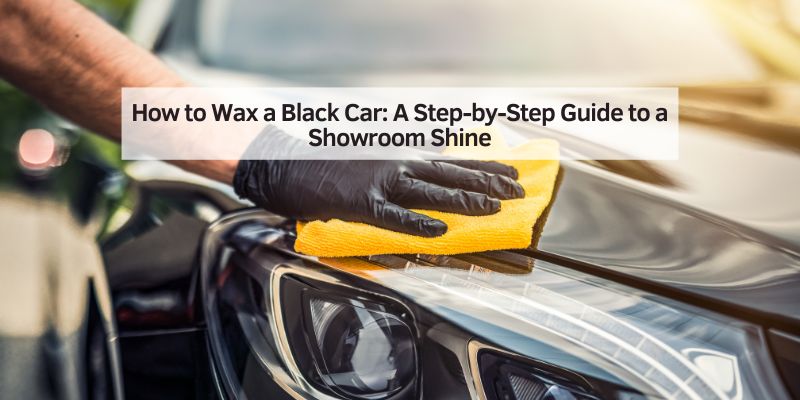
Work on one section at a time — like a door, hood, or fender. Use a foam applicator pad and apply a thin layer of wax in circular motions. Less is more here; a thick layer doesn’t mean better protection. For carnauba wax, a dime-sized amount per section is plenty. If you’re using spray wax, mist it lightly and spread it with a microfiber towel.
Step 3: Let the Wax Cure
Give the wax time to bond with the paint. Most waxes need 5–15 minutes to haze over, forming a cloudy film. Check the product instructions — some synthetic waxes cure faster. A quick swipe test with a finger works too: if it smears, it needs more time.
Step 4: Buff Off the Wax
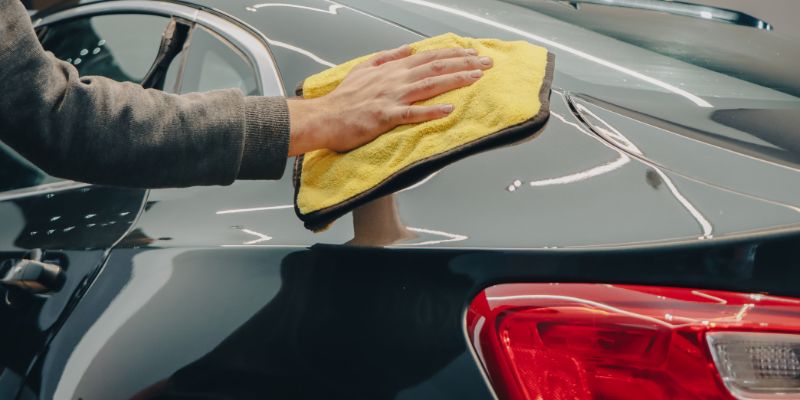
Use a clean microfiber towel to buff off the wax in gentle, circular motions. Flip the towel often to avoid spreading residue. Black paint shows streaks easily, so use two towels: one for initial removal and another for a final polish.
Step 5: Repeat for the Entire Car
Move section by section until the whole car is waxed. A sedan usually takes about an hour, but it’s worth it for that deep, glossy finish. If you’re using a sealant, you might need a second coat for extra protection — check the label.
Tips for Avoiding Common Mistakes
Waxing a black car can be tricky. Here are some pitfalls to avoid:
- Don’t rush the prep: Skipping the wash or clay bar leaves contaminants that can scratch the paint.
- Avoid too much wax: A thick layer is hard to buff off and can leave haze marks.
- Don’t wax in direct sun: It’s a recipe for streaks and baked-on residue.
- Use microfiber, not cotton: Cotton towels can cause micro-scratches on black paint.
- Check for streaks: After buffing, inspect under different lights — black cars show every flaw.
Rushing the job is the most common cause of streaks that take forever to fix. Take your time, and you’ll get that flawless finish.
Maintaining That Wax Shine
After waxing, you want that shine to last. Wash the car every week or two with a gentle car shampoo to avoid stripping the wax. Automatic car washes with brushes are hard on black paint, so hand-washing gives you more control. If you need a quick touch-up, a spray wax or detailer spray can boost the shine between full wax jobs.
Park in a garage or under cover when possible to protect the wax from sun and rain. A quick detailer spray after washing adds a little extra gloss. Re-wax every 1–3 months depending on your wax type and driving conditions — carnauba wax on a car parked outside often needs refreshing every 6–8 weeks. For more on shielding black paint day to day, see this guide to protecting black car paint from damage.
Why Black Cars Are Worth the Extra Effort
Waxing a black car takes time, but the results are worth it. That deep, mirror-like shine is unmatched, and black cars stay stunning for years with the right care. The visible payoff of a fresh wax job — strangers noticing the finish at a gas station — comes directly from the effort put into the process above.
Conclusion
Waxing a black car comes down to prep, temperature, and technique: wash and clay the paint, work in the shade between 55–85°F, apply a thin coat, and buff with clean microfiber. Choosing carnauba or a ceramic-hybrid wax and reapplying on schedule keeps that mirror-like shine looking sharp instead of streaked. Grab your supplies, find a shady spot, and your black paint will show it.
FAQs
Can I use dish soap to wash my car before waxing?
No, dish soap is too harsh and can strip existing wax or damage the paint. Use a pH-balanced car shampoo instead — it cleans well without harming the finish, especially on black cars where every mark shows.
How often should I wax my black car?
It depends on the wax and your driving conditions. Carnauba wax needs reapplying every 4–8 weeks for that deep shine, while a ceramic-hybrid or synthetic wax can last 3–6 months. Cars driven daily or parked outside need more frequent applications.
Will waxing remove scratches from my black car?
Waxing can hide minor swirl marks, but it won’t remove deeper scratches. For those, use a light polish with a dual-action polisher before waxing. If the scratch is deep, you might need a professional touch-up.
Is it okay to wax my black car in a car wash?
It’s not recommended. Automatic car washes often use low-quality wax and harsh brushes that can scratch black paint. Hand-waxing gives you control and ensures a streak-free finish.
Can I use a spray wax instead of paste wax?
Yes, spray wax is great for quick touch-ups or beginners. It’s easy to apply but doesn’t last as long as paste or liquid wax — use it between full wax jobs to keep the shine going.
What temperature is too hot to wax a car?
Anything above roughly 85°F, or any direct sunlight regardless of air temperature, is too hot. Heat makes wax dry before you can spread and buff it, leaving streaks and baked-on residue on black paint. Wait for a cooler part of the day or move the car into shade.
Does ceramic wax last longer than carnauba on a daily-driven black car?
Yes. A ceramic-hybrid wax typically holds up for 4–6 months on a daily driver versus 4–8 weeks for pure carnauba, because it bonds more chemically to the clear coat and resists UV and hard water better. Pure carnauba still gives a slightly deeper, warmer shine if you’re willing to reapply it more often.
Products related to this article
Sponsored / affiliate links. As an Amazon Associate I earn from qualifying purchases. I may earn additional commission from eligible campaigns.