Can You Put Too Much Freon in a Car: Risks and Remedies Explained
Have you ever wondered if adding more Freon to your car’s air conditioning system could make it cooler? It’s a common thought: more refrigerant means better cooling, right?
But what if putting too much Freon actually harms your car instead of helping it? If you want to keep your AC running smoothly without causing damage, it’s important to know the risks of overcharging your system. Keep reading to find out why too much Freon can be a problem and how to avoid costly mistakes that affect your comfort and your wallet.
Freon Basics In Car Ac
Understanding the basics of Freon in a car’s air conditioning system helps to keep it working well. Freon is a key part of cooling air inside the car. It moves heat out of the cabin to make the air cool and fresh. Knowing what Freon does and the types used helps with proper car care.
Role Of Freon
Freon acts as the cooling agent in the car AC. It absorbs heat from inside the car and releases it outside. This process keeps the air inside cool and comfortable. Without Freon, the AC cannot cool the air. It flows through pipes and changes from liquid to gas and back. This cycle removes heat and cools the cabin.
Types Of Refrigerants
Different cars use different types of Freon or refrigerants. The most common type used today is R-134a. Newer cars might use R-1234yf, which is better for the environment. Older cars might have used R-12, but it is now banned in many places. Each type has unique properties and requires specific handling. Using the right refrigerant is important for AC performance and safety.
Effects Of Excess Freon
Adding too much Freon to your car’s air conditioning system can cause several problems. The effects are not just about discomfort but can harm the system. Knowing these effects helps protect your car and save repair costs.
Pressure Build-up
Excess Freon raises the pressure inside the AC system. High pressure can lead to leaks or burst hoses. It puts stress on seals and other parts. This pressure can cause the system to fail quickly.
Compressor Damage
The compressor works hard to move Freon through the system. Too much Freon makes the compressor work harder than normal. This extra strain can cause it to overheat or break. Repairing or replacing the compressor can be expensive.
Reduced Cooling Efficiency
More Freon does not mean colder air. Too much Freon lowers the system’s ability to cool. The AC may blow warm or less cold air than before. This wastes energy and makes the ride uncomfortable.
Signs Of Overcharged Ac
Overcharging your car’s AC with Freon can cause several problems. It affects the system’s balance and can damage parts. Recognizing signs of an overcharged AC helps prevent costly repairs. Watch for unusual sounds, strange ice, or poor cooling. These clues show your AC needs attention fast.
Hissing Noises
A loud hissing sound near the AC unit often means too much Freon. This noise comes from excess pressure inside the system. It can signal leaks or stress on components. Hissing should not be ignored. It may get worse and cause bigger damage.
Ice Formation
Ice on the AC lines or evaporator is a common sign of overcharging. Too much Freon lowers the temperature too much, causing frost. Ice blocks airflow and reduces cooling power. This ice buildup can harm the compressor and other parts.
Ac Performance Issues
Overcharged AC systems often cool poorly despite running hard. You may feel weak or warm air instead of cold. The system struggles under high pressure, lowering efficiency. This poor performance means the AC needs a Freon check soon.
Risks To Vehicle Components
Putting too much Freon in a car can harm its parts. The cooling system works best with the right amount of Freon. Too much pressure causes problems inside the system. Parts can wear out or break down fast.
Impact On Compressor
The compressor pumps Freon through the system. Too much Freon raises pressure inside the compressor. High pressure makes the compressor work harder. This stress can cause the compressor to fail early. Repairing or replacing it is often costly.
Damage To Hoses And Seals
Hoses and seals hold the Freon in place. Extra Freon pressure can stretch or crack these parts. Cracks let Freon leak out. Leaks reduce cooling and damage the environment. Damaged hoses and seals need quick fixing to stop leaks.
Electrical System Strain
The air conditioning system uses electrical parts to run. Too much Freon makes the system work harder. This extra work can strain electrical components. Over time, wires or switches may fail. Electrical problems can cause the AC to stop working.
Safe Freon Charging Practices
Handling Freon in your car’s air conditioning system needs care. Too much or too little Freon can cause problems. Safe charging practices help keep your AC working well. They also prevent damage and high repair costs.
Following the right steps protects your car and your safety. Learn the best ways to check, measure, and add Freon correctly.
Checking Manufacturer Guidelines
Start by reading your car’s manual. It shows the exact Freon amount needed. Different cars require different amounts. Using too much Freon can harm the AC system. Too little means poor cooling. Always trust the manufacturer’s numbers for best results.
Using Proper Equipment
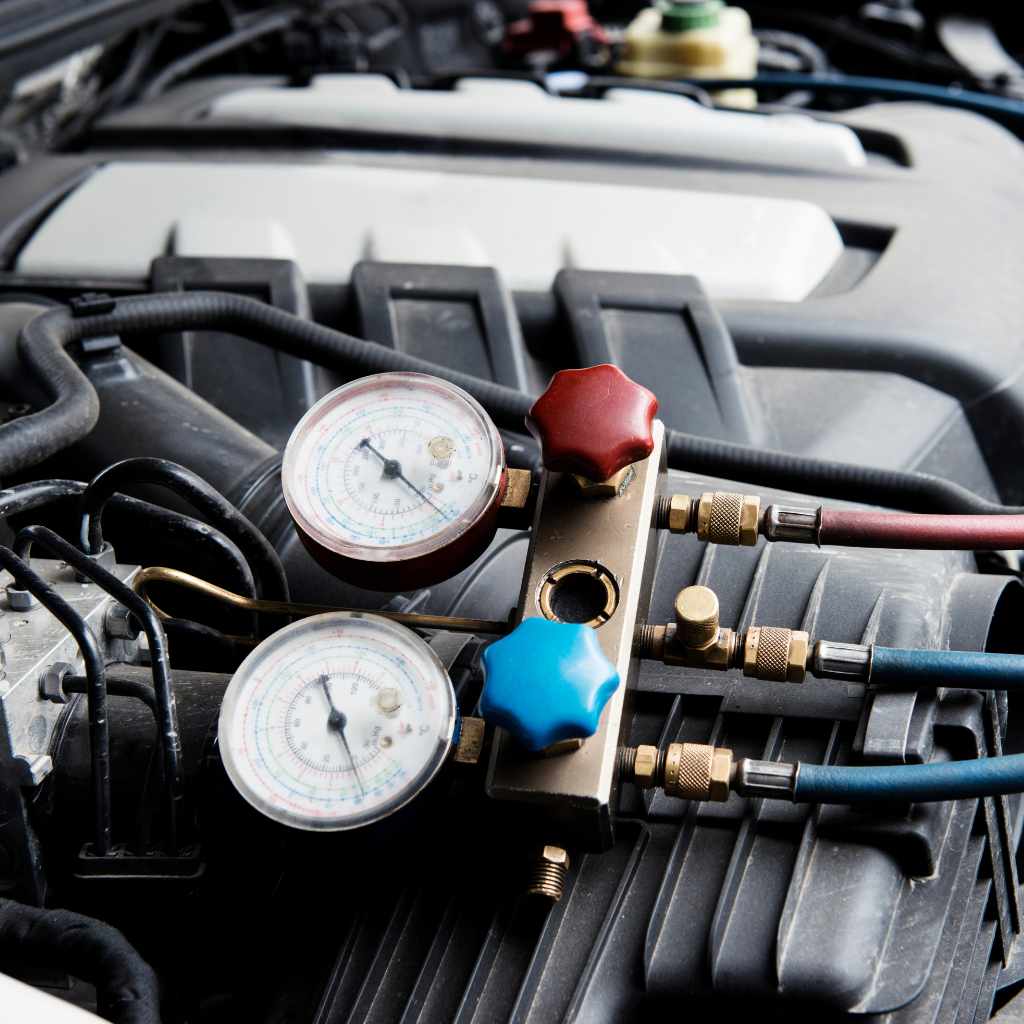
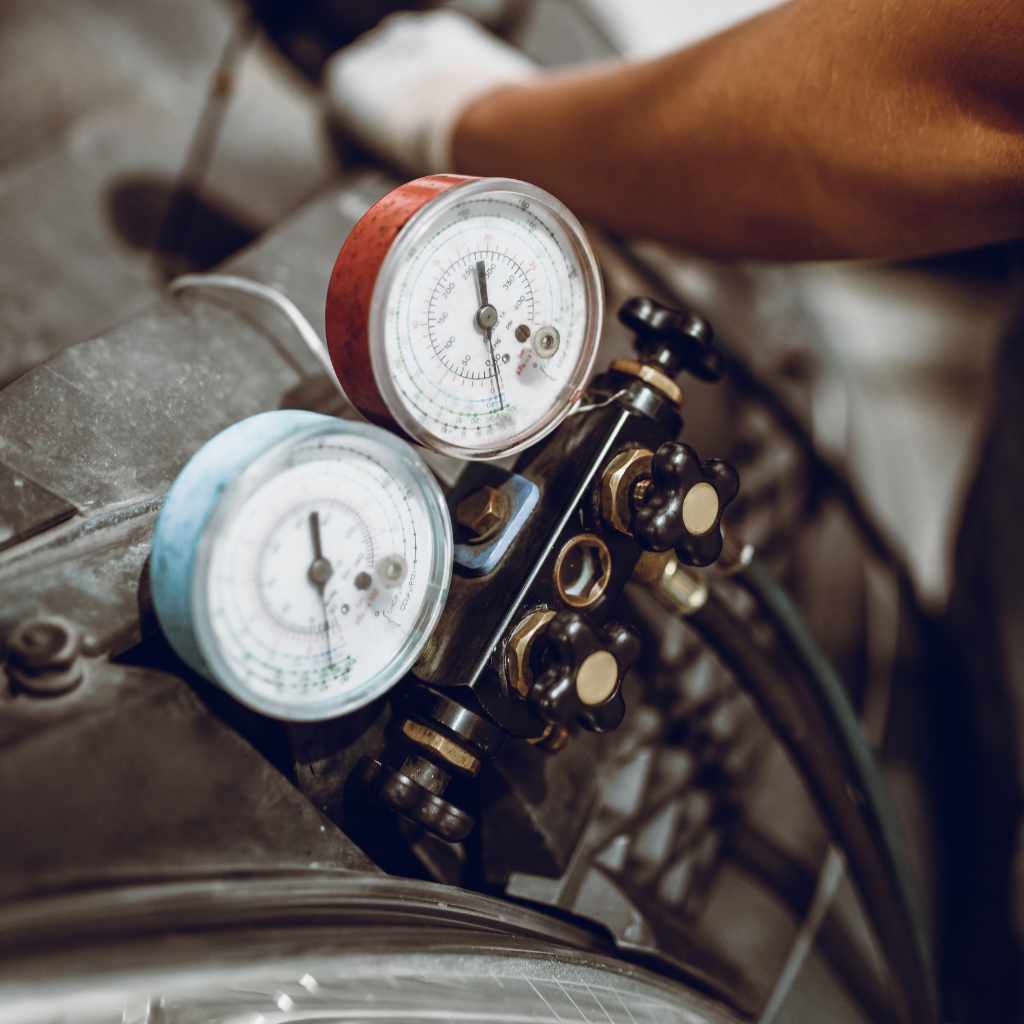
Use the right tools to measure Freon levels. A pressure gauge helps check the system pressure. A scale measures the Freon amount added. Proper equipment prevents overcharging. It makes the process accurate and safe. Avoid guesswork or using random tools.
Professional Servicing
Many choose professional help for Freon charging. Experts have the right tools and knowledge. They can spot leaks and fix issues. Professionals ensure the correct Freon amount. This saves you from costly mistakes. Trust experts for safe and reliable service.
Fixing Overcharged Ac Systems
Fixing an overcharged AC system is important to keep your car cool and safe. Too much Freon can cause high pressure and damage parts. It also makes the AC less efficient. Taking steps to correct the problem helps the system work well again.
Releasing Excess Freon
Start by releasing the extra Freon carefully. Use proper tools to avoid harm. Let out small amounts at a time. Watch the pressure gauges closely. Stop releasing when the pressure reaches the right level. Never release Freon into the air. It harms the environment and may break laws.
System Leak Checks
After adjusting the Freon, check for leaks. Leaks cause loss of refrigerant and reduce cooling. Use a leak detector or soapy water on pipes and connections. Look for bubbles or wet spots. Fix any leaks found before adding more Freon. A sealed system keeps working longer and saves money.
Recharging Correctly
Add Freon slowly and carefully after fixing leaks. Follow your car’s manual for the exact amount. Use the right type of refrigerant only. Check pressure gauges to ensure proper levels. Too little or too much Freon hurts AC performance. Proper charging makes your AC cold and reliable again.
Environmental Concerns
Environmental concerns arise when too much Freon is added to a car’s air conditioning system. Freon is a refrigerant that can harm the environment if not handled properly. Overcharging a system increases the risk of leaks. These leaks release harmful gases into the atmosphere. Understanding the environmental impact helps us protect the planet better.
Freon And Ozone Layer
Freon contains chemicals that can damage the ozone layer. The ozone layer protects life on Earth from harmful ultraviolet rays. When Freon escapes into the air, it breaks down ozone molecules. This creates holes in the ozone layer. These holes increase the risk of skin cancer and other health problems. Using too much Freon raises the chance of leaks and damage to this vital shield.
Proper Disposal Methods
Proper disposal of Freon is crucial to avoid environmental harm. Freon must not be released into the air. Certified technicians use special tools to capture and recycle it. Many places have regulations for safe Freon disposal. Following these rules prevents pollution and protects the ozone layer. Always ensure your car’s Freon is handled by professionals.
Frequently Asked Questions
Can Overcharging Freon Damage My Car’s Ac System?
Yes, overcharging Freon can damage your car’s AC system. It increases pressure, causing leaks or compressor failure. Proper Freon levels ensure efficient cooling and system longevity.
How Do I Know If My Car Has Too Much Freon?
Signs include poor cooling, hissing noises, or AC system freezing. Overcharged Freon causes high pressure, reducing efficiency and potentially damaging components.
Can Too Much Freon Cause My Ac To Stop Working?
Yes, excess Freon raises system pressure, triggering safety switches. This shuts off the AC to prevent damage, requiring proper Freon levels for normal operation.
Is It Safe To Add Freon Without Measuring Levels?
No, adding Freon without measuring can lead to overcharging or undercharging. Always check system pressure and follow manufacturer guidelines to maintain AC health.
Conclusion
Too much Freon can harm your car’s AC system. It may cause poor cooling or damage parts. Always add Freon carefully and check the pressure. Overcharging wastes money and risks safety. Trust a professional if unsure about the process. Proper care keeps your car cool and running well.
Don’t let too much Freon ruin your ride. Stay safe and maintain your AC correctly for comfort.