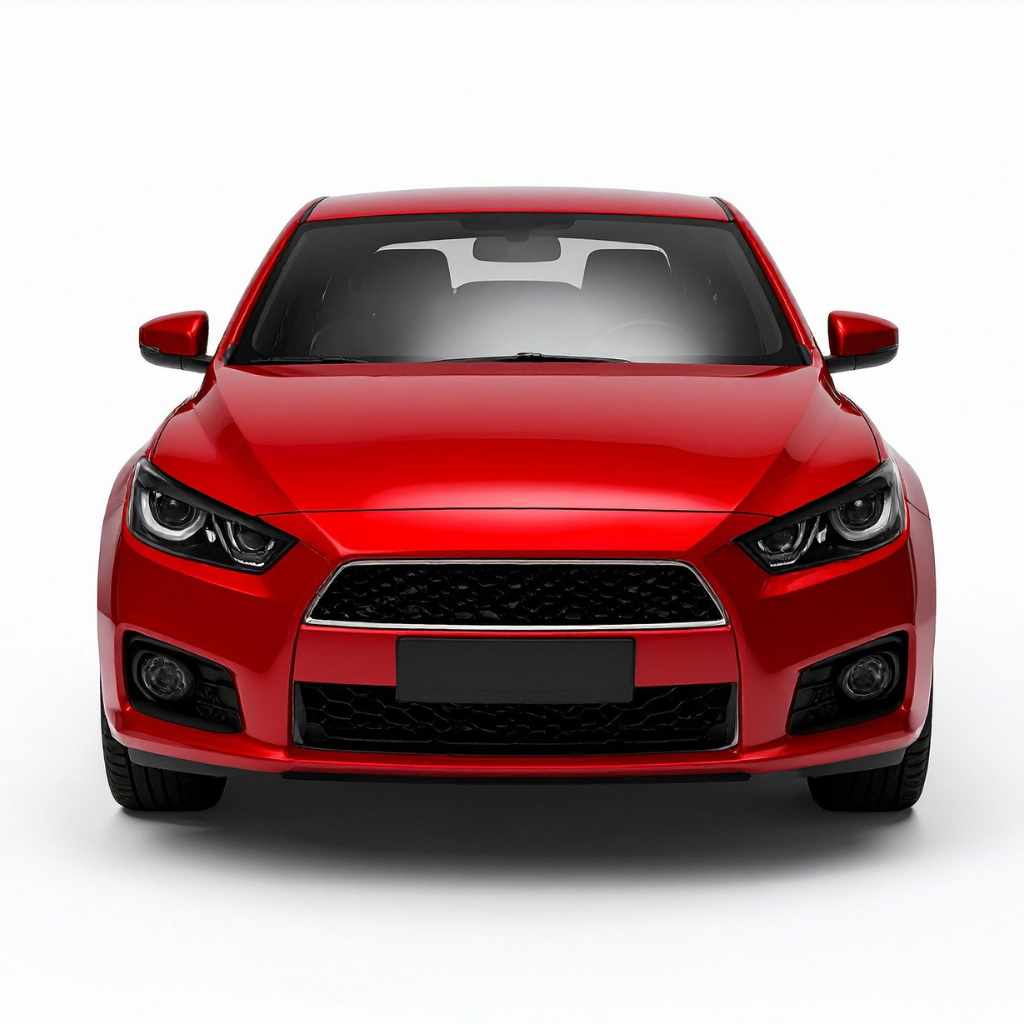
Why are the Cars on Family Feud Always Red: Unveiling the Mystery
The car on Family Feud is usually red because bright red reads quickly on camera, fits the show’s branding, and stands out against the set under TV lighting. Skip that design logic, and the prize can look flat, washed out, or harder to spot for viewers at home. This piece explains the red-car choice, what the prop signals, and how lighting and camera settings shape what you see.
How red wins in fast-paced visual storytelling
Red is a practical broadcast choice. It has strong contrast, separates cleanly from most studio backgrounds, and holds attention even when the shot is wide or the prize appears for only a few seconds. On a fast game show, that matters more than novelty.
Family Feud is an American game show with controlled studio presentation, so every visible element has to read clearly in a short amount of time. A red car gives production design a repeatable cue that viewers can identify as “the big prize” without extra explanation. (Wikipedia)
Camera visibility and color contrast
Broadcast cameras can treat different colors differently. Saturation, exposure, and white balance all affect how strongly a color separates from the background. Red usually keeps enough visual weight to survive those adjustments, which helps the prize read as a prize even when the stage is crowded with lights, faces, and motion.
That does not mean red is magical. It means red is dependable. A car in muted silver or near-black paint could blend more easily into the set, especially when the camera angle changes or the shot is compressed for TV transmission.
Why repetition matters on a game-show set
Game shows depend on repetition. The audience learns the rules, the set, and the prize language quickly, then recognizes them instantly on later episodes. Keeping the car color consistent gives the show a visual shortcut: viewers know what the object means before anyone says a word.
That consistency also helps the show’s brand feel stable. The car becomes part of the visual grammar of the program, the same way the podiums, logo wall, and sound cues are repeated. If the prize looked different every time, the on-screen identity would feel less fixed.
What the red car means on stage
The red car is often a prize cue, not proof that the giveaway vehicle is always the exact same car. On stage, it signals value, excitement, and the chance of winning something major. It works as a symbol first and a vehicle second.
That distinction matters. What viewers see on stage may be a production prop chosen for presentation, while the actual prize behind the scenes may be handled differently depending on the episode, season, or prize package. The visible car is there to communicate the win clearly, not to document the final VIN.
Symbol versus actual giveaway car
The prop car can stand in for the prize without being the whole prize story. In television, the audience often sees a substitute that supports the reveal, while the real prize details are handled through the show’s production and legal paperwork. Unless the show states otherwise, viewers should treat the stage car as a presentation object.
Say your attention is on the stage and the car appears for five seconds before the final reveal. What matters in that moment is instant recognition, not a close inspection of trim level, options, or whether the car on stage matches the one eventually delivered.
Are the cars on Family Feud actually red?
They often appear red, but studio lighting and camera settings can shift how that red looks. White balance, exposure, lens choice, and screen calibration can all change what reaches the home viewer. A car that is bright red under one setup can look deeper, flatter, or slightly different on another display.
So the safest answer is this: the car is presented as red on stage, but broadcast color rendering can alter the final appearance. That is normal in TV production. It does not mean the car is secretly another color; it means the camera chain is interpreting the scene before it reaches your screen.
How studio lighting changes perceived color
Studio lighting can make glossy surfaces behave differently from what your eyes expect. A strong key light can push highlights brighter, while fill light can soften shadows and make the body color look less saturated. If the camera’s white balance shifts even a little, the red can drift warmer or cooler.
Broadcast-safe visuals also matter. The production team has to keep the image clean and readable across many screens, from a calibrated living-room TV to a phone with overcooked color settings. That is one reason the same red may not look identical everywhere it is watched.
Picture a 55-inch TV set to vivid mode. The car may look almost neon. Switch that same image to a dimmer, more neutral mode, and the same red can look deeper and less flashy. The prop did not change; the rendering did.
Screen calibration and exposure
Home screens are not standardized. Two viewers can watch the same episode and see different reds because one display boosts saturation while another keeps color more restrained. Exposure during the broadcast can also preserve detail in the car’s paint or, if pushed too far, flatten the look.
That is why “it looks different on my TV” is not strong evidence that the car changed color on set. It is often a display issue, a camera setting issue, or both.
Who chooses the car color?
Production design chooses the look, usually with branding and camera legibility in mind. On a show like Family Feud, the car color is part of the on-screen presentation, so it is selected to support instant recognition, repeatable staging, and a consistent prize image from episode to episode.
The goal is speed. A viewer should know at once that the car is the major prize cue. A fixed color helps the audience process that information before the next joke, question, or reveal lands.
Why a fixed look helps viewers read the prize fast
Television prize design is about clarity under pressure. A repeated color, repeated placement, and repeated lighting treatment reduce visual noise. That matters because the car may appear in a brief shot, sometimes surrounded by people, graphics, and motion from the stage itself.
Family Feud is built around quick pacing, so the prize has to be obvious in an instant. Repetition makes the reveal easier to read and easier to remember. That is a production choice, not a coincidence.
- The show decides what the prize cue should communicate on camera.
- Production design selects a color that reads clearly under studio lights.
- The stage layout places the car where the camera can isolate it quickly.
- The lighting team balances brightness and color so the car remains legible.
- The broadcast chain carries that image to viewers with its own color changes.
Red car myth-vs-fact table
This table separates what viewers see from what the prop means and what likely happens behind the scenes. It is the simplest way to cut through the common confusion around the car.
| Myth | Fact | What viewers see on stage | What likely happens behind the scenes |
|---|---|---|---|
| The red car proves the prize vehicle is always identical. | No. The stage car is a visual cue, not proof of an unchanged giveaway vehicle. | A red car placed as the headline prize symbol. | Production chooses the on-screen look for clarity and consistency. |
| The car is red because that color has no technical purpose. | No. Red helps with camera visibility, contrast, and brand recognition. | A bright, attention-grabbing object that stands out from the set. | Design and camera teams favor a color that reads quickly under studio lighting. |
| If the car looks different at home, the show changed it. | Not necessarily. Lighting, white balance, exposure, and screen calibration can shift perceived color. | The car may look deeper, flatter, or slightly different on your screen. | The broadcast chain processes the image before it reaches viewers. |
| The stage car must be the exact car handed over. | Not always. The visible car may stand in for the prize rather than match the final delivery vehicle. | A polished car presented as part of the win moment. | Prize presentation can separate the visual reveal from the actual giveaway logistics. |
Has Family Feud ever used other colors?
Other colors can appear in special circumstances, but red is commonly used as the default look because it is often the most reliable on-screen choice for this kind of prize cue. A different color might be used for a different season, sponsor need, or presentation style, but that would be a production decision rather than a rule change.
Red stays common because it is easy to read and hard to miss. That consistency helps the show maintain a familiar visual identity. If another color appears, it usually works as a variation, not the new standard.
When a different color might appear
A different color may show up if the episode’s prize presentation calls for a special theme, or if production wants a distinct visual treatment for a particular run of shows. Even then, the goal is the same: make the prize obvious without slowing the pace of the game.
A common first-timer mistake is assuming the car color on screen is a random choice made episode by episode. In reality, repeatable presentation is the point. A stable visual cue helps the audience know what kind of moment they are watching.
Frequently asked questions
Why are the cars on Family Feud always red?
They are usually red because red is easy to see on camera, works well against the set, and gives the show a consistent prize image. That choice helps viewers spot the car fast, which matters in a short, high-energy game show segment.
Is there a reason Family Feud uses the same car color every time?
Yes. Repetition helps production design create a stable visual cue that audiences recognize instantly. A fixed color supports branding, reduces visual confusion, and keeps the prize presentation readable even when the shot is brief or the stage lighting changes.
Are the cars on Family Feud actually red or is it just lighting?
They are presented as red, but lighting, white balance, exposure, and screen calibration can alter how that red appears at home. The car is not necessarily a different color; the broadcast image can shift the look before it reaches your TV.
Does Family Feud give away the car shown on stage?
Not necessarily. The car on stage is best treated as a prize symbol unless the show clearly says it is the exact vehicle being awarded. In TV production, the visible prop and the actual giveaway logistics are not always the same thing.
Who chooses the car that appears on Family Feud?
Production design and the show’s on-screen presentation team choose the look of the car. The selection is guided by camera legibility, set design, and branding consistency, all of which help the prize read clearly to viewers at home.
What does the car on Family Feud mean?
It signals the major prize moment. The car is a visual shorthand for a big win, so viewers understand the stakes immediately. The stage prop communicates excitement and value before any detailed prize explanation is given.
Has Family Feud ever used other colors besides red?
Possibly in special presentations, but red is the default because it is the most reliable on camera. Other colors can appear when production wants a different look, yet the show generally keeps the same red cue for clarity and recognition.
Products related to this article
Sponsored / affiliate links. As an Amazon Associate I earn from qualifying purchases. I may earn additional commission from eligible campaigns.