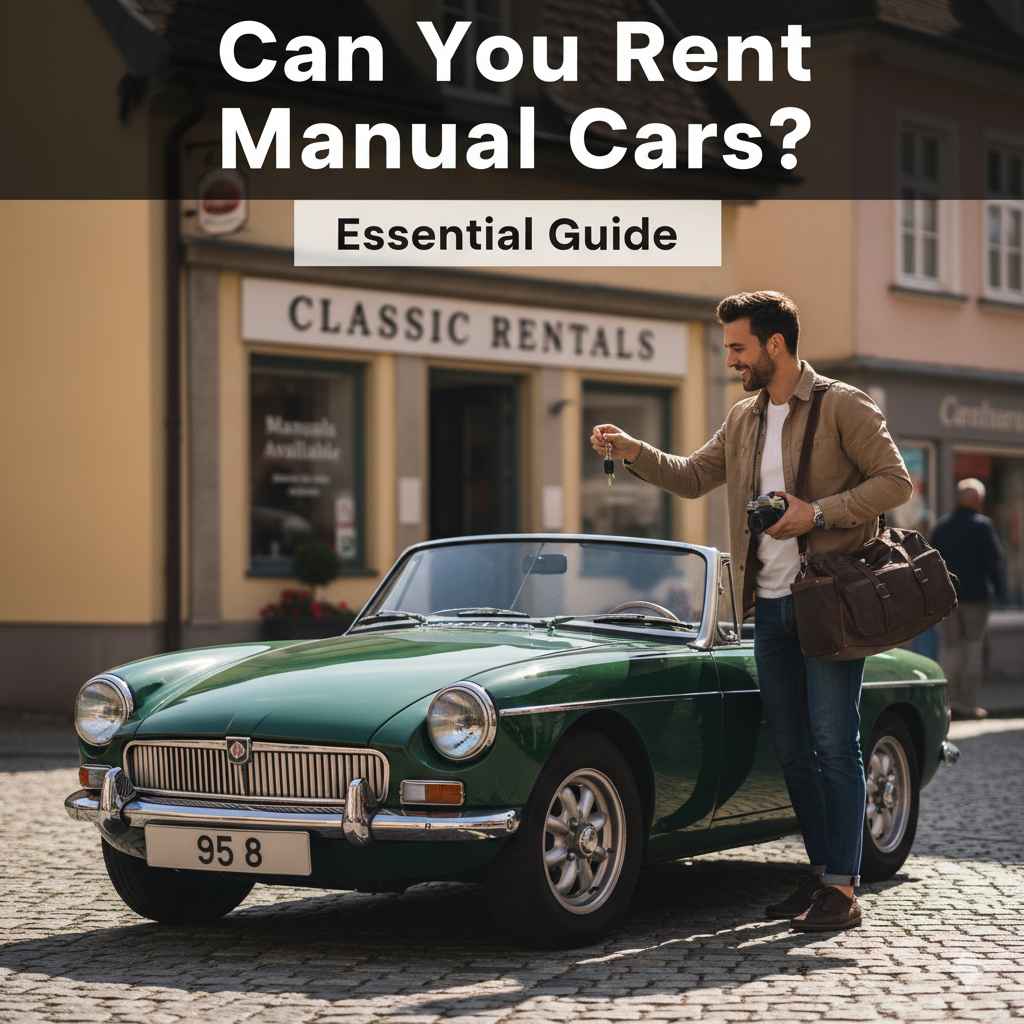
Can You Rent Manual Cars: Essential Guide
Can you rent manual cars? Yes, you absolutely can rent manual cars, but they are becoming less common. This guide will help you find one and equip you with all the essential information you need for a smooth rental experience.
Thinking about renting a car and wondering if a manual transmission is an option? You’re not alone! Many drivers are curious, especially if they learned to drive on a stick shift or prefer the engaged feel of a manual. Finding a manual car to rent can sometimes feel like a treasure hunt, as automatic transmissions have become the standard. But don’t worry, it’s definitely possible! This guide is here to demystify the process, show you exactly how to find a manual rental, and make sure you feel confident every step of the way. We’ll cover everything from where to look to what to expect, so you can get behind the wheel of the car that’s right for you.
Understanding the Shift: Why Manuals Are Harder to Find
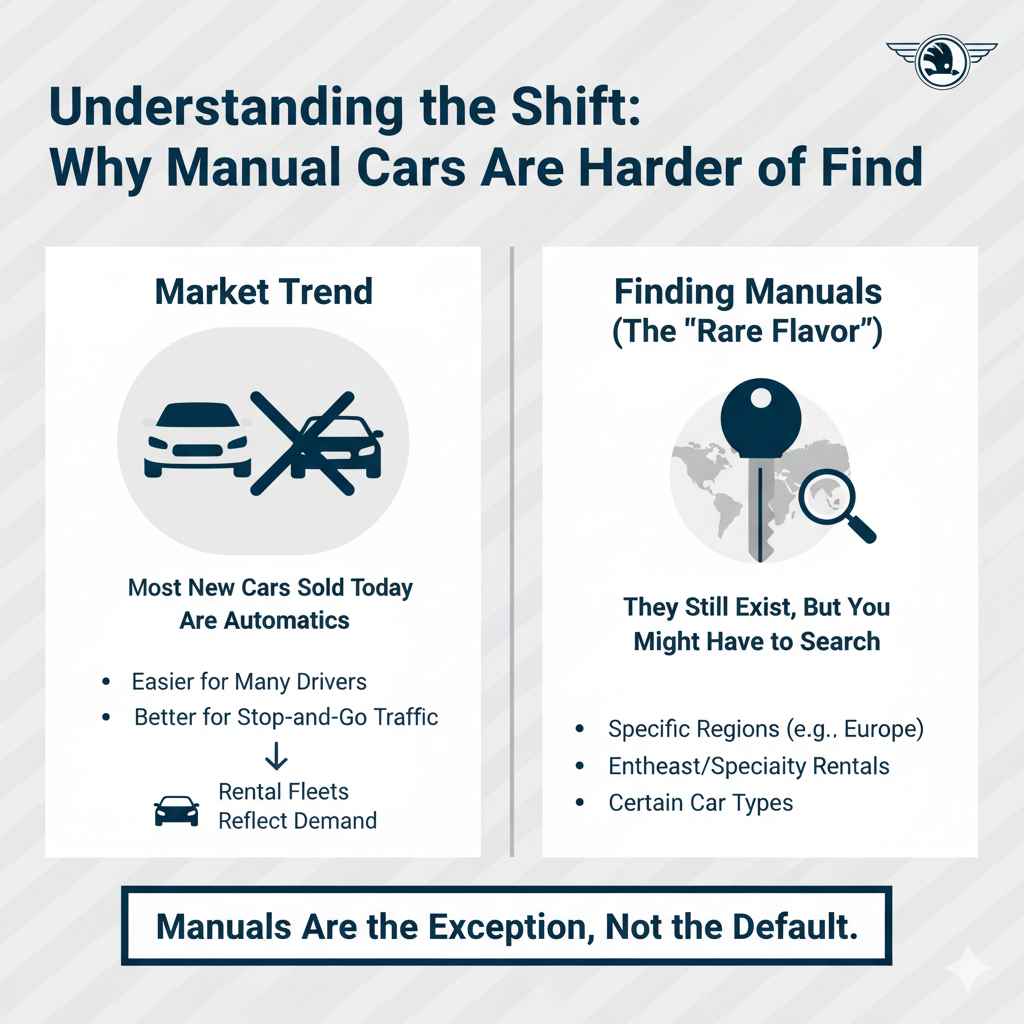
In the world of car rentals, automatic transmissions have taken over the driver’s seat. This isn’t a conspiracy; it’s simply a reflection of the automotive market. Most new cars sold today are automatics because they’re easier for many people to drive, especially in stop-and-go traffic. Car rental companies tend to buy cars that are most popular with the widest audience. This means their fleets are overwhelmingly composed of automatic vehicles.
However, this doesn’t mean manual cars have vanished completely. They still exist, particularly in certain regions, among specific car types, and with a few dedicated rental agencies. The challenge is that they aren’t the default option. Think of it like wanting a specific, less common flavor of ice cream – it’s available, but you might have to search a bit harder for it.
The Good News: Yes, You Can Still Rent a Manual Car!
The short answer to “Can you rent manual cars?” is a resounding yes! While they’re not as prevalent as automatics, many rental companies still offer them. The key is knowing where and how to look. This often involves a bit more planning and research than booking an automatic, but the reward is the freedom to drive exactly what you want.
Where to Look for Manual Rental Cars
Several avenues can lead you to a manual transmission rental. It’s not as simple as clicking “automatic” on every booking site, but with a systematic approach, you’ll find options.
1. Major Rental Companies (With a Catch)
Companies like Enterprise, Hertz, Avis, and Budget do sometimes have manual cars. However, they are not usually available to book directly by transmission type online. Instead, you often have to book a specific car class that is known to sometimes come with a manual (like a compact or economy car) and then call the specific rental location a few days before your pickup to request a manual transmission.
Pro Tip: Be prepared for the possibility that they may not have one available upon arrival, even if you called ahead. Availability can change rapidly.
2. Smaller, Independent Rental Agencies
In some locations, especially in countries where manual transmissions are more common (like the UK or Ireland) or in tourist areas known for scenic drives, you might find smaller, independent rental companies that specialize in or have a higher proportion of manual vehicles. These companies might be more flexible and easier to book with directly.
3. Luxury and Sports Car Rentals
If you’re looking for a more thrilling driving experience, companies that rent out sports cars or performance vehicles are often more likely to have manual options. Driving enthusiasts often prefer the control a manual offers in these types of cars. While typically more expensive, this is a good route if a manual is a top priority for a special occasion.
4. University Towns and College Campuses
Areas with large student populations might retain more manual transmission cars because they are often cheaper and more fuel-efficient, making them popular choices among students. Rental agencies serving these areas may also stock more manual vehicles.
How to Book a Manual Rental Car: A Step-by-Step Approach
Booking a manual car requires a slightly different strategy than booking an automatic. Here’s how to increase your chances of success:
- Start Early: Manuals are less common, so searching and booking well in advance is crucial. This gives you more time to find availability and communicate your needs.
- Broaden Your Search: Don’t just stick to one major rental company. Check several major companies and also look for local or independent agencies in your pickup area.
- Book a Specific Car Class (Often Economy/Compact): Since you can’t always select “manual” online, book a car category that is likely to include manuals. Economy, compact, or sometimes even mid-size sedans are your best bet.
- Call the Specific Rental Location Directly: This is the most critical step. After booking online (or even before), call the actual rental branch where you plan to pick up the car. Explain that you specifically need a manual transmission. Reiterate this request a day or two before your pickup date.
- Be Flexible with Car Model: If the rental company confirms they have manual cars, they might not have a specific make or model you’re expecting. Be prepared to accept whatever manual is available.
- Consider International Rentals: If you’re traveling abroad, particularly in Europe, manual transmissions are much more common. You’ll have significantly more options.
Manual vs. Automatic: Why Choose a Manual Rental?
While automatics are convenient, there are still compelling reasons why someone might seek out a manual rental. It often comes down to personal preference, driving experience, and sometimes, cost.
Pros of Renting a Manual Car:
- More Engaging Driving Experience: For many, shifting gears manually provides a more connected and enjoyable feel behind the wheel, especially on scenic routes or winding roads.
- Potentially Lower Rental Cost: Because manual cars are less in demand, some rental agencies might offer them at a slightly lower price point, though this isn’t always the case.
- Better Fuel Efficiency (Historically): While modern automatics have become very efficient, manual transmissions can sometimes offer superior fuel economy, especially in older or smaller engine cars.
- Control in Tough Conditions: In challenging driving situations like steep hills or slippery roads, manual drivers often have more precise control over the vehicle’s power and braking.
- Satisfying Driving Skill: For those who enjoy driving, operating a manual transmission is a satisfying skill that can make a road trip more of an experience.
Cons of Renting a Manual Car:
- Harder to Find: As discussed, the biggest hurdle is simply locating one.
- Can Be Stressful in Heavy Traffic: Constant clutching and shifting in stop-and-go traffic can be tiring and frustrating for those not accustomed to it.
- Less Common in Certain Regions: If you’re in a major US city, finding a manual might be significantly harder than in a rural area or overseas.
- Potential for Higher Insurance Costs (Rarely): In some niche cases, particularly with performance vehicles, manual transmissions might be associated with higher driver skill or risk, though this is uncommon for standard rentals.
Essential Tips for Driving a Rented Manual Car
If you secure a manual rental, especially if it’s been a while since you last drove one, here are some tips to ensure a smooth and safe experience:
Before You Drive Off the Lot:
- Check the Clutch: Gently press and release the clutch pedal. It should feel smooth. Listen for any grinding or unusual noises.
- Test the Gears: With the engine off, try shifting through all the gears (1st, 2nd, 3rd, etc., and reverse). They should engage easily without much force.
- Locate the Handbrake: Make sure you know if it’s a traditional handbrake lever or a foot-operated pedal. You’ll need it for hills.
- Adjust Mirrors and Seat: Ensure you have excellent visibility of your surroundings, especially crucial when you need to coordinate clutch and accelerator.
- Familiarize Yourself with the Pedals: Understand the position of the clutch, brake, and accelerator. The clutch is almost always to the left of the brake.
On the Road:
- Gentle Clutch Release: When starting from a stop, slowly release the clutch pedal until you feel the “bite point” – where the engine speed starts to drop slightly. Then, gently apply the accelerator as you continue to release the clutch.
-
Hill Starts: This is where many drivers get nervous. There are a few methods:
- The Handbrake Method: Keep the handbrake engaged. Put the car in first gear and bring the clutch to the bite point. As you apply a little gas, release the handbrake. This is the most common and often easiest.
- The “Quick” Method: Instead of the handbrake, use your left foot on the clutch and your right foot to gently bring the engine RPMs up slightly. As you move your right foot to the accelerator to apply more gas, quickly release the clutch to the bite point. This requires practice!
- Avoid Resting Your Foot on the Clutch: This is called “riding the clutch” and can wear out the clutch plate much faster, potentially incurring charges from the rental company. Keep your left foot on the floor when not actively shifting or disengaging the clutch.
- Smooth Shifting: Don’t force gears. Depress the clutch fully, shift smoothly, and release the clutch gradually.
- Braking: You don’t need the clutch when braking unless you’re coming to a complete stop and intend to shift to neutral.
What Happens If You Damage a Rented Manual Car?
Rental car agreements are legally binding contracts. If you damage a rented manual car, the process is similar to renting an automatic, but improper clutch use is a specific concern.
Common Scenarios Leading to Charges:
- Clutch Burnout: If you abuse the clutch (e.g., riding it excessively, dumping it at high RPMs) and it burns out, this is almost always considered driver error and you will be held responsible for repairs.
- Stalling and Rolling Back: Prolonged attempts to move on a hill after stalling, leading to clutch overheating or engine damage, could also fall under driver responsibility.
- Wear and Tear: Normal wear and tear is expected, but excessive wear on the clutch due to improper use is not.
- Accidents: As with any rental, if you are in an accident, you will be responsible for damages up to your chosen waiver or insurance limit.
Rental Company Policies:
Always read the rental agreement carefully. It will outline:
- What constitutes damage versus normal wear and tear.
- Your liability limits (e.g., Collision Damage Waiver – CDW, or Loss Damage Waiver – LDW).
- Any exclusions to their waivers (e.g., damage from driving off-road, gross negligence).
It’s wise to consider purchasing the rental company’s damage waiver or ensuring your personal auto insurance or credit card provides adequate coverage. For more information on rental agreements and liability, you can refer to resources from organizations like the Federal Trade Commission (FTC).
Comparison: Manual vs. Automatic Rental Costs & Availability
Understanding the differences in cost and availability can help you make an informed decision when booking.
| Feature | Manual Transmission | Automatic Transmission |
|---|---|---|
| Typical Availability | Lower; often requires direct inquiry. More common in certain countries/regions. | High; widely available and bookable online. |
| Booking Ease | More difficult; requires phone calls, specific requests. | Easy; selectable online. |
| Daily Rental Price | Can sometimes be slightly cheaper, but not always. Dependent on location and car type. | Standard pricing; usually the default. |
| Fuel Efficiency | Potentially better, especially in older/smaller cars. | Modern automatics are highly efficient but can be less so in older models. |
| Driving Engagement | Higher; more control and connection. | Lower; easier and more relaxed. |
The price difference between manual and automatic rentals isn’t always significant, especially with major rental companies that have standardized pricing for car classes rather than specific transmissions. However, if you’re looking at niche rentals like sports cars, a manual might be offered at a competitive price for enthusiasts. The primary advantage of a manual rental isn’t usually cost savings, but the driving experience itself.
Navigating International Manual Car Rentals
If your travel plans take you abroad, especially to Europe, you’ll find that manual transmissions are the norm rather than the exception. This makes finding a manual rental significantly easier.
- Higher Availability: In countries like the United Kingdom, Ireland, France, Italy, Germany, and many others, the majority of cars sold are manuals. Rental fleets reflect this, so most standard car rentals will be manual unless you specifically request an automatic.
- Automatic is the Premium Option: Ironically, in many European countries, requesting an automatic transmission might incur an extra daily charge because it’s considered a more specialized or less common option for renters.
- Booking Considerations: When booking internationally, pay close attention to the car class description. If it doesn’t specify “automatic,” assume it’s a manual. If you require an automatic, make sure to select that option or clearly state it in your booking request.
- Driving Differences: Remember that road rules, signs, and driving etiquette can vary. Be sure to familiarize yourself with local driving practices before you go. The UK government website offers helpful advice for driving abroad, which can be useful even if you’re not a UK resident, as it covers general principles.
A Note on Electric Vehicles (EVs) and Manual Transmissions
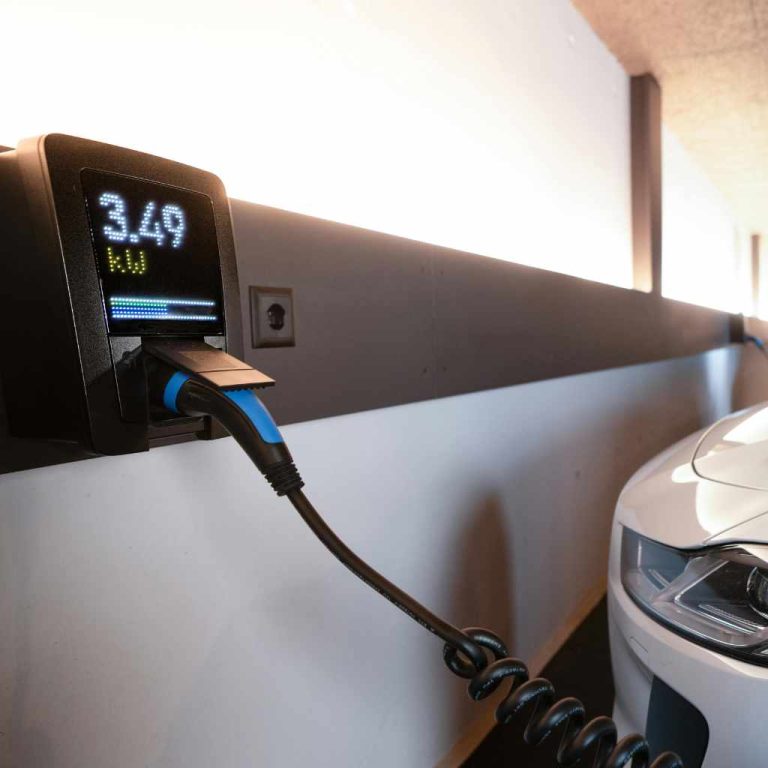
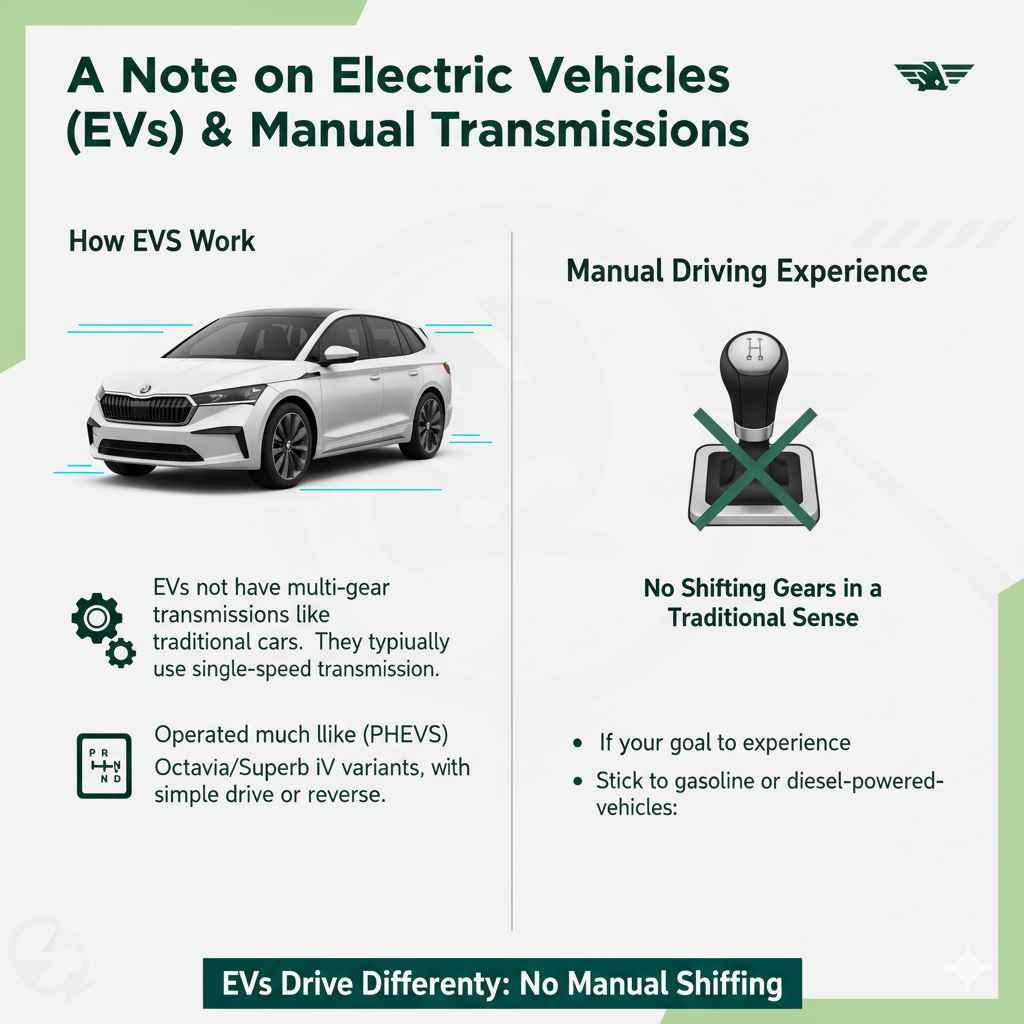
It’s worth noting that the conversation about manual versus automatic transmissions is also evolving with the rise of electric vehicles (EVs). EVs, by their nature, do not have multi-gear transmissions in the way internal combustion engine cars do. They typically use a single-speed transmission.
This means that if you rent an EV, you won’t be “shifting gears” in the traditional sense. You’ll operate it much like an automatic, with a simple “drive” or “reverse” selection. So, if your goal is to experience manual driving, you’ll need to stick to gasoline or diesel-powered vehicles.
Frequently Asked Questions (FAQs)
Q1: Can I rent a manual car for a short period, like a day?
A: Yes, you can rent a manual car for a day. The primary challenge remains availability, so booking well in advance and contacting the specific rental location directly is crucial, even for short rentals.
Q2: What if I book a manual car but they give me an automatic?
A: This can happen due to high demand or unexpected fleet changes. If this occurs, politely remind the rental agent of your prior request. If an automatic is all they have, you can discuss if there’s any adjustment in price, although often there isn’t. Your best recourse is diligent follow-up before you arrive.
Q3: Is it cheaper to rent a manual car?
A: Sometimes, yes. Manual cars can occasionally be priced lower by rental companies because they are less popular. However, the difference is often minimal, and the main reason to seek a manual is for the driving experience rather than cost savings.
Q4: What is the “bite point” of a clutch?
A: The bite point is the precise moment when the clutch plates start to engage, connecting the engine to the transmission. You’ll feel the engine RPMs drop slightly and the car begin to move forward when you slowly release the clutch pedal.
Q5: What happens if I stall the rental car?
A: Stalling a manual car is common, especially for those learning or out of practice. Simply depress the clutch fully, put the gearshift in neutral, restart the engine, and then re-engage first gear and try your take-off again, focusing on a smoother clutch release.
Q6: Are manual cars harder to drive in cities?
A: Driving a manual in heavy city traffic, with lots of stop-and-go, can be more tiring and demanding due to the constant need to use the clutch and shift gears. However, for those comfortable with it, it’s manageable.