Car Making Noise After Turned Off Explained: Troubleshooting Guide
It can be a bit unsettling when your Car Making Noise After Turned Off — Explained. It’s a common issue, and for beginners, those unfamiliar sounds can be concerning. But don’t worry! This guide will break down the most common reasons why this happens, and provide easy, step-by-step solutions to help you understand what’s going on with your vehicle. Ready to find out what’s causing those mysterious noises?
Common Causes for a Noisy Vehicle
When your car is making noises after you’ve turned it off, several things could be happening. These sounds can range from a gentle humming to a more pronounced clicking or ticking. Often, these noises are perfectly normal and part of the cooling or other operational systems. However, it’s essential to recognize the difference between normal and abnormal sounds to avoid any potential problems. This section will explore the usual suspects, and help you recognize what’s going on under the hood.
The Cooling System’s Role
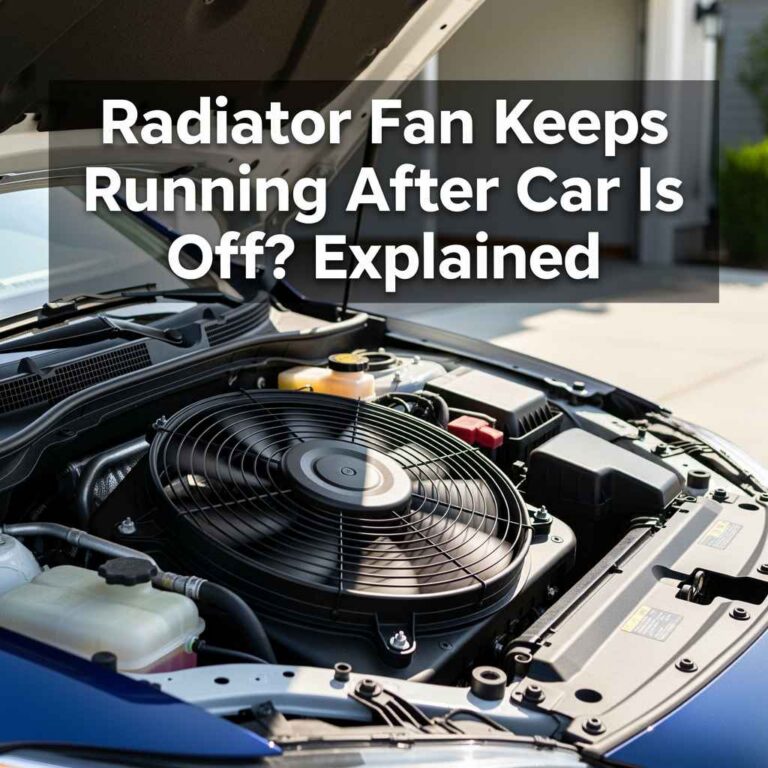
One of the most frequent reasons for a vehicle to make noise after being shut off is the cooling system. After the engine has been running, it’s still extremely hot. The cooling system, which includes the radiator, coolant, and fans, continues to work even after the engine is off to help bring the temperature down safely. A sound similar to a fan running might be the electric cooling fan, circulating air to dissipate heat. This is a normal operation, especially after long drives or in hot weather. It’s designed to protect your engine from overheating.
- Electric Cooling Fans: These fans may run for several minutes after the engine is turned off. They’re activated by a temperature sensor that monitors the engine’s heat. The fan will continue to run until the engine temperature reaches a safe level.
- Coolant Circulation: The coolant itself might produce gurgling or hissing noises as it moves through the engine and radiator. This is because the coolant is still hot and expanding as it cools down, causing pressure changes.
- Thermostat Function: The thermostat regulates coolant flow. After the engine is off, the thermostat may continue to manage coolant flow, sometimes leading to subtle sounds as it opens or closes to control temperature.
The Exhaust System Cooling Down
Another reason for those noises can be the exhaust system. This system is designed to handle high temperatures, and it takes time to cool down. As the metal parts of the exhaust system cool, they contract. This contraction can lead to clicking or ticking sounds, particularly as different sections cool at varying rates. It’s a common occurrence, and usually nothing to worry about. However, excessive or unusual sounds might indicate a problem. Regularly inspecting the exhaust system can help prevent potential issues.
- Metal Contraction: Exhaust pipes, catalytic converters, and mufflers are all made of metal. When these parts cool, they contract, often generating clicking or ticking sounds.
- Catalytic Converter Operation: Catalytic converters can produce a metallic pinging or ticking sound. This is normal as the converter cools and its internal components contract.
- Exhaust Leak Diagnosis: Sometimes, noises can indicate a minor exhaust leak. This is less common after the engine is off, but a leak can cause unusual sounds during the cooling process.
Fuel System and Vapor Recovery
The fuel system also plays a role in the noises you might hear. After you shut off your car, the fuel system might still be going through a few processes. One of these is handling fuel vapors. The car has a system to deal with these, and you might hear some noises related to it. Understanding how your fuel system works, and knowing what’s normal, will help you avoid unnecessary worries about your vehicle’s health. The vapor recovery system often makes subtle noises that can be mistaken for problems.
- Fuel Pump Operations: In some vehicles, the fuel pump might briefly activate to equalize pressure even after the engine is turned off. You might hear a brief whirring or buzzing sound.
- Evaporative Emission Control System (EVAP): This system captures fuel vapors and stores them in a charcoal canister. You might hear a hissing or clicking sound as the EVAP system purges these vapors or performs a self-check.
- Fuel Line Pressure: Changes in fuel line pressure as the engine cools can sometimes lead to slight clicking or ticking noises. This is more pronounced in older cars.

More Unusual Noises and What They Mean
While most noises are normal, there are instances where they could be a sign of something that needs attention. It’s helpful to know the difference between standard sounds and those that might require a checkup. Unusual noises can be a sign of a more significant problem, and it’s always smart to have any concerns looked at by a professional. This section covers some less common sounds, and how to tell if you need help.
Battery-Related Concerns
Sometimes, the sounds can be related to the battery or electrical system. While less common, these could suggest a bigger issue that needs fixing. It’s always good to be mindful of your car’s electrical components and watch out for any unusual activity. The battery and related components play a critical role, so it’s important to understand the warning signs of potential issues. Regular checks can catch problems before they become serious.
- Electrical Arcing: If you hear a crackling or hissing sound, it could indicate an electrical arc. This might be from a loose connection or a short circuit. It’s something to have checked out.
- Battery Drain: A clicking sound could be related to battery drain, such as a component that’s drawing power when it shouldn’t be. This can quickly drain your battery.
- Alternator Issues: Although less likely after the engine is off, issues with the alternator can sometimes manifest in unusual noises. If the noises are combined with electrical problems, it’s a possible sign.
Potential Issues in the Engine Bay
The engine bay is packed with different components, and some might make noises you should be aware of. While most noises are harmless, certain sounds could be a sign of trouble, such as a vacuum leak or a failing part. Regularly inspecting the engine bay can help you identify any unusual sounds and catch potential issues early on. Being familiar with the sounds of your car will aid in recognizing when something is off.
- Vacuum Leaks: A hissing or whistling sound could indicate a vacuum leak. These leaks can affect engine performance and might be more noticeable after the engine is turned off as pressure changes.
- Belt Issues: Although less likely after the engine has stopped, belt noises like squealing might sometimes be heard. This is an indicator that belts might need attention.
- Valve Train: While rare, a clicking sound might be related to the valve train. This could point to a need for adjustment or maintenance.
Dealing with Unusual Sounds
If you suspect an unusual noise, you don’t need to panic. The best approach is to try to understand where it’s coming from. Sometimes, simply knowing the source can help you figure out what to do next. It’s smart to have a car you trust, and also to know how to respond if something goes wrong. Understanding these steps can save you time and help keep your car running smoothly. Regular maintenance will also help prevent issues.
- Identify the Location: Try to pinpoint where the sound is coming from. Open the hood and listen carefully. Use a flashlight if needed.
- Note the Type of Sound: Is it a clicking, ticking, hissing, or humming sound? Knowing the type helps narrow down the possible causes.
- Check for Other Symptoms: Does your car have any other problems, such as reduced performance, warning lights, or leaks? These can help to diagnose the problem.
Troubleshooting Steps
Here’s a step-by-step guide to help you troubleshoot the noises. These steps can help you find the problem and decide if you need to take your car to a mechanic. Remember, it’s better to be safe than sorry, and getting professional help is always a good idea if you’re not sure about something. Understanding these basic steps will give you more control when dealing with problems.
First Steps for Troubleshooting
Before you begin, gather a few basic items like a flashlight and a notepad. These tools will help you to identify the source of the sound and keep track of your findings. Start by making sure your car is parked on a level surface and that the engine has completely cooled down, to avoid burns. Following these basic steps will help you get started.
- Safety First: Make sure the car is on a level surface, the parking brake is engaged, and the engine is off. Allow the engine to cool down completely before touching any components.
- Listen Carefully: Open the hood and listen for the sound. Try to identify where it’s coming from. Listen for different noises to help narrow down the source.
- Observe and Document: Use a flashlight to inspect the engine bay. Note the location of the noise, the type of noise, and the duration. Write down your observations.
Check the Cooling System
Since the cooling system is often the cause, it’s a good place to start. Check the coolant level in the overflow tank to see if it’s within the correct range. Check for any leaks. Look at the cooling fan to make sure it functions correctly, even after the engine has been turned off. Inspect the radiator and hoses for any signs of damage. Taking these steps will help you decide if it is a problem.
- Coolant Level: Check the coolant level in the overflow tank. Low coolant levels can cause overheating and potential noises. Refill if necessary.
- Radiator Fan: Make sure the radiator fan is functioning. The fan might run for a few minutes after you turn off the engine. If it doesn’t work, it could lead to issues.
- Hoses and Radiator: Inspect hoses for leaks and the radiator for any damage. Leaks can cause a variety of sounds and might point to a problem that needs fixing.
Inspect the Exhaust System
The exhaust system is also prone to making noises after you turn off your car. Check the exhaust pipes, catalytic converter, and muffler for any signs of damage or leaks. Listen for any unusual sounds, such as rattling or hissing. If you detect any issues, it’s best to have a professional examine the system, because any small issues can lead to big repairs. Doing this will keep your car running well.
- Exhaust Pipes: Check the exhaust pipes for any cracks, rust, or damage. These can lead to leaks and cause unusual noises.
- Catalytic Converter: Listen for any rattling sounds from the catalytic converter. This might indicate that the internal components are damaged.
- Muffler: Examine the muffler for any signs of damage or leaks. The muffler is the final component in the exhaust system and can produce different noises.
Check the Fuel System
The fuel system is more complex, but you can still do a basic check. Look for any fuel leaks or the smell of gasoline. Listen for any unusual sounds, such as a buzzing or clicking. Pay close attention to these steps if you think you have a fuel system issue. If you’re not comfortable, then it’s best to have a professional look at it, as fuel-related issues can be serious.
- Fuel Leaks: Check for any fuel leaks under the car. Smell for gasoline. Leaks can create problems that affect the way your car runs and how safe it is.
- Fuel Pump: Listen for any unusual noises coming from the fuel pump. A failing fuel pump might make a buzzing or whining sound.
- EVAP System: Make sure to listen for any noises from the EVAP system. Hissing or clicking noises from the EVAP system are usually normal, but unusual sounds should be checked.
When to Seek Professional Help
Even if you enjoy fixing things, some problems are better left to professionals. It’s smart to know when you should seek expert help to prevent causing any further damage to your car. If you’re not comfortable with auto repair, or if the problem seems complex, a qualified mechanic will be able to diagnose and fix it safely. Learning when to get help will save time and money.
Signs You Need a Mechanic
There are some clear signs that it’s time to call a mechanic. This could include any noises you can’t identify, or any unusual performance from your car. Also, if there are any smells or leaks that are worrisome. When these things occur, it is a smart decision to have a mechanic look at the car. These signs can help you get the help you need when you need it.
- Unidentified Sounds: If you can’t figure out the source of the noise, it’s best to consult a mechanic. They have the experience and tools to find the problem.
- Warning Lights: If any warning lights are on your dashboard, like the check engine light, it indicates an issue. Get it checked right away.
- Performance Issues: If you notice a drop in performance, like sluggish acceleration or poor fuel economy, it might be related to the noise.
What to Tell Your Mechanic
When you take your car to the mechanic, give them as much information as possible to help with the diagnosis. Be ready to describe the sounds you’re hearing and when they occur, and also tell the mechanic about any additional symptoms. Providing this information can help the mechanic find the issue. If you can provide a detailed report, they will be able to make an accurate diagnosis. This approach can save you time and money.
- Describe the Noise: Tell the mechanic the type of sound (clicking, ticking, hissing, etc.) and when it happens (after turning off the car).
- Provide a Timeline: Mention how long the problem has been happening. Has it gotten worse? Has it started recently?
- Note Other Symptoms: Tell the mechanic about any other problems, such as warning lights, reduced performance, or unusual smells.
Preventive Actions
Preventive maintenance can help you avoid many problems that cause noises. Regular care can help keep your car running well and can prevent issues before they start. Regular maintenance helps keep your car in top shape and is always worth it. Understanding and implementing these actions will help to ensure your car remains reliable. Small actions now will save you a lot of trouble later.
- Follow the Maintenance Schedule: Stick to the maintenance schedule recommended by your car’s manufacturer. This includes oil changes, filter replacements, and other checks.
- Check Fluids Regularly: Regularly check your car’s fluids, including engine oil, coolant, brake fluid, and power steering fluid. Keep these fluids at the proper levels.
- Inspect Belts and Hoses: Regularly inspect belts and hoses for wear and tear. Damaged belts and hoses can cause problems and noises.

Frequently Asked Questions
Question: Why does my car make a ticking sound after I turn it off?
Answer: A ticking sound is often from the exhaust system or the engine cooling down. As metal parts cool, they contract, which can cause this noise.
Question: Is it normal for my car’s fan to keep running after the engine is off?
Answer: Yes, it is. The electric cooling fan might run for a few minutes after you turn off the engine to help cool it down.
Question: What should I do if I smell gasoline after turning off my car?
Answer: If you smell gasoline, there could be a fuel leak. Check under the car for any leaks and have a mechanic inspect the fuel system immediately.
Question: What does a hissing sound after turning off the engine mean?
Answer: A hissing sound might be related to the cooling system, exhaust system, or the EVAP system. If the noise is concerning, it’s best to have a mechanic diagnose it.
Question: How often should I have my car inspected by a mechanic?
Answer: It’s smart to have a mechanic inspect your car at least once a year, or if you notice any unusual noises or other problems.
Final Thoughts
The sounds your car makes after it’s turned off can often be explained by routine processes like cooling or the exhaust system contracting. Knowing these usual suspects will reassure you when you hear those normal sounds. However, there are times when noises might suggest an issue, like in the fuel or electrical systems. If you’re concerned about a noise, try to identify its source. By knowing where the sound comes from, you’ll be able to decide what to do next. Taking care of your car with regular maintenance and paying attention to unusual sounds helps keep it running at its best. If you’re ever in doubt, getting help from a qualified mechanic is always a good idea. That way, you’ll ensure that you can keep driving confidently.