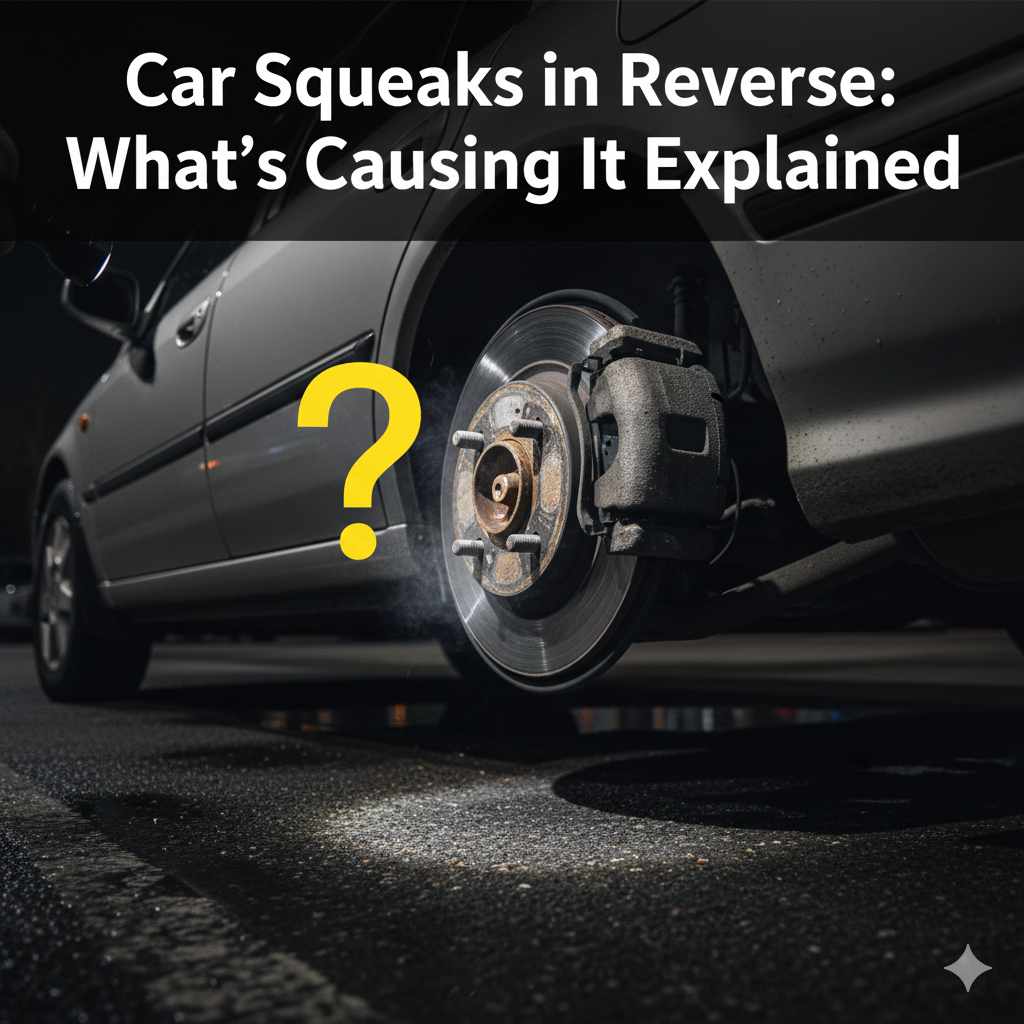
Car Squeaks in Reverse: What’s Causing It Explained
Hearing a squeak when your Car Squeaks in Reverse: What’s Causing It can be a bit unsettling, especially if you’re new to driving or not super familiar with car troubles. It’s a common issue that often sounds worse than it actually is. Don’t worry, though; it’s usually something simple. This guide will walk you through the most frequent causes and how to figure out what’s up with your car. You’ll learn step-by-step how to identify the problem and get it fixed. Let’s explore the mystery behind those reverse squeaks!
Common Reasons Why a Car Squeaks in Reverse
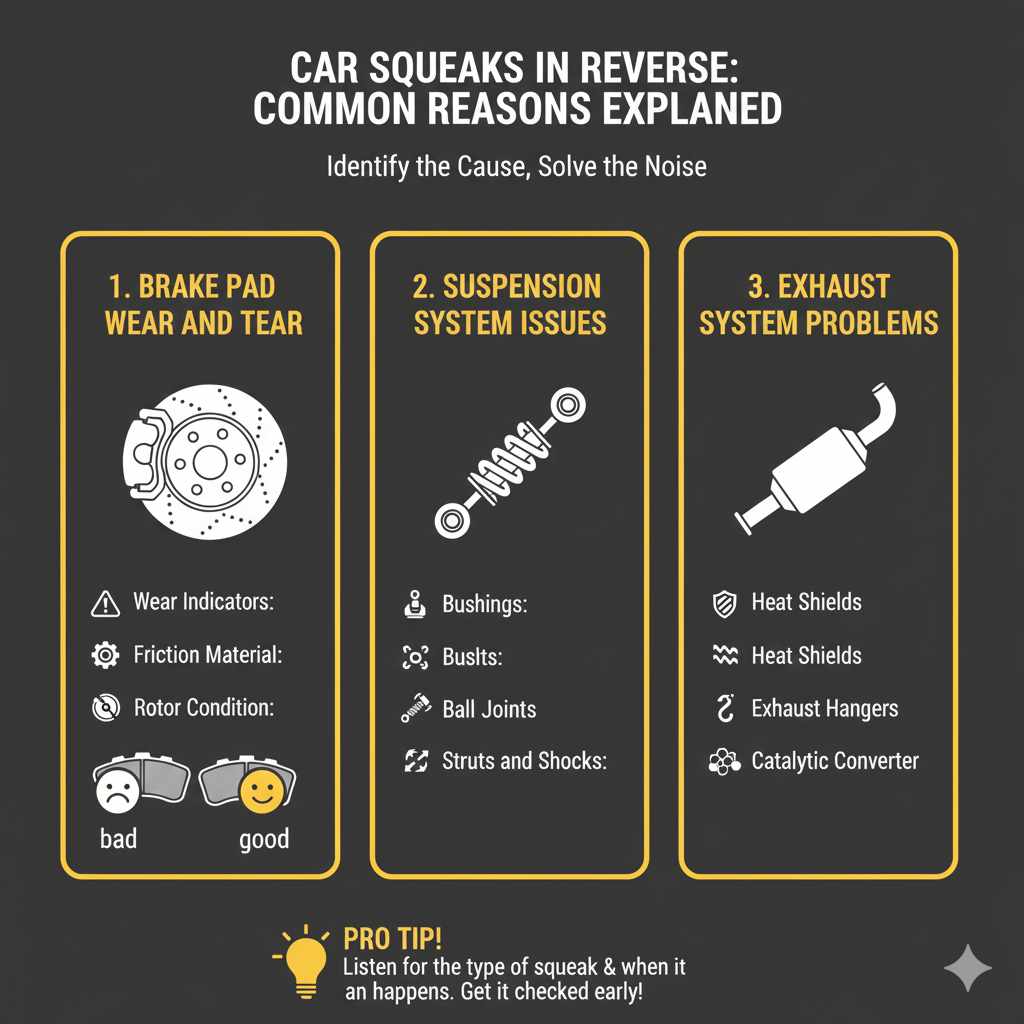
When a Car Squeaks in Reverse: What’s Causing It, several factors could be at play, affecting different parts of your vehicle. The sounds can range from high-pitched squeals to lower-toned groans. Identifying the source accurately helps in deciding the right solution. The causes can vary based on your car’s age, the climate, and how often you drive. Let’s look at the most typical problems and how they can affect your car’s performance. Knowing the details about each potential cause will provide you with a clearer idea of what is happening.
Brake Pad Wear and Tear
Brake pads are essential for stopping your car. They clamp down on the brake rotors to slow the vehicle down. Over time, the brake pads wear down due to friction. When the pads become thin, a metal wear indicator often starts rubbing against the rotor, causing a high-pitched squealing sound. This sound is very common when reversing because the forces on the brakes can change direction, making the noise more prominent. The squeal often becomes more noticeable in reverse due to the different stress points.
- Wear Indicators: These small metal pieces are designed to make a squealing noise when the brake pads get thin, acting as a warning signal. They contact the rotor to create friction when the pad’s lining wears down.
- Friction Material: Brake pads are made of a friction material that slowly wears away as it comes into contact with the brake rotor. Different types of friction material can affect the noise level.
- Rotor Condition: Brake rotors can develop grooves or rust over time, which can contribute to the noise. If the rotors are damaged, they may need to be resurfaced or replaced to eliminate squeaking.
Suspension System Issues
The suspension system helps provide a smooth ride by absorbing bumps and keeping the tires in contact with the road. Problems with the suspension, such as worn bushings or dried-out ball joints, can cause squeaking sounds. These components experience different forces when the car moves in reverse, which can make the squeaks more noticeable. Identifying suspension problems involves listening carefully and inspecting the components for wear or damage. Proper maintenance is key to reducing noise and ensuring your car’s safety.
- Bushings: These rubber or polyurethane components act as cushions between the suspension parts. They reduce friction and absorb road vibrations. Worn bushings can squeak due to the metal-on-metal contact.
- Ball Joints: These allow the wheels to turn and move up and down. They are designed to allow movement while maintaining a secure connection. Dried-out or damaged ball joints can produce squeaking or creaking sounds.
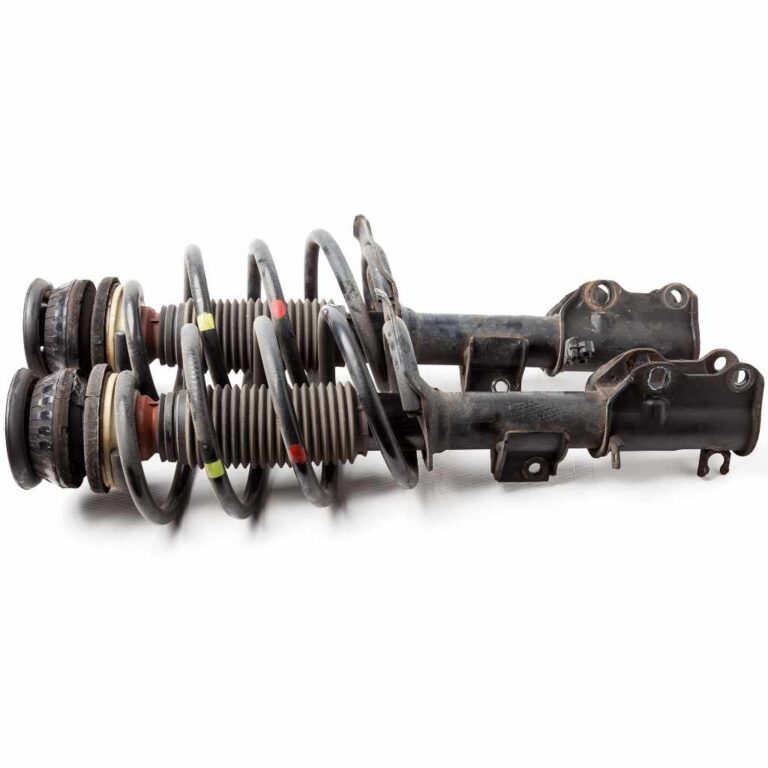
- Struts and Shocks: These help to absorb bumps and keep the car stable. They also prevent excessive bouncing. Damage to these parts can cause sounds that are more noticeable when reversing.
Exhaust System Problems
The exhaust system is responsible for channeling exhaust gases away from the engine. Issues in this system, like loose heat shields or damaged exhaust hangers, can result in squeaks. These noises often change in reverse due to the shifting weight distribution and movement of the exhaust components. Checking the exhaust system requires inspecting the pipes, mufflers, and other components for any signs of wear or damage. Fixing these issues not only eliminates the squeaks but also prevents potential safety hazards.
- Heat Shields: These metal shields protect components from high exhaust temperatures. If they are loose or rusted, they can vibrate and create squeaking noises.
- Exhaust Hangers: These hold the exhaust system in place. If they are broken or damaged, the exhaust pipes can shift and rub against other parts of the car.
- Catalytic Converter: Located within the exhaust system, these converters can develop internal damage that causes sounds. This damage often occurs as a result of age, heat, and vibration.
Identifying When a Car Squeaks in Reverse: What’s Causing It Is Serious
While some squeaks are harmless, others can indicate severe issues that need immediate attention. Learning to distinguish between minor noises and warning signs is essential for car safety. Ignoring these more severe sounds can lead to bigger problems, costing you more money and putting your safety at risk. Understanding these critical warning signs will help you know when to seek help from a professional.
Sudden Changes in Sound
A sudden change in the type of squeak or when it occurs can signal a more significant problem. A squeak that suddenly becomes louder or turns into a grinding noise is a key indicator. Changes in how frequently the squeak happens or if it’s accompanied by other noises, such as clunking, should also be taken seriously. Addressing these sudden changes quickly can help prevent further damage. Regularly listening to your vehicle will help you spot these changes more easily.
- Increased Volume: A squeak that grows in volume over time might indicate more severe wear or damage to a component. This escalation suggests that the problem is worsening and needs attention.
- New Sounds: If the squeak is joined by grinding, clunking, or other unusual noises, it could point to a severe mechanical problem, such as worn bearings or severe brake damage.
- Frequency Changes: If the squeak becomes constant or occurs more often, it may suggest the problem is more widespread or that a component is failing faster.
Performance Impacts
If the squeaking is tied to noticeable changes in your car’s performance, the issue is more than just an annoyance. Changes in braking efficiency, handling issues, or unusual tire wear are all signals. Reduced braking power or longer stopping distances can be dangerous. Poor handling, such as drifting or instability when turning, can also indicate underlying issues that need repair. These changes should be addressed rapidly to maintain car safety.
- Braking Issues: If the car takes longer to stop or if the brakes feel spongy or vibrate when applied, it may be due to worn brake components. Ignoring this can affect the car’s stopping distance.
- Handling Problems: A squeak along with changes in how the car handles, such as drifting to one side or instability on turns, may indicate issues in the suspension or steering system.
- Tire Wear: Uneven tire wear may point to alignment or suspension problems, especially if accompanied by squeaking noises. This uneven wear can decrease the tires’ lifespan and safety.
Accompanying Symptoms
Pay close attention if the squeaking is accompanied by other symptoms. For example, any unusual odors like burning smells, or signs of leaking fluids, are serious. These could indicate more serious issues like overheating brakes or a failing transmission. These additional symptoms suggest a need for a professional inspection. Acting quickly to address these issues can prevent more serious, expensive damage.
- Burning Smell: A burning smell, especially when the brakes are applied, may mean that the brakes are overheating. This could be due to brake pad wear or stuck calipers.
- Fluid Leaks: Leaks of brake fluid, power steering fluid, or other fluids can cause severe component damage. Any signs of fluid leakage under the car should be investigated immediately.
- Visual Inspection: A quick visual inspection of the tires and undercarriage might reveal potential problems. This inspection should be done regularly.
Methods to Investigate Your Car Squeaks in Reverse
Investigating the squeaks involves a few simple steps. You’ll need to listen carefully and use your senses to identify the sound. You might need to raise your car safely to look more closely. This approach can help you pinpoint the source of the squeak. It’s important to be methodical and careful to ensure your safety and accuracy in the diagnosis. This process will help you save time and money by avoiding unnecessary repairs.
Listening Closely
The first step is simply listening. Pay close attention to the sound. Try to identify when and where the squeak happens. Does it occur only in reverse or also when turning? Does it change with the speed of the car? These details will help you narrow down the possible causes. Try to determine if the squeak is coming from the front, back, or middle of the car. Use these details to focus your investigation.
- Timing: Note when the squeak happens. Does it occur when you start moving, when turning, or when braking? The timing will help pinpoint the cause.
- Location: Try to determine if the noise is coming from the front, rear, or middle of the car. Using this, you can narrow down the list of suspects.
- Environment: Note the conditions. Does the squeak only happen when the car is cold, hot, or wet? This information may help in identifying the cause.
Visual Inspection
After you have listened, a visual inspection will help confirm your suspicions. Inspect the brake pads, suspension components, and exhaust system. If you are comfortable working on your car, you can safely lift it using jack stands. Look for any signs of wear, damage, or rust. Look for any loose or missing parts that could be the source of the noise. A close look can often reveal the problem.
- Brake Pads: Look at the brake pads through the wheel. If they are thin, they likely need replacing. Use a flashlight to get a better view.
- Suspension: Inspect the bushings, ball joints, and shocks. Look for any cracks, leaks, or signs of wear. Note any unusual wear patterns on the tires.
- Exhaust: Check the exhaust hangers, heat shields, and pipes for any rust, damage, or looseness. If anything is broken or out of place, it might be the cause of the squeak.
Professional Inspection
Sometimes, the issue isn’t clear, even with your best efforts. In such cases, a professional inspection is the best choice. A mechanic has the tools and experience to find the source. They can perform comprehensive tests and diagnose problems that you might miss. Regular professional maintenance can catch problems before they become serious. Remember, professional help is important when the problem is unclear or when you’re not confident in your skills.
- Specialized Tools: Mechanics have diagnostic tools to find problems that might be hidden. These tools are able to diagnose problems not visible to the naked eye.
- Expert Knowledge: A mechanic’s training and experience means they know how to spot the issue quickly. They can also explain the problem clearly.
- Comprehensive Service: A mechanic can not only diagnose the problem but also provide a solution. They can fix the problem and give you confidence in your car’s safety.
Common Solutions to Car Squeaks in Reverse
Once you’ve identified the cause of your car’s squeak, it’s time to find a solution. The fix will depend on the problem. Some issues can be easily resolved at home, while others may need professional care. Knowing your options will ensure you have the best fix. The following solutions can help get your car back in good working order.
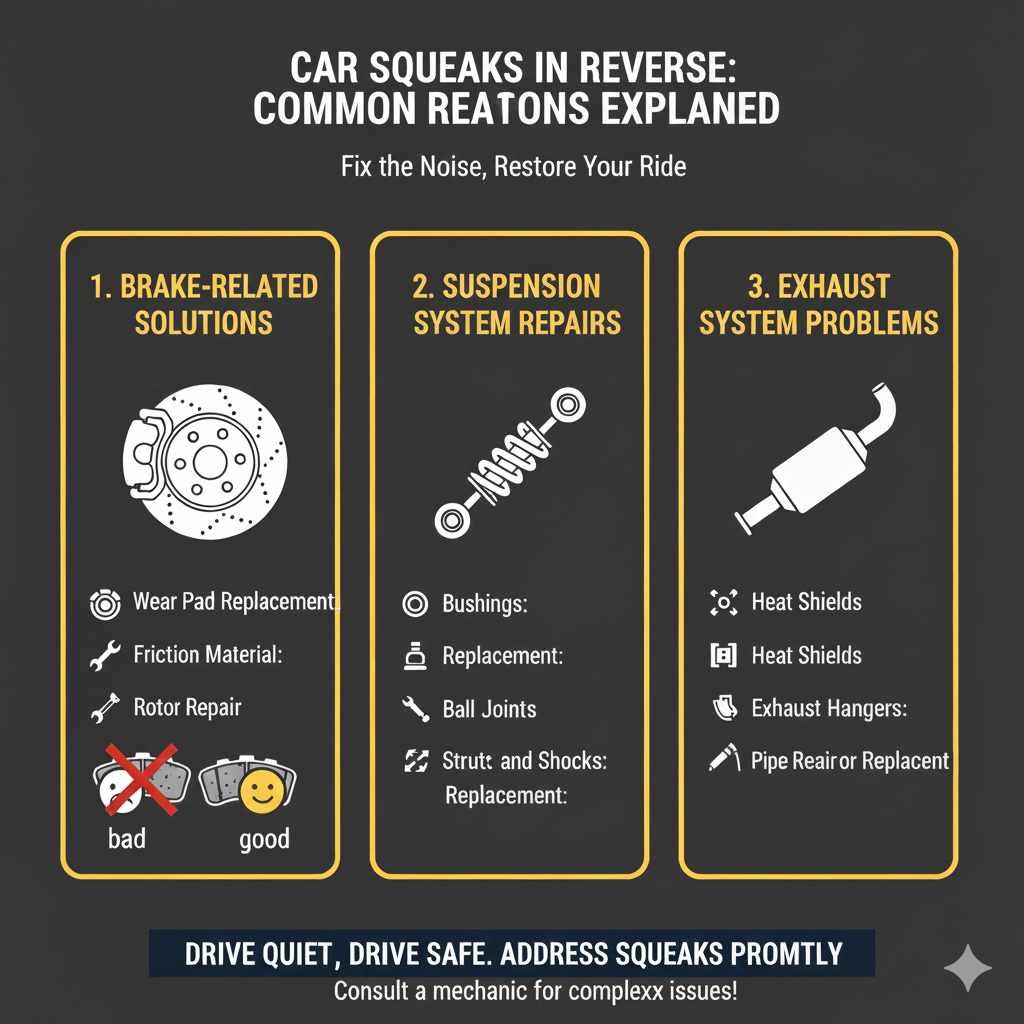
Brake-Related Solutions
If the squeak comes from the brakes, several options are available. Brake pad replacement is the most common and often solves the issue. For minor problems, a cleaning and lubrication might be enough. If the rotors are damaged, they may need resurfacing or replacing. Ensuring that your brake system is in top shape is key for safety. Acting quickly can save you money and prevent greater hazards.
- Brake Pad Replacement: When brake pads wear down, replacing them is usually the first step. This will eliminate the source of the squeak and restore braking performance.
- Cleaning and Lubrication: Sometimes, dust or debris can cause brake squeaks. Cleaning the brake components and applying a lubricant can fix the issue.
- Rotor Repair: If the rotors are grooved or rusted, they may need resurfacing or replacing. This repairs damage that might affect brake pad contact and reduce braking ability.
Suspension System Repairs
Suspension issues can also cause squeaks and require several solutions. Replacing worn bushings or ball joints can stop the noise and improve the ride quality. If the struts or shocks are damaged, replacing them will help restore stability and comfort. Regular checks and timely repairs can prevent more severe damage and ensure a smooth and safe driving experience.
- Bushing Replacement: Replacing worn bushings can eliminate squeaks from suspension components. This will improve ride quality and handle vibrations.
- Ball Joint Replacement: If ball joints are worn or dry, replacing them can stop the squeaking. It will help maintain control and safety.
- Strut and Shock
Exhaust System Repairs
Exhaust system problems often involve simple fixes. Tightening loose heat shields or replacing damaged exhaust hangers can resolve the noise. If there are more severe issues, like damage to the exhaust pipes, the parts might need to be replaced. Taking care of your exhaust system can improve your car’s performance and also help your car pass any emissions inspections.
- Heat Shield Repair: Tightening loose heat shields will stop vibrations and prevent squeaking. Use high-temperature fasteners to ensure secure attachment.
- Hanger
- Pipe Repair or Replacement: Damage to exhaust pipes should be repaired or replaced. This will restore exhaust system function and reduce noise.
Frequently Asked Questions
Question: Why does the car only squeak when backing up?
Answer: When a Car Squeaks in Reverse: What’s Causing It usually happens because of the forces acting on the brakes or suspension change direction. This can make the noise more noticeable when you’re reversing.
Question: Is it safe to drive if my car is squeaking in reverse?
Answer: It’s important to find out the source of the squeak. If it’s a minor noise, it might be fine, but if you notice it’s connected to performance problems, get it looked at right away.
Question: How often should I have my brakes inspected?
Answer: Getting your brakes inspected every year, or whenever you get your oil changed is a good idea. That way, you can catch any problems early.
Question: Can I fix the squeak myself?
Answer: Yes, some issues can be fixed at home. For example, if you know a little about cars, you can replace brake pads. But, if you are not sure what to do, it’s best to take your car to a mechanic.
Question: Are there any specific products I can use to stop the squeaking?
Answer: There are brake quiet sprays and other lubricants that you can use, but these are only short-term solutions. Always figure out what’s causing the squeak before applying any product.
Final Thoughts
Discovering why a Car Squeaks in Reverse: What’s Causing It doesn’t have to be a mystery. By using the steps described above, you can often find the cause. Understanding what’s going on will save you from surprise repairs. Early action, such as a quick visual inspection or by listening attentively to the noise, can lead to quick fixes. Always keep safety in mind, and don’t hesitate to consult a professional if you’re not sure. Regularly checking your vehicle can prevent more major issues. By using the right approach, you can keep your car in top shape and enjoy a smooth and quiet ride.