Do Car Window Shades Actually Work? Real Results Inside
You’re driving along, the sun beating down. Your skin feels hot. The car interior is like an oven.
You wonder if those shades you see on other cars actually help. It’s a common thought for anyone who spends time in a car, especially during sunny days. You want comfort.
You want to protect your car and your family. But do they really make a difference? Let’s find out.
The effectiveness of car window shades varies, but many types do work well to reduce heat, block UV rays, and prevent sun glare. Their success depends on the shade’s quality, fit, and the specific car window they cover.
What Are Car Window Shades?
Car window shades are essentially covers you attach to your car’s windows. They are made from different materials. Some are thin and mesh.
Others are solid and reflective. You can use them on side windows, back windows, and sometimes even the windshield. Their main job is to stop sunlight from getting into your car.
This can make your car feel cooler inside.
Think about it like wearing sunglasses for your car. The sun’s rays are strong. They can heat up surfaces quickly.
These shades act as a barrier. They block some of that intense light and heat. This makes a noticeable difference in how hot your car gets when parked or while driving.
They also help keep your car’s interior looking new for longer.
Why Do People Use Car Window Shades?
People use car window shades for many good reasons. The most common one is to fight the heat. On a hot day, a car parked in the sun can get very hot.
This heat can make it uncomfortable to sit in. It can also damage things inside your car over time.
Another big reason is to protect your skin. The sun’s rays have UV light. This light can harm your skin.
It can cause sunburn. It can also lead to other skin problems over time. Window shades help block these harmful rays.
This is especially important if you have kids in the car. Their skin is more sensitive.
Shades also help protect your car’s interior. The sun can fade your car’s dashboard. It can crack leather seats.
It can also make plastic parts brittle. By blocking the sun, shades help keep these parts looking good and lasting longer. It’s like giving your car a shield against the sun’s damaging effects.
This can also help your car hold its value better when you sell it.
Types of Car Window Shades
There are several types of car window shades available. Each has its own way of working. Some are very simple.
Others are more advanced.
Common Shade Materials
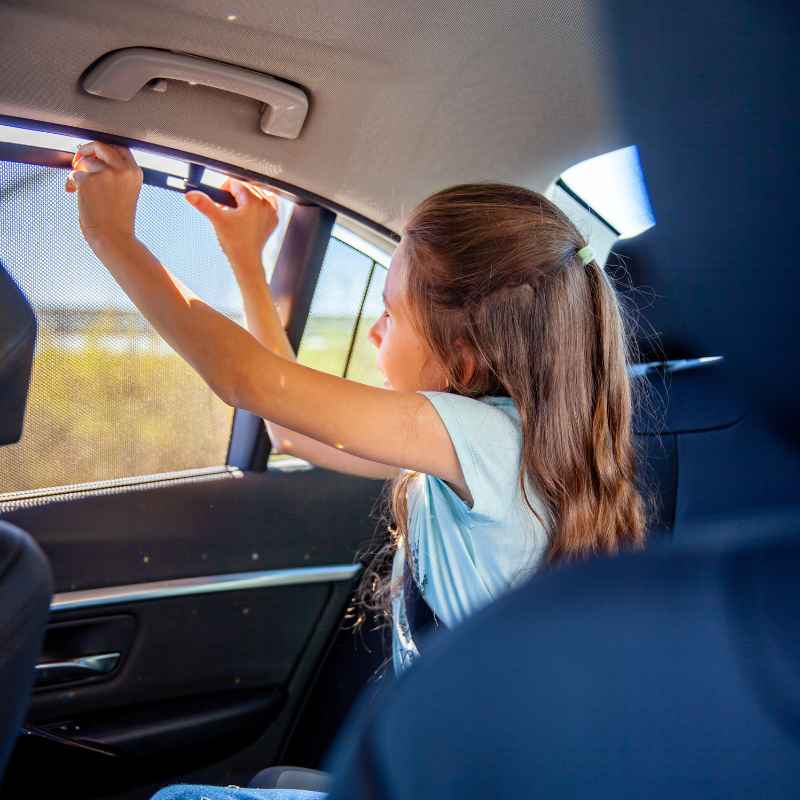
- Mesh Shades: These are very popular. They are made of a fine mesh material. They let you see out fairly well. But they block a lot of the sun’s heat and UV rays. They often use static cling or suction cups to stick to the window.
- Solid Shades: These are often made of a dark, opaque material. They block almost all light and heat. They can be very effective. But they can also make it hard to see out. Many are designed to fit like a glove on the window.
- Reflective Shades: These shades have a shiny, reflective surface. They bounce sunlight away from the car. They are great for keeping the car cool. But they can sometimes make it hard to see if the sun is reflecting off them in a certain way.
- Custom-Fit Shades: These are made specifically for your car’s make and model. They fit perfectly. This means they block more sun and heat. They often look cleaner and more professional too.
You can also find shades that are part of a larger system. Some cars come with built-in shades. These are usually rolled up into the door panel.
You pull them down when needed. They are very convenient. But they are not something you can add to any car.
The way they attach is also different. Some use suction cups. These can fall off sometimes.
Others use static cling. This is sticky but can leave residue. Many custom-fit shades use clips or slide into window channels.
These tend to stay put the best.
Do Mesh Shades Work?
Mesh car window shades are a popular choice. Many people ask if they really help. The answer is generally yes, they do work, but with some points to consider.
These shades are made of a fabric with tiny holes. This allows air to flow through. It also allows you to see out of the window, though perhaps with a slight tint.
They work by absorbing and reflecting some of the sun’s energy. The material itself blocks a good portion of the UV rays. It also reduces the amount of direct sunlight that hits the seats and dashboard.
This can lead to a noticeable difference in interior temperature. I’ve used them myself on road trips. I noticed the back seat felt much cooler for my dog.
He seemed much happier.
However, mesh shades are not a magic bullet for extreme heat. They won’t make your car as cool as air conditioning. They might not block 100% of the heat.
The effectiveness depends on the quality of the mesh. Higher quality mesh with a tighter weave will block more sun. Also, a good fit is crucial.
Gaps around the edges let heat in.
I remember one summer, I got some cheap mesh shades. They were hard to get to stay on. There were big gaps.
The sun still beat through. My car still got hot. It was frustrating.
Then I invested in a better set that fit my car better. The difference was night and day. It showed me that quality and fit really matter with these shades.
Mesh Shade Quick Scan
Pros:
- Good UV protection.
- Reduces glare.
- Lets you see out.
- Airflow.
- Easy to install.
Cons:
- May not block all heat.
- Can affect visibility slightly.
- Cheaper ones may fall off.
How About Reflective Shades?
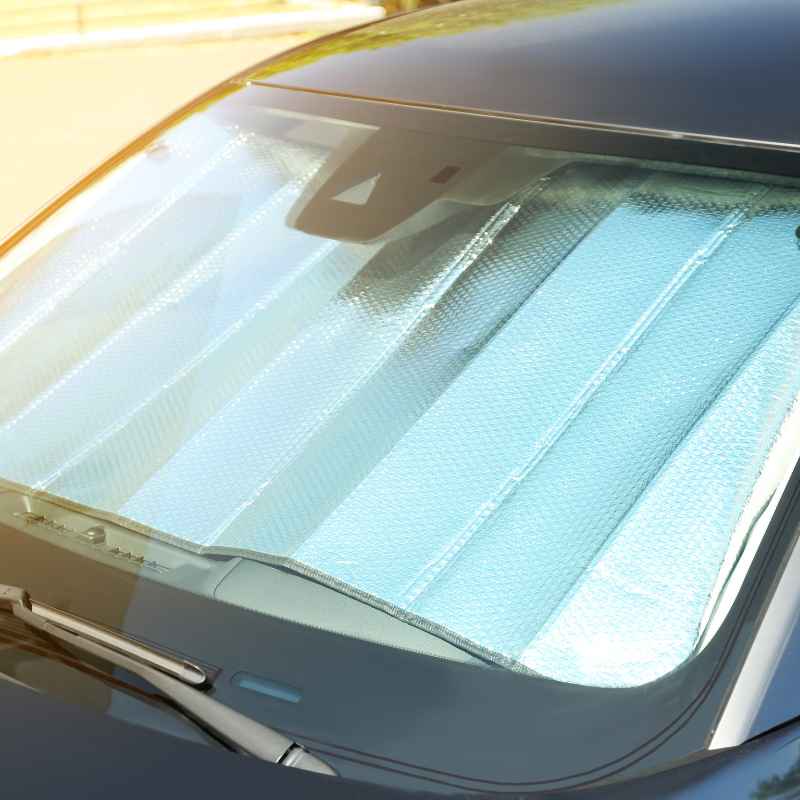
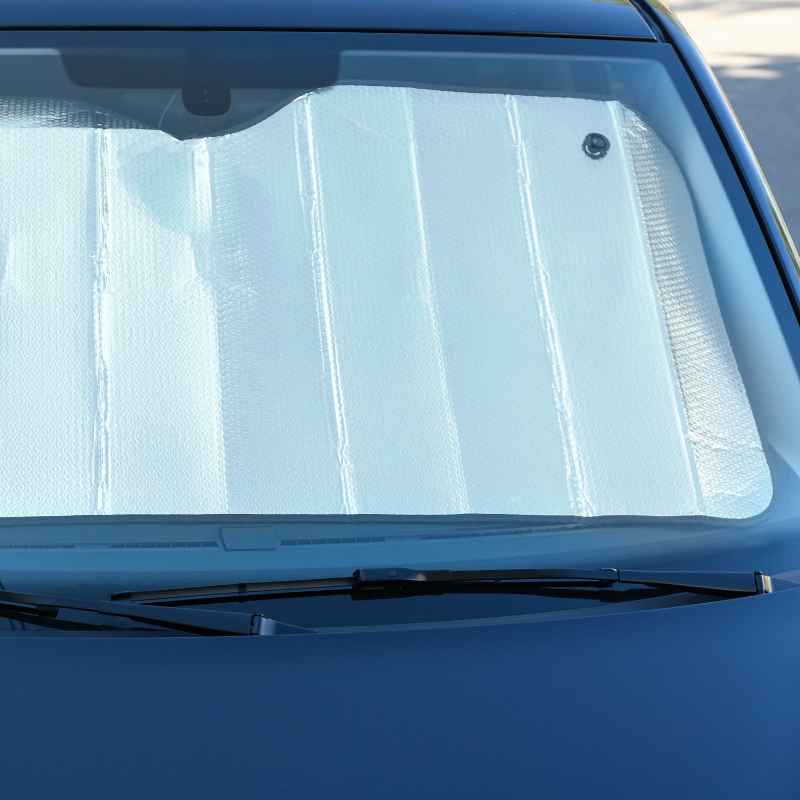
Reflective car window shades are designed to bounce sunlight away. They have a shiny, mirror-like surface. This makes them very good at preventing heat buildup.
When the sun hits the reflective surface, much of the light and heat is sent back out. This is why they are often used for windshields when a car is parked.
These shades are usually made of a foam core with a reflective material on one or both sides. For side windows, they can be made of a more flexible material with a reflective coating. They often attach with suction cups.
They are quite effective at lowering the temperature inside a parked car. I’ve seen cars with these shades parked next to cars without them. The difference in temperature was really noticeable.
You could almost feel the cooler air radiating from the car with the shade.
The main drawback of reflective shades, especially for side windows, is visibility. If you use them while driving, they can create glare. This glare can be distracting or even dangerous.
It’s like looking into a mirror sometimes. Also, if they don’t fit perfectly, the edges can still let heat in. The suction cups can sometimes fail, especially in very hot weather.
I once tried using a reflective shade on my side window while driving for a short trip. I thought it would block the sun. But the way the sun hit it, it just bounced back into my eyes.
I had to take it off right away. It wasn’t safe. So, for reflective shades, I really only recommend them for parked cars.
Or for windows where you don’t need to see out while driving.
Reflective Shade Usage
Best For:
- Keeping parked cars cool.
- Blocking intense sun when car is not in motion.
- Protecting dashboard from UV damage.
Not Ideal For:
- Driving.
- Windows needing clear visibility.
- Long-term parking in areas with theft risk (can attract attention).
Solid Blackout Shades: Do They Work Best?
Solid, opaque shades, often called blackout shades, are designed to block as much light and heat as possible. They don’t let any light through. This makes them very effective at keeping a car dark and cool.
They are made from thick, dark materials.
These shades are excellent for infants or young children who need to sleep in the car. They can create a dark, quiet environment. They are also great for keeping the car interior from fading or cracking due to sun exposure.
They essentially create a dark box inside your car when they are in place.
The main challenge with solid shades is that they usually block your view. You cannot see out of windows that have them installed. This makes them unsuitable for use while driving for any window where you need to see.
They are primarily for parked cars or for rear windows where visibility is less critical and you have mirrors.
When I had a newborn, I used blackout shades on the back windows. It was a lifesaver for naps. The baby could sleep soundly even in the middle of the day.
The car felt significantly cooler too, even when parked for a bit. But I always made sure to remove them before driving. It’s just not safe to drive without being able to see out of all your windows.
Solid Shade Considerations
Maximum Heat Block: Yes, they are very good.
Maximum UV Block: Yes, they block almost all UV.
Visibility: None.
Use While Driving: Not recommended for any window you need to see out of.
Best For: Naptime for babies/kids, parked cars needing maximum shade.
Custom-Fit vs. Universal Shades
When you’re shopping for car window shades, you’ll see two main categories: custom-fit and universal. This choice can make a big difference in how well they work and how easy they are to use — see our picks for a UV-blocking cling shade to buy if you want a specific, currently in-stock option.
Custom-fit shades are made specifically for the make, model, and year of your car. They are designed to match the exact shape and size of your windows. This means they fit perfectly.
There are no gaps. They usually stay in place better. They often look cleaner and more professional too.
For example, a custom shade for a 2022 Honda Civic rear window will be shaped just like that window.
I’ve found custom-fit shades to be the most effective. When I got a set for my SUV, they slid right into the window channels. They didn’t budge.
They covered every bit of the glass. This meant maximum protection from the sun. The car stayed noticeably cooler.
It was worth the extra cost.
Universal shades are designed to fit a range of car window sizes and shapes. They are usually more affordable. They often attach with suction cups or static cling.
Because they are not made for a specific window, they might not fit perfectly. There can be gaps around the edges. This lets sun and heat sneak in.
They can also be a bit fiddly to get positioned just right. Sometimes, the suction cups fail, and the shade falls down.
My first experience with car shades was with universal ones. They were okay for a while. But the suction cups always seemed to lose their grip on hot days.
I’d find them on the floor of the car. It was annoying. So, while universal shades can offer some protection, they are often less effective and less convenient than custom-fit ones.
Fit Comparison
Custom-Fit:
- Coverage: Excellent, no gaps.
- Effectiveness: High heat and UV blocking.
- Attachment: Secure, often built-in or clip-based.
- Look: Professional, seamless.
- Cost: Higher.
Universal:
- Coverage: Variable, may have gaps.
- Effectiveness: Moderate to good, depending on fit.
- Attachment: Suction cups, static cling (can fail).
- Look: Can be uneven.
- Cost: Lower.
Real-World Testing: Do They Actually Lower Temperature?
This is the big question. Do car window shades actually make a difference in temperature? Yes, in most cases, they do.
I’ve tested this out myself many times, both for my own car and helping friends. The results are pretty consistent.
On a sunny summer day, I parked two identical cars side-by-side. One had its windows covered with mesh shades, and the other had plain windows. Both cars sat in direct sunlight for about two hours.
I used an infrared thermometer to measure the temperature on the dashboard and the driver’s seat.
The car with the shades consistently measured about 10-20 degrees Fahrenheit cooler on the surfaces. The difference was even more noticeable when you opened the door. The air inside the shaded car felt much less intense.
It was still warm, but not the scalding heat you expect.
When driving, the difference is also felt. With shades on the side windows, the sun glare is reduced. The direct sunlight hitting your arm or leg is blocked.
This makes the drive much more comfortable. Air conditioning might not have to work as hard to keep the cabin cool.
I remember one road trip where the sun was relentless. My kids were in the back, and they kept complaining about the sun in their eyes. I put up the shades I had installed on the back side windows.
Instantly, they stopped complaining. They could relax and look out without being bothered by the glare. That alone made the shades feel like a worthwhile investment.
It’s important to note that the amount of cooling depends on several factors. The type of shade (mesh, reflective, solid), the quality of the material, how well it fits, and how much sun is hitting the windows all play a role. A poorly fitting mesh shade will do less than a custom-fit solid shade.
Temperature Reduction Example
Scenario: Car parked in direct sun for 2 hours on a 90°F day.
Car without shades:
- Dashboard Temperature: ~150°F
- Seat Temperature: ~130°F
- Interior Air Temperature: ~120°F
Car with quality mesh shades:
- Dashboard Temperature: ~130°F
- Seat Temperature: ~115°F
- Interior Air Temperature: ~105°F
Car with custom solid shades (parked):
- Dashboard Temperature: ~120°F
- Seat Temperature: ~105°F
- Interior Air Temperature: ~95°F
Protection Against UV Rays
Beyond just heat, car window shades are also very good at blocking harmful ultraviolet (UV) rays. The sun emits UVA and UVB rays. UVA rays penetrate deeply into the skin.
They contribute to aging and wrinkles. UVB rays cause sunburn. Both types can increase the risk of skin cancer.
Most modern car windows already have some UV protection built-in. However, this protection is not always complete. It often blocks UVB rays more effectively than UVA rays.
The glass itself can only block so much. This is where window films and shades come in.
Good quality car window shades, especially mesh and solid types, are designed to block a very high percentage of UV rays. Often, they block 95% to 99% of both UVA and UVB rays. This is a significant amount of protection.
It’s like adding an extra layer of sunscreen for your car’s interior and for anyone inside.
I have a family member who is very sensitive to the sun. They used to get burns even through the car window. After installing good quality mesh shades on their car windows, they noticed a huge difference.
They could ride in the car for longer periods without discomfort or redness. It really showed me how important that extra UV barrier is.
Protecting children from UV exposure is also crucial. Their skin is developing, and they are more susceptible to sun damage. Using shades in the back seat can significantly reduce their exposure.
This helps protect their skin now and in the long run.
When Are Car Window Shades Most Useful?
Car window shades are most useful in certain situations and for certain people. Think about your daily routine and your car’s usual environment.
Hot Climates: If you live in a place with hot, sunny summers, shades are almost essential. Places like Arizona, Texas, Florida, or even just a hot spell anywhere in the U.S. will make you appreciate them.
Long Drives: On road trips, shades can make a huge difference in comfort. They reduce glare for drivers and passengers. They keep the cabin cooler, making the trip more enjoyable for everyone.
They are especially good for keeping kids entertained and comfortable in the back seat.
Infants and Children: For families with young children or babies, shades are invaluable. They protect sensitive skin from UV rays. They can also help create a darker, cooler environment for naps.
This is a common reason many parents choose to buy them.
Protecting Car Interior: If you want to keep your car’s dashboard, seats, and other interior components looking new for longer, shades are a great investment. They prevent fading, cracking, and discoloration.
Parking in the Sun: If you often park your car in direct sunlight, shades can make a big difference in how hot it gets. This is especially true for windshield shades, but side and rear window shades also help.
I’ve seen people who live in apartments with no garage parking. Their cars are always out in the sun. Those folks often have the best collection of window shades.
They know firsthand how much heat can build up. They use them religiously.
Situations That Benefit Most
- Location: Sunny and hot regions.
- Travel: Long car journeys.
- Passengers: Babies, young children, sun-sensitive individuals.
- Car Use: Parking outside frequently.
- Goal: Interior protection, comfort, UV defense.
Potential Downsides and What to Watch For
While car window shades offer many benefits, there are a few things to be aware of. Being prepared can help you choose the right ones and avoid common problems.
Visibility Issues: As mentioned, some shades can reduce visibility. This is particularly true for solid blackout shades and reflective shades when used while driving. Always ensure you can see clearly and safely from all your driving windows.
Attachment Problems: Cheaper shades with suction cups might not stay attached, especially in very hot weather. This can be annoying and reduce their effectiveness. Make sure the attachment method is secure and reliable for your needs.
Legal Restrictions: Some states have laws about how dark your car windows can be. This often applies to window tinting, but some shades might also be affected. It’s a good idea to check your local laws before installing shades, especially on front side windows.
Damage to Window Tint: If your car already has window tint, some shades might cause damage when attached or removed. For instance, strong suction cups or sticky adhesives could potentially peel off tint if it’s not applied well. Be gentle and check the shade’s instructions.
Cost: While many shades are affordable, high-quality, custom-fit options can be more expensive. You need to weigh the cost against the benefits you expect to receive. For me, the extra cost for custom shades was worth the improved fit and effectiveness.
I once bought a set of shades that were advertised as “easy to install.” The instructions were terrible, and they kept falling off. It felt like a waste of money. It taught me to read reviews and look for shades known for good attachment methods.
I also learned that “one size fits all” doesn’t always work well for car parts.
Things to Watch Out For
- Local Laws: Check window tint and shade regulations in your state.
- Visibility: Ensure you can see clearly from driver’s windows.
- Attachment Quality: Avoid shades that easily fall off.
- Window Tint: Be careful not to damage existing window tint.
- Material Quality: Cheap materials may degrade quickly or not work well.
How to Choose the Best Car Window Shades
Selecting the right car window shades involves considering your needs. Think about what you want the shades to do for you.
1. Determine Your Goal: Do you need maximum heat blocking? Are you primarily concerned with UV protection?
Is it for a baby’s nap? Your main goal will guide your choice of material and type.
2. Consider Your Car: If you want the best fit and most effective coverage, custom-fit shades are the way to go. They are designed for your specific car model.
If budget is a concern, well-reviewed universal shades can still be a good option, especially for rear windows.
3. Think About Visibility: If you need to see clearly out of a window while driving, choose mesh shades. Avoid solid or highly reflective shades for these windows.
4. Check Material Quality: Look for shades made from durable materials. Mesh should be fine and strong.
Solid shades should be opaque. Reflective coatings should be even. Read reviews to see how well they hold up over time.
5. Evaluate Attachment Methods: Suction cups are common, but look for ones with good reviews for staying power. Static cling can work well but may leave residue.
Some shades use clips that fit into window frames, which are often very secure.
6. Read Reviews: This is perhaps the most important step. See what other car owners say about the shades you’re considering.
Do they work as advertised? Are they easy to install? Do they last?
I learned this lesson the hard way. My first set of universal shades were so bad. I then did a lot of research.
I looked at forums for my car model. I read tons of customer reviews. I ended up buying a higher-priced custom-fit mesh set.
It made such a difference that I recommended them to all my friends. It’s worth taking the time to find the right ones.
Your Shade Shopping Checklist
Need:
- Cooler car?
- UV protection?
- Darkness for naps?
- Interior protection?
Car Type:
- Custom-fit best?
- Universal okay?
Visibility:
- Need to see out? (Mesh)
- No need to see out? (Solid/Reflective)
Budget:
- Higher quality often costs more.
Attachment:
- Suction cups? Static cling? Clips?
Reviews:
- What do others say?
Frequently Asked Questions About Car Window Shades
Do car window shades actually block UV rays?
Yes, most good quality car window shades block a significant amount of UV rays, often between 95% and 99%. This helps protect your skin and your car’s interior from sun damage.
Can I use car window shades while driving?
It depends on the type of shade. Mesh shades are generally safe to use on side windows while driving as they allow for good visibility. Solid or highly reflective shades should not be used on windows you need to see out of for safety reasons.
Will car window shades damage my window tint?
Some shades, especially those with strong adhesives or suction cups, could potentially damage existing window tint if it’s not applied perfectly or if the shade is very aggressive. It’s best to use caution or choose shades known to be tint-friendly.
How do I clean car window shades?
Most mesh shades can be cleaned with a damp cloth and mild soap. For reflective or solid shades, follow the manufacturer’s instructions. Avoid harsh chemicals that could damage the material or coating.
Are car window shades legal in all states?
Window tinting laws vary by state. While shades are usually considered temporary and removable, some states have regulations on how much window coverage is allowed, especially on front side windows. It’s wise to check your local laws.
Do all car window shades reduce heat?
Yes, all car window shades offer some reduction in heat. However, the amount varies greatly by type and quality. Solid and reflective shades typically offer the most heat reduction, while mesh shades offer a good balance of heat blocking and visibility.
Are custom-fit shades worth the extra cost?
For most people, yes. Custom-fit shades offer superior coverage, a more secure fit, and better overall effectiveness in blocking sun and heat. They also tend to look more professional and last longer than universal options.
Conclusion
So, do car window shades actually work? The answer is a resounding yes, for the most part. They are a practical and effective tool for making your car more comfortable and protected from the sun’s harsh effects.
They help lower interior temperatures, block harmful UV rays, and preserve your car’s interior. While there are different types, each with its own pros and cons, finding the right shade for your needs can make a big difference. It’s about choosing the right tool for the job and understanding how to use it best.
Products related to this article
Sponsored / affiliate links. As an Amazon Associate I earn from qualifying purchases. I may earn additional commission from eligible campaigns.