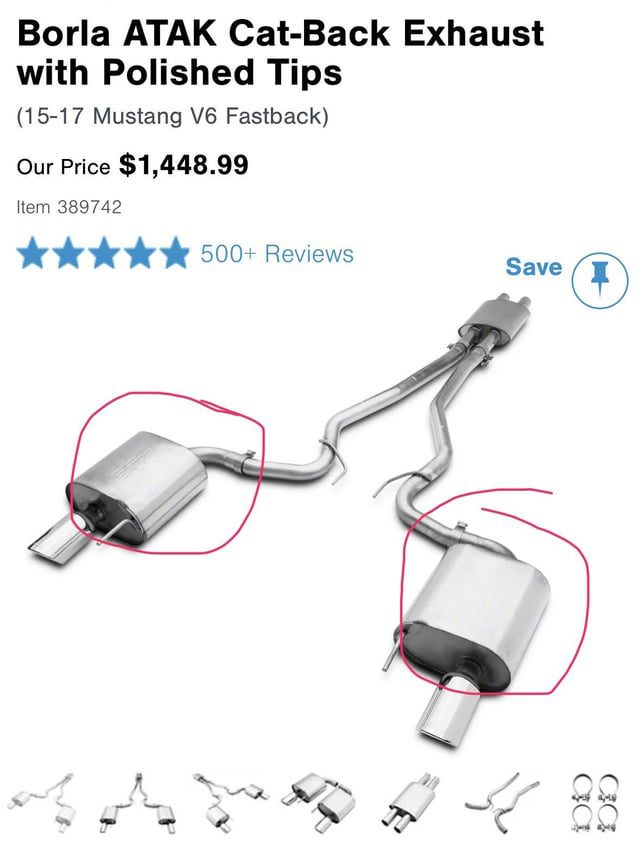
What Does CAT Mean on a Car? Catalytic Converter Explained
“CAT” on a car stands for catalytic converter — the exhaust part that turns harmful engine gases into safer emissions before they leave the tailpipe.
You will run into the term everywhere: dashboard warning lights, OBD2 code readers, repair invoices, and even car insurance write-off reports (where “Cat” means something different entirely). Every gasoline car built since the 1970s has one, and a failing or missing cat can trip a check engine light or fail an emissions test.
Below, we will cover how a catalytic converter works, the warning signs of a failing one, what a “CAT” code on a scanner actually means, and why catalytic converter theft has been climbing again in 2026.
Quick Answer
“CAT” on a car means catalytic converter — the emissions-control device in the exhaust system that converts carbon monoxide, hydrocarbons, and nitrogen oxides into less harmful gases. On an OBD2 scanner, a “CAT” or P0420 code means the converter is not cleaning exhaust gases efficiently enough.
Catalytic Converter Basics
A catalytic converter makes cars less harmful to the air. It changes bad gases into safer ones. Cars release gases when they run, and these gases can hurt the environment. The converter helps by making these gases cleaner. It is an important part of a car’s exhaust system — without it, cars pollute far more. This device protects the air we breathe, so every gas-powered car needs one to be street-legal and eco-friendly.
A catalytic converter has three main parts. The catalyst is the first part; it triggers the chemical reaction that changes the gases. Ceramic is the second part; it holds the catalyst in a honeycomb structure to maximize surface area. The metal shell is the third part; it protects the converter from road debris and heat. These parts work together to clean exhaust gases, and each one is essential — without any of them, the converter cannot function.
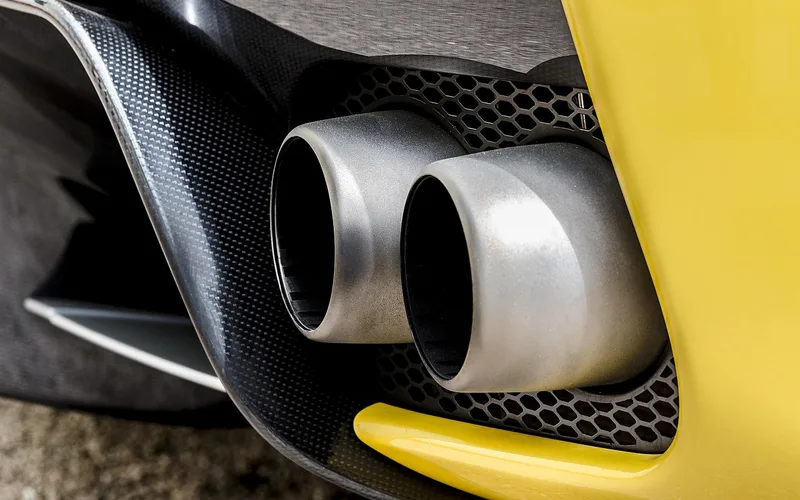
History Of Catalytic Converters
Catalytic converters started in the 1970s. Cars were causing a lot of pollution, and these devices were designed to reduce harmful gases by changing them into less harmful ones. This was important for the air people breathe, and many countries eventually made them mandatory for new cars. This helped make city air noticeably cleaner over the following decades.
Over time, catalytic converters improved. New materials made them more efficient, and they became smaller while working better. More cars got them installed, which helped further reduce pollution. Today, they are standard in nearly every gasoline-powered vehicle sold worldwide, and their design keeps improving alongside new emissions technology.
How Catalytic Converters Work
Catalytic converters help make car exhaust cleaner. They use precious metals — platinum, palladium, and rhodium — as catalysts to change harmful gases through a chemical reaction. Inside the converter, three main gases are transformed: carbon monoxide becomes carbon dioxide, hydrocarbons turn into water and carbon dioxide, and nitrogen oxides split into nitrogen and oxygen. This reaction happens at high heat, which the engine generates once it is warmed up.
Catalytic converters play a big role in keeping the air clean. They lower the harmful gases that come out of a car’s tailpipe, meaning less pollution overall. Cars with a working converter are simply better for the planet and for the air we all breathe.
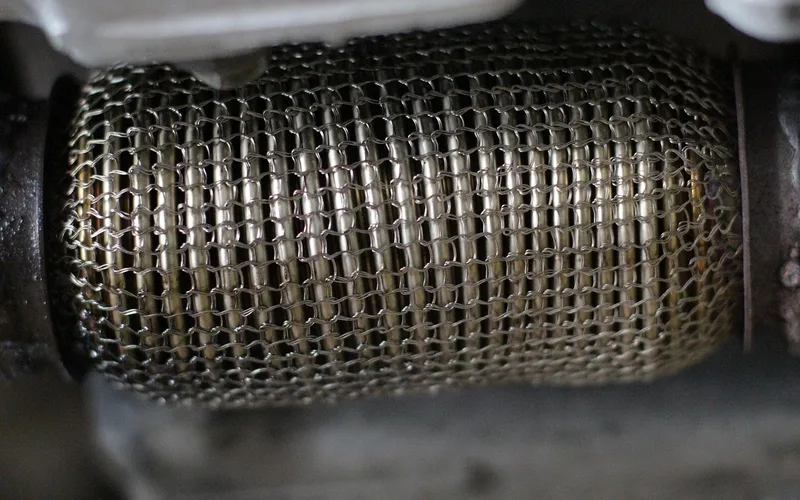
Importance In Modern Vehicles
Environmental impact of the catalytic converter is significant. It helps clean car exhaust by turning harmful gases into less dangerous ones, which keeps the air cleaner for everyone — people, animals, and plants all benefit from the reduced pollution. This is a core reason cars are required to have one.
Regulatory compliance is a must for automakers. Catalytic converters help vehicles meet emissions rules, and cars generally cannot be legally sold or registered without one working properly. Governments set these laws specifically to protect air quality, and manufacturers must follow them.
Catalytic Converter Theft: Why It’s a Target (2026 Update)
Catalytic converters are stolen more than almost any other car part because the ceramic core inside contains small amounts of platinum, palladium, and rhodium — precious metals worth more per ounce than gold. Thieves can slide under a parked car and cut one out with a battery-powered saw in under two minutes.
By the numbers: Catalytic converter theft claims peaked at 64,433 in the U.S. in 2022 and fell to roughly 14,036 by 2024 — but scrap metal prices more than doubled in 2025, and thefts are climbing again in 2026. Replacing a stolen converter typically runs $900–$3,500 (averaging around $2,177–$2,506), not counting damage thieves cause to nearby fuel and electrical lines. Source: MoneyGeek, 2026.
A few practical ways to protect yours:
- Have your VIN etched onto the converter so a stolen one is harder for thieves to sell and easier for police to trace back to you.
- Install an anti-theft shield, cage, or cable lock over the converter — these add several extra minutes to a theft, which is often enough to scare thieves off.
- Park in a garage or well-lit, camera-covered area whenever possible, and park close to walls or other cars to limit access underneath.
- Set your car alarm’s motion or tilt sensitivity higher if it supports it.
Diagnose or Protect Your “Cat”: Our Picks
ANCEL AD310 OBD2 Scanner (Editor’s Pick)
Best for: Reading and clearing a “CAT” or P0420 code yourself before paying a shop just to diagnose it.
Why we picked it: Reads and clears check-engine codes on any 1996+ OBD2 vehicle in seconds, no subscription or app pairing required.
Main drawback: Basic code reader only — it will not tell you live sensor data or freeze-frame details a pricier scanner would.
View Our Pick on Amazon
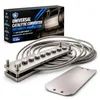 Universal Cat Security Shield Bolt-on stainless shield that slows down converter theft by several minutes. Check on Amazon → |
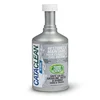 Cataclean Fuel & Exhaust Cleaner One-tank additive that can help clear light contamination before a P0420 code gets worse. Check on Amazon → |
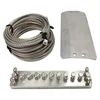 Pop & Lock CAT-RAP Cable Lock Heavy-gauge steel cable wrap that is harder to cut than a bare shield alone. Check on Amazon → |
As an Amazon Associate, The Daily Automotive earns from qualifying purchases.
Signs Of A Failing Catalytic Converter
Strange noises are a big clue. You might hear rattling sounds, which usually means the ceramic honeycomb inside has broken apart and is loose. The engine might also struggle to start, and in severe cases, it will not start at all because a clogged converter is blocking exhaust flow entirely.
Another sign is poor fuel efficiency — the car uses more gas than usual because the engine has to work harder against a restricted exhaust. Also watch for foul smells: a rotten-egg (sulfur) smell usually means trouble, and black smoke from the tailpipe is another warning sign.
- Check for an illuminated check engine light.
- Listen for unusual rattling sounds from underneath the car.
- Watch your fuel consumption — is it higher than normal?
- Smell the exhaust for a rotten egg odor.
- Watch for black smoke from the tailpipe.
Other Meanings of “CAT” on a Car (OBD2 Code & Insurance Write-Off)
What Does a “CAT” Code Mean on an OBD2 Scanner? (P0420 Explained)
The most common “CAT” trouble code is P0420: Catalyst System Efficiency Below Threshold (Bank 1). Your car’s computer compares readings from two oxygen sensors — one before the converter, one after. If the downstream sensor’s readings look too similar to the upstream sensor’s, the computer decides the converter is not cleaning exhaust well enough, and it usually triggers this code once efficiency drops below around 95% on most vehicles.
A P0420 code does not always mean the converter itself is bad. Common causes include a genuinely worn-out converter (often from overheating or contamination), a failing oxygen sensor giving a false reading, or an exhaust leak upstream of the converter throwing off the comparison. Once triggered, expect an illuminated check engine light and, in most states, a failed emissions test until it is resolved. Source: CarParts.com.
“If your scanner throws a ‘CAT’ or P0420 code, do not assume the converter itself is bad. A cheap oxygen sensor or a small exhaust leak upstream can trigger the exact same code — always rule those out before paying for a new converter.” — The Daily Automotive editorial team
“Cat C” or “Cat D” on a Car (UK Insurance Write-Off Categories)
“Cat” also shows up in a completely different context: UK car insurance write-off records. Cat C and Cat D used to be official categories for damaged vehicles, but the Association of British Insurers replaced them in October 2017 with Cat S (Structural damage) and Cat N (Non-structural damage). Cars written off before October 2017 may still carry the old Cat C or Cat D marker permanently on their history record, but no vehicle has been newly classified as C or D since the change. Source: Auto Express.
Maintenance And Care
Keeping a car’s catalytic converter in good shape is important. Regular checks help catch problems early, and using the right fuel matters too — unleaded fuel only, since leaded fuel can permanently damage the cat. Driving smoothly, without harsh sudden stops and starts, also helps the converter last longer.
Sometimes a catalytic converter needs repair rather than full replacement, which can be cheaper. Muffler and exhaust shops often offer repair services, and replacing a broken cat outright is also an option — new ones are available at auto parts stores as either universal-fit or OEM (direct-fit) units. Always check the warranty terms, since coverage length varies by brand and part type. If you are unsure whether your specific vehicle needs one at all, see our guide on whether your car needs a catalytic converter, and note that most cars actually have more than one — see how many catalytic converters cars typically have.
Future Of Catalytic Converters
Catalytic converters keep improving. New materials help them work faster while fitting into smaller, tighter spaces, and better designs clean exhaust gases more effectively than earlier generations. These improvements make gas-powered cars steadily cleaner over time.
Cars are changing too. Fully electric vehicles do not have a combustion exhaust system at all, so they skip the catalytic converter entirely, while hybrids still use one since their gas engine still produces exhaust. As automakers push for better fuel efficiency across the board, converter technology and emissions rules will likely keep tightening together. Failing a smog check because of a bad converter is a real risk worth planning around — see what actually happens if your car fails an emissions test.
Frequently Asked Questions
Can I Drive My Car With The Catalytic Converter Light On?
Driving with the catalytic converter (check engine) light on is not recommended. It indicates a potential problem with the emissions system, and continuing to drive may cause further damage or cause you to fail an emissions test. It is best to have your vehicle checked by a mechanic promptly to avoid costlier repairs down the line.
Is A Cat Delete Bad For A Car?
Removing a catalytic converter (“cat delete”) can harm your car’s emissions and, on public roads, is illegal in the U.S. under federal Clean Air Act rules and most state emissions programs. It typically voids the emissions-related portion of your warranty and can result in fines or a failed inspection. Consider alternatives, like a higher-flow catalytic converter, if you want better exhaust flow without removing the cat entirely.
Is Cat C Or Cat D Better On A Car?
Under the old UK system, Cat D generally meant less severe or non-structural damage than Cat C, making it the “better” of the two for a buyer. That system was retired in October 2017 in favor of Cat S and Cat N, so you will mainly see C or D on the history of a car written off before that date. Either way, always get a written-off vehicle professionally inspected before buying.
What Does “CAT” Mean On A Car Code Reader?
On an OBD2 code reader, “CAT” refers to the catalytic converter, most often as part of code P0420 (Catalyst System Efficiency Below Threshold). It means the scanner has detected the converter is not cleaning exhaust gases as efficiently as it should. A worn converter, a failing oxygen sensor, or an exhaust leak can all trigger it, so it is worth ruling out the cheaper causes first.
Is My Catalytic Converter At Risk Of Being Stolen?
Any gas-powered car is a potential target, but trucks, SUVs, and hybrids (which use more precious metal per converter) tend to be favorites, especially older, high-ground-clearance vehicles that thieves can slide under easily. Parking in well-lit or enclosed areas and installing a physical anti-theft shield are the most effective deterrents.
How Much Does It Cost To Replace A Catalytic Converter?
Most catalytic converter replacements cost between $900 and $3,500, with an average stolen-converter replacement running around $2,177 to $2,506 once you include labor and any damaged sensors or exhaust piping. Costs vary widely by vehicle — luxury and hybrid models with more precious metal in the converter tend to sit at the higher end.
Conclusion
Understanding the term “Cat” on a car is simple now: in most contexts, it refers to the catalytic converter, the exhaust part that reduces harmful emissions and helps keep your car street-legal and eco-friendly. Keep it in good condition, watch for the warning signs above, and address any “CAT” code promptly.
It also supports better overall performance, so checking it periodically can save you real trouble — and given how often converters are stolen right now, a physical anti-theft shield is worth the modest upfront cost. Next time you hear “Cat” mentioned on a car, you will know exactly what it means and why it matters.
Products related to this article
Sponsored / affiliate links. As an Amazon Associate I earn from qualifying purchases. I may earn additional commission from eligible campaigns.
 Catalytic Converter Cleaner Auto Parts Engine, Exhaust System Pipe Carbon Removal Cleaner Treatment Additive Oil, Fuel System Treatment Oil Additive for Gas and Diesel Car(120 ml) (2pcs)
 2PCS Catalytic Converter Cleaner Kit,Auto Parts Engine Cleaner,Fuel System Cleaner Pipe Carbon Removal Cleaner Treatment for Gas and Diesel Car