Do Cars Rust In Washington State? The Honest Answer
Cars can rust in Washington State. Factors like moisture, salt from roads, and the climate play a big role. Understanding these elements helps you protect your car from corrosion and keep it looking good.
Understanding Car Rust: The Science Simplified
Rust is basically a type of corrosion. It happens when iron or steel reacts with oxygen and water. Think of it as the metal getting a fever.
This reaction weakens the metal. It turns into a flaky, reddish-brown stuff we call rust. Your car’s body is mostly made of steel.
That’s why it’s so prone to rust if not protected.
The process starts small. Tiny scratches or chips in your car’s paint are like open doors. Water and oxygen get in.
They reach the bare metal underneath. Then, the chemical reaction begins. This is called oxidation.
It’s a slow but steady process. It can spread and cause a lot of damage over time.
My First Car and the Dreaded Rust
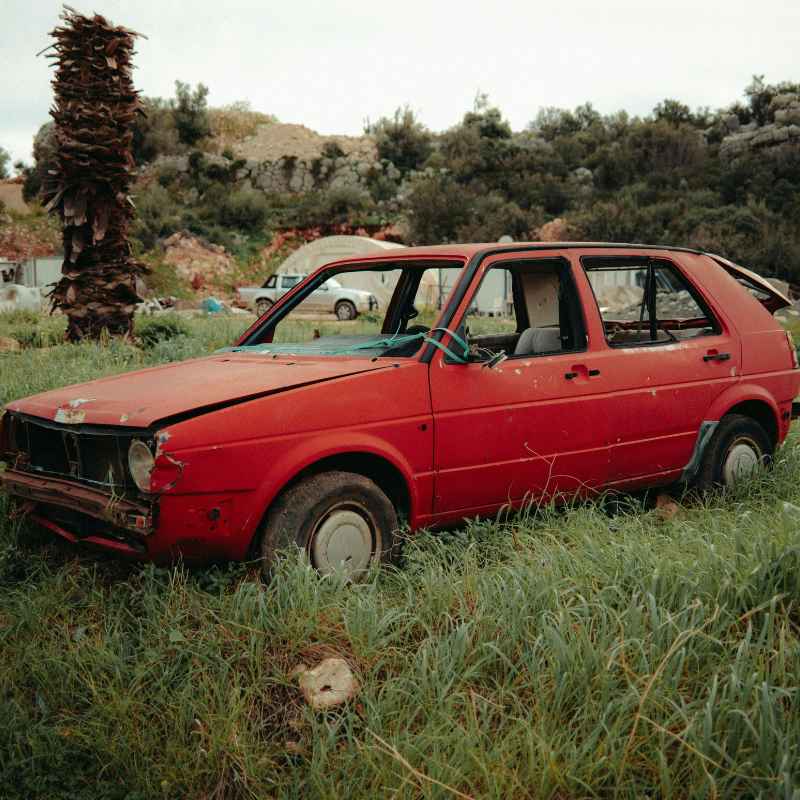
I remember my first car. It was a used sedan I bought for next to nothing. It looked okay from a distance.
But I lived in a coastal town in Washington. Winter meant lots of rain. The roads also got treated with salt.
I didn’t know much about cars back then. I just drove it. Slowly, I started seeing little orange spots appear.
They were on the fenders and along the bottom of the doors. It looked like a bad rash. I felt a bit of panic.
I knew rust meant trouble. It was a constant worry. I’d try to wash it off, but it always came back.
That car taught me a lot about car care. It showed me how important protection is.
Rust Factors in Washington
Moisture: Washington is known for its rain. Constant dampness is a rust magnet. Even without direct rain, high humidity helps rust form.
This is especially true near the coast.
Road Salt: During winter, roads are often salted. This salt gets on your car. It speeds up the rusting process dramatically.
Salt acts like a catalyst for corrosion. It makes the chemical reaction happen faster.
Temperature Swings: While Washington isn’t extremely hot, it has temperature changes. These shifts can cause condensation. Condensation on metal surfaces provides the water needed for rust.
Why Washington State is a Rust Concern
Washington State’s climate creates a perfect storm for rust. The Pacific Northwest gets a lot of rain. This keeps metal surfaces wet for long periods.
Think about all the puddles and damp air. This constant moisture is the first ingredient for rust. It doesn’t need to be freezing.
Even mild, wet weather is enough.
Then there’s the road salt. During colder months, many areas in Washington use salt or de-icing chemicals on roads. These are very effective at melting ice.
But they are also highly corrosive. When salt gets on your car, it sticks to the metal. It traps moisture.
It then works overtime to break down protective coatings. This is where serious rust can start.
Even areas away from the coast experience these issues. Inland parts of Washington can get snow and ice. They use salt too.
So, the problem isn’t limited to just one region. The combination of rain, humidity, and road salt makes cars in Washington very susceptible.
The Different Types of Car Rust
Rust doesn’t always look the same. It can appear in different ways. Knowing these can help you spot trouble early.
Some rust is surface-level. Other rust eats right through the metal.
Surface Rust: This is the most common type. It looks like a fine, reddish-brown dust on the metal. It usually happens where the paint is chipped or scratched.
It hasn’t gone very deep yet. You can often catch this early. A good cleaning and touch-up paint might fix it.
Scale Rust: This is a bit more serious. It’s thicker and flakier than surface rust. It forms when the metal has been exposed to moisture for a longer time.
It can make the metal look rough and pitted. This type can weaken the metal if left untreated.
Penetrating Rust: This is the worst kind. It’s when rust eats all the way through the metal. It creates holes.
You might see rust bubbling up from underneath. Then, the metal breaks away. This type is very hard to repair.
It often means replacing the damaged part of the car.
Signs of Rust to Watch For
- Orange or Red Spots: Look for small dots or patches of color that don’t belong.
- Bubbling Paint: Paint that looks like it’s lifting or bubbling is often a sign of rust underneath.
- Flaky Metal: If you see bits of metal flaking off, that’s rust that has eaten through.
- Rough or Pitted Surfaces: Even if it’s not red, a rough texture on the metal can mean corrosion is starting.
- Holes: The most obvious sign, but often appears late. Check wheel wells and rocker panels.
Where Rust Likes to Hide on Your Car
Rust doesn’t just appear randomly. It tends to form in specific areas. These are places where water and salt can collect.
They can also be spots where the protective coating is damaged.
Wheel Wells: The inside of your wheel wells gets covered in spray from the road. This includes water, mud, salt, and grit. It’s a prime spot for rust to start, especially in older cars.
The metal here is often exposed.
Rocker Panels: These are the panels below the doors. They often collect road grime and moisture. They can also be hit by road debris.
Rust here can be hard to see until it’s quite bad.
Fenders: Especially the lower parts of the fenders. They are exposed to road spray. Chips in the paint here are common.
This allows moisture to reach the metal.
Door Bottoms: Water can get trapped inside the doors. It can also drip down and sit on the lower edges. If the drain holes are clogged, this problem gets worse.
Trunk Lid and Hood: The edges, especially around the seams and under the trim, can trap moisture. Look for rust starting to creep out.
Frame and Undercarriage: This is the structural part of your car. It takes the brunt of road spray and salt. Keeping this area clean is crucial for long-term car health.
Many people forget to check under their car.
My Experience with a Clogged Drain Hole
I once had a car where the door bottom started to rust badly. I couldn’t figure out why. It was a classic spot for it.
Then, one day, I was cleaning the car. I noticed water just sitting in the bottom edge of the driver’s door. It wouldn’t drain out.
I realized the little drain holes at the very bottom must be blocked. They were likely filled with leaves and dirt. When these holes clog, water stays trapped inside.
It has nowhere to go. This constant moisture inside the door panel caused the rust. It was a simple fix.
I used a small wire to poke out the debris. But it took that rust to make me look closer. It was a lesson in paying attention to small details.
Quick Scan: Common Rust Zones
| Area | Why it Rusts |
|---|---|
| Wheel Wells | Road spray, salt, grit, moisture |
| Rocker Panels | Collects grime, moisture, debris |
| Door Bottoms | Trapped water, clogged drains |
| Fenders | Road spray, paint chips |
| Undercarriage | Constant exposure to salt and water |
How the Climate in Washington Contributes
Washington’s weather patterns are a major factor. The state has a generally mild but very wet climate. Coastal areas see a lot of fog and rain.
Inland areas can experience more extreme temperatures, but still get plenty of precipitation.
Rainfall: Seattle, for example, gets around 38 inches of rain per year. Other parts of the state can get much more. This consistent wetness means your car is exposed to moisture much of the year.
It doesn’t get a chance to dry out completely.
Humidity: Even when it’s not raining, the air in Washington is often humid. High humidity means there’s a lot of water vapor in the air. This vapor can condense on your car’s surfaces.
It creates a thin layer of moisture that rusts love.
Temperature Fluctuations: While Washington isn’t known for extreme heat, it does have temperature changes. When warm, moist air hits a cooler car surface, condensation forms. This is especially true overnight.
This dew-like moisture is enough to start or worsen rust.
Understanding Washington’s Climate Impact
Label: Persistent Dampness
Note: Constant moisture from rain and humidity provides the water needed for rust.
Label: Coastal Air
Note: Salty air, even without direct road salt, can contribute to corrosion.
Label: Freeze-Thaw Cycles
Note: Occasional freezing and thawing can expand tiny cracks, letting more moisture in.
The Role of Road Salt and De-Icers
This is a big one. Road salt is a car’s enemy. When winter arrives in Washington, roads often get treated.
This is to keep them safe for driving. Common de-icers include sodium chloride (table salt), calcium chloride, and magnesium chloride.
These salts work by lowering the freezing point of water. This melts ice and snow. But they are highly corrosive.
When your car drives over treated roads, these chemicals stick to the underside, the wheel wells, and the lower body panels. They get into every nook and cranny.
Once salt is on your car, it doesn’t just disappear. It attracts moisture. It holds it against the metal.
This creates an electrochemical reaction that causes rust much faster than plain water would. Think of salt as a supercharger for rust.
Even when the weather warms up, the salt residue can remain on your car. This means the corrosive effect can continue long after the snow is gone. Regular washing becomes very important in areas where salt is used.
My “Almost” Disaster with Road Salt
A few years back, we had a surprisingly harsh winter in my area of Washington. The roads were constantly salted. I was pretty good about washing my car.
But one week was so busy, I couldn’t get to it. The car was coated in a thick layer of gritty salt. I ignored it, telling myself I’d do it soon.
Then, I started hearing a strange noise from the front passenger side. It sounded like a grinding. I finally took it to the mechanic.
He showed me the brake rotor. It was heavily corroded. The salt had eaten away at it.
He said if I’d waited much longer, it could have become a serious safety issue. That was a wake-up call. It showed me how quickly salt can damage critical parts, not just the body.
Protection is Key: What You Can Do
The good news is you aren’t powerless against rust. There are things you can do to protect your car, especially in a place like Washington.
Regular Washing is Your Best Friend
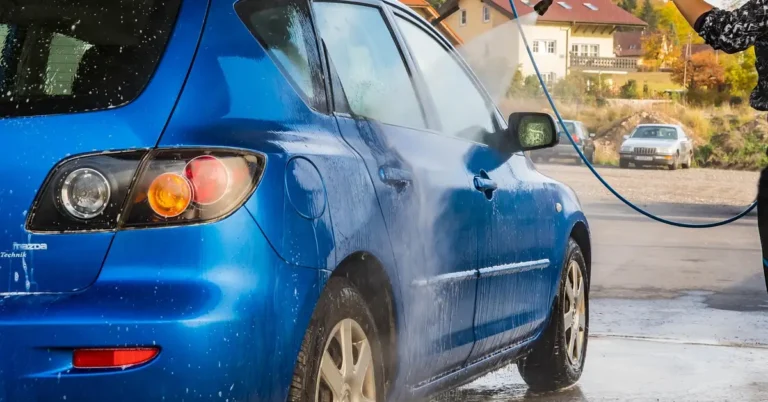
This is the most important thing. Washing your car regularly removes the salt and grime that cause rust. Pay special attention to the underside of your car.
Many automatic car washes offer an undercarriage spray. Use it, especially after driving on salted roads.
Wash your car at least once a month. During the winter or after a storm, wash it more often. Use a good car soap.
Don’t use harsh detergents. They can strip away protective waxes.
Wax Your Car
A good coat of wax adds a protective layer to your car’s paint. This layer acts as a barrier. It helps repel water and dirt.
It makes it harder for corrosive elements to reach the metal. Apply wax a few times a year. This is especially helpful in spring and fall.
Inspect for Damage
Take a close look at your car’s paint regularly. Look for chips, scratches, or dings. These are entry points for rust.
If you find any damage, get it fixed as soon as possible. Small scratches are easy to touch up. Waiting makes the problem much bigger and more expensive to fix.
Consider Protective Coatings
For extra protection, you can look into professional rustproofing or undercoating services. These treatments add a durable barrier to the car’s undercarriage and vulnerable areas. They can be very effective in climates like Washington’s.
They provide a thicker, more robust shield than wax alone.
Your Car’s Rust Defense Plan
Monthly Wash: Keep it clean, especially the undercarriage.
Wax Twice a Year: Add a protective shine and barrier.
Spot Check: Look for paint chips and scratches.
Touch-Up Immediately: Fix any damage you find.
Consider Undercoating: For maximum protection.
When Is Rust a Major Concern?
A little bit of surface rust on an older car might be normal. But there are times when rust becomes a serious problem.
Structural Rust
If you see rust on the frame, suspension parts, or brake lines, it’s a big red flag. These parts are critical for your car’s safety. Rust here can lead to component failure.
If your mechanic finds rust on these parts, address it immediately. Sometimes, the damage is too severe to repair safely.
Holes in the Body
When rust has eaten through the metal, it creates holes. This is a clear sign of significant corrosion. While small holes can sometimes be patched, large ones often mean the panel needs replacement.
This can be very expensive.
Rust Spreading Rapidly
If you notice rust appearing and spreading quickly, it’s a concern. It means conditions are very favorable for rust. Or, there might be a more serious underlying issue.
This warrants a closer inspection by a professional.
What to Do If You Find Rust
Don’t panic if you find rust. But don’t ignore it either. Here’s a simple plan.
1. Assess the Damage
Is it surface rust on a non-critical panel? Or is it a hole in the frame? Take clear pictures.
Try to determine how widespread the rust is.
2. Get a Professional Opinion
Take your car to a trusted mechanic or body shop. Explain what you’ve found. They can tell you if it’s fixable.
They can estimate the cost. They can also advise on the best course of action.
3. Consider the Car’s Age and Value
For an older car with low value, the cost of extensive rust repair might not be worth it. For a newer or more valuable car, investing in repairs can save you money in the long run. It also keeps the car safe and looking good.
My Neighbor’s Vintage Truck Story
My neighbor, Frank, owns a beautiful vintage pickup truck. He keeps it in his garage, but he drives it on sunny days. Even in Washington, he manages to keep it looking pristine.
One spring, he was washing it. He noticed a small patch of rust on the edge of the bed. It wasn’t big, maybe the size of a dime.
But he knew how fast rust could spread on older vehicles. He didn’t wait. He immediately took it to a classic car restoration shop.
They cleaned the rust. They treated the area. They repainted it perfectly.
He said it cost him a couple hundred dollars. But he felt so relieved. He knew he caught it early.
He saved his truck from a much bigger problem. It’s that kind of proactive care that makes a difference.
When to Worry About Rust in Washington
You should be particularly vigilant during and after the wettest months. This usually means from late fall through early spring. If you live near the coast, the salt spray from the ocean adds another layer of risk.
Even in drier summers, condensation can still be an issue. Always keep an eye on older cars, as their protective coatings may be worn down. Regular checks are your best defense.
If you hear grinding sounds from the wheels, or notice odd vibrations, have your undercarriage inspected immediately. These can be signs of rust compromising structural integrity.
Can You Prevent All Rust in Washington?
It’s very difficult to prevent all rust. The climate in Washington presents unique challenges. Constant moisture and road salt are hard to escape entirely.
However, you can significantly slow down the process. You can prevent minor rust from becoming major damage. The goal is to keep your car in good condition for as long as possible.
Think of it as an ongoing battle. Regular maintenance and inspections are your best weapons.
Frequent Questions about Car Rust in Washington
Does Washington State’s salt cause rust on cars?
Yes, absolutely. Road salt and de-icing chemicals used in Washington during winter are highly corrosive. They speed up the rusting process significantly on your car’s metal parts.
How often should I wash my car in Washington to prevent rust?
It’s recommended to wash your car at least once a month. During winter months or after driving on salted roads, aim for more frequent washes, ideally every two weeks. Don’t forget the undercarriage!
Is rust on the frame of a car fixable in Washington?
It depends on the severity. Minor frame rust might be treatable. However, if the frame has significant corrosion or holes, it might be too dangerous or too expensive to repair.
A professional inspection is needed.
What is the best way to protect my car from rust in a wet climate like Washington?
Regular washing, waxing, prompt repair of paint damage, and considering a professional undercoating or rustproofing treatment are the best methods.
Does living near the ocean in Washington increase rust risk?
Yes. Even without road salt, the salt in the ocean air can contribute to corrosion over time. Coastal areas experience higher humidity and salt exposure.
Are electric cars less prone to rust in Washington?
While electric cars have different components, their bodies are still typically made of steel or aluminum. The core principles of rust formation apply. They are still susceptible to environmental factors like moisture and salt, though perhaps less so in some specific areas compared to complex exhaust systems.
Conclusion: Staying Ahead of the Rust
So, do cars rust in Washington State? The honest answer is yes. The combination of abundant rain, high humidity, and road salt creates a challenging environment for vehicles.
However, by understanding the factors involved and taking proactive steps like regular washing, waxing, and prompt repair of damage, you can significantly protect your car. Staying vigilant and addressing rust early is key to keeping your vehicle safe and looking its best for years to come.
Products related to this article
Sponsored / affiliate links. As an Amazon Associate I earn from qualifying purchases. I may earn additional commission from eligible campaigns.