Do Cops Target Certain Cars? Proven Secrets
Do cops target certain cars? Yes, police may focus on specific vehicles based on visible modifications, driving behavior, expired tags, or community profiling data. Understanding these common indicators can help everyday drivers stay aware and avoid unnecessary stops.
Has that uncomfortable feeling ever happened to you? You’re driving along, minding your business, and suddenly you see those flashing lights in your rearview mirror. It makes you wonder: Was it my speed? Or is it something about my car? Many drivers worry that police might single them out. It’s a common question: “Do cops target certain cars?” As your trusted automotive guide, I’m here to clear the air. We will explore how law enforcement decides who to signal over, focusing on facts, not fear. You deserve to feel confident behind the wheel, knowing you are following the rules. Let’s look at the proven reasons why some vehicles might draw more attention than others.
Understanding Police Stops: It’s About More Than Just Color or Model
When a police officer initiates a traffic stop, it is based on specific observations or data. It’s rarely random. While news stories sometimes focus on profiling concerns—which are serious issues addressed by laws like those prohibiting unconstitutional stops—the vast majority of stops are tied directly to traffic infractions, vehicle equipment violations, or probable cause related to criminal activity.
For the average driver, understanding the immediate, observable factors is the most practical way to ensure you keep driving safely and legally. Let’s break down the tangible things officers look for.
Common Visible Indicators That Draw Attention
Police officers are trained observers. They are scanning traffic constantly for indicators that suggest a safety risk or a potential violation. These indicators are often visible long before an officer decides to pull you over for speeding.
1. Modified Exhaust Systems (Loud Pipes)
One of the most noticeable targets for traffic stops involves noise violations. Loud vehicles are almost always easier for officers to identify and follow.
Aftermarket Mufflers: If your muffler has been removed or replaced with a system designed purely for volume, especially one that exceeds local noise ordinances, you are increasing your risk of being stopped.
Exhaust Leaks: A surprising number of loud cars aren’t deliberately modified, but suffer from rust or damage that causes a loud, sputtering sound—which still violates noise regulations.
2. Window Tinting That Violates State Law
Window tint legality is strictly regulated in most states and for good reason: visibility is crucial for safety and law enforcement.
Too Dark: If your front side windows or windshield are tinted darker than the legal limit (measured in Visible Light Transmission or VLT), this is an easy, objective reason for a stop. Law enforcement often carries affordable VLT meters to check on the spot.
Windshield Banners: Even small strips of tinting across the top of the windshield can be illegal if they extend too far down, depending on where you live.
3. Equipment Malfunctions and Safety Issues
If your car isn’t safe or roadworthy, it becomes a priority for traffic enforcement. These stops directly relate to public safety concerns.
A severely cracked windshield obscuring the driver’s view.
Burned-out headlights or taillights (especially if only one side is out).
Missing or obscured license plates (a top indicator for officers, as plates are a primary way to check vehicle ownership and insurance status).
The Car Itself: Perceived Stereotypes vs. Statistical Reality
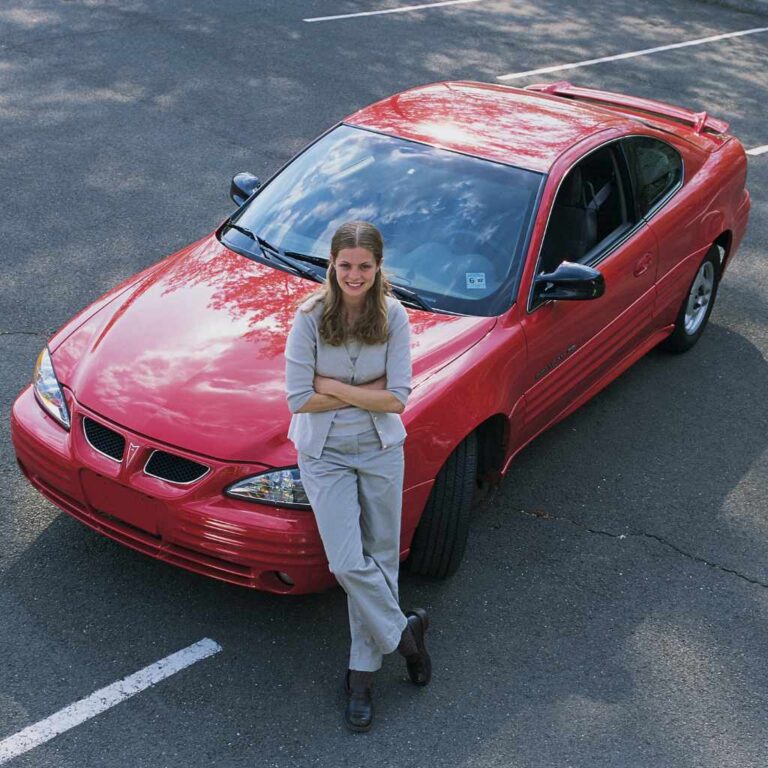
The idea that police specifically target a “red sports car” or a “beat-up truck” is partly rooted in generalization. While certain statistically common vehicles appear more frequently in certain types of traffic stops, this is often due to demographics and visibility, not bias against the make or model itself.
Vehicle Type and Visibility
Certain vehicle types are inherently more noticeable:
Brightly Colored Cars: A lime green, bright yellow, or candy-apple red car stands out more in traffic than a common silver or white sedan. This doesn’t make it a target, but it makes it easier to remember and track after a moving violation is spotted.
Heavily Modified Cars: Cars with extreme cosmetic modifications (oversized spoilers, major suspension drops or lifts, non-standard lighting colors like bright blue or red underglow) are practically beacons for attention, legal or not.
The “Look” of Uninsured or Stolen Vehicles
Police databases are constantly updated. Officers often run license plates looking for specific alerts.
Expired Tags: This is perhaps the most common non-driving-behavior stop. If your registration is late, a quick plate check flags you immediately.
License Plate Frames: Frames that cover registration stickers or obscure the state name can look like attempts to hide information, immediately raising suspicion.
To maintain compliance and avoid unnecessary attention, you should always confirm your local regulations. For example, the National Conference of State Legislatures offers comprehensive charts on state-by-state regulations regarding vehicle equipment, which can be a helpful reference point for drivers moving between states. Check state vehicle equipment laws here.
Driving Behavior: The Biggest Factor in Getting Pulled Over
Regardless of what you drive, erratic or unsafe driving is the number one reason for a police stop. Behavior overrides aesthetics nearly every time.
Speeding and Aggressive Driving Patterns
If you are driving in a way that breaks the law or makes other drivers nervous, you dramatically increase the chances of an officer noticing you.
Excessive Speed: Going 15 or 20 mph over the limit is highly visible, especially in areas with lower speed limits (like residential zones).
Weaving and Lane Drifting: Constantly crossing the dashed white lines or drifting too close to the center line suggests inattention, distraction, or impairment.
Sudden Braking or Acceleration: Erratic changes in speed make your driving pattern stand out in smooth-flowing traffic.
Distracted Driving Indicators
Today’s officers are highly trained to spot distracted driving, as it is a major public safety hazard.
Phone Use: Holding a phone to your ear or constantly looking down at your lap while driving is easily spotted, particularly at stoplights or during slow traffic maneuvers.
Fiddling with Controls: Prolonged attention paid to infotainment screens, changing complex settings while moving, or managing passengers instead of the road acts as a major flag.
Following Too Closely (Tailgating)
Maintaining a safe following distance is a key component of defensive driving. When a driver tailgates, it forces the officer’s attention because this action directly endangers the vehicle in front of them.
Table 1: Quick Guide to High-Risk Driving Behaviors
| Driving Behavior | Reason for Increased Police Attention | Beginner Driver Tip |
|---|---|---|
| Excessive Speed (>15 MPH over) | Clear violation; high risk of major accident. | Use cruise control on the highway to maintain a steady, legal speed. |
| Ignoring Stop Signs/Lights | Shows disregard for traffic control devices. | Count to three after the light turns green before moving forward. |
| Weaving/Lane Drifting | Suggests distraction, fatigue, or impairment. | Keep your eyes scanning 12–15 seconds ahead of your car. |
| Loud Exhaust | Violates local noise ordinances immediately upon hearing. | Have someone stand outside and listen while you drive by slowly. |
The Role of Technology and Data in Police Targeting
Modern policing utilizes technology that expands how officers identify vehicles of interest, moving beyond what the naked eye can see.
Automated License Plate Readers (ALPRs)
Many police cruisers are equipped with ALPR systems, which automatically scan license plates as the patrol car moves or sits stationary. These systems scan thousands of plates per minute and cross-reference them against databases for immediate alerts.
ALPR systems instantly flag plates associated with:
1. Active Warrants: For the registered owner.
2. Stolen Vehicles: If the car itself has been reported missing.
3. Expired Registration: Tags that haven’t been renewed recently.
4. Missing Persons Reports: If the vehicle is connected to someone who is missing.
If an ALPR flags your plate for an outstanding issue, the officer is alerted and may initiate a stop based on that data even if you are driving perfectly. This is a data-driven targeting mechanism, not a judgment on your driving style.
Community Policing and Area Saturation
Sometimes the targeting isn’t about the car’s appearance but the location where it is being operated.
High-Crime Areas: If an area has seen a recent spike in specific activities (like vehicle break-ins or drug activity), patrols will increase, and officers will pay closer attention to vehicles that look “out of place” or are driving suspiciously slowly (casing a location).
Known Offenders: If a specific type of car, like a certain model or color, has been frequently associated with recent, documented crimes in the area, patrol officers might be briefed to give those specific vehicles a slightly higher level of scrutiny.
Federal and Local Enforcement Priorities
Law enforcement resources are often federally or locally directed toward specific enforcement campaigns. For example, during a holiday period, there might be a state-wide focus on impaired driving (DUI checkpoints), or in the summer, a campaign targeting speeders on major thoroughfares. During these periods, officers are actively looking for violations related to that specific campaign, meaning speed violations might be prioritized over a small taillight issue.
Proactive Steps for Every Driver: How to Stay Under the Radar (Legally)
As a responsible driver guided by practical advice, the goal isn’t to hide, but to ensure compliance. By proactively taking care of known issues, you remove the easy justification for a traffic stop.
Step 1: Maintain Perfect Paperwork
This is the lowest-effort, highest-reward strategy for avoiding stops.
1.
Ensure your registration sticker is current and fully visible on your license plate. Renew early!
2.
Keep your insurance card accessible in the glove compartment. While the officer often checks this digitally, having it ready speeds things up.
3.
If you have recently moved or changed your name, update your driver’s license promptly to match your vehicle registration data.
Step 2: Regular Equipment Checks
Make it a habit to walk around your car once a month. Pay attention to the things you can’t see while driving.
Lighting: Turn on your headlights and walk to the back. Do both brake lights illuminate fully? Do all turn signals work?
Tires: Check for excessive wear, bald spots, significant cracking, or tire pressure warnings. Unsafe tires lead to stops focused on roadworthiness.
Wipers and Glass: Ensure wipers work effectively and that major cracks don’t impede the driver’s line of sight.
Step 3: Keep Current with Tint Laws
If you chose to tint your windows, you must confirm the legal VLT percentage for your state.
If you are unsure, take your car to a reputable window tint shop. They often know the specific legal limits and can measure your glass accurately. Do not guess when it comes to tint darkness.
Step 4: Master Standard Driving Etiquette
Focus on predictable, courteous driving behavior. Predictable drivers are generally safe drivers, and safe drivers blend into traffic flow.
Signal Early and Clearly: Use your turn signal well before changing lanes or turning.
Maintain Lane Discipline: Stay centered in your lane unless passing.
Avoid Road Rage: Aggressive responses to other drivers are massive red flags for monitoring officers.
Why Do Cops Stop Cars with Unpopular Modification Styles?
Some drivers feel targeted because they own cars popular within specific enthusiast communities (like lowered cars, “stance” culture, or high-horsepower tuner cars). While officers generally do not stop vehicles just because they belong to a club, these vehicles often come with common modifications that push legal boundaries.
Here is a comparison of common modifications and their associated risks:
Table 2: Modification Risk Assessment
| Modification Type | Typical Legal Risk | Officer Perception Factor (Not always law-based) |
|---|---|---|
| Extremely Low Suspension Drop | May violate headlight-height or fender-coverage laws. | Very noticeable; often associated with street-racing culture. |
| Colored Exterior Lighting (Underglow) | Commonly illegal when visible while driving on public roads. | High-visibility mod; easy for officers to spot and stop. |
| Non-Standard Wheel Size/Offset | Wheels extending beyond fenders may violate debris-projection safety rules. | Easily noticeable from a distance; signals major modification. |
| Aftermarket Air Intake/Exhaust | Often violates noise and emissions regulations. | Loud sound draws immediate attention and encourages investigative stops. |
The key takeaway here is that officers usually stop the vehicle because of the modification itself (e.g., illegal light color or excessive loudness), not because of the car owner’s hobby. The modification provides the probable cause.
The Difference Between Targeting and Routine Enforcement
It’s important for drivers to distinguish between wrongful profiling and routine, data-informed enforcement. Routine enforcement is based on observable facts that violate traffic code, which applies to everyone equally within that jurisdiction.
Factors Leading to Routine Enforcement Stops:
Speed violation observed by radar or pacing.
Broken tail light noticed during a patrol shift change.
License plate returning as expired or uninsured in the police database.
Factors That May Lead to Scrutiny (But Must Be Tied to Proof):
If an officer has legitimate grounds to suspect criminal activity (vehicle used in a recent burglary, or reasonable suspicion of impairment), they will pay closer attention to minor infractions to establish probable cause for a stop. This is not targeting the car type; it is targeting potential criminal behavior associated with the vehicle seen in that area.
To verify you are safe from unnecessary stops, always consult the U.S. Department of Transportation’s guidelines on traffic safety standards, which often influence local enforcement priorities.
Building Confidence: What to Do If You Are Pulled Over
If you are stopped, remember that your behavior during the stop is the most important factor in how the situation resolves. This is where you can control the tone and outcome, regardless of why the stop was initiated.
Before the Officer Approaches:
1. Signal Safely: As soon as you see the lights, signal and pull over to the right shoulder as soon as it is safe to do so. Do not slam on your brakes or wait until the last minute.
2. Turn Off the Radio: Lowering loud music shows respect and allows you to clearly hear instructions.
3. Hands Visible: Place both hands on the steering wheel at the “10 and 2” position. Do not reach for your documents or the glove box until instructed to do so.
When Interacting with the Officer:
Be Respectful: Address the officer as “Sir” or “Ma’am.” A simple, “Good evening, Officer,” sets a positive tone.
Wait for Instruction: When the officer asks for your license and registration, politely say, “They are in the glove compartment, may I reach for them now?” This simple question prevents misunderstandings if they thought you were reaching for something else.
Listen Carefully: If asked a question, answer truthfully but briefly. If you are unsure why you were stopped, you can politely ask, “May I ask the reason for this stop?” Keep the conversation focused on the traffic matter at hand.
Remember, a traffic stop is a temporary interaction. By remaining calm and cooperative, you ensure it ends as quickly and smoothly as possible, whether the stop was for a legal equipment issue or a minor speeding error.
Frequently Asked Questions (FAQ) for Everyday Drivers
Q1: If my car is clean and legal, can the police still stop me?
A: Yes, police can stop any vehicle if they have reasonable suspicion that a law is being broken, such as observing erratic driving or receiving a report about a vehicle matching your description in a specific area. However, if your vehicle is compliant, the stop is less likely to result in a ticket.
Q2: Does the model year of my car affect whether I get pulled over?
A: Generally, no. Newer cars are less likely to have visible, obvious maintenance issues (like failing lights). Older cars are often scrutinized more closely for maintenance issues, but the model year itself is not a direct targeting factor.
Q3: Can I be pulled over just for having a very unique or expensive car?
A: No, owning an expensive or high-performance car is not grounds for a stop unless you are breaking a traffic law or the car has illegal modifications (like excessive tint or loud exhaust). Unwarranted stops based solely on vehicle appearance or status are illegal.
Q4: What is the main reason cops check license plates with ALPRs?
A: The primary reason is to check for alerts related to safety and outstanding legal issues: stolen vehicles, plates associated with active warrants for the owner, or deeply expired registrations.
Q5: If I get a ticket for an equipment violation (like a broken taillight), do I have to pay the fine immediately?
A: Often, no. Many jurisdictions offer a “fix-it ticket” option. If you repair the fault and have a police officer sign off on the repair within a set timeframe (like 30 days), the original fine may be dismissed or significantly reduced.
Q6: Are lifted trucks targeted more often than lowered cars?
A: Both extremes of suspension modification draw attention because they often violate specific legal guidelines regarding headlight height, tire coverage, or window visibility—providing officers with objective reasons for a stop.