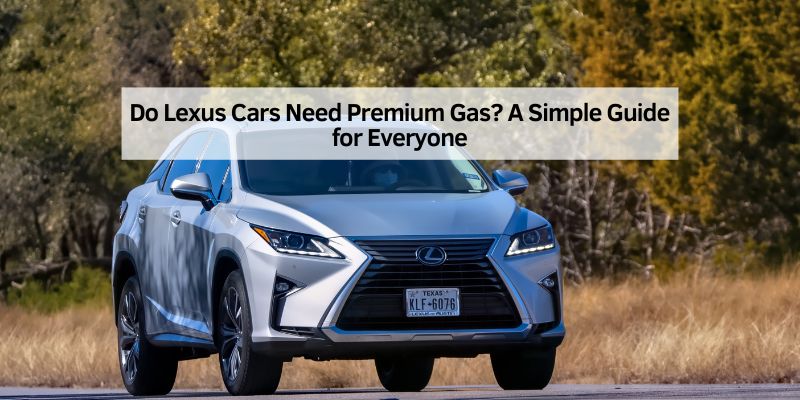
Do Lexus Cars Need Premium Gas? A Simple Guide for Everyone
When I bought my first Lexus, a shiny 2019 ES 350, I stood at the gas pump, scratching my head. The fuel cap said “Premium Recommended,” but the price difference made me wonder: do I really need premium gas? If you’re asking, “Do Lexus cars need premium gas?” you’re not alone. This article will break it down in simple terms, share my experiences, and give you practical tips to keep your Lexus running smoothly. We’ll cover what premium gas is, which Lexus models need it, and what happens if you use regular gas instead. Plus, I’ll throw in some cost-saving tricks and easy-to-read tables to make it a piece of cake!
What Is Premium Gas and Why Does It Matter?
Premium gas is fuel with a higher octane rating, usually 91 or above. Regular gas is typically 87 octane. Octane measures how much a fuel can resist “knocking,” which is when fuel burns too early in the engine, causing a pinging noise. Think of it like giving your car the right kind of food to run smoothly.
Lexus cars, being luxury vehicles, often have high-performance engines. These engines are built to work best with premium gas to avoid knocking and keep performance top-notch. Using the wrong fuel can make your car feel sluggish, like when I tried regular gas in my ES 350 and noticed it wasn’t as peppy on the highway.
Which Lexus Models Need Premium Gas?
Not all Lexus cars need premium gas, which was a surprise to me! Some models run fine on regular 87-octane gas, while others, especially sporty or high-performance ones, need premium 91-octane. Here’s a simple breakdown based on my research and chats with Lexus dealers:
-
Models Requiring Premium Gas (91-Octane or Higher):
- Lexus IS 300, IS 350, IS 500
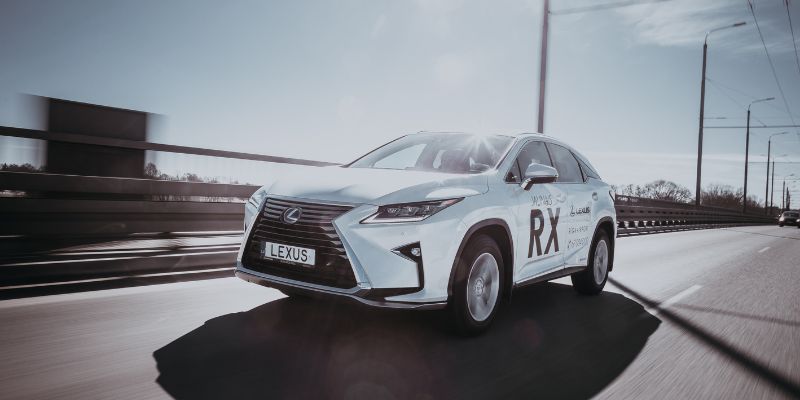
- Lexus RX 350, RX 350h, RX 450h+, RX 500h
- Lexus NX 350, NX 350h, NX 450h+
- Lexus GX 460, LX
- Lexus RC 300, RC 350, RC F
- Lexus LC 500, LC 500h
-
Models That Can Use Regular Gas (87-Octane):
- Lexus ES 250, ES 350, ES 300h
- Lexus UX 200, UX 250h
- Lexus NX 250
Always check your owner’s manual to be sure. For example, my 2019 ES 350 runs fine on regular gas, but my friend’s 2023 RX 350 needs premium for its turbo engine.
Table 1: Lexus Models and Fuel Requirements (2023-2025 Models)
| Model | Fuel Requirement | Notes |
|---|---|---|
| Lexus ES 350 | Regular (87) | Great for budget-conscious drivers |
| Lexus RX 350 | Premium (91) | Turbo engine needs higher octane |
| Lexus UX 250h | Regular (87) | Hybrid efficiency on regular gas |
| Lexus IS 500 | Premium (91) | High-performance engine |
| Lexus GX 460 | Premium (91) | Built for power and off-road capability |
Caption: A quick guide to fuel needs for popular Lexus models. Check your manual for specifics!
Why Use Premium Gas in a Lexus?
Using premium gas in models that need it has big benefits. Here’s what I learned after talking to a Lexus technician:
- Better Performance: Premium gas prevents engine knocking, so your car accelerates smoothly. My ES 350 felt livelier with premium gas during a road trip, even though it’s not required.
- Better Fuel Economy: Higher octane burns cleaner, so your engine works less hard. This can save gas over time.
- Longer Engine Life: Premium gas keeps your engine cleaner, reducing wear and tear. This means fewer repair bills down the road.
But if your Lexus doesn’t need premium, like my ES 350, you won’t see much difference. Using premium in these models is like buying fancy bottled water when tap water is just fine—your wallet takes the hit for no real gain.
What Happens If You Use Regular Gas in a Premium-Required Lexus?
I’ll admit, I tried regular gas in my friend’s RX 350 to save a few bucks. Big mistake! The car felt sluggish, and I heard a faint knocking sound during acceleration. Here’s what can happen if you use regular gas when premium is required:
- Engine Knocking: Lower octane fuel can ignite too early, causing a pinging noise. This stresses engine parts.
- Reduced Performance: Your car may feel slow or jerky, especially on hills or highways.
- Lower Fuel Economy: The engine works harder, burning more gas.
-
Potential Damage: Over time, regular gas can harm high-compression engines, leading to costly repairs. It might even void your warranty
If you accidentally use regular gas once, don’t panic—it won’t ruin your car. Just switch back to premium at the next fill-up. For example, I topped off my friend’s RX 350 with premium gas, and it was back to its zippy self.
Tips to Avoid Fuel Mix-Ups
- Check the fuel cap or owner’s manual before filling up.
- Save a note in your phone with your car’s fuel type.
- Use a gas station with clear octane labels (most are!).
Cost-Saving Tips for Premium Gas Users
Premium gas costs about 20-50 cents more per gallon than regular. For a 15-gallon tank, that’s $3-$7.50 extra per fill-up. Over a year, it adds up! Here are my go-to tricks to save money:
- Join Fuel Rewards Programs: Many gas stations, like Shell or Exxon, offer discounts for loyal customers. I save about 10 cents per gallon with my local station’s app.
- Fill Up Midweek: Gas prices are often lower on Tuesdays or Wednesdays. I plan my fill-ups for these days to save a bit.
- Drive Smart: Avoid fast starts and stops to stretch your gas mileage. My RX-driving friend saved 2 MPG by easing off the accelerator!
Table 2: Cost Comparison of Regular vs. Premium Gas
| Fuel Type | Avg. Cost/Gallon (2025) | Cost for 15-Gal Tank | Yearly Cost (12K miles, 25 MPG) |
|---|---|---|---|
| Regular (87) | $3.00 | $45.00 | $1,440 |
| Premium (91) | $3.40 | $51.00 | $1,632 |
Caption: Premium gas costs more, but rewards programs and smart driving can help!
Common Mistakes to Avoid
When I started driving my Lexus, I made some rookie errors. Here’s what to watch out for:
- Ignoring the Manual: Always check your owner’s manual. I assumed all Lexus cars needed premium gas and wasted money on my ES 350.
- Using Ethanol-Heavy Fuel: Lexus recommends avoiding gas with more than 15% ethanol (like flex-fuel). It can corrode engine parts.
- Topping Off the Tank: Overfilling can mess with your car’s fuel system. Stop when the pump clicks off.
My Personal Fuel Experiment
Curious about premium vs. regular gas, I ran a little test with my ES 350, which can use regular gas. For one month, I used premium gas (91-octane). The car felt slightly smoother, but my gas mileage stayed the same—about 28 MPG. The next month, I switched to regular (87-octane). No knocking, no performance drop, and I saved $20! For models like mine, regular gas is fine, but for turbocharged Lexuses like the RX 350, stick with premium to keep that engine happy.
Visual Ideas for Better Understanding
- Diagram of an Engine: Show how fuel burns in a high-compression engine to explain knocking.
- Fuel Pump Guide: A simple chart showing octane ratings at the pump.
- Lexus Model Chart: A visual list of models with fuel type icons (regular vs. premium).

Conclusion
Whether your Lexus needs premium gas depends on the model. High-performance cars like the RX 350 or IS 500 need premium 91-octane to shine, while models like the ES 350 or UX 250h are happy with regular 87-octane. Check your owner’s manual to be sure, and don’t skimp on premium if it’s required—it’s like giving your car the right fuel to stay healthy. Try tracking your gas mileage with regular vs. premium gas to see what works for your Lexus. Got a fun Lexus fuel story? Share it with me! Let’s keep our cars purring like kittens. For more tips, check out Lexus of Tampa Bay or Northwest Lexus.
Frequently Asked Questions
Do All Lexus Cars Need Premium Gas?
Not all Lexus cars need premium gas. Models like the ES 350 and UX 250h run fine on regular 87-octane gas, while high-performance models like the RX 350 and IS 500 require premium 91-octane. Check your owner’s manual for specifics.
What Happens If I Use Regular Gas in a Premium-Required Lexus?
Using regular gas may cause engine knocking and sluggish performance. It can reduce fuel economy and, over time, damage the engine or void your warranty. One fill-up won’t ruin your car, but switch back to premium quickly.
Can I Use Premium Gas in a Lexus That Doesn’t Need It?
Yes, but it’s not necessary. Premium gas won’t harm your car, but you won’t see big benefits in performance or mileage. Save your money unless your manual recommends premium.
How Can I Tell If My Lexus Needs Premium Gas?
Check your owner’s manual or fuel cap. The manual lists the required octane rating (87 for regular, 91+ for premium). Your Lexus dealer can also confirm.
Does Premium Gas Improve Gas Mileage in a Lexus?
It depends on the model. Premium-required models like the RX 350 get better mileage with 91-octane gas. For regular gas models like the ES 350, premium offers little to no mileage boost.
Is It Safe to Mix Regular and Premium Gas in a Lexus?
Mixing is safe but not ideal. It creates a mid-grade octane level, which may not meet premium-required engines’ needs. Stick to the recommended fuel type for best results.
Where Can I Find More Info on Lexus Fuel Needs?
Visit Lexus’s official site or your manual. You can also ask your local dealer or check trusted sites like Lexus of Clearwater for model-specific advice.