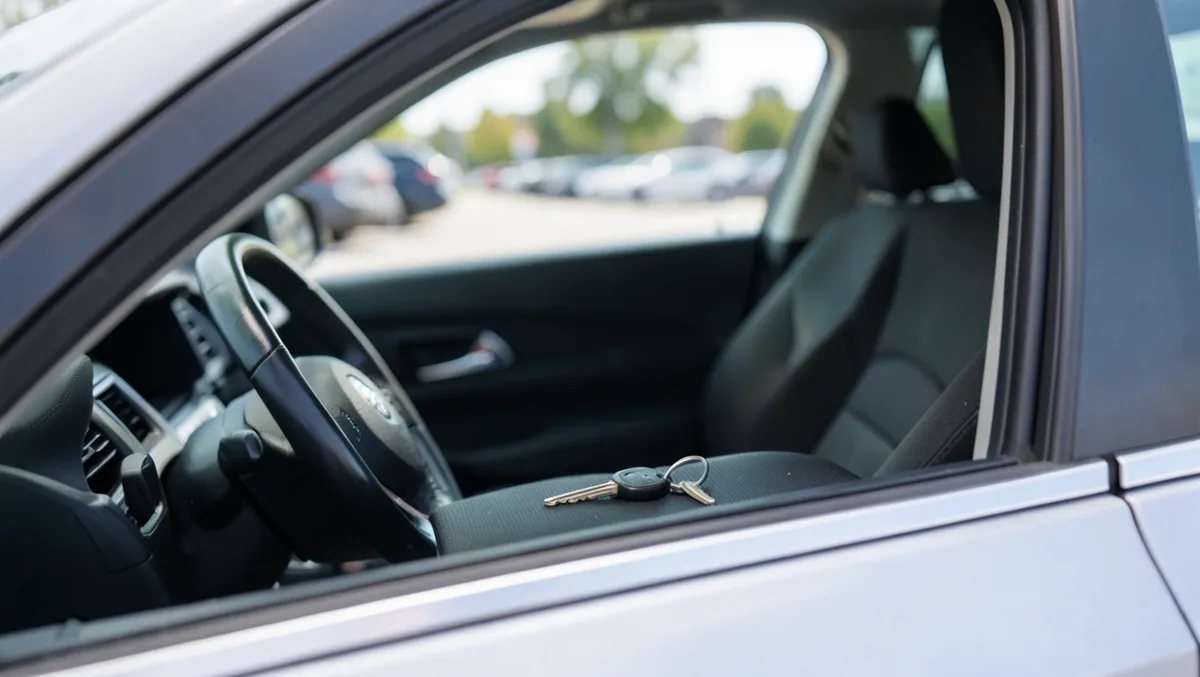
Do Police Unlock Cars? When They Help and What to Do Instead
Most police departments will not unlock a routine lockout. Officers generally step in only when a child, pet, or medical emergency is involved, and even then some agencies require you to sign a liability waiver before they touch the door. For everything else, a locksmith or your roadside assistance plan will get you back in faster and without the wait.
Below is what actually happens when you call police for a lockout, when they step in, what it costs when they do not, and how to avoid the whole situation next time.
Do Police Unlock Cars?
BEST FOR PREVENTING THE NEXT LOCKOUT
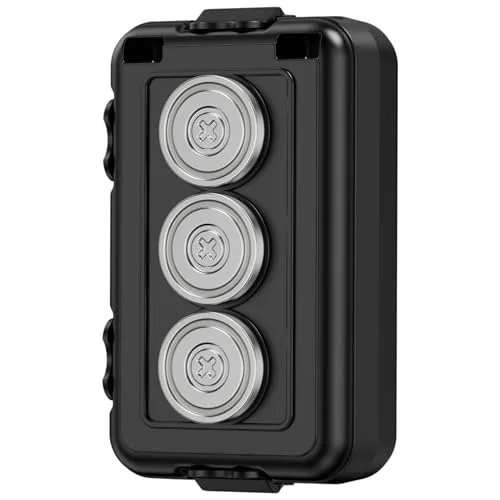 |
Magnetic Hide-a-Key Box – $9.99 Since a spare key is the fastest way out of a lockout that does not involve police or a locksmith bill, a hidden magnetic box gives you a backup you control.
|
It depends entirely on the department, and the trend over the last decade has moved away from routine help. The Los Angeles Police Department, for example, states plainly that officers do not respond to lockouts unless there is a life-safety risk. Philadelphia’s police department stopped offering free unlocks to the public years ago, pushing drivers toward locksmiths instead. On the other end, some small-town departments still assist with non-emergency lockouts, though usually only after you sign a waiver accepting responsibility for any scratched paint, bent weatherstripping, or triggered alarm. The police department in Somersworth, New Hampshire, for instance, publishes exactly that policy on its own site.
So the honest answer is: call your local non-emergency line and ask. There is no single national policy, and what your neighboring town does is not a guarantee of what your own department will do.
When Will Police Actually Help With a Lockout?
Even departments that decline routine calls will still respond quickly in a handful of situations:
- A child or pet is locked inside. This is treated as an emergency everywhere, especially in hot or freezing weather, and officers will use lockout tools or break a window if there is no faster way in.
- A medical emergency is unfolding. If someone inside the car needs urgent help, such as a diabetic episode or a heart problem, police and paramedics will force entry rather than wait for a locksmith.
- Your car is a public safety hazard. A vehicle stalled and locked in the middle of an intersection or blocking emergency access is a different call than a car locked in a parking lot, and police may step in to clear it.
Outside of those cases, most dispatchers will tell you upfront to call a roadside assistance provider or a locksmith rather than send an officer.
Why Fewer Departments Unlock Cars Today
A generation ago it was common for an officer to pop a door with a Slim Jim in a couple of minutes. That has changed for a few concrete reasons:
- Modern locks are electronic, not mechanical. Push-button start systems, anti-theft sensors, and side-impact airbag wiring run close to the door frame, and a forced-entry tool built for a 1990s door can trigger an airbag or damage the wiring harness on a newer car.
- Liability follows the department, not you. If an officer scratches paint, bends a frame, or sets off an alarm while trying to get in, the department can be on the hook for repairs. That is exactly why departments that still help, like Somersworth’s, require a signed waiver first.
- It pulls officers off higher-priority calls. A single lockout can tie up a patrol unit for 20 to 30 minutes, time departments would rather spend on calls involving actual crime or injury.
- Locksmiths are built for exactly this. A licensed locksmith carries tools designed for modern door mechanisms and, unlike a patrol officer, does this dozens of times a week.
What to Do If You Are Locked Out Right Now
Call a Locksmith
This is the fastest paid option in most cities. A licensed automotive locksmith can open a modern car door without damaging the lock or triggering the alarm, usually within 15 to 30 minutes of the call. Ask for a total price, including any call-out fee, before they start work.
Use Roadside Assistance
If you carry AAA, an insurance-bundled roadside plan, or a manufacturer program like FordPass or Toyota Roadside Assistance, a lockout is almost always a covered service with no out-of-pocket cost beyond your membership fee.
Check for a Spare Key
If someone can bring you a spare, this is the free, instant option. A hidden magnetic key box attached somewhere out of sight under the frame (not the wheel well, which everyone checks first) solves this permanently, as long as you pick a spot a stranger would not think to check.
Try Your Car’s App or Manufacturer
Many newer vehicles, including most Teslas, current GM models with OnStar, and several Hyundai and Kia trims, support a remote unlock through the automaker’s app or a call to customer service. If your car has this feature, it is free and usually faster than waiting for a locksmith.
Skip the Coat-Hanger Tricks on Newer Cars
Older cars with a simple mechanical rod-style lock can sometimes be opened with a slim tool worked between the window and weatherstripping, but most vehicles built in the last 15 to 20 years have side airbags, alarm sensors, and cable-routing near the door frame that a coat hanger or wire can damage. If your car is newer than roughly 2010, a locksmith or roadside plan is the safer call. For a closer look at which DIY methods are still worth trying, see our guide on how to get locked keys out of a car fast.
Here is how the main options compare:
| Option | Typical Cost | Speed | Best For |
|---|---|---|---|
| Locksmith | $50 to $150 (more at night or in a big city) | 15 to 30 minutes | Anyone without roadside coverage |
| Roadside Assistance | Free with membership, $50 to $100 without | 20 to 45 minutes | Drivers who already pay for AAA or a similar plan |
| Spare Key | Free | As fast as someone can bring it | Lockouts near home or a family member |
| Manufacturer App | Free | A few minutes | Newer cars with connected-car features |
| Police | Free, if they respond | Varies, rarely for routine lockouts | Emergencies only: child, pet, or medical |
How to Prevent the Next Lockout
- Pat your pocket or bag before the door closes. A two-second habit that prevents most lockouts entirely.
- Keep one spare with a family member or in a hidden magnetic box. Free backup beats a $100 locksmith call every time.
- Use a keypad or app-based entry if your car has one. Many newer models let you punch in a code on the door or unlock through a phone app, which makes a locked-out key irrelevant.
- Sign up for roadside assistance. A $50 to $80 annual membership through AAA or your insurer usually covers unlimited lockouts.
If a Child or Pet Is Locked Inside: Act Immediately
A car’s interior can climb well past 120 degrees Fahrenheit within an hour on a warm day, and most of that rise happens in the first 10 to 20 minutes, even with the windows cracked. If a child, pet, or vulnerable adult is locked inside and cannot get out on their own, call 911 immediately, give your exact location, and stay on the line. Police, fire, and EMS treat this as a true emergency and will force entry, including breaking a window, without waiting for a locksmith.
For a non-emergency lockout, use the non-emergency line instead of 911 so dispatchers can keep emergency channels clear for calls like this one.
Choosing a Trustworthy Locksmith
- Check reviews first. Look for a locksmith with a consistent 4-star-plus rating on Google or Yelp rather than the first search result.
- Get the full price before they start. Ask specifically whether a call-out fee, mileage charge, or after-hours surcharge is included in the quote.
- Confirm they are licensed where your state requires it. A legitimate locksmith will give you a license number without hesitation.
- Be skeptical of rock-bottom quotes. A $15 to $20 quote over the phone is a well-documented bait-and-switch tactic in the locksmith industry; the price often triples once the technician is on-site.
Frequently Asked Questions
Will police break a window to unlock my car?
Only in a genuine emergency, such as a child or pet trapped inside, or when someone’s safety depends on getting in immediately. For a routine lockout, officers will not damage the vehicle and will instead direct you to a locksmith or roadside assistance.
Is it free if police do help unlock my car?
Usually yes, but some departments that still offer the service require you to sign a liability waiver first, accepting responsibility for any damage that happens during entry. A small number of jurisdictions also charge a service fee.
How much does a locksmith cost to unlock a car?
Expect $50 to $150 in most areas during the day, and up to $200 or more for a late-night call in a major city. Always confirm the total price, including any call-out fee, before the locksmith starts.
Can I still use a coat hanger to unlock an older car myself?
It can work on some older vehicles with a simple mechanical rod-style lock, but it carries a real risk of damaging the lock mechanism or scratching the door. On any car with side airbags or an anti-theft alarm, which covers most vehicles made after roughly 2010, it is not worth the risk.
Does roadside assistance cover a lockout?
Most plans through AAA, an insurance bundle, or a manufacturer program do cover lockouts, typically with no per-incident charge beyond your regular membership fee. Check your specific plan, since coverage limits and the number of free calls per year vary.
What number should I call for a non-emergency lockout?
Use your local police department’s non-emergency line, not 911, unless a child, pet, or medical emergency is involved. Most departments will tell you immediately over the phone whether they can send someone or whether you should call a locksmith.
The Bottom Line
Do police unlock cars? Not for a routine lockout in most places anymore. They step in fast when a child, pet, or medical emergency is on the line, and beyond that, a locksmith or your roadside assistance plan will get you back in your car quicker than waiting on a patrol unit. Keep a spare key hidden somewhere only you would think to look, and the whole problem mostly goes away.
Products related to this article
Sponsored / affiliate links. As an Amazon Associate I earn from qualifying purchases. I may earn additional commission from eligible campaigns.