Does Bad Gas Make Car Shake: Essential Check
Does bad gas make a car shake? Yes, contaminated or low-quality fuel can definitely cause your car to shake, run rough, or even stall. This essential check will guide you through identifying and addressing this common issue.
You know that feeling? Your car starts to sputter, or maybe it feels like it’s skipping beats. It’s an unsettling sensation that can make you worry about your car’s health and your wallet. One common culprit behind these shaky feelings is actually what goes into your gas tank: bad gas. But what exactly is “bad gas,” and can it really make your car shake? You bet it can. Contaminated or low-octane fuel can mess with how your engine works, leading to all sorts of performance problems. Don’t let this issue leave you guessing or spending unnecessarily. We’re going to break down exactly what you need to know, in simple terms, so you can get your car back to running smoothly.
Understanding What “Bad Gas” Really Means
When we talk about “bad gas,” it’s not just a feeling. It refers to fuel that isn’t up to par. This can happen in a few ways, and each can lead to your car shaking or performing poorly.
Types of Fuel Contamination
Water in Fuel: This is probably the most common and problematic contaminant. Water doesn’t burn like gasoline. When it enters your engine, it can cause misfires, sputtering, and a rough idle, which often feels like shaking. This can happen from condensation in storage tanks or even if water gets into the gas station’s underground tanks.
Dirt and Debris: Small particles of dirt, rust, or sediment can clog your fuel filter, fuel injectors, or carburetor, restricting fuel flow. This inconsistent fuel delivery can make your engine hesitate and shake.
Old or Degraded Fuel: Gasoline doesn’t last forever. Over time, it can break down, losing its combustibility and potentially forming gummy deposits. This degraded fuel won’t ignite properly, leading to poor engine performance and shaking.
Low Octane Fuel: While not technically “bad” in terms of contamination, using fuel with an octane rating lower than what your car requires can cause “knocking” or “pinging.” This is the engine struggling to properly combust the fuel, and it can feel like a persistent shake or rattle, especially under acceleration. The U.S. Department of Energy offers insights into fuel quality for optimal vehicle performance.
Why Does Bad Gas Make Your Car Shake?
Your car’s engine relies on a precise mix of air and fuel to create power. When that fuel is contaminated or doesn’t burn correctly:
Inconsistent Combustion: Water or debris disrupts the smooth burning process. Some cylinders might get too much fuel, some too little, or some might not get fuel at all. This uneven work leads to the engine shaking.
Clogged Components: A dirty fuel system means fuel can’t flow freely. This starvation causes the engine to momentarily lose power, resulting in hesitation and a shaking sensation.
Engine Knocking: With low octane fuel, the fuel ignites prematurely under compression, creating that sharp pinging sound and a noticeable shake or vibration.
Symptoms of Bad Gas Affecting Your Car
If you suspect bad gas is the culprit behind your car’s shaking, look out for these common symptoms. They often appear together or in sequence.
Common Signs of Fuel-Related Issues
Rough Idling: The most common sign. When your car is stopped but the engine is running, it feels like it’s vibrating more than usual.
Hesitation or Stumbling: When you press the accelerator, the car doesn’t respond smoothly. It might pause, sputter, or hesitate before picking up speed.
Engine Misfires: You might feel a jolt or a strong shake as the engine struggles to complete its combustion cycle in one or more cylinders.
Check Engine Light: Modern cars have sensors that can detect irregularities in engine performance. Bad fuel can trigger the infamous Check Engine Light.
Difficulty Starting: The engine might crank more than usual before starting, or it might start but then immediately die.
Reduced Power: Your car simply doesn’t feel as responsive or powerful as it used to.
Fuel Smell: In some cases, you might notice an unusual smell of gasoline, sometimes even inside the car.
Is It Really the Gas? Other Potential Causes of Car Shaking
While bad gas is a strong possibility, it’s important to remember that shaking can be caused by many things. Ruling out other issues is key to accurate diagnosis.
When to Consider Other Problems
Tire and Wheel Issues: Uneven tire wear, unbalanced tires, or bent wheels are frequent causes of shaking, especially at certain speeds. This shake is often felt most strongly in the steering wheel or through the floor. A great resource for understanding tire health is NHTSA’s tire safety page.
Brake Problems: If the shaking only happens when you brake, it’s likely an issue with your brake rotors or pads.
Engine Mounts: These rubber or hydraulic components hold your engine in place. If they wear out, the engine can vibrate more excessively, and you might feel it throughout the car, especially when accelerating or decelerating.
Spark Plugs and Ignition System: Worn-out spark plugs or faulty ignition coils can cause misfires, leading to shaking.
Transmission Issues: Problems with the transmission can manifest as harsh shifting or shaking, particularly when changing gears.
Fuel Pump Problems: A failing fuel pump might not deliver enough fuel to the engine, causing it to stumble and shake.
Step-by-Step: How to Check If Bad Gas is Making Your Car Shake
Let’s walk through a simple process to help you determine if contaminated fuel is the root cause of your car’s shaking.
Step 1: Assess the Shaking
Pay close attention to when the shaking occurs.
At idle?
During acceleration?
When braking?
At specific speeds (e.g., 40-60 mph)?
Does it feel like it’s coming from the front, rear, or all over?
This information is crucial for any diagnosis. If the shaking is solely during braking, it’s almost certainly a brake issue, not fuel. If it happens at specific speeds, tires or wheels are more likely suspects. If it’s a general rough running or sputtering, fuel quality becomes a higher probability.
Step 2: Review Your Recent Refueling Habits
Think back to your last few gas station visits.
Did you recently fill up at a new or unfamiliar station?
Was the station busy, potentially churning through fuel, or did it seem quiet, possibly leading to older fuel in the tanks?
Did any of the pumps look unusual or leaky?
Were you in an area known for fuel quality issues?
Sometimes, a trip to a different, reputable gas station can be the first clue.
Step 3: Check Your Fuel Cap
This might sound too simple, but a loose or damaged fuel cap can cause problems.
Is your fuel cap tightened properly? It should click several times when you tighten it.
Is the rubber seal on the cap intact and free from cracks?
Is the cap itself damaged?
A faulty fuel cap can sometimes trigger a Check Engine Light and affect engine performance due to improper pressure regulation in the fuel system.
Step 4: Consider a Fuel System Cleaner (For Minor Issues)
If you suspect minor contamination or the fuel is just a bit old, a fuel system cleaner can sometimes help.
Purchase a reputable fuel system cleaner from an auto parts store. Brands like Gumout, STP, or Lucas Oil are common. Make sure it’s suitable for your vehicle type.
Follow the instructions on the bottle carefully. Most are simply poured directly into your gas tank before you fill up.
The cleaner works by helping to dissolve and remove deposits from fuel injectors, intake valves, and other parts of the fuel system.
Drive your car normally to allow the cleaner to circulate throughout the system.
This is a good DIY step for those who:
Are experiencing mild symptoms.
Haven’t recently had severe running problems.
Want to try an inexpensive fix before visiting a mechanic.
Important Note: Fuel system cleaners are designed for mild issues. They are unlikely to fix severe contamination, water in the fuel, or major mechanical problems.
Step 5: The “Fill Up with Fresh Fuel” Test
This is a direct way to test your theory.
1. Find a reputable and busy gas station. Busy stations are more likely to have newer fuel in their tanks, reducing the chance of water or debris settling.
2. Add a higher-octane fuel than you normally use (if your car isn’t specifically low-octane sensitive). While octane itself isn’t about cleanliness, sometimes premium fuels have better additives.
3. Fill your tank completely. This ensures the cleaner (if used) mixes well, and it dilutes any potentially bad fuel.
4. Drive your car for at least 20-30 miles to allow the new fuel to mix thoroughly with what’s left in the tank and enter the engine.
5. Observe the car’s performance. Does the shaking lessen or disappear?
If the shaking stops or significantly improves after this, it’s a strong indicator that the fuel quality was the issue.
Step 6: When to Seek Professional Help
If the shaking persists after trying fresh fuel and a cleaner, or if the symptoms are severe, it’s time to call in the pros.
Persistent Shaking: If the car continues to shake or run poorly.
Check Engine Light is On: A diagnostic scan can reveal specific fault codes related to the engine or fuel system.
Severe Performance Issues: If the car is very difficult to drive, stalls frequently, or makes unusual noises.
You’re Unsure: If you’re not comfortable with any of the DIY steps, a mechanic can diagnose the problem efficiently.
A mechanic can perform more advanced tests, such as:
Fuel Pressure Test: Checks if the fuel pump is delivering the correct amount of fuel.
Fuel Injector Cleaning/Testing: Ensures injectors are spraying fuel properly.
Draining and Inspecting Fuel Tank: To check for water or debris.
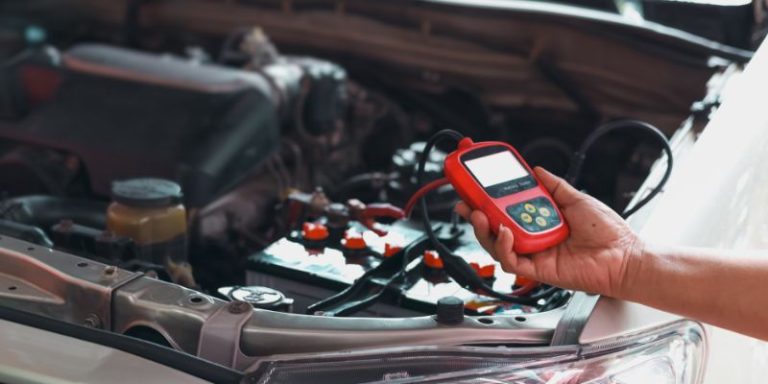
Using a Diagnostic Scan Tool: To read error codes and monitor engine performance data in real-time.
Preventing Bad Gas Problems
You can significantly reduce your risk of encountering bad gas and the resulting car shakes with a few smart habits.
Tips for Maintaining Fuel Quality
Choose Reputable Gas Stations: Stick to well-known brands and busy stations. Gas stations that have high volume are less likely to have stale fuel or accumulated debris in their underground tanks.
Avoid Topping Off: Once the nozzle clicks off, stop pumping. Overfilling can sometimes push vapors into your charcoal canister or even damage the fuel system.
Use Recommended Octane: Always use the octane rating recommended in your car’s owner’s manual. Using a lower octane than recommended can cause knocking.
Address Small Issues Promptly: Don’t ignore minor hesitations or rough running for too long. They can sometimes be early signs of larger fuel system problems.
Consider Fuel Stabilizer in Storage: If you plan to store your car for an extended period (over a month), use a fuel stabilizer to prevent gasoline degradation, as recommended by resources like EPA’s SmartWay program for fuel efficiency best practices.
The Cost of Bad Gas vs. Regular Maintenance
Dealing with bad gas and its effects can range from a simple fix to a costly repair. Understanding this helps prioritize maintenance.
Comparing Costs
| Issue | Potential DIY Cost | Professional Repair Cost | Notes |
|---|---|---|---|
| Bad Gas (Small) | $10 – $20 (fuel system cleaner) | $50 – $150 (fuel drain) | Often fixed with cleaner or refilling with fresh fuel. Higher cost if tank needs draining. |
| Bad Gas (Severe Water Contamination) | N/A | $150 – $500+ | May need full tank drain, filter, and injector cleaning. |
| Unbalanced Tires | $50 – $100 | $50 – $100 | Common fix at tire shops; ensures smoother ride and longer tire life. |
| Worn Spark Plugs | $40 – $100 (DIY) | $100 – $300+ | Impacts fuel economy and performance; easy DIY if accessible. |
| Clogged Fuel Filter | $20 – $50 | $50 – $150 | Replacing regularly prevents engine hesitation or stalling. |
As you can see, addressing fuel issues early is often much cheaper than dealing with the fallout. Regular maintenance ensures your fuel system is clean and efficient.
Frequently Asked Questions (FAQ)
| Question | Answer |
|---|---|
| Can my car shake because of bad gasoline? | Yes, absolutely. Contaminated or low-quality gasoline can make your car shake, sputter, and run roughly because it disrupts the proper combustion process in the engine. |
| What are the signs that my car has bad gas? | Common signs include rough idling, hesitation during acceleration, engine misfires, a Check Engine Light, difficulty starting, and a general loss of power. |
| What is the quickest way to check if it’s my gas? | The quickest test is to fill up your tank with fresh gasoline from a reputable, busy gas station. If the shaking stops or improves significantly after doing so, your gas was likely the issue. |
| How much gas should I buy to test if it’s the cause? | Filling your tank completely is best. This dilutes any potentially bad fuel in your system and ensures the new fuel has a chance to thoroughly mix as it’s used by the engine. |
| Can water in my gas tank cause my car to shake? | Yes, water in the fuel tank is a major cause of shaking and poor engine performance. Water doesn’t burn and can disrupt combustion, leading to misfires and a rough-running engine. |
| I have a shaking problem, but I haven’t refueled recently. What else could it be? | If you haven’t refueled recently, the shaking might be due to other issues like unbalanced tires, brake problems, worn spark plugs, faulty ignition coils, or engine mount issues. It’s best to have a mechanic inspect it. |
| Should I use a fuel injector cleaner if I think I have bad gas? | A fuel injector cleaner can be helpful for mild cases of deposit buildup. However, it’s not a cure for significant contamination like water in the fuel. Try fresh fuel first, and if problems persist, then consider a cleaner or professional help. |
Conclusion
That feeling of your car shaking can be alarming, but often, the cause is simpler than you might think. While many things can make a car vibrate, tainted fuel is a common and frustrating culprit that directly impacts your engine’s performance. By understanding what “bad gas” means, recognizing the symptoms, and following simple diagnostic steps like testing fresh fuel, you can often pinpoint the problem yourself. Remember to always use reputable gas stations and consider a fuel system cleaner for minor preventative care. If the shaking persists, don’t hesitate to turn to a trusted mechanic for a thorough inspection. Keeping your fuel system clean and your gas fresh is a vital part of maintaining a smooth, reliable ride and saving yourself potential headaches and repair costs down the road. Drive safely!