Does Car Insurance Cover Hitting A Pedestrian? Know This
It’s a scary thought, isn’t it? You’re driving along, and suddenly, something unthinkable happens. You might be worried about what happens next, especially if a person is involved.
Many people wonder if their car insurance will step in to help. It’s a common and valid concern. This article will walk you through what car insurance typically covers when it comes to hitting a pedestrian — see our related guide, How Much Car Insurance Do I Need? A Practical Guide.
We’ll look at the details so you can understand things better.
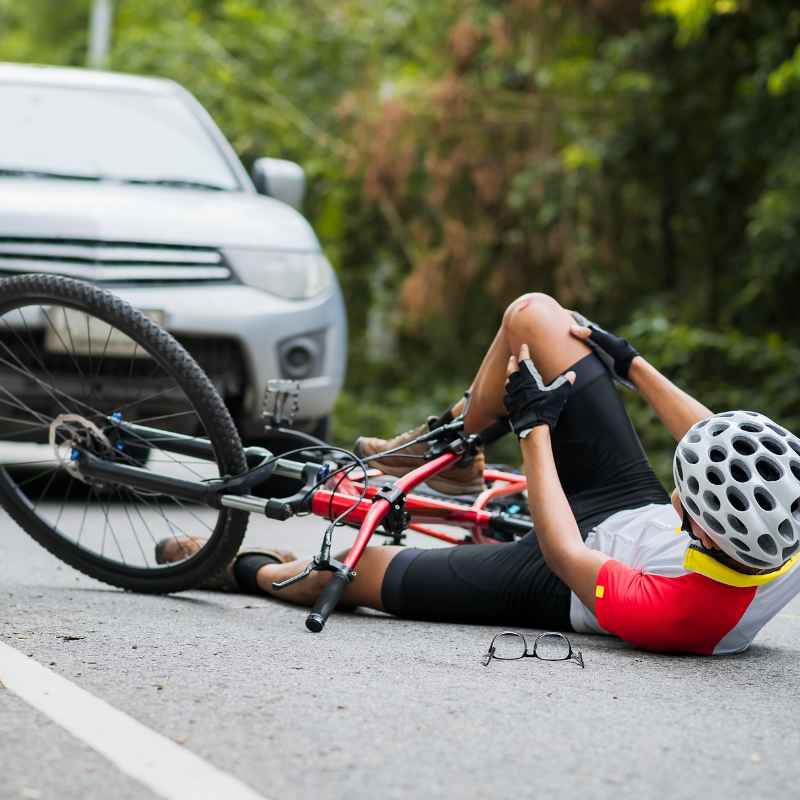
Car insurance in the U.S. generally covers damage and injuries to others, including pedestrians, when you are at fault in an accident. This coverage comes from your liability portion of your policy, specifically bodily injury liability. It helps pay for medical bills, lost wages, and pain and suffering. Your own car insurance can also help you if you have Personal Injury Protection (PIP) or Medical Payments coverage.
Understanding Your Auto Insurance Coverage for Pedestrian Accidents
When you think about your car insurance, you probably think about damage to your own car. But it does so much more. It’s designed to protect others, too. This is especially true if you cause an accident. Hitting a pedestrian is one of the most serious types of car accidents. It involves people, and people can get hurt.
Your car insurance policy has different parts. The part that usually helps when you hurt someone else is called liability coverage. This is split into two main types: bodily injury liability and property damage liability. For hitting a pedestrian, the bodily injury liability is the most important.
Bodily injury liability coverage helps pay for the other person’s medical expenses. This can include ambulance rides, hospital stays, doctor visits, and physical therapy. It can also cover lost wages if the injured person cannot work. In some cases, it can help pay for pain and suffering. This is for the emotional distress and physical discomfort the pedestrian goes through.
How Liability Coverage Works
Let’s say you are found to be at fault for hitting a pedestrian. Your bodily injury liability coverage would kick in. For example, if the pedestrian has $50,000 in medical bills, and you have $100,000 in bodily injury liability coverage per person, your insurance company would pay up to $50,000. If the bills were $120,000, you would be responsible for the remaining $20,000, plus any other damages.
This is why having enough liability coverage is so important. Accidents involving pedestrians can lead to very high medical costs. It’s easy for bills to add up quickly. Your insurance is there to help cover these costs so you don’t have to pay them all out of your own pocket.
My Own Scary Moment: A Near Miss
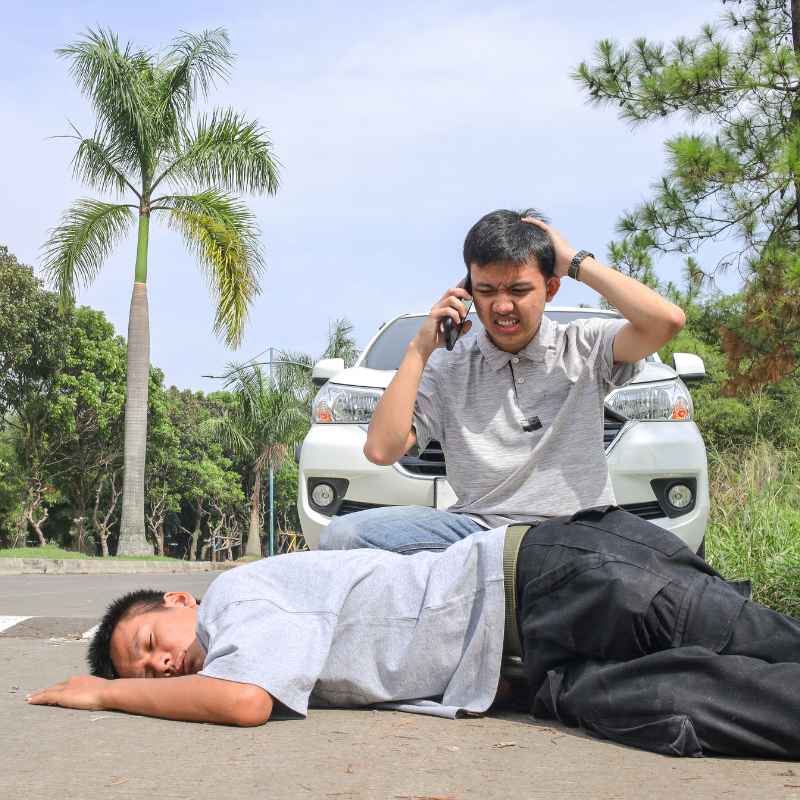
I remember one evening, it was getting dark. I was driving home from a friend’s house. The streetlights hadn’t all come on yet. I was on a familiar road, but I wasn’t paying as close attention as I should have been. I was thinking about what I needed to do the next day.
Suddenly, a person stepped out from between two parked cars. They weren’t looking. They were talking on their phone. My heart jumped into my throat. I slammed on my brakes. My tires screeched. Thankfully, I stopped just in time. The person looked up, startled, and quickly moved back to the sidewalk.
My hands were shaking. I felt sick to my stomach. Even though no one was hurt, the thought of what could have happened was terrifying. It was a stark reminder of how quickly things can change. It made me realize how much responsibility comes with being behind the wheel. It also made me feel very grateful for my car insurance and for paying attention to my surroundings.
The Role of Personal Injury Protection (PIP) and Medical Payments (MedPay)
What if the pedestrian doesn’t have insurance, or what if your liability limits aren’t enough? That’s where other parts of your policy can help.
If you have Personal Injury Protection (PIP), it can cover medical expenses for you and your passengers. It can also cover pedestrians if they are in your car or if they are struck by your car, depending on your state’s laws. PIP is available in “no-fault” states. This means it pays for your injuries regardless of who caused the accident. It can also cover lost wages and other related expenses.
Medical Payments (MedPay) coverage is another option. It’s similar to PIP but usually more limited. MedPay helps pay for medical expenses for you and your passengers. It can also cover pedestrians who are injured by your car. MedPay pays out regardless of fault. It covers medical bills up to your chosen limit. MedPay is typically less comprehensive than PIP. It usually doesn’t cover lost wages.
These coverages are great because they can help immediately. They don’t have to wait for fault to be determined. This means medical care can start sooner for the injured person. It can make a big difference in their recovery.
Factors That Affect Coverage and Claims
Several things can influence how your car insurance handles a pedestrian accident claim. It’s not always a simple yes or no answer.
Fault Determination
The first major factor is determining who is at fault for the accident. This is crucial. If you are found to be 100% at fault, your liability coverage will likely pay for the pedestrian’s damages and injuries.
However, fault can sometimes be shared. If the pedestrian was also doing something unsafe, like jaywalking in a dangerous spot or crossing against a red light, fault might be divided. This is called comparative negligence. For example, if a court decides the pedestrian was 20% at fault and you were 80% at fault, your insurance would pay 80% of the pedestrian’s damages. In some states, if the pedestrian is found to be more than 50% at fault, you might not have to pay anything.
State Laws
Laws about car insurance and accidents vary significantly from state to state. Some states are “no-fault” states, meaning your own insurance (PIP) pays for your injuries first, regardless of who caused the accident. Other states are “at-fault” states, where the person who caused the accident is responsible for paying for the damages.
Understanding your state’s specific laws is very important. It affects how claims are handled and what types of coverage are mandatory.
Policy Limits
As mentioned before, your policy limits play a big role. If the costs of the accident exceed your liability limits, you could be personally responsible for the rest. This is why reviewing and potentially increasing your liability coverage is a smart move for many drivers. Think about it like this: you’re buying peace of mind.
Type of Coverage
The specific types of coverage you have on your policy matter. If you only have the minimum required liability insurance, you might not have enough protection for a severe pedestrian accident. Having optional coverages like MedPay or PIP can provide additional layers of protection.
My Experience with a Claim: It Wasn’t Easy
Years ago, a friend of mine was involved in a situation. He was driving on a city street. A cyclist suddenly swerved in front of him. My friend had to react quickly. He managed to avoid hitting the cyclist directly, but the cyclist fell. The cyclist did suffer some injuries.
The cyclist’s insurance company contacted my friend’s car insurance. It took time. There were investigations. They looked at witness statements. They reviewed the police report. My friend was worried sick during this whole process. He kept asking, “What if they blame me?”
His insurance company handled the investigation. They determined that the cyclist’s actions contributed to the fall. My friend was not found to be at fault. However, the process was stressful for him. He learned how important it is to have a good insurance company that knows how to handle these complex situations. He also learned that even if you avoid a direct collision, injuries can still happen, and insurance is there to help navigate that.
What to Do If You Hit a Pedestrian
If the unthinkable happens and you are involved in an accident where you hit a pedestrian, it’s a very serious situation. Your immediate actions are critical.
1. Stop Immediately and Stay at the Scene
This is the absolute most important step. Do not drive away. Leaving the scene of an accident, especially one involving injury, is a serious crime. Stay calm as much as possible.
2. Check for Injuries and Call for Help
Assess the situation. Is the person injured? If so, call 911 immediately. Report the accident. Provide your location. State that a pedestrian has been hit and may be injured. Do not move the injured person unless they are in immediate danger, like in a burning car or heavy traffic.
3. Exchange Information
If the pedestrian is conscious and able to communicate, exchange information with them. This includes names, addresses, phone numbers, and insurance details. However, prioritize their medical needs. If they are unable to communicate, focus on calling for emergency services.
4. Do Not Admit Fault
It might be tempting to apologize or say things like “I’m so sorry, it was my fault.” While you should be empathetic and concerned, avoid admitting fault at the scene. Let the police and your insurance company determine fault based on the evidence.
5. Call the Police
Even if injuries seem minor, it’s a good idea to call the police. They will create an official accident report. This report is vital for insurance claims and legal proceedings.
6. Notify Your Insurance Company
As soon as possible, contact your car insurance company. Report the accident. Provide them with all the details you have. They will guide you through the claims process. Be honest and thorough when speaking with them.
7. Cooperate with Investigations
Your insurance company and possibly the police will investigate the accident. Cooperate fully with them. Provide any requested documents or information.
Infographic-Style Section: Quick Steps After a Pedestrian Accident
Immediate Actions
- Stop: Do not leave the scene.
- Call 911: Report injuries and the accident.
- Assess: Check for injuries.
- Stay Put: Do not move the injured person unless necessary.
Information & Reporting
- Exchange Info: Get names, numbers, insurance details.
- Police Report: Call officers to the scene.
- Notify Insurer: Report the accident to your company.
- Be Honest: Provide accurate details.
Real-World Scenarios and Considerations
Pedestrian accidents can happen in many different places and for various reasons. Understanding these scenarios can help you be more aware as a driver.
Urban vs. Rural Settings
In busy urban areas, the risk of hitting a pedestrian can be higher due to more foot traffic, complex intersections, and varied driver and pedestrian behaviors. Rural areas might have fewer pedestrians, but they can still be present, especially along roadsides or in small towns. Visibility can be a bigger issue in rural areas due to less lighting.
Weather Conditions
Rain, fog, snow, and darkness all reduce visibility. This makes it harder for drivers to see pedestrians and for pedestrians to see vehicles. Driving slower and being extra cautious in bad weather is essential. Wet roads can also increase your stopping distance, making it harder to avoid a collision.
Distracted Driving
This is a huge problem today. When drivers are looking at their phones, eating, or distracted by passengers, their reaction time is significantly reduced. Pedestrians can appear very suddenly. A few seconds of distraction can have devastating consequences.
Pedestrian Behavior
While drivers have a responsibility, pedestrians also need to be aware of their surroundings. Jaywalking, crossing against traffic signals, wearing dark clothing at night, or being under the influence of alcohol or drugs can increase a pedestrian’s risk of being hit.
What This Means for You: When to Be Extra Vigilant
Knowing the risks and scenarios helps you understand when you need to be most alert.
When It’s Normal
It’s normal for car insurance to cover pedestrian accidents when the driver is at fault. This is the primary purpose of liability coverage. It’s also normal for insurance to pay out claims up to the policy limits.
When to Worry (and Act)
You should worry if you don’t have enough liability coverage. Accidents can be very expensive. You should also worry if you are frequently distracted while driving. This increases your risk. If you are involved in an accident, don’t delay in contacting your insurance company. Delays can complicate the claims process.
Simple Checks You Can Do
Regularly check your car insurance policy. Do you know your liability limits? Are they sufficient for your situation? Consider where you live and your driving habits. Do you drive in busy areas often? Are you often on the road at night or in bad weather? If the answer to these questions suggests higher risk, it might be time to increase your coverage.
Infographic-Style Section: Key Coverage Types
Your Policy’s Safety Net
Bodily Injury Liability
Covers: Others’ medical bills, lost wages, pain & suffering.
If: You are at fault.
Personal Injury Protection (PIP)
Covers: Your/passengers’ medical bills, lost wages (no-fault states).
Can cover: Pedestrians, depending on policy/state.
Medical Payments (MedPay)
Covers: Your/passengers’ medical bills.
Can cover: Pedestrians injured by your car.
Quick Tips for Safer Driving
While insurance covers the aftermath, preventing accidents is always the best approach.
Focus on the Road
Put your phone away. Set your GPS before you start driving. Finish your coffee or breakfast before you leave. Give driving your full attention.
Watch for Pedestrians
Be especially aware in areas where pedestrians are common: school zones, busy downtown streets, parks, and residential neighborhoods. Slow down in these areas. Make eye contact with pedestrians if possible.
Anticipate Actions
Drivers should try to anticipate what others might do. Pedestrians might step out suddenly. Children can be unpredictable. Assume others might not see you.
Maintain Your Vehicle
Ensure your brakes are in good working order. Your headlights and taillights should be clean and functional. Good tires improve your car’s handling. Regular maintenance helps prevent mechanical failures that could lead to accidents.
Frequently Asked Questions About Car Insurance and Pedestrians
Will my insurance cover a pedestrian if I wasn’t technically at fault?
This depends on your policy. If you have Personal Injury Protection (PIP) or Medical Payments (MedPay) coverage, it can help pay for the pedestrian’s injuries regardless of fault, up to your policy limits. Your liability coverage is primarily for when you are determined to be at fault.
What if the pedestrian was jaywalking? Does that change coverage?
Jaywalking can affect fault determination. If the pedestrian’s actions contributed to the accident, fault might be shared. This could reduce the amount your insurance pays.
However, your liability coverage would still apply based on the percentage of fault assigned to you. Some states have strict laws about this.
How much liability coverage should I have for pedestrian accidents?
Most experts recommend having at least 100/300/100 in liability limits, meaning $100,000 for bodily injury per person, $300,000 for bodily injury per accident, and $100,000 for property damage. Many people opt for even higher limits to protect their assets.
What happens if the pedestrian’s injuries are very severe and exceed my insurance limits?
If the medical bills and other damages are more than your insurance policy’s limits, you could be held personally responsible for the remaining amount. This is why having adequate liability coverage is so crucial. You might need to use your savings or assets to pay the difference.
Does my insurance cover hit-and-run if I hit a pedestrian and leave?
No. Leaving the scene of an accident, especially one involving injury, is a serious crime and is not covered by insurance. Your insurance policy will not protect you if you commit a crime.
In fact, it can lead to criminal charges and civil lawsuits.
What if the pedestrian doesn’t have health insurance?
If you are found at fault for hitting a pedestrian, your car insurance’s bodily injury liability coverage will pay for their medical expenses. It doesn’t matter if they have health insurance or not. Your insurance is designed to cover these costs when you are responsible for causing the injury.
In Conclusion: Preparedness is Key
Dealing with car insurance can feel overwhelming. When it comes to something as serious as hitting a pedestrian, it’s natural to feel worried. The good news is that your car insurance is designed to provide a safety net. Understanding your coverage, being aware of your surroundings, and driving responsibly are the best ways to protect yourself and others.
Sponsored / affiliate links. As an Amazon Associate I earn from qualifying purchases. I may earn additional commission from eligible campaigns.
Products related to this article