Is Flex Car Worth It? Everything You Need To Know
It’s totally understandable to question if a service like Flex Car is actually worth the money. There are a lot of moving parts. You want to make sure you’re not signing up for something that costs more than it’s worth.
Let’s dive into what makes Flex Car tick.
Flex Car aims to offer flexible car access for short trips without the burdens of ownership. Key aspects include hourly or daily rentals, a range of vehicle types, and a focus on convenience for occasional drivers. Understanding its fee structure, vehicle availability, and service area is crucial to determining if it’s a worthwhile option for your personal transportation needs.
What is Flex Car?
Flex Car is a service that lets you rent cars for short periods. Think of it like borrowing a car when you need one. You don’t own the car.
You also don’t have to worry about insurance or maintenance. The service handles all of that for you.
You can usually rent a car by the hour or by the day. This makes it useful for a quick trip to the store. It’s also good for visiting friends or going on a short weekend getaway.
The idea is to give people car access when they need it most.
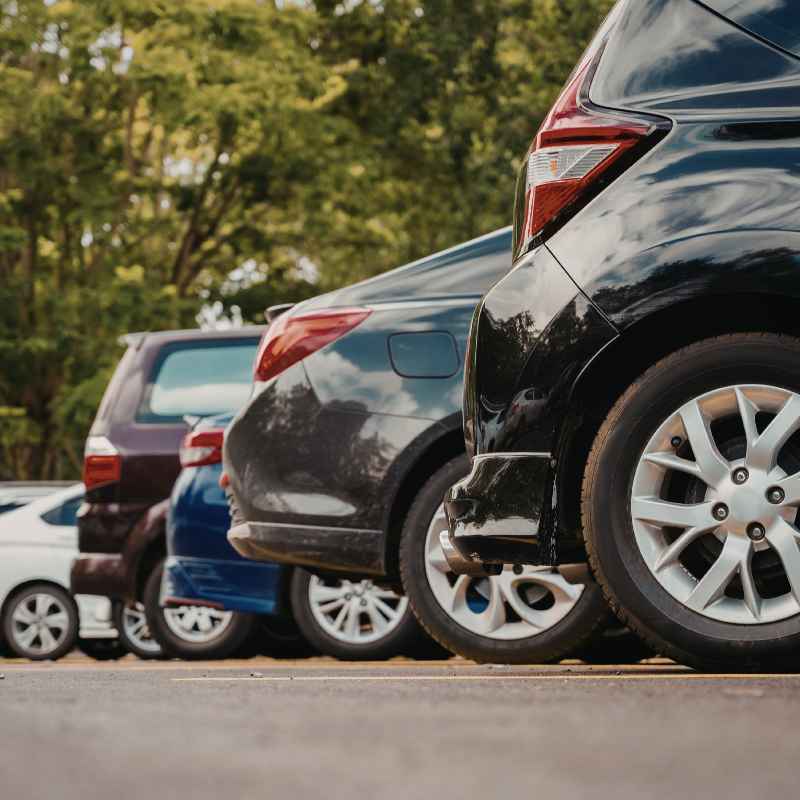
It’s different from a traditional rental car company. You don’t usually pick up a car at an airport. Instead, you often find Flex Car vehicles in convenient spots in your city.
Think parking lots or designated street spots.
My First Flex Car Experience: A Leaky Jug of Milk
I remember the first time I really needed Flex Car. It was a Saturday morning. I had a recipe for pancakes that called for a specific type of buttermilk.
My local store was out. I also needed to pick up some fresh flowers for my mom’s birthday. My own car was in the shop for a recall, and my husband’s car was being used by our daughter for a college visit.
Panic started to set in. I felt that familiar knot in my stomach. How was I going to get these things done?
Then I remembered seeing Flex Car signs around town. I downloaded the app, signed up, and found a small SUV just a few blocks away. The app made it easy to unlock the car.
It felt so modern!
I zipped to the grocery store, got my buttermilk. Then off to the florist. Everything was going great.
On the way back, I had a carton of milk in the passenger seat. I guess I didn’t close it tight enough. When I got home and got out, I saw a small puddle on the floor mat.
It was milk! My stomach dropped. I thought, “Oh no, I’m going to get charged a huge cleaning fee!” I quickly grabbed some paper towels and cleaned it up.
Thankfully, it wasn’t too much, and the car didn’t smell. That was a close call, but the convenience of having a car right there when I needed it saved my mom’s birthday and my pancake plans.
Flex Car Quick Facts
Vehicle Types: Offers a range of cars, from small sedans to SUVs.
Rental Periods: Available by the hour or day.
Coverage: Includes insurance and fuel in many plans.
Booking: Done through a mobile app.
How Does Flex Car Work?
Getting started with Flex Car is usually pretty straightforward. First, you’ll need to download their app. You’ll then create an account.
This usually involves providing some personal information.
You’ll need to give them your driver’s license. They will check your driving record. This is standard for most car services.
You’ll also need a payment method, like a credit card or debit card.
Once your account is approved, you can start looking for cars. The app will show you a map. It will show you where the available Flex Car vehicles are parked.
You can see what type of car each one is. You can also see how much it costs to rent it.
When you find a car you want, you reserve it through the app. You can usually reserve it for a specific time. When your reservation starts, you’ll use the app to unlock the car.
Then you can drive it. When you’re done, you park it in a designated spot. You then lock it using the app.
Understanding the Costs: More Than Just the Hourly Rate
This is where things can get a little tricky. It’s not just about the price you see per hour. There are often other costs to consider.
First, there’s the base rental fee. This is what you pay for the time you use the car.
Many plans include a certain number of miles in their hourly or daily rate. If you go over that limit, you’ll pay extra per mile. This can add up quickly if you plan on driving long distances.
Always check the mileage allowance for the plan you choose.
Then there are potential fees. These can include late return fees. There are also fees if you smoke in the car or leave it too dirty.
Some services charge a monthly or annual membership fee to even use the service. Make sure you know if this applies to Flex Car in your area.
Fuel is usually included in the rental price. This is a big plus! It means you don’t have to stop at a gas station.
However, you should check the policy. Sometimes, if the fuel is very low when you return the car, you might get charged. It’s good to be aware of the fuel level when you start your trip.
Cost Breakdown: What to Look For
- Base Rental Fee: Per hour or per day cost.
- Mileage Fees: Extra cost if you exceed the included miles.
- Membership Dues: Some services have monthly or yearly fees.
- Late Fees: Penalties for returning the car past your reservation time.
- Cleaning/Smoking Fines: Charges for violating car policies.
- Fuel Policy: Understand if fuel is included and any conditions.
Flex Car vs. Car Ownership: A Comparison
Let’s think about owning a car. You have the big upfront cost of buying it. Then there’s monthly loan payments, if you have one.
Insurance is a big monthly bill. You also have to pay for gas, maintenance, and repairs. Parking can also cost money.
For someone who doesn’t drive every day, owning a car can be very expensive. You might be paying for a car that just sits in your driveway most of the time. That’s a lot of money tied up in something you don’t use often.
Flex Car, or similar services, are great for people who only need a car now and then. If you mainly use public transport or walk, but sometimes need a car for errands or a weekend trip, car sharing makes sense. You pay only for the time you use the car.
This can be much cheaper than owning.
However, if you use a car daily for commuting or have a large family that needs a vehicle constantly, owning might still be more practical. You’ll need to do the math based on your own driving habits.
My Neighbor’s Story: The Daily Commute Dilemma
My neighbor, Sarah, is a nurse. She works shifts that vary. Sometimes she has to be at the hospital very early.
Public transport wasn’t always reliable for her early starts. She looked into Flex Car. She loved the idea of not having to pay for parking at the hospital.
She tried using Flex Car for her early morning shifts. She would book a car for a few hours. She found that by the time she paid for the hourly rate, gas, and any extra mileage, it was adding up.
She also sometimes had trouble finding a car close enough when she was rushing.
One morning, she couldn’t find any available cars nearby. She was already stressed about being late. That’s when she realized that for her daily, predictable commute needs, Flex Car wasn’t the most efficient.
She ended up leasing a small, fuel-efficient car. Now she has the peace of mind knowing her car is always there. It cost more upfront, but for her specific situation, it was the better choice.
What to Watch Out For: Hidden Pitfalls
It’s important to be a smart user of any car-sharing service. One big pitfall is availability. If you live in a less populated area, you might not find many Flex Car vehicles around.
Or, the ones that are there might be booked by others.
Another thing to watch is the condition of the car. While companies try to keep them clean, you might sometimes get a car that isn’t perfectly tidy. Check for any damage before you drive.
Take pictures if you see dents or scratches. This protects you from being charged for them.
Late fees can be brutal. If you think you might be late, try to extend your reservation through the app. It’s usually cheaper than paying the late fee.
But you have to do it before your reservation ends.
Also, be mindful of the driving area. Some services have limits on where you can drive the car. You might not be allowed to take it out of state or even out of a specific city zone.
Always check the terms and conditions for these restrictions.
Finally, consider the fuel policy very carefully. If you’re on a longer rental, you might be expected to refill the tank. Make sure you know where the fuel card is located (if provided) or what your responsibility is.
Running out of gas far from a station is a real hassle.
Pitfall Prevention Checklist
Availability Worries?
Check the map often. Book in advance for busy times or popular vehicles.
Car Condition Concerns?
Inspect and document. Take photos of any pre-existing damage before you start driving.
Running Late?
Extend via app. If possible, extend your booking to avoid late fees.
Driving Area Limits?
Read the rules. Know where you can and cannot drive.
Fueling Hassles?
Understand the policy. Know how and when to refuel.
When is Flex Car the Right Choice?
So, when does Flex Car really shine? It’s perfect for people who live in urban areas with good public transport. If you only need a car for occasional errands, like grocery shopping on a rainy day, or a trip to the hardware store, it’s ideal.
It’s also a great option for people who travel often. If you visit friends or family in another city and they don’t have a car for you to use, Flex Car can be a lifesaver. It’s more convenient than renting from a traditional agency if you just need a car for a few hours or a day.
Students are another group who benefit. If you’re in college and don’t want the expense of owning a car, Flex Car can give you the freedom to explore on weekends. Or run errands off-campus without relying on others.
Consider it if you’re trying to live a more sustainable lifestyle. By sharing cars, fewer vehicles are on the road. This can reduce traffic congestion and pollution.
It’s a practical step towards a greener way to get around.
Perfect Use Cases for Flex Car
- Urban Living: Supplementing public transport for occasional trips.
- Errand Running: Quick trips to stores or appointments.
- Weekend Getaways: Short, spontaneous trips out of town.
- Visiting Friends/Family: When you need local transport at your destination.
- Student Needs: Off-campus travel and exploration.
- Eco-Conscious Choices: Reducing your carbon footprint.
When Might Flex Car NOT Be the Best Fit?
There are times when Flex Car isn’t the smartest move. If you have a long daily commute, especially if it’s over 30 miles each way, owning a car is usually more cost-effective. You’ll spend a lot on hourly fees very quickly.
Families with young children often need more than what a typical Flex Car offers. You might need multiple seats, or the ability to easily install car seats. Some Flex Car vehicles might not allow car seat installation, or they might not have enough space.
If you live in an area with very limited service, meaning there aren’t many cars available or the service area is small, it might not be reliable enough for you. Imagine needing a car and finding out all the nearby ones are already booked.
Also, if you’re someone who likes to drive a lot, explore backroads, or take spontaneous long road trips, you might find the mileage limits and associated costs restrictive. You’ll want the freedom to go wherever you want without watching the odometer constantly.
When to Think Twice About Flex Car
- Long Daily Commutes: Hourly rates add up fast.
- Large Families: Limited seating and car seat compatibility issues.
- Rural or Limited Service Areas: Lack of availability.
- Frequent Long Road Trips: Mileage restrictions and costs.
- Need for Specific Vehicle Features: Such as heavy-duty trucks or specialized vans.
Real-World Check: The Case of the Spontaneous Road Trip
My friends, the Millers, are a prime example. They have two young kids. They used Flex Car for a while.
They loved it for quick grocery runs. They also used it for dropping kids at soccer practice when their main car was being detailed.
Then, one sunny Friday afternoon, they decided to take the kids to the beach. It was about a 2-hour drive. They booked a larger SUV through Flex Car.
They were so excited. However, about an hour into the trip, the car’s check engine light came on.
They had to pull over. They called customer service. It took them a long time to get a
They learned that while Flex Car is great for short, predictable needs, it can be a gamble for spontaneous family adventures where timing is key. They decided to stick with owning their car for such outings.
Can Flex Car Save Me Money?
The answer really depends on how you use it. If you currently own a car that you rarely drive, then yes, Flex Car can absolutely save you money. You’ll avoid car payments, insurance premiums, registration fees, and maintenance costs.
Let’s say you drive a Flex Car for about 10 hours a month. For example, four short trips. If the average cost is $15 per hour, that’s $150 a month.
This sounds reasonable. Now, compare that to the average cost of owning a car. The AAA estimates owning a car can cost over $10,000 per year.
That includes everything.
So, for low-mileage drivers, car sharing is often a clear winner. You’re paying for access, not for a depreciating asset that sits idle. This can free up a lot of money in your budget.
However, if you start using Flex Car for many hours a week, or for long distances, the costs can quickly exceed what owning a car would cost. You need to track your usage and do the math for your specific situation. It’s all about matching the service to your lifestyle.
Money-Saving Scenarios for Flex Car
Scenario 1: The Occasional Driver
Usage: 8 hours per month (2 errands per week).
Estimated Cost: $100 – $150/month.
Savings: Significant compared to car ownership costs.
Scenario 2: The Heavy User
Usage: 40 hours per month (daily use for commutes).
Estimated Cost: $600 – $800+/month.
Savings: Likely none, could be more expensive than ownership.
Making the Decision: What’s Right for You?
To figure out if Flex Car is worth it, ask yourself these questions:
How often do I really need a car? Be honest. If it’s less than twice a week, car sharing is a strong contender. If it’s every day, probably not.
What’s my typical trip like? Are they short hops around town, or long drives to visit family?
What’s my budget? Can I afford the monthly costs of ownership, or does a pay-as-you-go model fit better?
What’s my living situation? Do I have reliable public transport? Do I have parking available if I owned a car?
Think about your lifestyle. If you value flexibility and only want to pay for what you use, Flex Car is likely a good option. If you need a car reliably every single day for work or family, and you prefer the certainty of having your own vehicle, then ownership might be better.

Frequent Questions About Flex Car
Is fuel included with Flex Car rentals?
Typically, yes. Most Flex Car services include a certain amount of fuel or a fuel card in their rental rates. However, it’s vital to check the specific terms of your rental agreement to confirm the fuel policy and any potential charges if the fuel level is too low upon return.
What happens if I get a parking ticket in a Flex Car?
You will almost certainly be responsible for paying any parking tickets or traffic violations incurred during your rental. Flex Car services usually have a process to identify the renter associated with the ticket and will charge your account, often with an administrative fee on top.
Can I take a Flex Car on a long road trip?
It depends on the specific Flex Car service and your rental plan. Many services have mileage limits, and exceeding them can be costly. Additionally, some services may restrict driving outside of a certain geographic area.
Always review the terms of service before planning a long trip.
Do I need to clean the Flex Car before returning it?
You are expected to return the car in a reasonably clean condition. If you leave excessive trash or cause significant mess, you could be charged a cleaning fee. For minor spills, a quick wipe-down is usually sufficient, but major messes will incur costs.
What is the age requirement to use Flex Car?
Age requirements can vary by service and location. Generally, you need to be at least 21 years old, although some services might require you to be 25 or older, especially for certain vehicle types. A valid driver’s license is always mandatory.
How do I handle a breakdown with a Flex Car?
Most Flex Car services provide 24/7 roadside assistance. If you experience a mechanical issue or breakdown, you should contact their customer support immediately. They will guide you on the next steps, which may involve sending a tow truck or arranging a replacement vehicle.
Final Thoughts: Is Flex Car Worth It for You?
Deciding if Flex Car is worth the investment is a personal journey. It’s about aligning a service with your unique needs and habits. For many, especially those in cities with good public transport, it offers freedom without the financial burden of ownership.
It’s a tool that can simplify life when used wisely. Consider your own usage patterns carefully.
Products related to this article
Sponsored / affiliate links. As an Amazon Associate I earn from qualifying purchases. I may earn additional commission from eligible campaigns.
 PartsTo Adjustable Kids Travel Car Seat Headrest Pillow with Lean Support Cushion Sleeping Travel Neck Safeguard Cushion Suitable for Kids Children Teenagers and Adults
 Roadside Assistance Emergency Kit,Vehicle Truck Car Safety Roadside Emergency Kit with Reflective Warning Triangle Tow Strap Reflective Vest etc