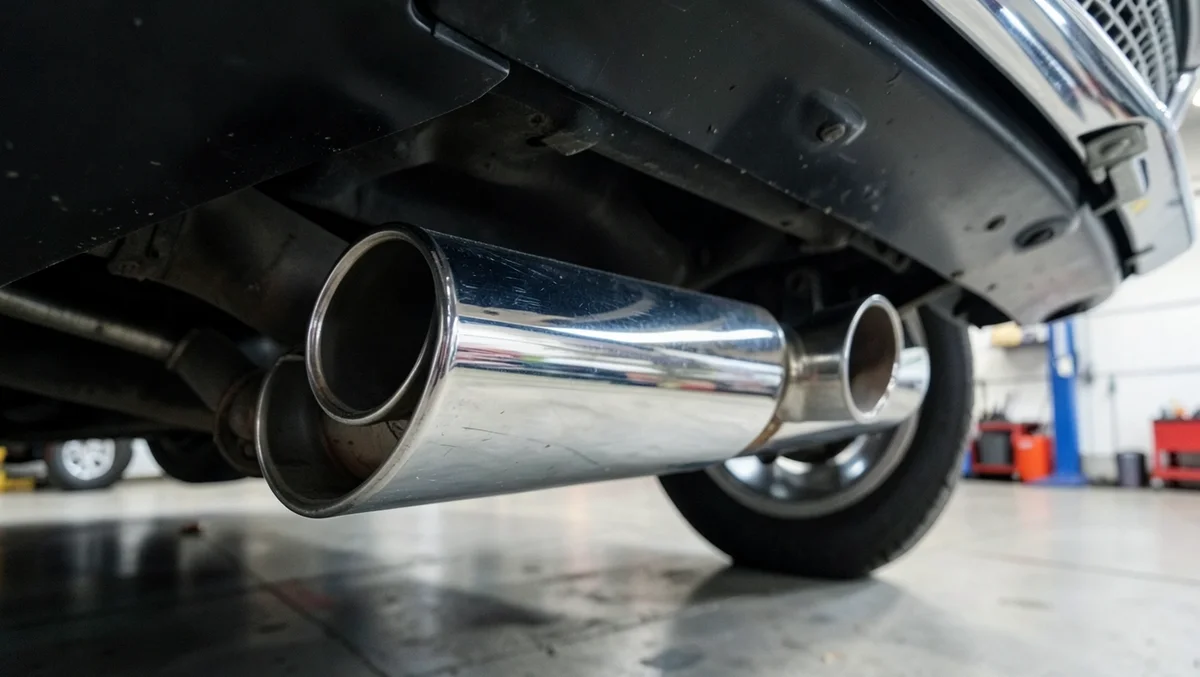
Glass Packs for Cars: How They Work, Sound and Install
Glass pack mufflers are straight-through exhaust silencers that trade quiet running for a deep, aggressive exhaust note. Instead of routing exhaust through internal chambers like a stock muffler, a glass pack lets gas flow through a straight, perforated core wrapped in sound-deadening packing — which is where the name comes from.
If you searched for “glass packs for cars” expecting exhaust mufflers, not window cleaner, you are in the right place — this guide covers how glass pack mufflers work, how loud they really are, whether they are legal to run on the street, and how to size and install one on your own car.
What Is a Glass Pack Muffler?
A glass pack (also spelled “glasspack”) is a type of straight-through muffler. Inside the metal housing is a single perforated steel tube running the full length of the muffler, surrounded by a layer of fiberglass or steel wool packing material — the “glass” in glass pack refers to this fiberglass insulation, not to actual glass. Exhaust gas travels straight down the perforated tube, and the packing material around it absorbs some of the sound energy without forcing the gas to change direction the way a chambered or baffled muffler does.
Because there are no internal baffles redirecting exhaust flow, glass packs create very little backpressure compared to a stock muffler. That straight-through design is exactly why they are popular on muscle cars, hot rods, and drag-oriented builds: less restriction can help an engine breathe, and the packing still knocks down some of the raw exhaust noise rather than letting it through completely unmuffled like an open header or straight pipe.
Cherry Bomb 87529 Glasspack Muffler
ICONIC GLASSPACK SOUND
 |
Cherry Bomb 87529CB Glasspack Muffler – $39.54 Cherry Bomb is the brand most enthusiasts picture when they hear “glass pack” — this is the classic straight-through, red-bodied design built for a deep, aggressive tone.
|
How Loud Is a Glass Pack Muffler?
Glass packs are genuinely loud compared to a stock muffler — that is the entire point of installing one. The straight-through design does little to break up sound waves the way a multi-chamber muffler does, so you get a deep, raspy, almost “burbling” tone at idle that turns into a loud, aggressive growl under acceleration. They are noticeably quieter than a true straight pipe or an open header, since the fiberglass packing still absorbs real sound energy, but they are one of the louder muffler styles you can buy.
One practical downside worth knowing before you buy: the fiberglass packing inside a glass pack wears out over time. As exhaust heat and moisture break down the packing material, the muffler tends to get louder with age rather than staying consistent, which is different from how a stock chambered muffler behaves as it ages.
Are Glass Pack Mufflers Legal on the Street?
A glass pack muffler by itself is not automatically illegal — it is still a muffler, unlike an open header or a straight pipe with no muffler at all. But most states enforce a maximum exhaust noise level (commonly somewhere in the 90–100 decibel range, tested at a set distance and engine speed), and a loud glass pack can push a car past that limit, especially with an aggressive setup or a worn-out core. Rules and exact decibel limits vary significantly by state and even by city, so check your local vehicle code before you install one, particularly if you plan to drive the car daily.
One rule that is not a gray area anywhere in the U.S.: never remove or bypass your catalytic converter to make room for a glass pack or any other muffler. Tampering with emissions equipment is a federal Clean Air Act violation, separate from any state noise law, and can carry serious fines. A glass pack should be installed downstream of a working catalytic converter, not as a replacement for one.
How to Install a Glass Pack Muffler
Installing a glass pack is a straightforward exhaust job for anyone comfortable working under a car, though it typically requires welding rather than a pure bolt-on fit:
- Raise the car safely on ramps or jack stands and let the exhaust system cool completely before touching it.
- Measure your existing exhaust pipe diameter and mark where the new glass pack will sit in the system (typically replacing an existing muffler or resonator location).
- Cut out the old muffler section with a reciprocating saw or pipe cutter, leaving enough clean pipe on each side to connect the new glasspack.
- Dry-fit the glass pack to confirm the inlet and outlet line up with your exhaust pipe, adjusting hangers as needed.
- Weld the connections for a permanent, leak-free seal, or use U-bolt exhaust clamps if you want a removable, non-welded install.
- Start the engine and check every joint for exhaust leaks or rattles before lowering the car and taking it for a test drive.
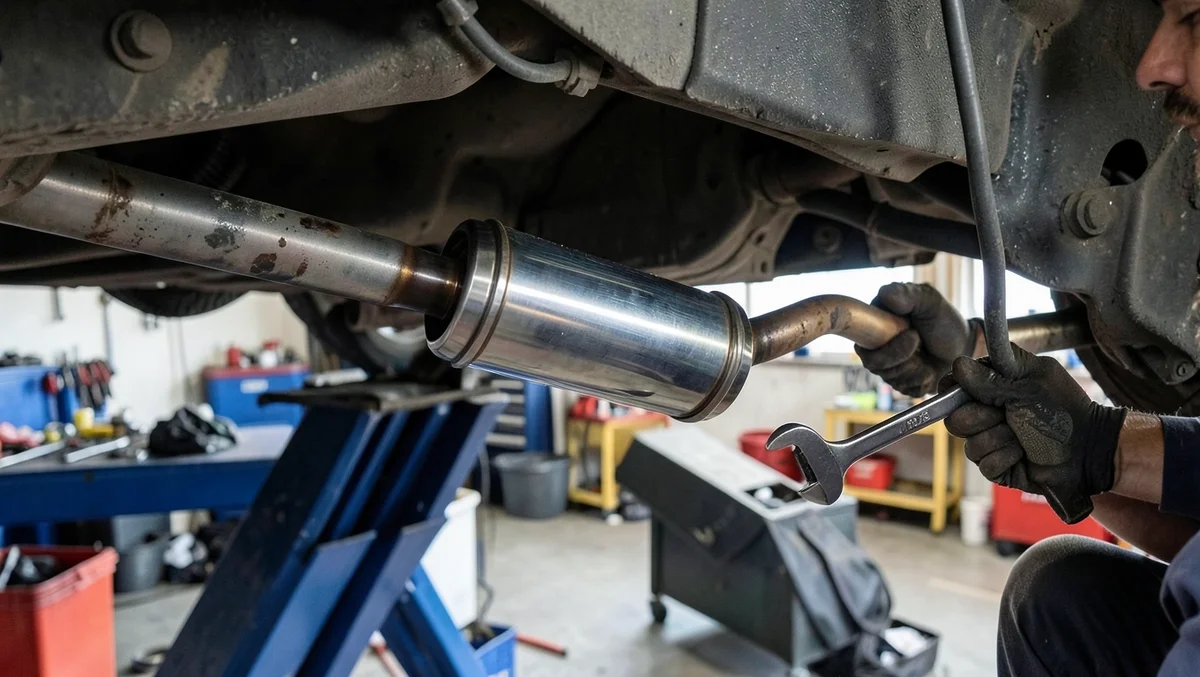
If you are not comfortable welding under a car, a muffler shop can usually install a glass pack in under an hour for a modest labor fee. That is often the better route if you want a leak-free weld rather than clamps, since clamped joints are more prone to loosening and developing an exhaust leak over time.
Choosing the Right Size Glass Pack for Your Car
Glass packs are sold by inlet/outlet diameter and overall body length, and getting the size wrong is the most common installation mistake:
- Inlet/outlet diameter: Match this to your existing exhaust pipe diameter (commonly 2.0, 2.25, or 2.5 inches on most passenger cars and light trucks). A mismatched diameter either restricts flow or requires an adapter reducer/expander.
- Body length: Shorter glass packs (14–18 inches) tend to run louder since there is less packing material to absorb sound; longer bodies (24 inches and up) sound deeper and somewhat quieter for the same diameter.
- Single vs. dual inlet/outlet: Some glass packs are single in/out, while others are designed for dual exhaust setups. Check which your car’s system uses before ordering.
If your goal is a mild tone change rather than the full glasspack growl, a resonator or a different muffler style may suit you better — and if you only want to reshape the exhaust note without touching the muffler at all, it helps to understand what an exhaust tip can and cannot change about how loud a car sounds before you spend money in the wrong place.
Frequently Asked Questions
What Is a Glass Pack Muffler?
A glass pack muffler is a straight-through exhaust muffler with a perforated steel core wrapped in fiberglass packing material. Exhaust gas flows straight through the core instead of being redirected through internal chambers, which produces less backpressure and a louder, deeper exhaust note than a stock muffler.
Are Glass Pack Mufflers Legal?
A glass pack itself is not automatically illegal, since it is still a functioning muffler. However, many states set a maximum exhaust noise level, and a loud glass pack setup can exceed that limit. Rules vary by state, so check your local vehicle code, and never remove your catalytic converter to install one — that is a separate federal violation regardless of state noise laws.
How Loud Are Glass Pack Mufflers?
Glass packs are one of the louder muffler styles available, producing a deep, raspy tone at idle and an aggressive growl under acceleration. They are quieter than an open header or true straight pipe, since the fiberglass packing still absorbs sound, but noticeably louder than a stock chambered muffler.
Can I Install a Glass Pack Muffler Myself?
Yes, if you are comfortable working under a car and have access to a saw and a welder. Most installs involve cutting out the old muffler, dry-fitting the new glass pack, and welding or clamping the connections. If you cannot weld, a muffler shop can typically complete the install in under an hour.
Do Glass Packs Add Horsepower?
Glass packs can produce a small horsepower gain on some engines by reducing exhaust backpressure compared to a restrictive stock muffler, but the gain is usually modest on its own. Larger performance gains come from pairing a less restrictive muffler with other exhaust upgrades, like headers or a full cat-back system.
What Size Glass Pack Muffler Do I Need?
Match the glass pack’s inlet and outlet diameter to your existing exhaust pipe, commonly 2.0 to 2.5 inches on most cars and light trucks. Shorter bodies tend to sound louder, while longer bodies produce a deeper, somewhat quieter tone at the same diameter.
Conclusion
Glass pack mufflers deliver one of the most recognizable exhaust sounds you can buy: a deep, straight-through growl with less backpressure than a stock muffler. Before you install one, confirm the correct inlet/outlet diameter and body length for your car, check your state’s noise laws so you are not caught off guard by a fix-it ticket, and make sure your catalytic converter stays in place. Get those details right and a glass pack is one of the simplest, most affordable ways to change how your car sounds.
Products related to this article
Sponsored / affiliate links. As an Amazon Associate I earn from qualifying purchases. I may earn additional commission from eligible campaigns.