
How Do You Defog Car Windows: Quick Solutions
Imagine you’re driving on a chilly morning, and suddenly, your car windows fog up. You can’t see clearly, and it feels like you’re navigating through a cloud.
Frustrating, right? We’ve all been there, and it’s not just inconvenient—it’s unsafe. You need a quick and effective solution to defog your windows and regain your clear view of the road. Understanding how to do this can save you time, keep you safe, and make your drive a lot more pleasant.
You’ll discover practical tips and tricks to defog your car windows swiftly. By the end, you’ll have the confidence to tackle any foggy situation with ease. Ready to say goodbye to those misty windows? Let’s dive in!
Causes Of Foggy Car Windows
Foggy car windows happen because of different reasons. Moisture inside the car can cause fog. Wet clothes or shoes add moisture. Breathing also adds humidity. The air inside the car gets warmer than outside. This makes condensation on windows. Temperature changes make the windows foggy. Rainy or snowy days make it worse. Cold weather outside and warm inside create fog. Sometimes, the air conditioner is not used right. Car heaters make the air dry, preventing fog. But heaters can also cause fog if used wrong. Cracks in windows let moisture in.
This moisture leads to fogging. Keeping windows closed traps the moisture. Opening windows helps air flow. Air flow reduces fog. Proper use of car settings is key. Understand the car’s defogging system well. This helps manage fog better.

Credit: www.youtube.com
Immediate Defogging Techniques
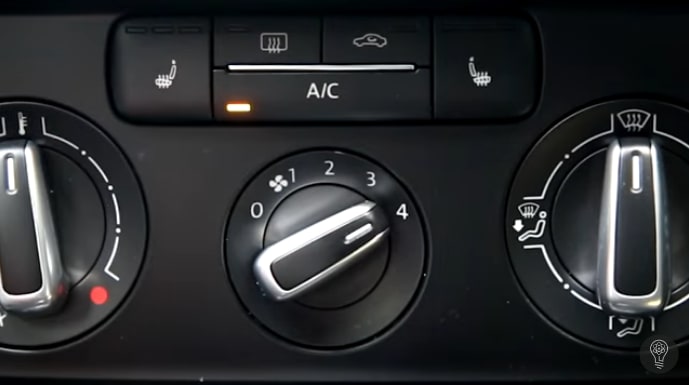
Turn on the defrost setting in your car. This setting is made to clear fog fast. It blows warm air on the windshield. This helps melt the fog. Make sure the vents are aimed at the windows. This helps clear them quickly.
Set the temperature to warm. Hot air holds more moisture. This helps clear the fog faster. Adjust the airflow to high. This moves air quickly around the car. Fog clears faster this way. Make sure air flows to the windows.
Turn on the air conditioning. It dries the air inside the car. This helps reduce fog. Use it with the defrost setting for best results. Remember, dry air keeps the fog away. This helps you see better when driving.
Preventive Measures
Clean windows help prevent fogging. Use a good window cleaner. Wipe the windows with a soft cloth. Dirt and grime can trap moisture. Moisture causes fog on windows. Cleaning regularly reduces dirt buildup. This keeps windows clear and safe.
Anti-fog products reduce window fogging. These are easy to apply. Spray or wipe on the inside windows. Make sure to cover all areas. Let it dry for best results. These products form a barrier. This stops moisture from sticking. Your windows stay clear longer.
The cabin air filter affects window fogging. A dirty filter blocks air flow. This causes more fog on windows. Change the filter often. Always follow the car’s manual instructions. Clean filters help air circulate better. This keeps the cabin air fresh and dry.
Natural Remedies
Mix vinegar and water in equal parts. Pour into a spray bottle. Spray on car windows. Wipe with a clean cloth. Vinegar helps remove fog. It is safe and natural. It smells a bit strong but works well. Repeat as needed for clear windows.
Apply shaving cream on the inside of windows. Use a cloth to spread evenly. Let it sit for a few minutes. Wipe away with a clean cloth. Shaving cream helps prevent fog. The process is quick and easy. It leaves a nice scent in the car.
Place cat litter in a sock. Tie the end tightly. Put the sock in your car. Cat litter absorbs moisture. It reduces window fogging. Change the sock regularly. This method is simple and effective. It keeps the car dry and fog-free.
Emergency Situations
Defog car windows quickly by using the car’s defrost setting. Turn on the air conditioner to remove moisture. Crack open a window for fresh air circulation. These steps ensure clear visibility during emergency situations, keeping you safe on the road.
Quick Wipe Methods
Car windows can fog up quickly. It’s important to act fast. Grab a clean cloth. Use it to wipe the fog away. Keep the cloth dry. Wet cloths can make it worse. You can also use paper towels. They work well too. Always have a cloth in your car. It helps in emergencies.
Using A Dehumidifier Bag
Dehumidifier bags are handy. They absorb moisture. Place one on the dashboard. It reduces window fogging. Keep the bag fresh. Check it often. Replace it if needed. These bags last a long time. They are easy to find in stores. A good choice for clear windows.
Long-term Solutions
Car windows can fog up quickly, causing visibility issues. Use the car’s defrost setting to clear them efficiently. Maintain your vehicle’s ventilation system and humidity levels for long-term clarity.
Installing Window Tints
Window tints can help keep windows clear. They block sunlight and reduce heat inside the car. This means less fog on windows. Tints also provide more privacy. They can last for many years without needing replacement. Some tints are easy to clean. They also protect the car’s interior from fading. Choose a good quality tint for best results. Always check if they are legal in your area.
Upgrading To Heated Windows
Heated windows are a great choice. They warm up quickly. This helps to remove fog fast. The glass has tiny wires inside. These wires heat the window evenly. It makes driving safer on cold days. Heated windows are more common in newer cars. They might cost more, but they last longer. Consider this upgrade for a better driving experience.
Common Mistakes
Many drivers forget the recirculation button. This button keeps air inside the car. It can make windows foggy. Fresh air helps clear the fog. So, turn off the recirculation. Let outside air in. It’s a simple step but often missed.
Wipers help clear rain. But they don’t fix fog inside. Overusing them can wear them out. This makes them less effective. Instead, focus on using the defogger. Use a cloth for inside fog. This keeps wipers in good shape.
Credit: www.hausautogroup.com
Frequently Asked Questions
Why Do Car Windows Fog Up?
Car windows fog due to moisture in the air inside the vehicle. When warm air meets cooler glass surfaces, condensation forms. This results in foggy windows. Using defrost settings or air conditioners can help balance temperature and moisture levels, reducing fogging.
How Can I Quickly Defog Car Windows?
To quickly defog car windows, turn on the defrost setting. Set the temperature to warm and increase fan speed. This helps evaporate moisture. Turning on the air conditioning also helps by removing humidity from the air inside the car.
Can I Prevent Car Windows From Fogging?
Yes, you can prevent car windows from fogging. Keep your car’s interior dry by using air conditioning or vent settings. Ensure floor mats are dry. Consider using anti-fog products on windows. Regularly clean the windows to remove any residue that attracts moisture.
Does Temperature Affect Window Fogging?
Temperature significantly affects window fogging. Warm air holds more moisture, leading to condensation when it meets cooler surfaces. Maintaining a consistent temperature inside the car can help reduce fogging. Use climate control settings to manage temperature and humidity levels effectively.
Conclusion
Defogging car windows is simple with the right steps. Start by using your defrost setting. This directs warm air to the windows. Keep your car interior dry. Moisture can cause fogging. Crack a window to let in fresh air. This helps balance the temperature.
Use anti-fog sprays for long-term solutions. They prevent moisture build-up. Regularly clean your windows. Dirt can hold moisture, causing fog. Practice these steps. Enjoy clear windows and safer drives. Stay prepared, and foggy windows will be a thing of the past.
Safe travels!