Is It Bad to Leave Your Car On While Pumping Gas? Real Fire Risks
Leaving your car running while pumping gas is not illegal in most U.S. states, but fire codes adopted from NFPA 30A require you to stay at the nozzle with the engine off in many jurisdictions. The real fire risk isn’t a spark from your running engine — it’s static electricity from re-entering the vehicle mid-fill, a cause documented in 176 reported incidents by the Petroleum Equipment Institute. This guide covers the actual legal basis, the static-electricity mechanism, and safer refueling habits.
Quick Answer
Leaving your car on while pumping gas is legal in most states, but many local fire codes (based on NFPA 30A) require the engine off and the driver at the nozzle. The bigger real-world risk isn’t the running engine — it’s static electricity from re-entering your car mid-fill, which causes far more documented pump fires than engine ignition ever has.
But is this a safe choice, or could it lead to dangerous consequences? You might have heard various opinions from friends, family, or even online forums, leaving you uncertain about the best course of action. Understanding the risks associated with leaving your car on while fueling up is crucial for your safety and the safety of others around you.
This article will uncover the truths behind this common dilemma, revealing potential hazards you might not have considered. Are you ready to discover what really happens when you leave your engine running at the pump? Read on to learn more, and ensure your next trip to the gas station is safe and worry-free.
Safety Risks Of Leaving Car On
Leaving your car on while pumping gas poses serious safety risks. Sparks from the engine could ignite fuel vapors, leading to fires. Always turn off the engine to ensure safety.
Fire Hazards
Leaving the car on can cause serious fire hazards. Sparks from the engine can ignite gas vapors. This can lead to a dangerous fire. Always turn off your car to stay safe.
Fuel Vapor Concerns
Gasoline vapors are highly flammable. When a car is on, it can create static electricity. This can ignite the vapors and start a fire. Always avoid this risk.
Electrical Malfunctions
Keeping the car running can cause electrical malfunctions. The car’s battery might overheat. This can cause damage to your vehicle. It’s best to turn off the engine.
Impact On Vehicle Components
Keeping the car on while pumping gas can cause engine wear. The engine continues to run. This means parts are moving. More movement leads to more wear. Over time, this can damage the engine. Fuel and oil are used up faster. This increases the cost. It also shortens the life of engine parts.
The battery may lose power when the car is on. Radio and lights are still on. These use battery power. If the battery drains too much, starting the car can be hard. The battery may need recharging sooner. This can be a problem, especially in cold weather.
The Real Reason Gas Stations Say “Turn Off Your Engine”
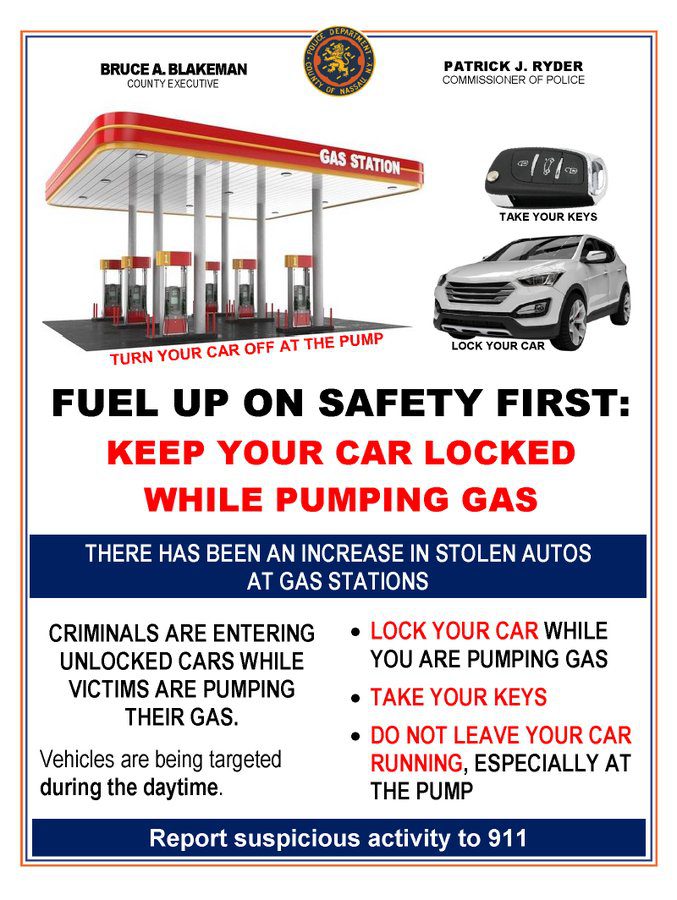
Most posted gas-station warnings trace back to NFPA 30A, the National Fire Protection Association’s code for motor fuel dispensing facilities. Nearly every U.S. state and municipality has adopted some version of it, and it requires the person fueling to stay at the nozzle, ready to shut off the flow, with the engine off and no smoking. These posted rules carry the weight of law in most jurisdictions, not just a suggestion from the station owner — but the code targets attended, engine-off refueling generally, not “engine sparks” specifically.
Static Electricity, Not Engine Sparks, Is the Documented Fire Cause
A running fuel-injected engine does not generate exposed sparks the way older carbureted engines or damaged ignition systems could — so the popular “engine spark ignites the vapors” claim overstates the actual mechanism. The Petroleum Equipment Institute (PEI) studied refueling fires from 1992 to 2010 and found the dominant documented cause was static discharge from re-entering the vehicle mid-fill: friction between clothing and the seat builds a static charge, which then discharges to the nozzle or fuel cap when the driver reaches back out. Nearly half of these incidents happened in December, January, and February, when static builds more easily in dry, cold air.
📊 176 refueling fires were linked to static discharge from re-entering the vehicle between 1992 and 2010, and PEI has not received a report of a new static-related refueling fire since 2010, likely due to vapor-recovery systems now standard on U.S. vehicles — Source: Petroleum Equipment Institute, Stop Static Campaign
“In many of the reports we received, the refueler became charged prior to or during the refueling process through friction between clothing and the car seat to such an extent that electrostatic discharges to the vehicle body, fuel cap, or dispensing nozzle occurred.”
Legal Regulations And Guidelines
State laws about leaving a car on while pumping gas can be different. Some states have strict rules. These rules keep everyone safe. Safety is important at gas stations. Cars should be off when filling gas.
Many states follow these safety rules. Not all states have the same laws. Always check your local laws. This helps avoid trouble or fines. Knowing the law keeps everyone protected.
Gas stations often have their own rules. They want people to be safe. Many stations ask you to turn off the car. This is for safety reasons.
Listen to station staff if they give instructions. They know the best ways to keep safe. Following their rules helps everyone. Safe actions prevent accidents. Always be careful at the pump.
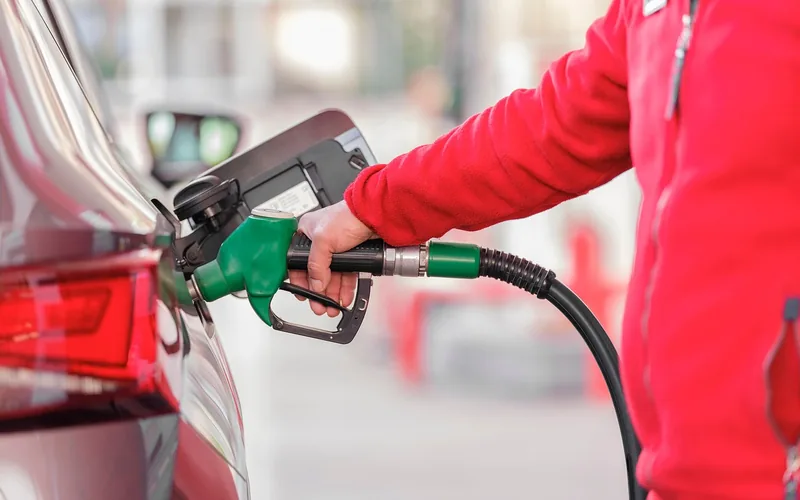
Alternatives To Leaving Car On
It’s safer to turn off the enginewhen getting gas. This helps stop dangerous fumesfrom building up. Fumes can cause fires. Keeping the engine off also saves fuel. It’s easy and smart. Just turn the key or press the button. That’s it!
Many cars have remote start systemstoday. They let you start the car from far away. This is nice on cold days. You can warm up the car before driving. But don’t use it at gas stations. It’s safer to wait until after filling up.
Safety Tips At Gas Stations
Turn off the car engine before refueling. This prevents accidents. Stay away from your phone and avoid distractions. Keep the nozzle in the tank. Ensure there are no leaks. Do not smoke near the pump. Gas is flammable. Check for static electricity. Touch metal to discharge. Follow these rules for safe refueling.
In case of fire, move away quickly. Alert the station staff. Use the fire extinguisher if trained. Call emergency services immediately. Stay calm and follow instructions. Do not start the car if you smell gas. It’s dangerous. Report any spills to the staff. They have procedures to handle it. Your safety is the priority at all times.
Frequently Asked Questions
Can Leaving The Car On Cause Fire At Gas Stations?
Leaving the car on itself rarely causes a fire directly — modern fuel-injected engines don’t produce exposed sparks. The documented fire risk is static electricity, usually from re-entering the vehicle mid-fill and then touching the nozzle. Turning the engine off and staying outside the vehicle while fueling avoids both the static risk and any local fire-code violation. If you’re wondering about idling in other situations, see our guide on leaving a car running for an hour,
Is It Illegal To Pump Gas With The Engine Running?
In many places, it is against the law to leave the engine running while refueling. Regulations are in place to prevent accidents. Violating these rules could result in fines or penalties. It is best to turn off the engine to comply with local laws and ensure safety.
Why Should You Turn Off Your Car When Refueling?
Turning off your car while refueling prevents potential fire hazards. It reduces the risk of static electricity igniting gas vapors. This practice ensures the safety of everyone at the gas station. Always turn off your vehicle to maintain a safe environment.
Does Idling While Refueling Waste Fuel?
Yes, idling while refueling can waste fuel. The engine consumes unnecessary fuel, leading to increased emissions. It also adds wear to the vehicle’s engine components. Turning off the engine is more fuel-efficient and environmentally friendly.
Is It Actually the Engine Spark That Causes Pump Fires?
No. PEI’s refueling-fire research found no confirmed cases caused by an engine’s own ignition system sparking fuel vapor. The documented cause is static electricity discharging from a person, most often after re-entering the vehicle and reaching back out to the nozzle — not a spark from the running engine itself.
What Is NFPA 30A and Does It Apply to My State?
NFPA 30A is the National Fire Protection Association’s code for motor fuel dispensing facilities. Most U.S. states and cities have adopted some version of it into their local fire code, which is why nearly every pump displays the same “turn off engine, no smoking, stay at the nozzle” warning — check your specific state or city fire marshal’s office for the exact local rule.
Conclusion
Pumping gas while your car is on poses risks. It’s about safety. Fire hazards can happen. Gas vapors and electricity are a bad mix. Turning off your car keeps everyone safe. It’s a simple step. No need to take chances.
Safety should always come first. Be cautious and smart. Follow signs at the gas station. Turn off the engine before pumping gas. It’s a small action with a big impact. Protect yourself and others around you. Make safe choices every time you refuel.
Products related to this article
Sponsored / affiliate links. As an Amazon Associate I earn from qualifying purchases. I may earn additional commission from eligible campaigns.