Is BMW a Luxury Car? Yes, but BMW Calls Itself ‘Premium’
Yes, BMW is a luxury car brand – though BMW Group’s own corporate site classifies BMW itself as “premium,” reserving the “ultra-luxury” label for its sister brand, Rolls-Royce. That distinction shapes the lineup: 2026 pricing spans about $43,200 for an entry X1 to over $150,000 for a loaded X7, a wider range than most single-tier luxury rivals. This guide breaks down BMW’s official brand tier, its model segments, and how it stacks up against Mercedes-Benz, Audi, and Lexus.
Premium vs. Luxury: How BMW Actually Classifies Itself
Premium is the tier BMW Group uses for its own core lineup – a category above mainstream volume brands but below the ultra-luxury tier reserved for low-volume, hand-built marques. BMW Group describes itself as “the world’s leading provider of premium cars and motorcycles,” a label the company applies to BMW specifically, not the word “luxury” that enthusiast media and dealerships often use interchangeably. In practice, most buyers and third-party rating agencies like Kelley Blue Book still classify BMW as a luxury brand – the two terms overlap in the market even though BMW’s internal branding draws a sharper line.
“The BMW Group is the world’s leading provider of premium cars and motorcycles and the home of the BMW, MINI, Rolls-Royce and BMW Motorrad brands.”
BMW Group’s Three Brands: BMW, MINI, and Rolls-Royce
BMW doesn’t stand alone – it’s the core brand inside a three-tier corporate family. Knowing where BMW sits between MINI and Rolls-Royce explains why the “premium” label exists in the first place. For a full breakdown of who actually controls the company and its ownership stake, see our guide to who owns BMW.
| Brand | Market Position | 2026 Starting Price (approx.) |
|---|---|---|
| MINI | Premium small-car, accessible entry point | $25,500 |
| BMW | Core premium – sedans, SUVs, EVs | $43,200 – $150,000+ |
| Rolls-Royce | Ultra-luxury, hand-built in Goodwood, England | $370,750 |
The Hallmarks Of Luxury Cars
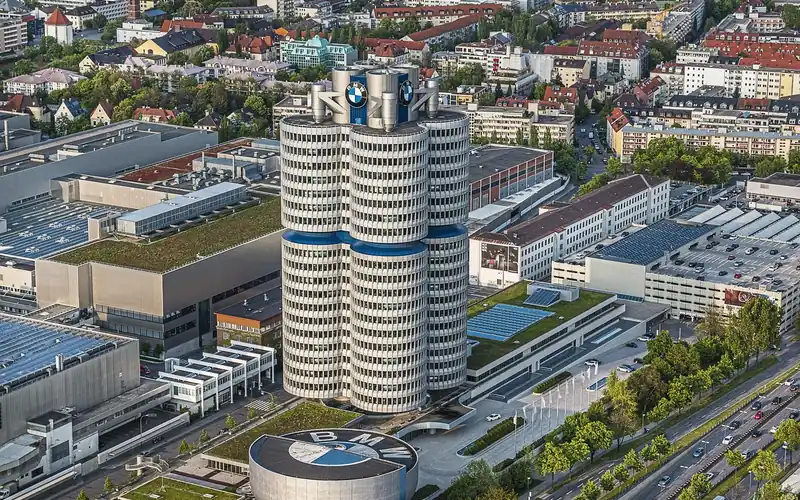
The hallmarks of luxury cars include exclusive features and advanced technology. BMW offers cutting-edge technology that enhances driving experiences. Features like adaptive cruise control and high-quality infotainment systems stand out.
Premium materials are essential in luxury vehicles. BMW uses leather (or its Sensatec synthetic alternative – see our BMW Sensatec vs. leather comparison for the real differences), along with wood and metal finishes that feel and look refined. The craftsmanship is evident in every detail. Comfort and style combine in BMW interiors.
BMW’s Legacy In The Automotive Industry
BMW has a rich history in the automotive world. Founded in 1916, the brand started as an aircraft engine manufacturer. Over the years, it evolved into a leading luxury car maker. The first car, the BMW 3/15, appeared in 1929. This marked the start of BMW’s journey in automobiles.
In the 1950s, BMW introduced the iconic BMW 507, known for its style and performance. The 3 Series, launched in 1975, became a symbol of sporty luxury. Today, BMW’s image reflects innovation, quality, and a commitment to performance. The brand continues to be described as luxury by most outside observers, even as its own materials use the word premium.
Examining BMW’s Model Line-Up
BMW offers a range of models that showcase luxury and performance. Entry-level models provide style and comfort for buyers who want a taste of the brand without spending six figures. Flagship models represent the pinnacle of BMW’s engineering, with advanced technology and premium materials that owners describe as exhilarating and smooth.
Kelley Blue Book sorts individual BMW models into distinct luxury segments rather than treating the brand as one price tier. The table below shows where each model class actually sits, using the 2026 starting MSRP as a reference point.
| Segment | Example Model | 2026 Starting Price |
|---|---|---|
| Subcompact luxury | 2 Series | ~$40,000 |
| Small sports sedan | 3 Series | ~$47,000 |
| Midsize luxury SUV | X5 | ~$68,000 |
| Large luxury SUV | X7 (see our X5 model review for an earlier-generation example) | $87,500 – $156,000 |
| Large luxury sedan | 7 Series | $99,300 – $126,250+ |
Innovation As A Standard
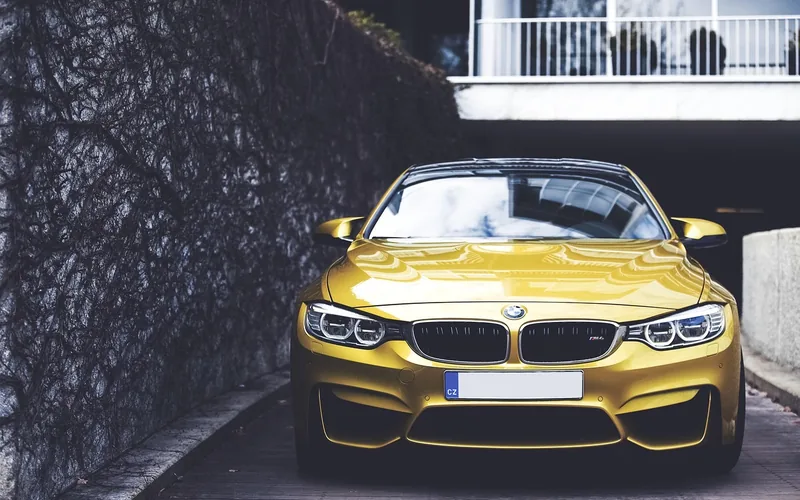
BMW is known for its commitment to innovation. The company invests heavily in cutting-edge engineering, with a major focus on autonomous driving and driver-assist features such as lane-keeping assist that help drivers avoid accidents.
BMW’s vehicles include smart sensors that gather data about their surroundings, enhancing the driver experience and increasing comfort. With each new model, BMW pushes to blend performance with luxury, and every detail reflects that dedication.
The Driving Experience
The driving experience in a BMW is built around a blend of performance and luxury. Powerful engines deliver quick acceleration and smooth handling, while the suspension system is tuned for a comfortable ride on most road surfaces.
Driver-centric design – intuitive controls, premium materials, and an immersive cabin – is meant to make every trip more enjoyable. Advanced infotainment systems keep drivers connected, and modern safety features add peace of mind on longer drives.
Comparing Rivals In The Luxury Segment
BMW stands out in the luxury segment for its emphasis on driver engagement. Compared to Mercedes-Benz, which leans toward comfort and cabin refinement, BMW prioritizes handling and sporty feedback. Audi – see our full breakdown of whether Audi is a German car and who owns it – focuses more heavily on interior technology, while Lexus is generally regarded as the most reliable of the group, trading some sportiness for consistency.
| Brand | Key Strength |
|---|---|
| BMW | Driver engagement, sporty handling |
| Mercedes-Benz | Cabin comfort and refinement |
| Audi | Interior technology and all-wheel drive |
| Lexus | Reliability and low ownership hassle |
Overall, BMW’s commitment to driving engagement is what sets it apart from the rest of the luxury segment, even when rivals beat it on comfort or reliability specifically.
Ownership And Brand Loyalty
Owning a BMW comes with real costs. As of 2026, the lineup starts around $43,200 for an entry X1 and runs past $150,000 for a fully loaded X7 or 760i 7 Series – up from the roughly $35,000 entry point BMW offered a few years ago. Maintenance and repairs run higher than average for the segment, which is why many owners buy service plans to manage costs over time.
📊 BMW delivered about 2.17 million passenger cars in 2025 – roughly 23.6% of the global luxury car segment – outselling Mercedes-Benz for the 14th consecutive year. Source: BMW Group 2025 global delivery figures.
Despite the expenses, customer satisfaction remains high, and that scale advantage feeds strong brand loyalty. Resale value varies a lot by model: enthusiast-focused cars and M models tend to hold value best, while some EVs and larger luxury models depreciate faster than the brand average.
| Cost Factor | Details |
|---|---|
| Starting Price (2026) | $43,200 – $150,000+ |
| Maintenance Costs | Higher than average for the luxury segment |
| Service Plans | Available for cost management |
Future Outlook For BMW
BMW is investing in a more sustainable future, working to reduce its carbon footprint and shift more of its production toward renewable energy. The company is also expanding use of recycled materials in its vehicles as part of a broader push toward a circular economy.
BMW’s “i” electric line-up – including the i4, i5, i7, and iX – showcases the brand’s electric vehicle push, delivering strong performance while cutting tailpipe emissions. Partnerships with green technology firms support these sustainability efforts, and future BMW models are likely to lean even further into electrification without abandoning the driving feel the brand is known for.
Frequently Asked Questions
Is BMW Considered a Luxury Car Brand?
Yes, BMW is widely regarded as a luxury car brand. It’s known for engineering quality, premium materials, and driving performance that appeals to buyers seeking a sophisticated ride. That said, BMW Group’s own corporate branding classifies BMW as “premium” – a step below the ultra-luxury tier occupied by its sister brand, Rolls-Royce.
What Makes BMW a Luxury Vehicle?
BMW vehicles are defined by strong performance, advanced technology, and attention to build quality – from high-end interiors and infotainment to close attention to detail. That combination is why most car shoppers and rating agencies like Kelley Blue Book still file BMW under “luxury,” even though BMW’s own branding uses the word “premium.”
How Do BMW Prices Compare to Other Luxury Cars?
BMW prices are competitive with other luxury brands like Audi and Mercedes-Benz. The 2026 BMW lineup spans about $43,200 for an entry-level X1 to over $150,000 for a fully equipped X7 or 7 Series – a similar spread to Audi and Mercedes-Benz, and far below Rolls-Royce, where the entry-level Ghost starts at $370,750.
Are BMW Cars Reliable Luxury Vehicles?
BMW cars generally offer good reliability with proper maintenance, though some models carry higher repair costs due to their advanced technology. Regular service also helps protect resale value – enthusiast-focused models and M cars tend to hold value best, while some EVs and larger luxury models depreciate faster than the brand average.
Is BMW Premium or Luxury?
Both, depending on who’s talking. BMW Group’s own materials describe BMW as a “premium” brand – the tier between mainstream and ultra-luxury. Most outside sources, including Kelley Blue Book’s Brand Watch reports, still classify BMW under “luxury” alongside Audi, Mercedes-Benz, and Lexus. The labels overlap; BMW’s internal distinction simply reserves “ultra-luxury” for Rolls-Royce.
What’s the Difference Between BMW and Rolls-Royce?
Both are owned by BMW Group, but they sit at different tiers. BMW covers the core premium segment – sedans, SUVs, and EVs from roughly $43,200 to $150,000+. Rolls-Royce is BMW Group’s ultra-luxury brand, hand-built in Goodwood, England, with the entry-level Ghost starting at $370,750. MINI rounds out the group as its accessible small-car brand, starting near $25,500.
Conclusion
BMW is a luxury car brand by nearly every outside measure – Kelley Blue Book, resale-value trackers, and most shoppers all file it there. The one place that draws a finer line is BMW Group itself, which reserves “luxury” for how the market talks about BMW and saves “ultra-luxury” for Rolls-Royce, its true hand-built sibling brand. Either way, BMW’s blend of performance, design, and technology is what keeps it near the top of the segment.
Products related to this article
Sponsored / affiliate links. As an Amazon Associate I earn from qualifying purchases. I may earn additional commission from eligible campaigns.