How Long After Paint Job Before Car Wash
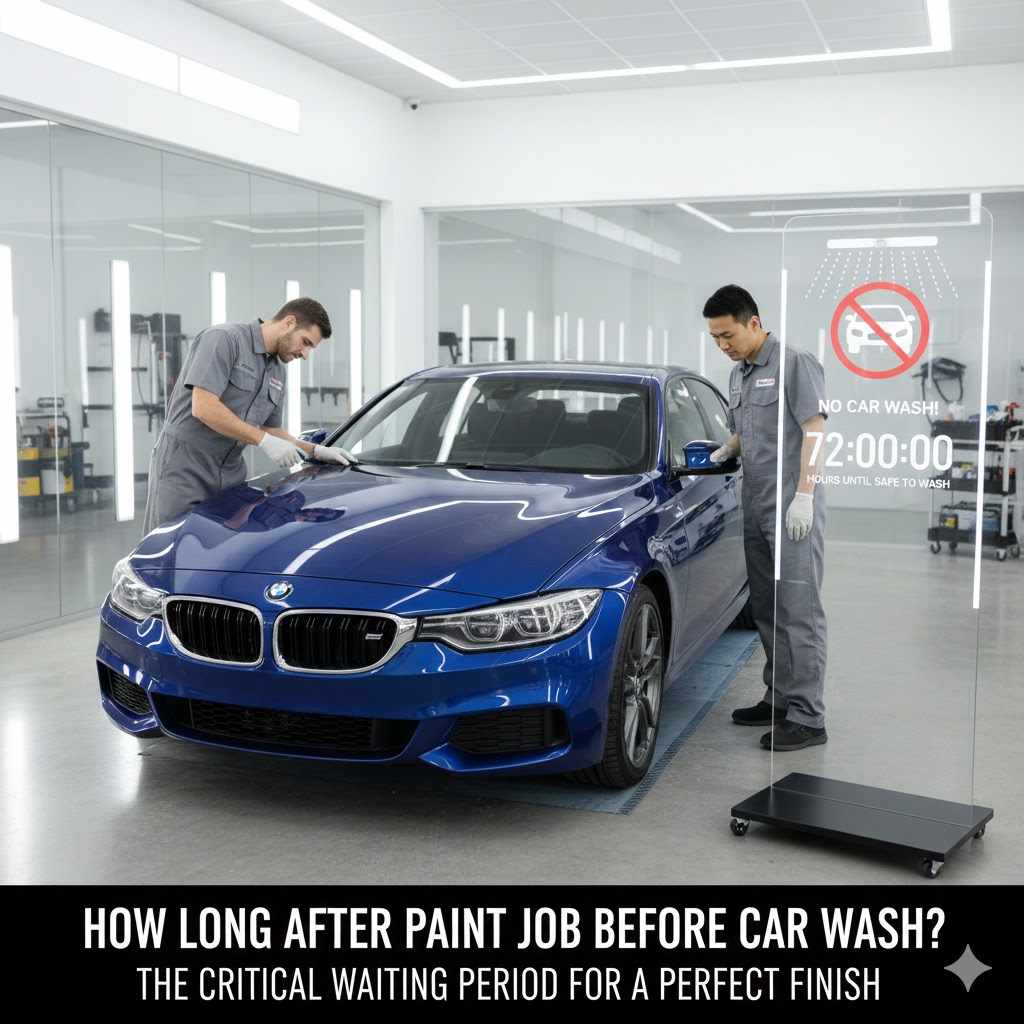
It’s a common question that pops into many car owners’ minds: How long after a paint job before a car wash? It might seem like a simple thing, but for those who’ve just had their car looking brand new with a fresh coat of paint, this question can feel a bit tricky. You want to keep that beautiful paint safe, and the thought of washing it too soon can be worrying. Don’t fret!
We’ll break it down easily and give you clear steps so you know exactly what to do.
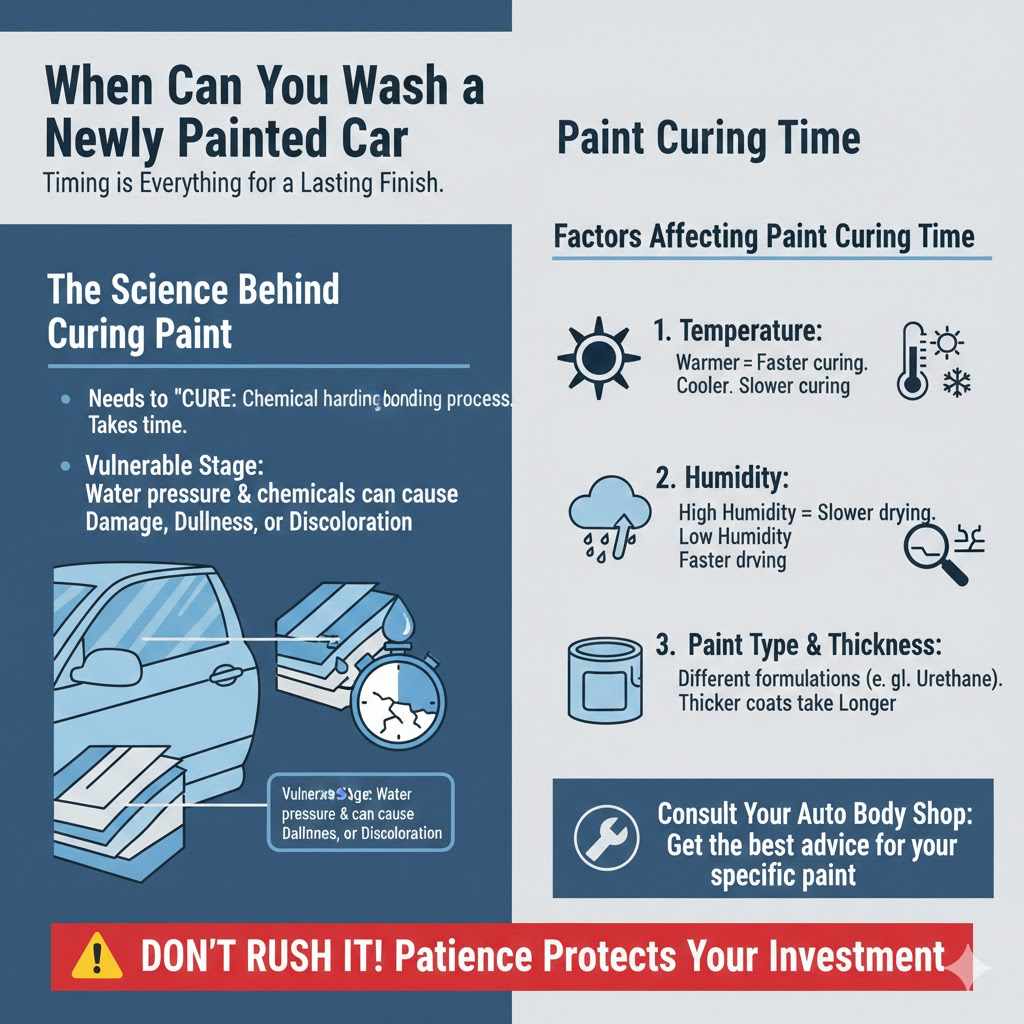
When Can You Wash a Newly Painted Car
Knowing when it’s safe to wash your car after a fresh paint job is super important for keeping that new finish looking great for a long time. This section will guide you through the reasons behind the waiting period and what factors influence it. We’ll cover the science in simple terms so you can feel confident about the timing.
The Science Behind Curing Paint
Fresh car paint isn’t just dry; it needs to “cure.” Curing is a process where the paint chemicals harden and bond together. This takes time and involves chemical reactions. The paint might feel dry to the touch within hours, but it’s still soft underneath.
During the curing stage, the paint is most vulnerable. Water pressure from a car wash, especially a high-pressure one, could potentially damage this delicate surface. Soaps and waxes used in some washes might also react with the uncured paint, causing dullness or discoloration.
The exact time for curing depends on the type of paint used and the environmental conditions, like temperature and humidity. Different paint formulations have different curing times. Understanding these basics helps you appreciate why waiting is necessary and what to expect.
Factors Affecting Paint Curing Time
Several things can speed up or slow down how quickly your car’s new paint hardens. Temperature plays a big role. Warmer temperatures generally help paint cure faster because heat speeds up chemical reactions.
Cooler temperatures, however, can make the paint take much longer to become fully hard.
Humidity is another important factor. Very high humidity can slow down the evaporation of solvents in the paint, extending the curing time. Low humidity is generally better for faster curing.
The thickness of the paint layers also matters. Thicker coats will take longer to cure than thinner ones.
The specific type of paint is also a major influence. Modern automotive paints, like water-based or urethane paints, have different curing properties than older types. Your auto body shop will know which type was used and can give you the best advice.
Recommended Waiting Periods Before Washing
This section focuses on the practical advice for how long to wait. We’ll look at general guidelines and what to ask your professional painter. Getting this right protects your investment and keeps your car looking its best.
General Guidelines for Waterless or Touchless Washes
For many modern automotive paints, a touchless car wash is often considered safe after about 30 days. Touchless washes use high-pressure water and mild cleaning agents without physical contact. This reduces the risk of scratching the delicate paint.
However, even with touchless washes, it’s wise to be cautious. Some high-pressure jets can still be quite strong. It’s always best to check with the shop performing the paint job for their specific recommendation.
They know the paint products they used and the conditions under which it was applied.
A waterless wash product, used carefully with soft microfiber towels, might be an option sooner than a full wash. This involves spraying a cleaning solution onto a small area and gently wiping it away. The key here is using very clean towels and not applying excessive pressure.
Here’s a quick breakdown of common recommendations:
- First 24-48 Hours Avoid any washing or even rain if possible. Protect the car from the elements.
- First 1-2 Weeks Gentle rinsing with plain water from a hose (low pressure) might be acceptable if absolutely necessary. Avoid direct spraying onto the paint.
- 2-4 Weeks Many professionals suggest waiting at least 30 days before a full car wash, especially a machine wash.
Professional Painter Recommendations
The most reliable advice will always come from the auto body shop that did the painting. They understand the specific paint products, primers, and clear coats used. They also know the conditions of your local climate and how that might affect curing.
When you pick up your car, don’t hesitate to ask them directly. Ask about the paint’s curing process and their recommended timeline for washing. They might suggest a specific type of car wash or products to use.
They can also tell you what to avoid.
For example, some shops might recommend waiting longer than the standard 30 days for certain high-end finishes or in specific weather conditions. Always prioritize their expert opinion. They want your paint job to look good for years to come, just like you do.
Here are some questions to ask your painter:
- What type of paint was used on my car?
- What is the estimated full curing time for this paint?
- When is it safe to wash my car?
- Are there any specific types of car washes or cleaning products I should avoid?
- Should I avoid waxing or sealing the paint for a certain period?
What to Do During the Waiting Period
While you’re waiting for your car’s paint to fully harden, there are simple steps you can take to keep it clean and protected. These measures are easy to follow and help prevent damage before the paint is ready for a wash.
Protecting Your Car from the Elements
During the waiting period, your car’s paint is still quite sensitive. Try to park it in a garage or under a carport whenever possible. This protects it from rain, dew, bird droppings, tree sap, and strong sunlight.
These things can etch into fresh paint if left for too long.
If you have to park outside, try to find a spot that offers some shade. Direct sunlight can heat the paint and affect its curing. If you notice any bird droppings or tree sap on the surface, gently wipe them off with a damp, soft cloth as soon as you can.
Avoid touching the paint unnecessarily. Fingerprints can leave oils that might interact with the curing paint. The goal is to let the paint do its job without any interference.
Dealing with Dirt and Debris
If your car gets dirty with dust or light road grime, a quick rinse with a hose using low-pressure water might be okay after the first week or two, as discussed earlier. However, avoid spraying directly at the paint with high pressure.
For small spots of dirt, a gentle wipe with a damp microfiber towel can work. Use a clean section of the towel for each wipe to avoid spreading dirt. The idea is to lift the dirt off the surface rather than scrub it, which could scratch or mar the fresh paint.
If you encounter sticky substances like tree sap or bug splatters, it’s best to try and remove them gently. A dedicated bug and tar remover might be too harsh for fresh paint. Try a mild soap solution and a soft cloth if absolutely necessary, but check with your painter first.
What to Avoid After a New Paint Job
Certain actions can seriously harm a newly painted surface. Understanding these potential hazards helps you prevent costly mistakes and keep your car looking factory-fresh. This section highlights common pitfalls to steer clear of.
High-Pressure Washing and Harsh Chemicals
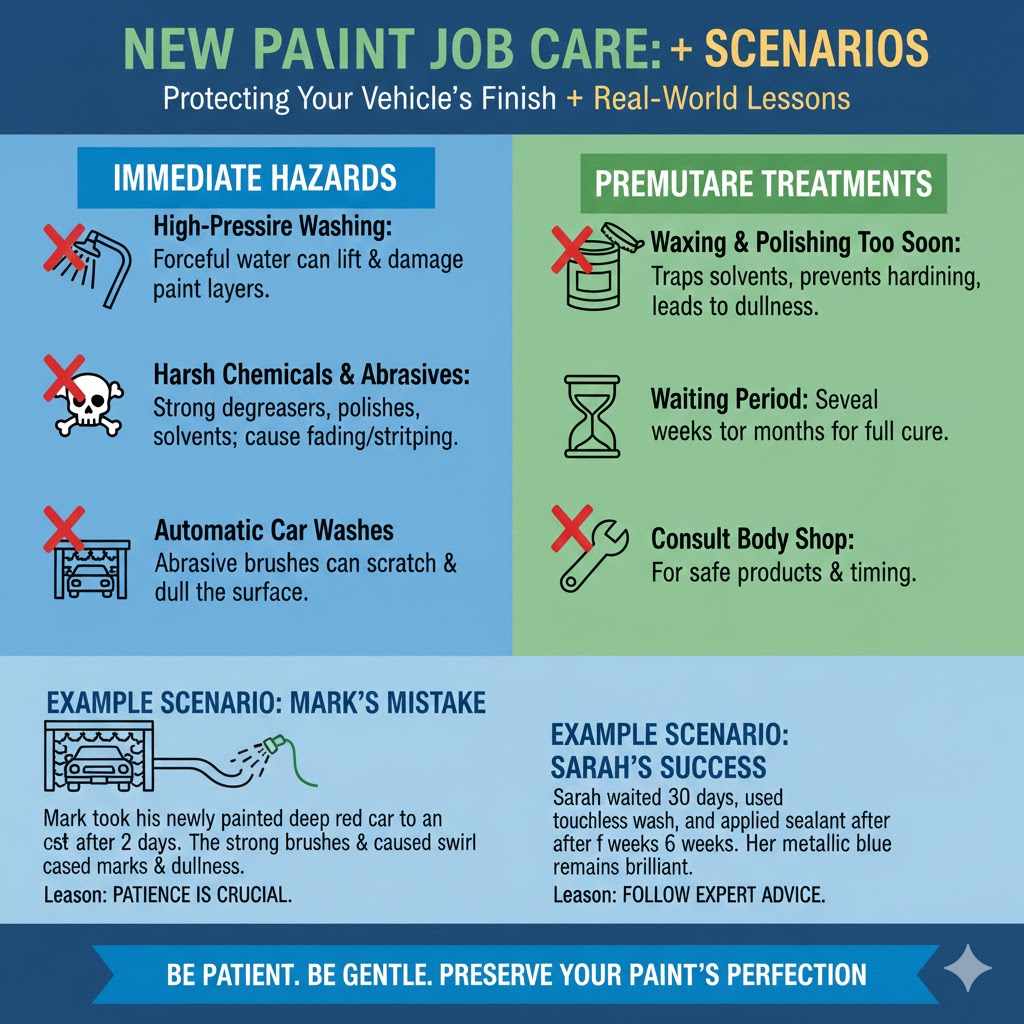
Using a high-pressure washer too soon is a common mistake. The forceful stream of water can actually lift or damage the paint layers before they are fully bonded. This is true even for self-serve car washes where you control the wand.
Harsh chemicals found in some aggressive cleaning products are also a no-go. These include strong degreasers, abrasive polishes, or solvents not specifically designed for new automotive paint. They can strip away the clear coat or cause the paint to fade.
Even automatic car washes with abrasive brushes should be avoided. The physical contact can easily scratch or dull the surface of your new paint. Always opt for the gentlest methods possible during the initial curing period.
Waxing and Polishing Too Soon
Waxing and polishing are great for making paint shine, but they need to be done at the right time. Applying wax or polish to a new paint job before it has fully cured can trap solvents within the paint. This can prevent proper hardening and lead to a dull finish.
Many automotive paints require a waiting period of several weeks to months before they can be waxed or sealed. This is because these products can interfere with the final stages of the paint curing process.
If you’re unsure, it’s always better to wait. Your auto body shop can advise you on when it’s safe to apply aftermarket protection products. They might even recommend specific brands or types of waxes that are safe for new paint.
Example Scenario: The Eager Car Owner
Mark just had his classic car repainted a beautiful deep red. He was so excited to show it off and couldn’t wait to take it through his favorite automatic car wash just two days after picking it up. The brushes and strong detergents left fine swirl marks all over the new paint.
He also noticed the finish didn’t seem as glossy as he expected. His paint shop later explained that the paint was still soft and the brushes had micro-scratched it, and the chemicals may have dulled the fresh clear coat. Mark learned a valuable lesson about patience and the importance of waiting.
Example Scenario: The Cautious New Owner
Sarah got a new family SUV with a stunning metallic blue finish. She remembered hearing about new paint jobs being sensitive. So, instead of rushing to a car wash, she followed her painter’s advice.
For the first month, she only rinsed her car with plain water from a garden hose if it got dusty. After 30 days, she took it to a touchless car wash. The paint came out looking just as brilliant as when she picked it up.
She then waited another two weeks before applying a high-quality sealant, and her car has looked amazing ever since. Sarah’s patience paid off with a long-lasting beautiful finish.
Frequently Asked Questions
Question: How long should I wait to wash my car after a spray can paint job?
Answer: Paint from a spray can often cures faster than professional automotive paint. However, it’s still best to wait at least 24-48 hours for it to be dry to the touch. For a more thorough cure, wait at least a week and use very gentle washing methods, avoiding pressure.
Question: Can I use a microfiber towel to wipe off dust from a new paint job?
Answer: Yes, if it’s just light dust, you can carefully use a clean, soft microfiber towel. Fold the towel and use gentle, sweeping motions. Ensure the towel is free of any grit that could scratch the paint.
Question: What if it rains on my new paint job before it’s cured?
Answer: If it’s light rain, it’s usually okay. However, try to avoid letting the car sit in heavy rain for extended periods. If possible, park it in a garage or under cover.
If there are bird droppings or leaves after the rain, gently rinse or wipe them off.
Question: My painter said I can wash it after 7 days. Is that okay?
Answer: If your professional painter gives you a specific timeline, it’s best to follow their advice. They know the exact products and methods used. Seven days might be sufficient for certain paint types and application methods.
Question: Can I apply ceramic coating right after painting?
Answer: Most ceramic coating manufacturers and paint shops recommend waiting a significant period, often 60-90 days, before applying a ceramic coating. This allows the paint to fully cure and off-gas, ensuring proper bonding of the coating.
Summary
Knowing how long after a paint job before a car wash is key to protecting your car’s new look. Generally, wait about 30 days for a full cure and wash. Always ask your painter for specific advice.
During the waiting time, protect your car from the elements and gently remove any dirt. Avoid high pressure, harsh chemicals, and early waxing. Patience now means a beautiful, lasting finish for your car.