Car Fan Still Running After Engine Turned Off: Normal or Problem? (2026)
A car fan still running after the engine shuts off is usually normal — it’s after-run cooling, and it should stop within 2–10 minutes. If it runs past 15 minutes, cycles on and off while parked, or won’t shut off at all, suspect a stuck fan relay first: pull it from the fuse box, and if the fan stops immediately, replace it (~$10–$20).
Is It Normal for the Car Fan to Keep Running After Shutdown?
Yes — in most modern vehicles, the cooling fan running after you turn off the engine is completely intentional. Engineers call this after-run cooling or post-shutdown cooling. Here’s why it happens:
When the engine is running, coolant constantly circulates to carry heat away from the engine block. The moment you turn the key off, coolant stops circulating. Residual heat — called heat soak — then builds up in the engine bay. If nothing dissipates that heat, it can damage turbochargers, warp plastic intake components, degrade seals, and stress electronics near the engine.
The electric cooling fan kicks on (or stays on) to pull air through the radiator and bleed off that residual heat. This is especially common after:
- Long highway drives or towing
- Stop-and-go city traffic in hot weather
- Turbocharged engines, which run hotter
- Running the AC heavily before shutdown
How Long Should the Fan Run After the Engine Is Turned Off?
Normal after-run cooling lasts 2–10 minutes, depending on how hot the engine was and the outside air temperature. A turbocharged engine on a hot summer day may run the fan for the full 10 minutes. A naturally aspirated engine after a short drive in mild weather may run it for only 1–2 minutes.
| Fan Run Time After Shutdown | What It Means | Action Needed |
|---|---|---|
| Under 10 minutes | Normal after-run cooling | None — this is by design |
| 10–15 minutes | Borderline — engine may have run hot | Monitor coolant temp; check coolant level |
| 15–30 minutes | Likely a fault (relay, sensor) | Inspect fan relay and coolant temp sensor |
| Won’t stop / all night | Definite fault — fan relay stuck closed | Pull relay from fuse box; replace immediately |
Introduction To Car Fan Issues
The car fan may continue running for various reasons beyond normal after-run cooling. Understanding these issues helps in managing your vehicle better.
Common fault causes include:
- Faulty temperature sensor: Sends incorrect readings, keeping the fan on longer than needed.
- Stuck relay switch: A relay that doesn’t open keeps the fan running indefinitely.
- Engine overheating: The fan runs longer because the engine genuinely needs more cooling.
- Wiring issues: Damaged or shorted wires can create a continuous circuit to the fan.
- Low coolant: Without enough coolant, the engine runs hotter and the fan compensates.
Continuous abnormal running can drain the battery overnight and cause increased wear on the fan motor. Timely inspection and repairs are important.
The Role Of The Cooling Fan
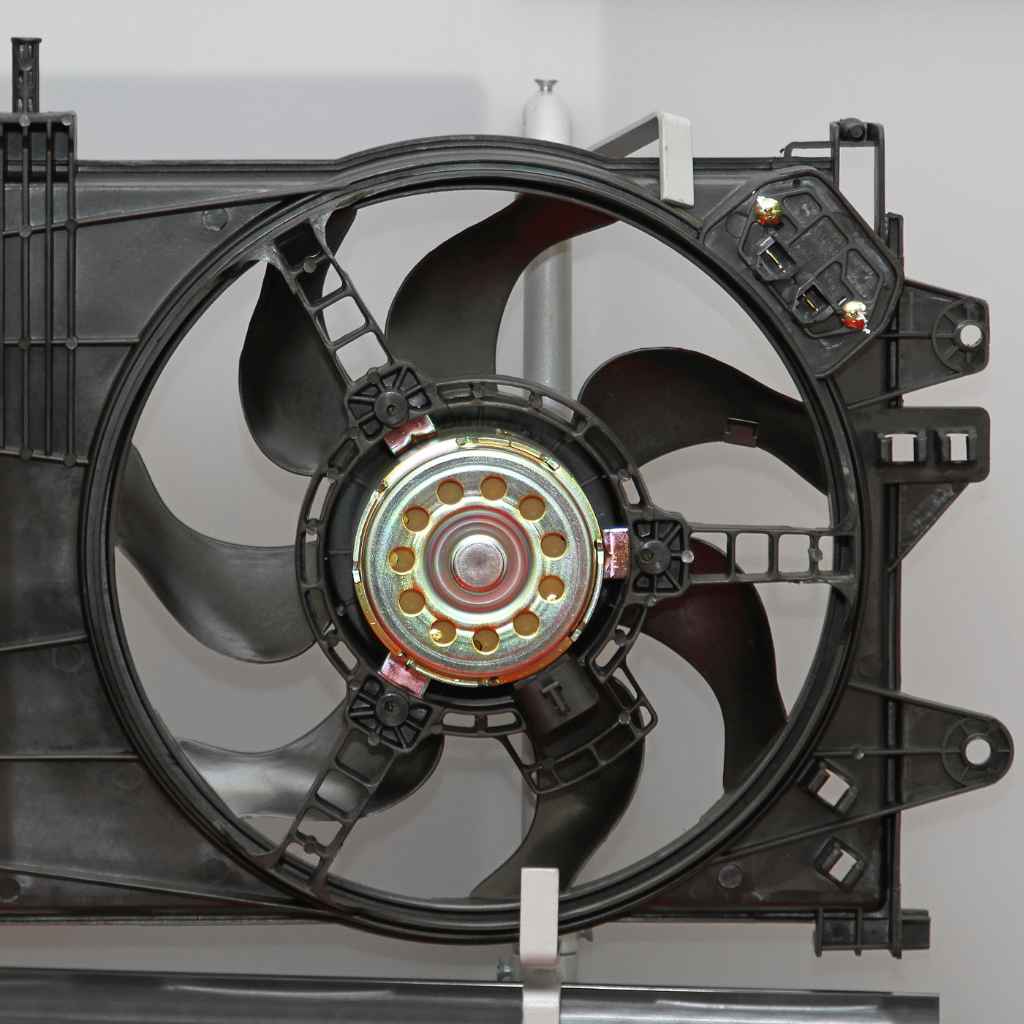
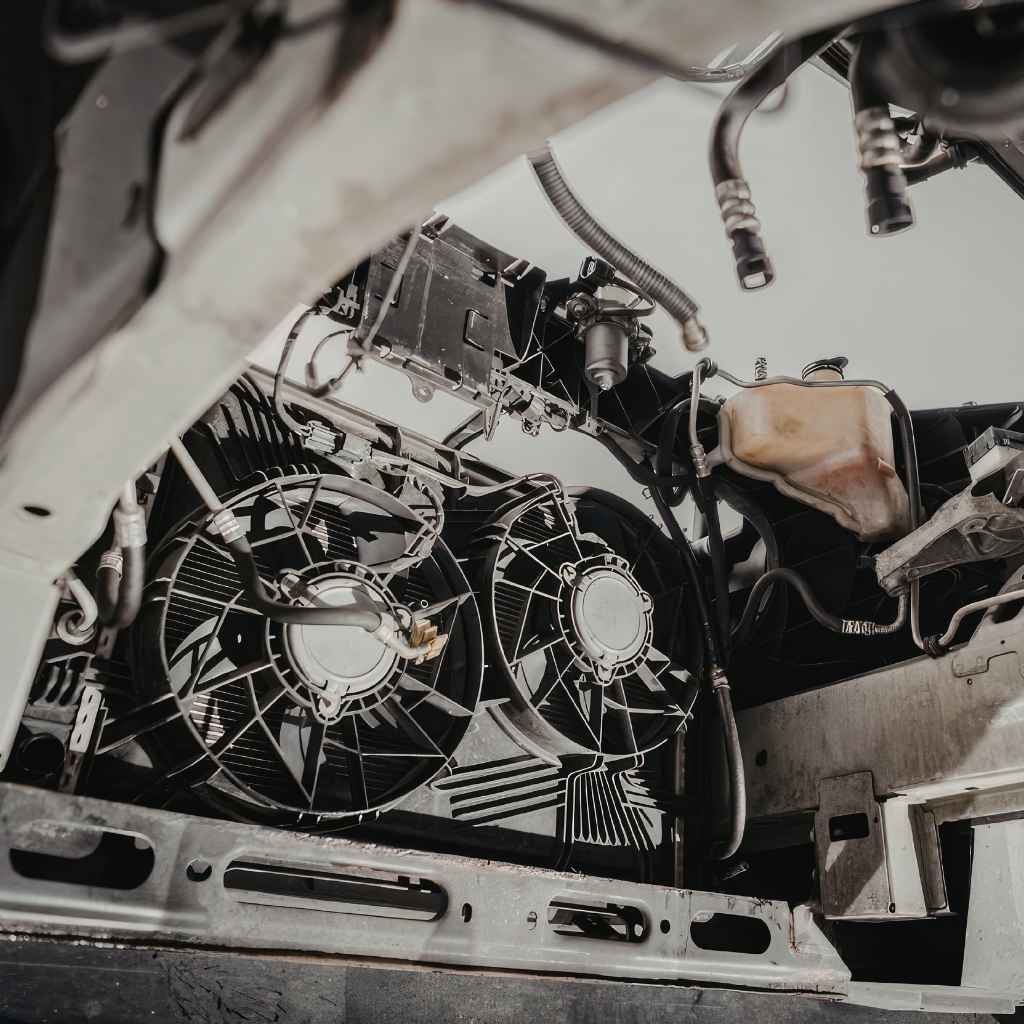
The cooling fan plays a vital role in your car’s cooling system. It helps regulate engine temperature by drawing air through the radiator when the vehicle is stationary or moving slowly (when ram air from driving isn’t sufficient). After turning off the car, the fan may still run to dissipate residual heat — this is normal and expected.
| Function | Importance |
|---|---|
| Draws air through radiator | Cools engine and radiator |
| Prevents overheating | Protects engine parts and seals |
| Runs after shutdown | Maintains safe temperature during heat soak |
| AC condenser cooling | Keeps refrigerant circuit from overheating |
Symptoms Of A Malfunctioning Fan
The fan runs continuously well beyond 10–15 minutes after the car is off. This can drain the battery overnight. It may indicate a faulty relay or temperature sensor. Unusual noises might also occur — buzzing, grinding, or clicking — suggesting mechanical issues with the fan itself. For a full breakdown of what every post-shutdown noise means (ticking, hissing, EVAP clicks), see our guide on car making noise after turned off.
In some cases, despite the fan running constantly, the engine still overheats. This usually points to a coolant leak or a bad thermostat rather than a fan problem. Ignoring these symptoms can lead to serious engine damage. Regular checks help identify issues early.
Diagnosing The Problem: Step-by-Step
Follow these steps in order — start with the cheapest and easiest checks first:
- Time how long the fan runs. If it stops within 10 minutes, it’s normal. If it’s still running after 15 minutes, proceed to the next steps.
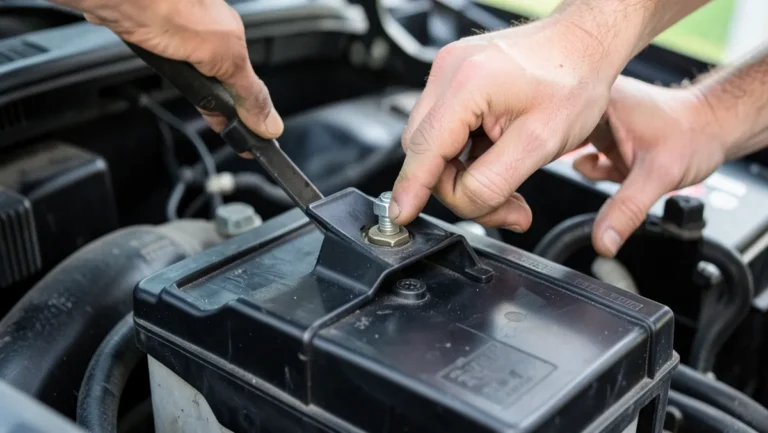
- Check the fan relay. Locate the cooling fan relay in your fuse/relay box (check your owner’s manual for the exact slot). Pull it out. If the fan stops immediately, the relay is stuck closed — replace it. Relays typically cost $10–$20.
- Inspect the coolant temperature sensor. A failed sensor sends a false “engine hot” signal to the fan control module, keeping the fan on. Use an OBD2 scanner to check for coolant temp sensor error codes (P0115–P0119 range).
- Check coolant level. A low coolant level means the engine runs hotter, requiring longer fan operation. Top up to the MIN/MAX marks on the overflow reservoir and monitor.
- Assess the fan’s electrical connections. Inspect wiring around the fan motor for chafing, corrosion, or damage. A short circuit can create a permanent path to the fan.
- Check for AC-related fan operation. The AC condenser fan is separate from the engine cooling fan on many vehicles. It can run after shutdown to cool the AC system — this is also normal for a few minutes.
Quick Fixes
Car fans that run excessively after shutdown most often stem from a faulty fan relay. Replacing this part is the first fix to try. Pull the cooling fan relay from the fuse box, take it to an auto parts store, and buy an exact match. Install takes under 5 minutes. If the fan stops when you remove the old relay, you’ve found your culprit.
Another possible issue is the coolant temperature sensor. If this sensor fails, it sends incorrect temperature readings to the ECU, which keeps the fan running. Most auto parts stores can test the sensor with a multimeter. Replacement sensors typically cost $20–$50 and take 30–60 minutes to install with basic tools.
Finally, loose or corroded connections can cause the fan to stay on. Inspect all wiring and connectors related to the fan for signs of heat damage, corrosion, or fraying. Cleaning terminals with electrical contact cleaner and ensuring tight connections can resolve the issue without any parts replacement.
When To Seek Professional Help
Car fans that keep running can signal complex electrical issues — faulty fan control modules, ECU problems, or wiring shorts — that go beyond a simple relay swap. If you’ve replaced the relay and sensor and the fan still won’t stop, it’s time for a diagnostic scan at a shop.
A cooling system overhaul may also be needed if the root cause is an engine that runs consistently hot. Overheating can result from a malfunctioning radiator, coolant leaks, or a stuck-open thermostat. A professional can pressure-test the cooling system and identify leaks quickly.
Preventive Measures
Regular maintenance checks are crucial for cooling system health. Inspect coolant levels in the radiator every month — low coolant is the leading cause of fans running longer than normal after shutdown.
Monitoring the engine temperature gauge while driving is equally important. If the gauge creeps toward the red zone, pull over safely and let the engine cool before investigating. Catching overheating early prevents expensive damage and reduces stress on the cooling fan.
Change coolant on the manufacturer’s schedule (typically every 30,000–50,000 miles or 5 years). Old, degraded coolant loses its ability to transfer heat efficiently, making the cooling system work harder — and leaving the fan running longer after each shutdown.
Frequently Asked Questions
Why Is My Car Fan Still On When The Engine Is Turned Off?
Your car fan may stay on after turning off the engine as part of normal after-run cooling — this is intentional and lasts 2–10 minutes. If it runs longer, a faulty temperature sensor or a stuck fan relay is the most common cause. Pull the cooling fan relay from the fuse box: if the fan stops, replace the relay. If it continues, scan for fault codes and inspect the coolant temp sensor.
Why Is My Car Making A Fan Noise When It’s Off?
A car may make a fan noise when off because the cooling fan or AC condenser fan is running its normal post-shutdown cooldown cycle. This is expected and typically lasts under 10 minutes. If the noise persists beyond 15 minutes, especially if accompanied by a battery drain, a stuck relay is the likely culprit. Consult a mechanic for a thorough inspection if basic checks don’t resolve it.
What Do You Do When Your Car Fan Won’t Turn Off?
First, pull the cooling fan relay from the fuse box — if the fan stops, replace the relay ($10–$20). If it still runs with the relay removed, the fan has a direct short circuit in its wiring and needs professional diagnosis. Also check for a blown fuse or a failed fan control module. As a temporary measure, disconnecting the battery will stop the fan, but address the root cause before driving again.
Why Is My Car Fan Running Non Stop?
A car fan running non-stop is most often caused by a stuck fan relay (contacts welded closed), a faulty coolant temperature sensor sending a permanent “engine hot” signal, or genuinely low coolant levels causing the engine to overheat. Check coolant first (easiest), then pull and replace the relay, then scan for coolant temp sensor error codes. Regular maintenance prevents most of these problems.
Conclusion
A car fan running after shutdown is most often normal — it’s after-run cooling doing its job. The key threshold is 10–15 minutes: under that, don’t worry. Over that, start with the fan relay (pull it from the fuse box) and work through the diagnostic steps above. Catching a stuck relay or failing coolant temp sensor early costs $10–$50 in parts versus hundreds in battery replacement or engine damage from ignoring a real overheating problem.
Products related to this article
Sponsored / affiliate links. As an Amazon Associate I earn from qualifying purchases. I may earn additional commission from eligible campaigns.