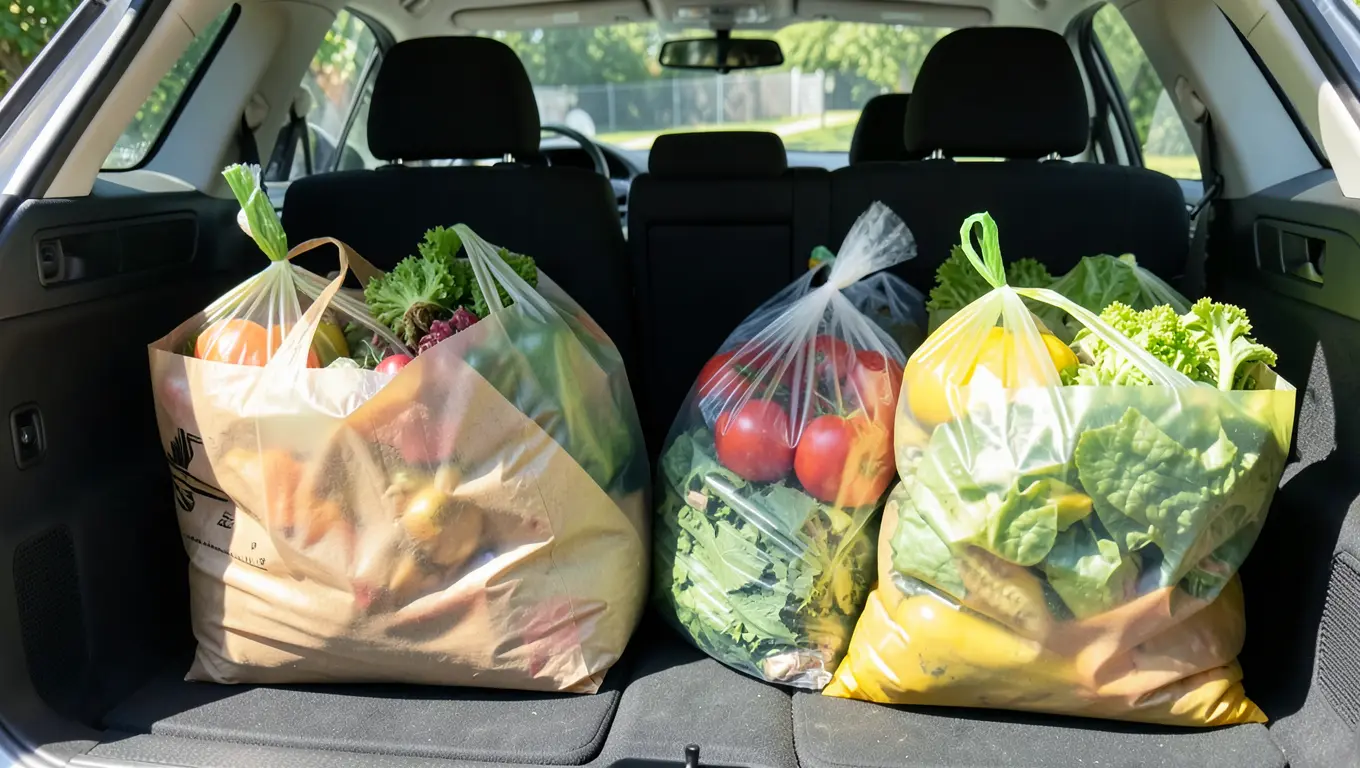
How Long Can Groceries Stay in the Car? USDA 2-Hour Rule
Perishable groceries are safe in a car for up to 2 hours, per USDA guidance – but only 1 hour if the temperature is above 90°F. That’s the “Danger Zone” rule: bacteria multiply fastest between 40°F and 140°F, doubling in as little as 20 minutes, and a parked car’s interior climbs into that range fast. Here’s exactly how the rule applies to hot weather, cold weather, and frozen food.
The USDA Rule: 2 Hours, or 1 Hour Above 90°F
The USDA defines the “Temperature Danger Zone” as 40°F to 140°F – the range where bacteria grow fastest, doubling in number in as little as 20 minutes. Their standard guidance is that perishable food shouldn’t sit in that zone for more than 2 hours total. If the ambient temperature is above 90°F (which a parked car in direct sun reaches quickly, even on a mild day), that window drops to just 1 hour.
| Condition | Safe Time Limit |
|---|---|
| Normal conditions (under 90°F) | 2 hours |
| Hot weather (above 90°F, or a car in direct sun) | 1 hour |
| Frozen food, kept sealed and insulated | Up to 2 hours before it starts to thaw |
| Cold weather (below 40°F outside) | Outside the Danger Zone – lower spoilage risk, but freezing can still damage some items |
This 2-hour (or 1-hour) window applies specifically to perishables – meat, dairy, eggs, and cut produce. It’s not a guarantee that food is fine right up to the deadline and instantly unsafe a minute later; it’s the point past which the USDA considers the risk of harmful bacterial growth high enough that discarding the food is the safer call.
Cold Weather Isn’t a Free Pass
When it’s cold outside, your car’s interior stays below the 40°F-140°F Danger Zone, which genuinely does lower the bacterial-growth risk compared to a hot car. But cold weather introduces its own problem: temperatures below freezing can damage food that isn’t meant to freeze. Canned goods can burst if the liquid inside expands. Dairy products like milk and yogurt can separate and change texture once thawed. Fresh produce like lettuce and tomatoes can turn mushy and inedible after freezing. Cold weather buys you more time on bacterial safety, but it doesn’t mean an unlimited window.
Signs Groceries Have Spoiled
- Smell – meat should not smell sour, milk turns sour when spoiled, and fruit can develop a fermented smell.
- Texture – soft or mushy vegetables, or slimy meat, are signs of bacterial growth.
- Appearance – mold, discoloration (green spots on bread, brown spots on fruit), or leafy greens turning yellow are all red flags.
When in doubt, the USDA’s own guidance is simple: if you’re unsure whether food spent too long in the Danger Zone, throw it out rather than risk foodborne illness. Seal spoiled items in a bag before disposing of them to avoid odors and pests, and clean the area of your car they were in.
How to Extend Your Safe Window
- Shop groceries last. Make the grocery store your final stop so food spends the least time in transit.
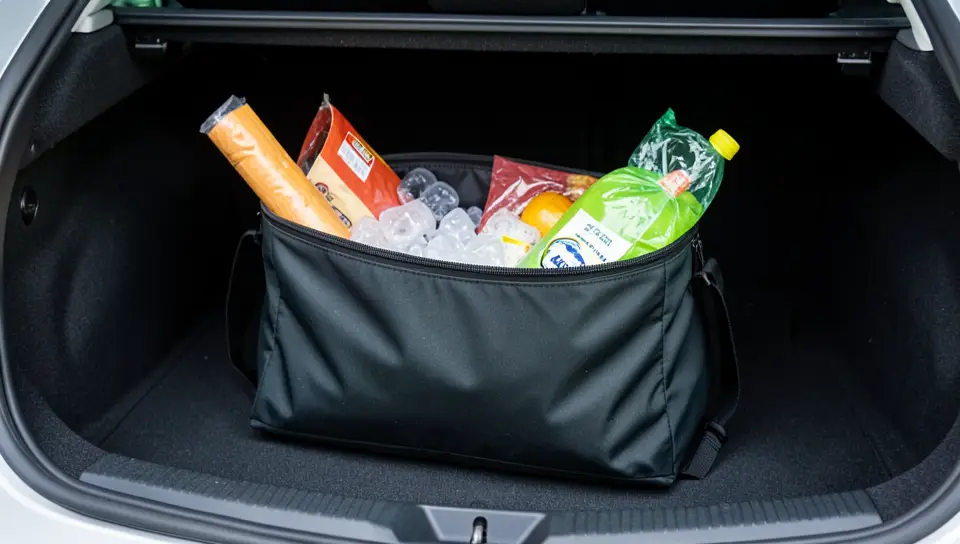
- Use an insulated cooler bag with ice packs. This is the single biggest lever you have – a properly packed cooler can keep perishables safely below 40°F for several hours, well past the unassisted limit.
- Group cold items together in your cart and bags so they insulate each other, and bag frozen items last.
- Park in shade if you have to make another stop, and crack a window if it’s safe to do so – a car in direct sun can be 20-30°F hotter inside than the outside air.
- Go straight home. Skip errands after grocery shopping, and put perishables away first once you’re home.
Frequently Asked Questions
How Long Can Groceries Sit in a Car?
Perishable groceries are safe for up to 2 hours per USDA guidance, or just 1 hour if the temperature is above 90°F. This is because bacteria grow fastest between 40°F and 140°F, the USDA’s “Danger Zone.”
Is It Safe to Leave Food in a Car for 3 Hours?
Not by USDA guidance for perishable food – 3 hours exceeds both the standard 2-hour limit and the 1-hour limit in hot weather. Non-perishable, shelf-stable items are less affected, but extreme heat can still damage packaging or canned goods over that time.
Does Cold Weather Let Groceries Stay in the Car Longer?
Cold weather keeps your car below the Danger Zone, which does lower bacterial-growth risk versus hot weather. But freezing temperatures can damage certain items – canned goods can burst, and dairy or fresh produce can turn mushy once thawed – so it isn’t an unlimited safe window either.
Can You Leave Canned Food in the Car?
Leaving canned food in the car isn’t recommended for extended periods. Extreme heat or freezing cold can damage the can and compromise its seal, so treat canned goods the same as perishables when it comes to getting them inside promptly.
Conclusion
Follow the USDA’s rule: perishable groceries are safe in a car for 2 hours normally, or just 1 hour above 90°F. Cold weather lowers bacterial risk but introduces its own freezing damage, so it isn’t a free pass either. A cooler bag with ice packs and shopping for groceries last are the two easiest ways to buy yourself real margin against these limits.
Products related to this article
Sponsored / affiliate links. As an Amazon Associate I earn from qualifying purchases. I may earn additional commission from eligible campaigns.
 4G GPS Tracker Car Anti-Theft Long Battery Life 20000mAh Real Time GPS Tracking Device Magnet No Geographic Restriction Car Tracker with Alerts, Geo Fence, History Playback TK905C
 Tressify Portable Car Air Freshener, Usb Rechargeable Odor Eliminator, Compact Purifier For Home And Office, Whisper-Quiet Function