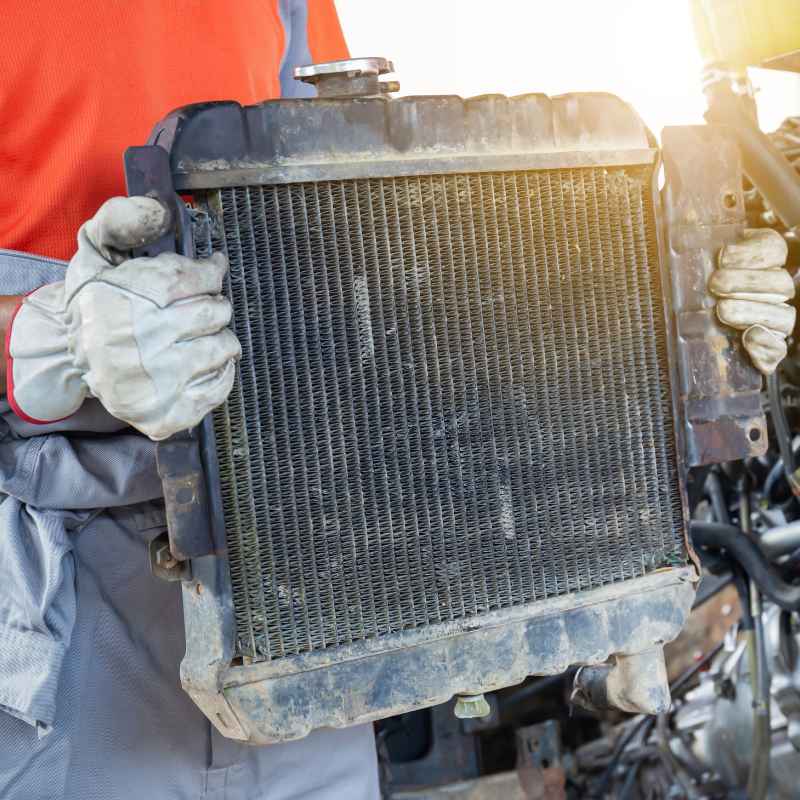
How Long Does A Car Radiator Last? (Signs It’S Failing)
A car radiator typically lasts between 5 to 10 years, or about 80,000 to 150,000 miles. However, its lifespan depends on maintenance, driving conditions, and material quality. Several signs can alert you to a failing radiator, even before it reaches its expected end-of-life.
What Exactly Is a Car Radiator?
Think of your car’s engine like a tiny, powerful furnace. It burns fuel to make your car go. This burning process creates a lot of heat.
Too much heat is bad. It can damage parts and stop your car from working. This is where the radiator steps in.
It’s like the engine’s personal air conditioner.
The radiator’s main job is to stop the engine from getting too hot. It does this by circulating coolant. Coolant is a special liquid.
It flows through the engine, picking up heat. Then, this hot coolant flows into the radiator. The radiator has many small tubes and fins.
Air passes through these fins as you drive. This airflow cools the hot coolant.
Once cooled, the coolant flows back into the engine. This cycle happens over and over. It keeps your engine at a safe, working temperature.
Most cars today have liquid-cooled engines. This means the radiator is a vital part of keeping your car running smoothly and safely. Without it, your engine would quickly overheat and suffer serious damage.
Why Do Radiators Wear Out Over Time?
Even the toughest parts wear down. Radiators are no different. Several things make them age and eventually fail.
The constant cycling of hot and cold fluids puts stress on the metal. Over time, this can cause tiny cracks or leaks to form. These leaks are the most common way a radiator fails.
Corrosion is another big enemy of radiators. The coolant itself can become corrosive if it’s old or the wrong type. This corrosion can eat away at the metal parts inside the radiator.
It can also clog up the small tubes. When the tubes get clogged, coolant can’t flow properly. This makes the radiator less effective at cooling.
Road debris is also a problem. Small rocks, bugs, and dirt can hit the radiator’s fins. This can bend or damage the fins.
Damaged fins reduce the radiator’s ability to let air flow through. Think of it like trying to breathe through a blocked nose. It’s harder to get enough air.
Extreme temperatures play a role too. Very hot summers or very cold winters can put extra strain on the cooling system. In cold weather, if the coolant freezes, it can expand and crack the radiator.
In hot weather, the system works harder, leading to more wear.
Radiator Lifespan Factors
Material: Radiators made of aluminum tend to last longer than older copper and brass ones. They also resist corrosion better.
Coolant Quality: Using the correct coolant and changing it on schedule is crucial. Old or bad coolant causes damage.
Driving Habits: Frequent stop-and-go traffic causes more stress than steady highway driving.
Climate: Extreme heat or cold can shorten a radiator’s life.
Maintenance: Regular checks and flushing of the cooling system prevent problems.
My Own Radiator Scare
I remember one summer, I was driving my old pickup truck back from a camping trip. It was a scorching July day. The sun beat down, and the asphalt shimmered.
I was about two hours from home, on a long, empty highway. Suddenly, my temperature gauge started creeping up. Not just a little bit, but way into the red zone.
My heart sank. I’d been pretty good about maintenance, or so I thought. I pulled over immediately.
Steam was starting to hiss from under the hood. It was a terrifying sound. I popped the hood, and a cloud of hot, sweet-smelling steam billowed out.
I could see a dark, wet patch on the ground spreading under the front of the truck.
It was a leak. A pretty bad one. The radiator had sprung a leak right on the highway.
I had to call for a tow. It cost me a pretty penny and a lot of lost time. That day taught me how important it is to watch for early signs.
My truck ended up needing a new radiator. It made me realize that these parts don’t last forever, and ignoring small problems can lead to big, expensive ones.
Signs Your Radiator Is Giving You Trouble
Your car often gives you clues before something breaks. The radiator is no different. Paying attention to these signs can save you from a breakdown and costly repairs.
It’s like your car whispering, “Hey, something’s not right here.”
One of the most obvious signs is seeing your car’s temperature gauge climb higher than normal. If it’s usually sitting at the halfway mark and suddenly jumps towards H (hot), that’s a big red flag. This means the cooling system isn’t doing its job effectively.
You might also notice steam coming from under your hood. This is usually a sign of a leak. The coolant is getting so hot it’s boiling and escaping.
Another strong sign is a sweet, syrupy smell. This is the smell of coolant leaking out. It often has a distinct fruity odor.
Visually inspecting your radiator is also a good idea. Look for any signs of rust or corrosion. Check for damp spots or puddles under your car, especially after it’s been parked for a while.
These puddles are often coolant leaks. You can even look at the radiator itself for any visible cracks or damage to the fins.
Common Radiator Warning Signs
- Temperature Gauge High: The needle moves into the red zone.
- Steam Under Hood: Hissing sounds and visible steam.
- Sweet Smell: A distinct fruity odor from leaking coolant.
- Puddles Under Car: Especially bright green, pink, or orange fluid.
- Rust or Corrosion: Visible signs on the radiator or hoses.
- Coolant Leaks: Dripping coolant from the radiator or hoses.
- Engine Performance Issues: Overheating can cause rough running.
The Nitty-Gritty of Radiator Problems
Let’s break down some of the specific issues that happen. Knowing these can help you understand what a mechanic might be talking about.
Coolant Leaks
This is the most common problem. Leaks can happen in a few places. The radiator itself can develop tiny cracks.
The hoses that connect to the radiator can get old and crack too. Even the cap on the radiator can fail, causing leaks.
When coolant leaks, there isn’t enough to keep the engine cool. This leads to overheating. The color of the leaked fluid is usually a clue to the type of coolant used.
It’s important to catch these leaks early. A small leak can quickly become a big one.
Clogged Radiator Tubes
Inside the radiator are many small tubes. Coolant flows through these tubes. Over time, rust and debris from the engine can build up.
This build-up clogs the tubes. When tubes are clogged, coolant can’t flow freely.
This blockage means less heat can be removed from the coolant. The engine then starts to overheat. Flushing the cooling system regularly helps prevent this.
It removes old coolant and any sediment that has built up.
Corrosion
Metal and water don’t always get along. Over years, the metal parts of the radiator can corrode. This is especially true if the coolant is old or if you’ve used the wrong type.
Corrosion eats away at the metal. It can create pinhole leaks.
Sometimes, corrosion can create blockages. It’s like rust flakes breaking off and floating in the coolant. These flakes can then get stuck in the radiator tubes.
Using the right coolant and changing it at recommended intervals helps fight corrosion.
Damaged Fins
The radiator has many thin metal fins attached to the tubes. These fins increase the surface area. This helps more air pass over the radiator to cool the liquid.
Things like gravel, road debris, or even automatic car washes can bend these fins.
If many fins are bent or damaged, it restricts airflow. Less airflow means less cooling. You might not see a leak with this problem.
Instead, the engine will slowly start to run hotter, especially on warm days or when climbing hills.
Radiator Component Check
Radiator Core: This is the main part with fins and tubes. Check for leaks, corrosion, and bent fins.
Hoses: Upper and lower radiator hoses carry coolant. Feel them for hardness, cracks, or softness.
Radiator Cap: It holds pressure in the system. A bad cap can cause overheating.
Thermostat: This part controls coolant flow. If it fails, it can cause overheating too.
Water Pump: It circulates the coolant. A failing pump means no coolant flow.
Real-World Scenarios: When Radiators Fail
It’s not just about age. Certain situations put extra stress on a radiator, making it fail sooner. Let’s look at some common ones.
The Stop-and-Go Traffic Nightmare
Imagine driving in a big city. You’re stuck in traffic. You crawl forward a few feet, then stop.
Repeat. This happens a lot. When your car is moving slowly or stopped, there’s not much natural airflow rushing through the radiator.
Cars have fans to help pull air through when you’re not moving fast enough. But these fans can fail. Also, constant stopping and starting is hard on the engine and the whole cooling system.
It makes the radiator work harder and longer under less-than-ideal conditions.
The Mountain Climb Challenge
Heading up a steep mountain road? Your engine is working overtime. It’s burning more fuel and generating a lot of heat.
The cooling system has to be at its absolute best to keep up.
If your radiator is already old, a bit clogged, or has damaged fins, it might not be able to handle this extra load. You’ll see that temperature gauge start to climb fast. This is a severe test for any cooling system.
The Extreme Weather Test
Living somewhere with very hot summers or very cold winters puts the radiator through a lot. In intense heat, the coolant is always trying to cool down, but the outside air is also very hot. This makes the radiator’s job much harder.
In freezing cold, if the coolant mixture isn’t right, it can freeze. Ice expands. This expansion can crack the radiator.
Even if it doesn’t freeze, the whole system is under more stress when it’s super cold.
Driving Scenarios & Radiator Stress
- Heavy Traffic: Reduced airflow, fans work harder.
- Towing/Hauling: Engine works harder, generates more heat.
- Mountain Driving: Engine strain, increased heat output.
- Extreme Heat: Less effective cooling in hot ambient air.
- Extreme Cold: Risk of freezing if coolant is not protected.
What This Means for You: When Is It Okay?
Not every little temperature fluctuation means your radiator is about to die. It’s important to know what’s normal and what’s not.
Normal Temperature Behavior
Your car’s temperature gauge should stay pretty steady. Usually, it’s somewhere in the middle of the gauge. It might move up a tiny bit when you’re going uphill or stuck in traffic.
Then, it should settle back down once you’re cruising on the highway again.
A slight rise in temperature when the engine is working hard is normal. The cooling system is designed to handle this. The fan will kick in to help cool things down.
If it returns to its normal spot quickly, there’s likely no major issue.
When to Start Worrying
You should worry if the temperature gauge starts climbing into the red zone and stays there. Or if it creeps up much higher than it ever has before. Another big worry sign is if you see steam or smell coolant.
If you notice any puddles of fluid under your car, especially colored fluid, that’s a sign of a leak. Persistent issues where the temperature keeps rising, even after you’ve pulled over to let it cool, are serious. Don’t ignore these signs.
Simple Checks You Can Do
You don’t need to be a mechanic to do a few simple checks. Before a long trip, or if you’re concerned, pop your hood. Look at the coolant level in the overflow tank.
It should be between the MIN and MAX lines. Check the radiator hoses. Squeeze them gently.
They should feel firm, not brittle or mushy.
Look at the radiator itself. See any obvious rust spots or leaks? Is it covered in bugs or debris that might block airflow?
These quick checks can catch small problems before they become big ones. If you see anything unusual, it’s best to get it checked by a professional.
Your Radiator Health Checklist
- Gauge Reading: Does it stay in the normal range?
- Steam/Smell: Any unusual smells or steam?
- Fluid Levels: Is the coolant at the right level?
- Hose Condition: Are hoses firm and free of cracks?
- Visible Leaks: Any puddles under the car?
- Radiator Appearance: Any obvious damage or corrosion?
Extending Your Radiator’s Life: Simple Tips
While you can’t make a radiator last forever, you can definitely help it last longer. It’s all about regular care and attention. Think of it like taking care of your teeth; small efforts prevent big problems later.
Regular Coolant Flushes
This is probably the most important thing you can do. Coolant doesn’t last forever. Over time, it breaks down.
It loses its ability to fight corrosion and can become acidic. This acidic coolant can eat away at your radiator and other parts.
Your car’s manual will tell you when to flush the coolant. It’s usually every few years or a certain number of miles. A flush removes the old, used-up coolant.
It also helps clear out any rust or sediment that’s built up. Then, fresh, new coolant goes in. This keeps your system protected.
Using the Right Coolant
Not all coolants are the same. There are different types for different cars. Using the wrong coolant can cause damage.
It might not protect against freezing or boiling correctly. It can also cause corrosion in your specific cooling system.
Always check your car’s owner’s manual. It will tell you exactly what type of coolant you need. It’s usually a specific color (like green, orange, or pink) and has certain additives.
If you’re unsure, ask a trusted mechanic. It’s worth the small extra cost to get it right.
Keep the Radiator Clean
Remember those fins we talked about? They need to be clear to work well. Bugs, leaves, and dirt can get stuck on the radiator’s exterior.
This blocks airflow. Periodically, especially after driving through dusty or bug-filled areas, give the radiator a gentle rinse.
You can usually do this with a garden hose. Just be careful not to use high pressure. You don’t want to bend those delicate fins.
A gentle spray from the engine side outward is often best. This helps push debris away from the fins.
Inspect Hoses and Clamps
The radiator doesn’t work alone. It’s connected by hoses. These rubber hoses can get old, brittle, and crack.
They can also get soft and mushy. The clamps that hold them in place can loosen over time.
Regularly check the hoses. Squeeze them. Do they feel okay?
Look for any visible cracks or bulges. Make sure the clamps are snug. A loose clamp or a cracked hose can lead to a sudden, major coolant leak.
Replacing worn hoses is a cheap fix compared to engine damage.
Proactive Radiator Care
- Schedule Coolant Flushes: Follow your car’s maintenance guide.
- Use Approved Coolant: Always use the type specified in your manual.
- Clean Radiator Fins: Gently rinse away debris periodically.
- Check Hoses & Clamps: Inspect for wear and tightness.
- Monitor Temperature Gauge: Be aware of normal readings.
- Address Leaks Immediately: Don’t let small leaks become big problems.
Frequently Asked Questions About Radiator Lifespan
How often should I check my radiator coolant level?
It’s a good habit to check your coolant level at least once a month. You can also check it before long road trips. Make sure the engine has cooled down completely before opening the radiator cap or checking the overflow tank.
Can I drive my car if the radiator is leaking slightly?
Driving with a leaking radiator is risky. Even a small leak can quickly turn into a major problem. If you notice a leak, it’s best to get it checked and fixed as soon as possible.
Continuing to drive could lead to severe engine damage from overheating.
What happens if my car overheats?
If your car overheats, pull over to a safe location immediately. Turn off the engine. Do NOT open the radiator cap while the engine is hot.
Let it cool down completely. Overheating can cause serious damage, including warped cylinder heads or a blown head gasket.
How do I know if my radiator needs replacing, not just repairing?
If the radiator has widespread corrosion, multiple leaks, or significant damage to the core, replacement is usually the best option. Minor leaks or damage to just one section might be repairable, but it’s often a temporary fix. A mechanic can best advise.
What’s the difference between a radiator and a condenser?
The radiator is part of the engine’s cooling system. It cools the engine coolant. The condenser is part of the air conditioning system.
It cools the refrigerant to make your car’s cabin cold. They look similar but have different jobs.
Why does my car only overheat sometimes?
This can happen if the problem is intermittent. For example, a thermostat that sticks closed sometimes, or a fan that only works when it wants to. It could also be that the system can handle normal driving, but struggles when the engine works harder, like going uphill or in hot weather.
Keeping Your Cool: Final Thoughts
Understanding how long a car radiator lasts is key to good car care. It’s a part that works hard behind the scenes. Knowing the signs of trouble can save you a lot of headaches.
Regular maintenance, like coolant flushes and checks, is your best defense.
By paying attention to your car and performing simple checks, you can help your radiator serve you well for many years and miles. It’s all about being proactive. This way, you avoid those unexpected breakdowns and keep your engine running smoothly and safely.
Products related to this article
Sponsored / affiliate links. As an Amazon Associate I earn from qualifying purchases. I may earn additional commission from eligible campaigns.