Does a Car Wrap Protect Paint? Here’s What It Shields
A car wrap does protect the paint underneath — its vinyl layer blocks UV rays, absorbs minor rock chips, and shields against chemical stains, but only when it’s quality cast vinyl installed correctly. A wrap covers existing damage instead of fixing it, so any chips or clear-coat wear present before wrapping stay hidden, not healed. This guide covers exactly what a wrap protects against, how it compares to paint protection film (PPF), and how to care for one.
Quick Answer
Yes — a quality car wrap protects factory paint by blocking UV rays, absorbing minor rock chips and scratches, and resisting chemical stains like bird droppings and tree sap. Premium cast-vinyl wraps (3M, Avery Dennison) carry up to an 8-year warranty on vertical panels, though a wrap only shields paint going forward — it won’t repair damage that existed before installation, and it isn’t as impact-resistant as PPF.
What Exactly Is a Car Wrap?
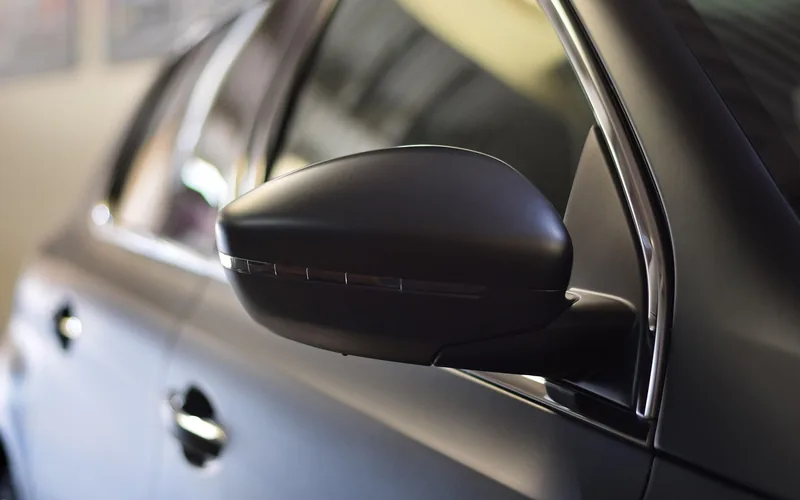
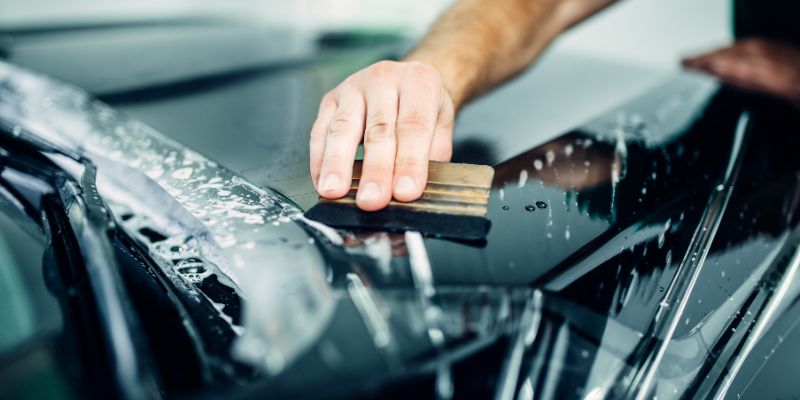
A car wrap is a thin, adhesive vinyl film — typically 2 to 4 mils thick — applied over your car’s factory paint instead of a new paint job. It comes in glossy, matte, metallic, satin, or custom-printed finishes — like this glossy green wrap example — and unlike paint, it’s fully removable. I remember the first time I saw a matte black wrapped car; it looked so sleek I couldn’t stop staring.
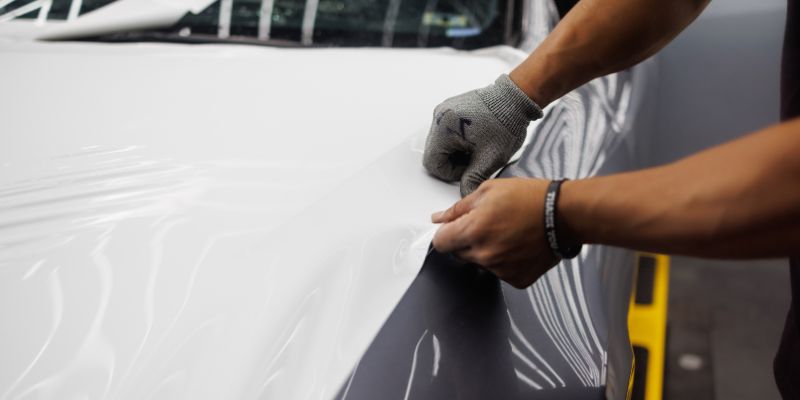
Car wraps are applied by professionals who carefully stretch and smooth the vinyl over your car’s surface. The process takes a few days, depending on the vehicle’s size and complexity. Unlike paint, wraps are removable, which is a huge plus if you want to change your car’s look or sell it later. But the real question is whether this vinyl layer does anything to protect your car’s factory paint. Let’s find out.
How Car Wraps Protect Your Car’s Paint
I’ll be honest—when I first heard about car wraps, I thought they were just for show. But after digging deeper, I realized they’re like a superhero shield for your car’s paint. Here’s how they work their magic:
Protection from UV Rays
The sun is brutal on car paint. I live in a sunny part of the USA, and I’ve seen how quickly paint can fade without protection. Car wraps act like sunscreen for your vehicle. The vinyl blocks harmful UV rays, which prevents your paint from oxidizing and losing its shine. I’ve noticed that my wrapped car still looks vibrant, even after months of parking in the sun.
“I’ve driven through dusty backroads, parked under trees, and even survived a minor fender bender with just a scuff on the wrap. Knowing my paint is safe gives me peace of mind.”
Shielding Against Scratches and Swirls
If you’ve ever run your hand over your car and felt tiny scratches, you know how frustrating they are. Car wraps take the hit for your paint. The vinyl absorbs minor scratches and swirl marks from car washes or brushes. I’ve accidentally brushed against my car with a backpack, and the wrap saved the day—no damage to the paint underneath.
Defense Against Road Debris
Driving on highways can feel like a war zone for your car’s paint. Rocks, gravel, and bugs love to chip away at your finish. A car wrap acts as a barrier, soaking up the impact of small debris. I’ve driven through some rough roads, and my wrap has tiny nicks, but the paint beneath is untouched. It’s like armor for your car.
Protection from Chemicals and Stains
Spilled gas, bird droppings, and tree sap are a car’s worst enemies. These substances can eat into your paint if left too long. Vinyl wraps are resistant to most chemicals, making it easier to clean off messes. I once had a bird leave a “gift” on my hood, but a quick wipe with a cloth, and the wrap was good as new—no harm to the paint.
Weather Resistance
Rain, snow, and extreme temperatures can wear down paint over time. Car wraps are designed to withstand the elements. They don’t crack or peel in cold weather, and they hold up in scorching heat. I’ve parked my car outside through all seasons, and the wrap has kept the paint safe from weather damage.
Are All Car Wraps Equal in Paint Protection?
Not all car wraps are created equal, and I learned this the hard way. When I first got my car wrapped, I went with a cheaper option, and it didn’t last as long as I hoped. Here’s what you need to know about wrap quality:
- Material Quality: High-quality vinyl, like 3M or Avery Dennison, offers better protection. These brands use durable, UV-resistant vinyl that lasts up to 7 years. Cheaper wraps might fade or crack sooner, leaving your paint exposed.
- Thickness: Thicker wraps (around 3-4 mil) provide better protection against scratches and debris. Thinner wraps are less durable but easier to apply on curved surfaces.
- Finish Type: Glossy wraps are tougher and easier to clean, while matte or textured wraps might show wear faster. I went with a glossy wrap for my car because I wanted maximum protection and low maintenance.
- Installation Quality: A poorly installed wrap can bubble or peel, exposing your paint. Always choose a certified installer with good reviews. I found a local shop with a portfolio of flawless wraps, and it made all the difference.
Here’s a quick comparison table to help you understand the differences:
| Wrap Feature | High-Quality Wrap | Low-Quality Wrap |
|---|---|---|
| Material | Premium vinyl (3M, Avery Dennison) | Generic or thin vinyl |
| Durability | Up to 7 years | 1-3 years |
| UV Protection | Excellent | Moderate to poor |
| Scratch Resistance | High | Low |
| Installation | Requires skilled professional | Often DIY or poorly done |
Cast Vinyl vs. Calendared Vinyl: Which Protects Paint Better?
Cast vinyl is a premium film made from thin, individually cured layers that conform tightly to curves and hold UV-inhibitor additives rated for 5 to 8 years outdoors. Calendared vinyl is a cheaper film stretched through rollers into shape — stiffer, prone to shrinking back over time, and typically fading or cracking within 1 to 3 years in direct sun. If a wrap quote doesn’t specify cast vinyl by name, assume it’s calendared: fine for a short-term promo wrap, a weak long-term paint shield.
| Feature | Cast Vinyl | Calendared Vinyl |
|---|---|---|
| Typical lifespan | 5–8 years | 1–3 years |
| Conforms to curves | Excellent | Fair — may lift on compound curves |
| UV / fade resistance | High (built-in inhibitors) | Low to moderate |
| Best for | Full color change, long-term paint protection | Short-term promo wraps, flat panels |
| Common brands | 3M 2080, Avery Dennison SW900, KPMF | Generic / economy vinyl |
📊 3M’s own 2080 Series wrap film carries an MCS-backed warranty of up to 8 years on vertical body panels — but only up to 3 years on horizontal surfaces like hoods and roofs, where direct UV exposure is highest. — Source: 3M Wrap Film Series 2080, 3M.com
Car Wraps vs. Paint Protection Film (PPF): Which Is Better?
When I was researching paint protection, I came across paint protection film (PPF), and it got me thinking: Is a car wrap enough, or should I go with PPF? Both options protect paint, but they’re different beasts. Let me break it down for you.
What Is PPF?
PPF is a clear, thick polyurethane film designed specifically to protect paint. Unlike wraps, it’s not about changing your car’s look—it’s about keeping the original paint safe. PPF is thicker than vinyl wraps (usually 8 mil) and self-healing, meaning minor scratches disappear with heat. I saw a demo where a shop scratched PPF with a key, then used a heat gun, and the scratch vanished. It was like magic!
Car Wraps vs. PPF: Key Differences
- Purpose: Wraps are for aesthetics and protection; PPF is purely for protection. If you want a new color or design, a wrap is your go-to. If you just want to preserve your factory paint, PPF is better.
- Thickness: PPF is thicker and offers superior protection against rock chips and deep scratches. Wraps are thinner but still effective for minor damage.
- Cost: Wraps are generally cheaper ($2,000-$5,000 for a full car) than PPF ($4,000-$8,000). I chose a wrap because it fit my budget and gave me a cool new look.
- Appearance: PPF is nearly invisible, while wraps let you customize your car’s style. I love the bold look of my wrapped car, but some friends prefer the subtle protection of PPF.
- Durability: Both last 5-7 years with proper care, but PPF is tougher against heavy impacts. Wraps might need replacing sooner if you drive on rough roads often.
Can You Combine Them?
Yes, and I know people who do! You can apply PPF to high-impact areas (like the hood or bumper) and wrap the rest of the car for style. It’s the ultimate paint protection combo, but it’s pricey. I’m considering this for my next car to get the best of both worlds.
How to Care for a Wrapped Car to Maximize Paint Protection
A car wrap isn’t a “set it and forget it” deal. I learned that proper care keeps the wrap—and the paint underneath—in top shape. Here are my go-to tips:
- Wash Regularly: Dirt and grime can wear down the vinyl. I hand-wash my car every two weeks with a pH-neutral soap and a microfiber mitt. Avoid automatic car washes with harsh brushes.
- Avoid Harsh Chemicals: Don’t use gasoline or abrasive cleaners on your wrap. I stick to products designed for vinyl wraps to keep it safe.
- Park Smart: Whenever possible, park in the shade or a garage. It prolongs the wrap’s life and keeps your paint protected. I’ve made it a habit to hunt for shaded spots.
- Quick Spill Cleanup: Bird droppings or sap can damage vinyl if left too long. I keep a spray bottle of water and a microfiber cloth in my trunk for quick cleanups.
- Wax with Caution: Some wraps can handle vinyl-safe wax for extra shine, but check with your installer. I skipped waxing my matte wrap to avoid a glossy finish.
Should You Ceramic-Coat a Car Wrap?
A ceramic coating rated for vinyl adds a sacrificial layer on top of the wrap itself, extending fade resistance and making bird droppings, sap, and road grime wipe off easier. A professionally applied ceramic coating typically lasts two to four years before it needs reapplying, and it won’t void a reputable installer’s warranty as long as the product is labeled safe for vinyl or PPF — check with your installer before booking one, since some coatings can trap moisture under matte or satin finishes and dull the texture.
Best Wrap Care Pick
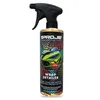
Proje Wrap Detailer — Quick Detailer for Vinyl Wraps & PPF
A rinseless quick detailer formulated specifically for gloss, satin, and matte vinyl wraps, graphics, and PPF — cleans light grime and adds a slick, UV-fighting layer between washes.
- Best for: quick between-wash cleanups on any wrap finish
- Why we picked it: purpose-built for wrapped and PPF-covered paint — not a generic all-surface spray
- Main drawback: not a substitute for a full pH-neutral hand wash every couple weeks
Compare more wrap-care options
 Option 1 Rev Auto Wrap Guard Cleaner & Protectant
|
 Option 2 Chemical Guys Mr. Pink pH-Balanced Wash Soap
|
 Option 3 Rag Company Chenille Microfiber Wash Mitt (2-Pack)
|
As an Amazon Associate we earn from qualifying purchases.
Does a Car Wrap Damage Paint When Removed?
This was a big concern for me before getting my car wrapped. Removal is where most paint-damage complaints actually come from — not the wrap itself. In short: a wrap properly installed and removed by a professional won’t damage healthy factory paint. For the full breakdown of exactly which conditions turn removal risky — old adhesive, poor prior repaints, DIY heat-gun mistakes — see our dedicated guide, Does Vinyl Wrap Ruin Car Paint? Here’s the short version of what I learned:
- Factory Paint Is Safe: Wraps stick to factory paint without issues. If your car has aftermarket paint or damaged clear coat, the adhesive might pull it off. My car’s factory paint is in good shape, so I’m not worried.
- Professional Removal: Removing a wrap is a job for pros. They use heat and special tools to peel it off without harming the paint. I watched a removal at my shop, and the paint looked perfect afterward.
- Age of the Wrap: Older wraps left on too long (10+ years) can be harder to remove, increasing the risk of adhesive residue. I plan to replace my wrap every 5-7 years to avoid this.
- Pre-Wrap Condition: If your paint has chips or scratches, a wrap won’t fix them—it’ll just cover them. Fix any damage before wrapping to ensure a smooth removal.
My Personal Experience with Car Wraps
I’ve had my car wrapped for over a year now, and I’m thrilled with how it’s held up. The glossy blue finish turns heads wherever I go, and I’ve gotten so many compliments. More importantly, the paint underneath is still flawless. I’ve driven through dusty backroads, parked under trees, and even survived a minor fender bender with just a scuff on the wrap. Knowing my paint is safe gives me peace of mind, and I love the flexibility of changing the look later if I want.
Conclusion
A quality car wrap does protect your paint — shielding it from UV fading, minor scratches, road debris, and chemical stains — but it’s not indestructible armor like PPF, and it can’t undo damage that’s already there. For most daily drivers, a properly installed cast-vinyl wrap strikes the right balance between protection and style.
If you’re considering one, choose a certified installer, insist on premium cast vinyl (3M, Avery Dennison, or KPMF), and follow the wash and care steps above. Do that, and the paint under your wrap should look as good the day you remove it as it did the day you covered it.
Frequently Asked Questions
Can a car wrap prevent paint fading?
Yes, absolutely! A car wrap blocks UV rays, which are the main culprit behind paint fading. I’ve noticed my car’s vibrant color stays intact thanks to the wrap.
How long does a car wrap protect paint?
A high-quality cast-vinyl wrap protects paint for roughly 5 to 7 years — up to 8 years on vertical panels under 3M’s own warranty, less on hoods and roofs that face direct sun. For a full breakdown of what shortens or extends that lifespan, see our complete guide: How Long Does a Car Wrap Last?
Is a car wrap better than waxing for paint protection?
Waxing helps, but a wrap offers far more protection against scratches, debris, and UV damage. I used to wax my car, but the wrap has been a game-changer.
Can I wrap a car with existing paint damage?
You can, but the wrap won’t fix chips or scratches—it’ll just cover them. I recommend repairing any damage before wrapping for the best results.
Does a car wrap protect against rock chips?
Yes, but only to an extent. Wraps handle small chips well, but for heavy-duty protection, PPF is better. My wrap has saved my paint from minor road debris.
How much does a car wrap cost for paint protection?
A full wrap typically costs $2,000-$5,000, depending on the car size and vinyl quality. I paid around $3,500 for mine, and it’s been worth every penny.
Is cast vinyl or calendared vinyl better for protecting paint?
Cast vinyl is the better long-term paint shield — thinner, more UV-resistant, and rated 5 to 8 years by brands like 3M and Avery Dennison. Calendared vinyl is cheaper but shrinks or fades within 1 to 3 years, so it suits a short-term color change better than serious paint protection.
Products related to this article
Sponsored / affiliate links. As an Amazon Associate I earn from qualifying purchases. I may earn additional commission from eligible campaigns.