How Long Does It Take to Change Oil in Car: Quick Guide
Have you ever found yourself wondering, “How long does it take to change the oil in a car?” You’re not alone.
Many drivers ask this question, especially when they’re pressed for time or planning a busy day. Understanding the time commitment can help you manage your schedule better and keep your car running smoothly. You might be surprised to learn that the time it takes can vary quite a bit, depending on a few key factors.
Stick around to discover what influences the duration of an oil change and how you can make the process quicker and more efficient. By the end of this article, you’ll be equipped with the knowledge to ensure your car gets the care it needs without throwing a wrench in your day.
Credit: www.familyhandyman.com
Importance Of Regular Oil Changes
Regular oil changes keep your car’s engine healthy. Fresh oil helps parts move smoothly. It reduces friction and prevents wear. Dirty oil can harm your engine. It clogs parts and reduces efficiency. This might cause engine failure.
Clean oil improves fuel efficiency. This saves you money over time. It also helps your car run quieter and smoother. Regular changes remove dirt and debris. This keeps your engine clean.
Skipping oil changes can void warranties. It is important for car maintenance. A small effort now can save big costs later. Keep your car in top shape with routine checks.
Factors Affecting Oil Change Time
Different vehicles need different times for an oil change. Smaller cars often take less time. Larger trucks or SUVs can take longer. Engine size matters too. Bigger engines need more oil. This can add time.
Manual oil changes can be slow. Automated systems are faster. Some people do it themselves. This can take longer if you are new. Professional services usually do it quicker. They have tools and experience.
Synthetic oil might take longer to change. It’s thicker and needs careful handling. Regular oil changes are often quicker. Amount of oil affects time too. More oil means more time to change.
DIY Oil Change Process
Start by gathering all the necessary tools. You need an oil filter wrench, a socket wrench, and a drain pan. Don’t forget the new oil filter and the right type of oil. Check your car’s manual for oil type. Make sure you have gloves to keep your hands clean. Have a funnel ready for pouring the new oil.
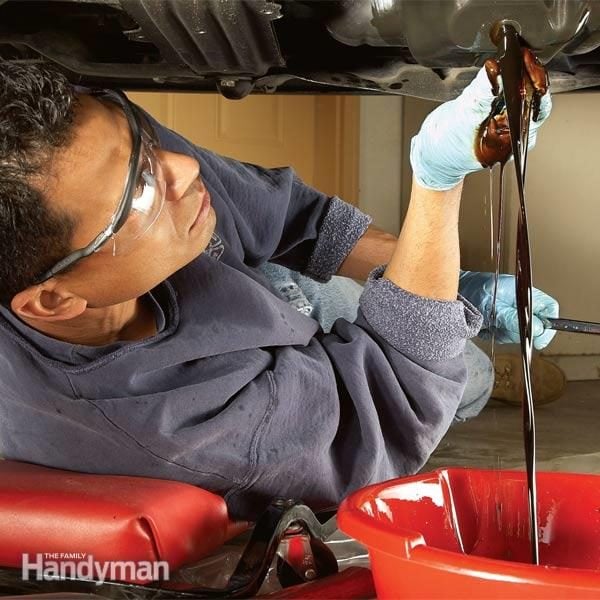
Locate the drain plug under your car. Place the drain pan beneath it. Use a socket wrench to unscrew the plug. Allow the old oil to flow into the pan. Be patient; let it drain completely. Once done, secure the drain plug back in place.
Find the oil filter. Use the oil filter wrench to remove it. Be careful, it might be slippery. Replace it with the new filter. Ensure it is tight but not overly tight. Double-check for any leaks.
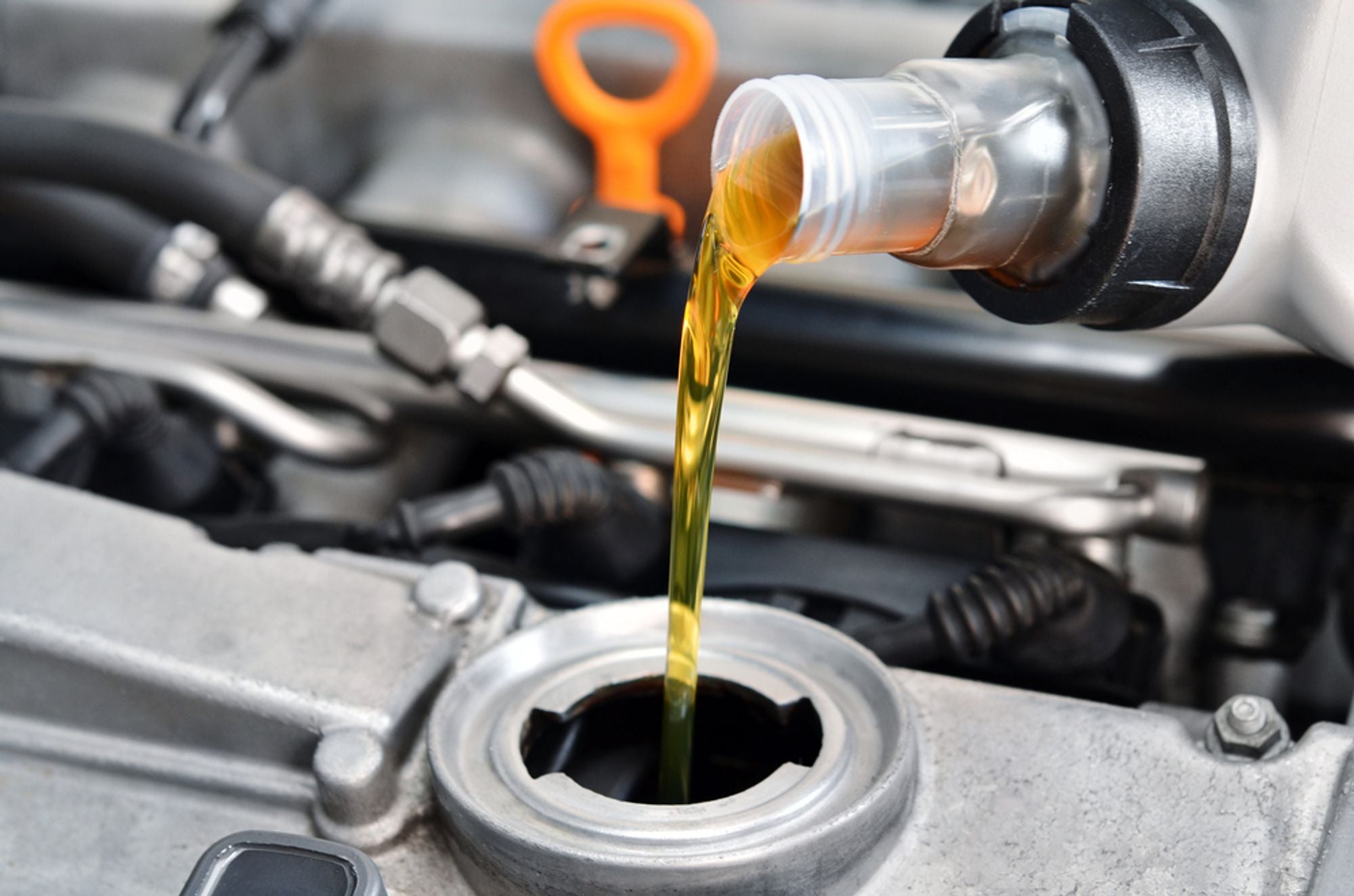
Open the hood and find the oil cap. Use a funnel to avoid spills. Pour the new oil slowly. Check the oil level with the dipstick. Make sure it’s at the right level. Close the oil cap securely.
Credit: www.kingstoyota.com
Professional Oil Change Services
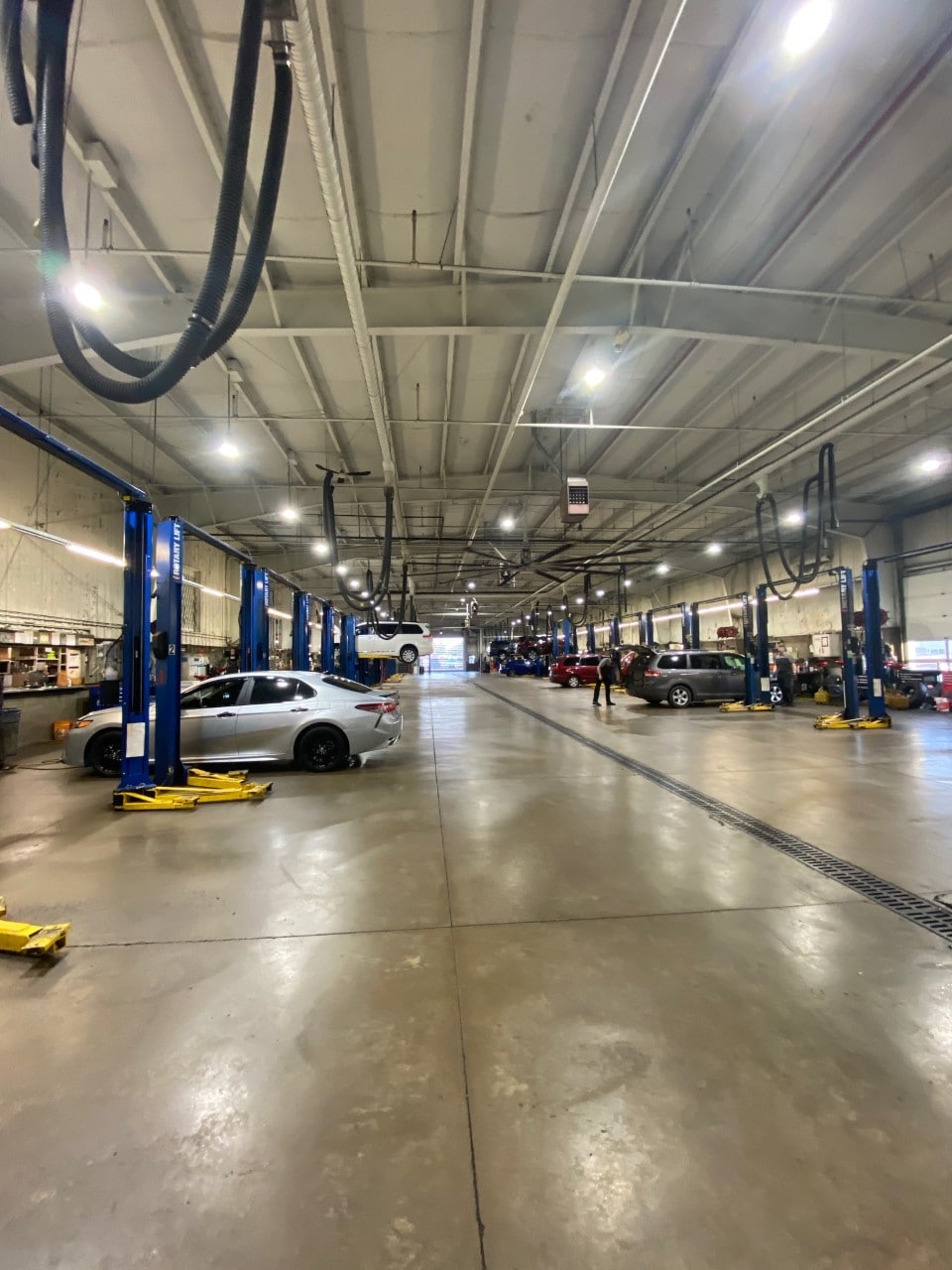
At a service center, trained workers handle the oil change. First, they lift the car with a special tool. Then, they remove the old oil. After that, they put in fresh, new oil. It is important to use the right oil for your car. Workers also check other car parts. This keeps your car working well.
Oil changes at a center take about 30 minutes. Sometimes, it might take longer. If there are many cars, you might wait more. But the wait is worth it. Your car gets the best care.
Professional services use quality tools and oil. This keeps your car healthy. Experts know what your car needs. They make sure everything is safe. Proper care helps your car last longer.
Tips For Efficient Oil Changes
Using the right oilkeeps your car running well. Check your car’s manual. It tells you which oil to use. Some cars need synthetic oil. Others need conventional oil. Picking the right oil helps the engine last longer.
Regular oil changes keep your car happy. Plan them every few months. Car shops are busy. Book your slot early. This saves time and avoids waiting. A well-planned schedule means your car stays healthy.
Mileage shows when to change the oil. Check the car’s mileageoften. Keep a note of it. Changing oil on time is important. It prevents engine problems. This helps your car run smoothly.

Credit: www.take5.com
Potential Delays And Challenges
Changing car oil might face delays due to busy service centers or unexpected car issues. Weather conditions can also affect timing. Planning ahead helps avoid extended waiting times.
Common Issues During Oil Change
Changing oil in a car can take longer than expected. Stripped oil pan bolts can be a big problem. These bolts are hard to remove. Stuck oil filters are also common. They require special tools to loosen. Wrong oil type can cause delays too. If the wrong oil is used, the process must be repeated. Rusted parts can also slow down the work. They need extra care for removal. Lastly, missing tools can delay the oil change. Always have the right tools ready.
Solutions To Avoid Delays
Prepare all tools before starting. This saves time and prevents searching later. Check oil type before buying. Ensure it matches your car’s needs. Inspect bolts and filters for tightness. Use the right tools to remove them. Keep spare parts ready in case of damage. This ensures you can replace them quickly. Clean the work area before starting. It helps in organizing tools and parts. Regular maintenance prevents rust and damage. This makes future oil changes faster.
Frequently Asked Questions
How Long Should A Car Oil Change Take?
A car oil change usually takes around 30 to 45 minutes. Factors like vehicle type and service location can affect the time. Regular oil changes ensure engine health and longevity. Scheduling an appointment can minimize wait times. Efficient service centers often complete oil changes quickly, enhancing customer satisfaction.
Does A Car Run Better After An Oil Change?
Yes, a car often runs better after an oil change. Fresh oil lubricates engine parts, reducing friction and improving efficiency. It also helps remove sludge and contaminants, enhancing performance and extending engine life. Regular oil changes can lead to smoother, quieter operation and better fuel economy.
How Much Is Oil Change In Az?
Oil change prices in Arizona typically range from $30 to $100. Costs vary based on the oil type and service location. Synthetic oil changes are usually more expensive than conventional ones. Always check for local promotions or discounts to save money on your oil change services.
How Long Does Jiffy Lube Take To Change Oil?
Jiffy Lube typically takes around 20-30 minutes to change oil. Service time may vary based on location and customer volume. Technicians ensure quick and efficient oil changes while maintaining vehicle safety standards. Always consider additional services like filter replacements, which might extend the time slightly.
Conclusion
Changing your car’s oil doesn’t take much time. Most oil changes require about 30 minutes. This varies based on the car model and experience. Regular oil changes keep your car running smoothly. They help prevent engine problems. It’s a small task with big benefits.
Scheduling regular oil changes can save money in the long run. Remember, a healthy car lasts longer. Always keep track of your oil change schedule. This habit ensures a reliable and efficient vehicle. Take care of your car, and it will take care of you.