Why Does a Car Fail an Emissions Test? 13 Common Causes
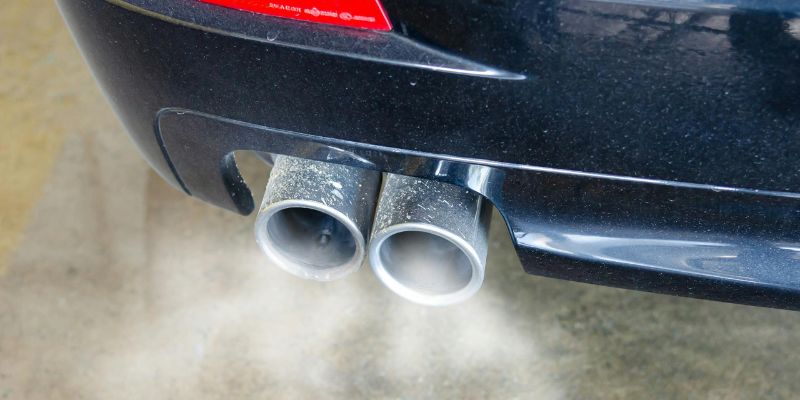
A car most often fails an emissions test because of a bad oxygen sensor, a damaged catalytic converter, a loose gas cap, or a misfiring engine, all of which let unburned fuel or excess pollutants escape through the exhaust. On OBD-II vehicles (1996 and newer), a large share of failures also have no mechanical cause at all: the onboard computer’s internal readiness monitors simply have not finished running yet, often right after a battery disconnect.
Below are the 13 most common reasons a car fails an emissions test, why the readiness-monitor issue catches so many drivers off guard, and how to diagnose and fix each one before your retest.
What Is an Emissions Test?
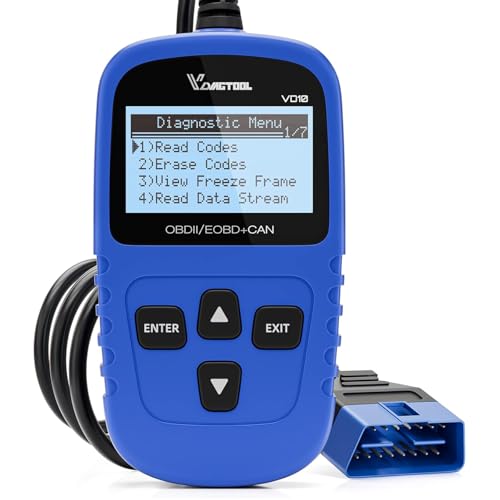
BEST FOR CHECKING OBD READINESS BEFORE A RETEST
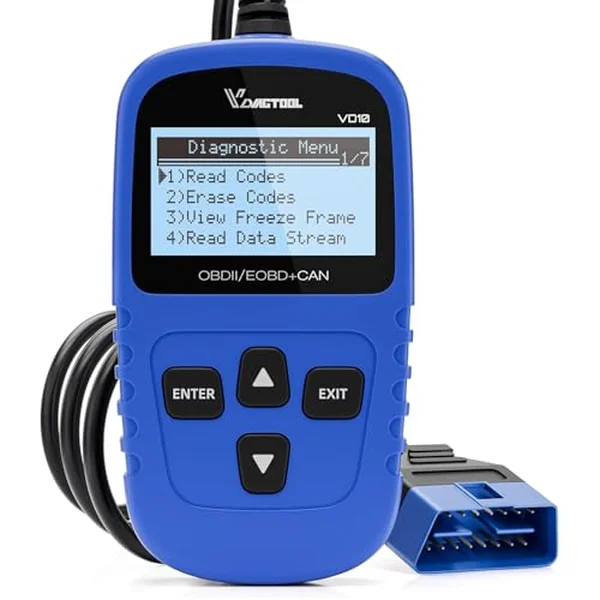 |
VDIAGTOOL VD10 OBD2 Scanner – $18.99 Plugs into any 1996-or-newer car’s OBD-II port to read stored trouble codes and, importantly, check I/M readiness monitor status before you drive to a retest.
|
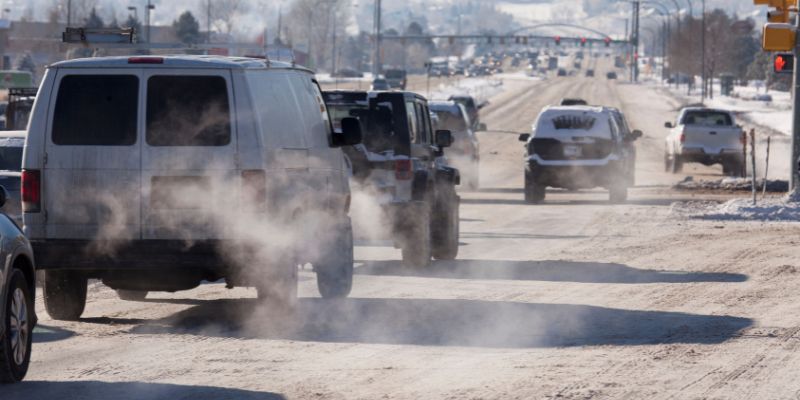
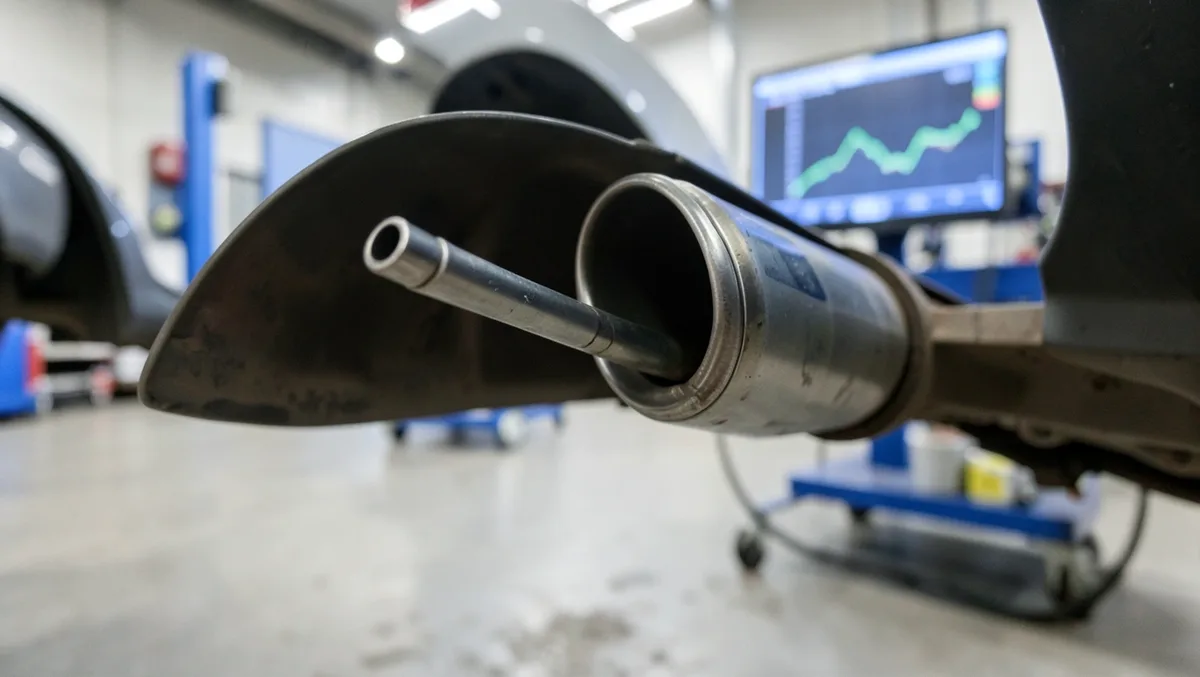
An emissions test measures the pollutants a car’s exhaust releases, using either a tailpipe sniffer or a plug-in OBD-II scan (depending on the state and vehicle age) to check gases like carbon monoxide, hydrocarbons, and nitrogen oxides against a legal limit. States that require testing, including California, New York, and Texas, use it to keep local air quality within Clean Air Act limits. If a measured value comes back too high, or if the car’s onboard computer reports an unresolved problem, the test fails.
Common Reasons a Car Fails an Emissions Test
Most emissions failures trace back to a small number of components that either let raw fuel escape unburned or throw off the engine’s air-fuel mixture. Here are the most frequent causes.
Faulty Oxygen Sensors
The oxygen (O2) sensor measures how much oxygen is left in the exhaust and reports it to the engine computer, which uses that reading to fine-tune the air-fuel mix in real time. A sensor that has failed or is reporting incorrectly throws that mix off, usually toward running too rich, which increases tailpipe emissions. O2 sensors typically last 60,000 to 100,000 miles before the sensing element degrades, making them one of the most common repairs tied to a failed test.
Dirty or Clogged Air Filters
The engine air filter keeps dirt and debris out of the combustion chamber. A filter clogged with grime restricts airflow into the engine, which skews the air-fuel ratio rich and raises carbon monoxide output. It is inexpensive to fix: most manufacturers recommend replacing the air filter every 15,000 to 30,000 miles, sooner if you regularly drive on dusty or unpaved roads.
Malfunctioning Catalytic Converter
The catalytic converter converts carbon monoxide, hydrocarbons, and nitrogen oxides into less harmful gases before they exit the tailpipe. A converter that is clogged, contaminated, or physically damaged, often after high mileage, an engine misfire that dumped unburned fuel into it, or oil and coolant leaking past worn engine seals, stops doing that job effectively and lets raw pollutants pass straight through. It is one of the more expensive parts on this list to replace, so catching the problems that damage it early is worth the effort.
Faulty Spark Plugs or Ignition System
Spark plugs ignite the compressed air-fuel mixture in each cylinder. Worn, fouled, or improperly gapped plugs, along with failing ignition coils, cause incomplete combustion, which sends unburned fuel and higher hydrocarbon levels out through the exhaust. Replacing spark plugs on the manufacturer’s schedule, commonly every 30,000 to 100,000 miles depending on plug type (see our guide on how often to change spark plugs), both restores smoother running and lowers emissions output.
Leaking Fuel System or EVAP System
A leak anywhere in the fuel delivery or evaporative emissions (EVAP) system, a cracked fuel line, a failed injector seal, or something as simple as a loose or damaged gas cap, lets raw fuel vapor escape instead of being burned or captured by the charcoal canister. A loose gas cap alone is one of the single most common, and cheapest, causes of a failed test: tightening or replacing a worn cap is often all it takes to pass a retest.
Issues with the EGR Valve
The exhaust gas recirculation (EGR) valve routes a small amount of exhaust back into the intake to lower combustion temperatures and reduce nitrogen oxide (NOx) formation. When the valve sticks open, sticks closed, or gets clogged with carbon deposits, NOx output rises and the engine may also run roughly or hesitate. Cleaning carbon buildup out of the valve and its passages resolves many cases; a valve that is physically stuck or electrically dead needs replacement.
Engine Misfires
A misfire happens when a cylinder fails to fire correctly because of a bad spark plug, coil, injector, or low compression. Because that cylinder’s fuel charge never fully burns, it sends a slug of unburned hydrocarbons, and sometimes raw fuel that can damage the catalytic converter, straight into the exhaust. A rough idle, hesitation under acceleration, or a stored misfire code on a code reader are the usual signs something is wrong.
Worn-Out PCV Valve
The positive crankcase ventilation (PCV) system routes crankcase gases and oil vapor back into the intake to be burned rather than vented to the atmosphere. A stuck-open PCV valve pulls in too much oil vapor and throws off the air-fuel mix; a stuck-closed one lets crankcase pressure build and can force oil past seals. Either way, it is a low-cost part worth checking before assuming a bigger problem is at fault.
Using the Wrong Fuel
Running a lower octane fuel than an engine requires can cause knock and force the computer to pull ignition timing, which increases emissions and hurts fuel economy. Check your owner’s manual, not the fuel door sticker alone, for the minimum octane your engine actually needs; see our explainer on what happens if you put the wrong gas in a car for more detail.
Dirty or Overdue Engine Oil
Oil that is badly overdue for a change breaks down and loses its ability to lubricate and seal properly, which lets more combustion byproducts blow past the piston rings and into the crankcase, and eventually into the intake through the PCV system. Sticking to the manufacturer’s oil change interval is a simple way to keep emissions in check, and it is easy to overlook compared with more obvious mechanical culprits like a bad sensor. If your car is also using oil between changes, read our guide on how to know if your car is burning oil.
Less Common but Serious Issues
A smaller share of failures come from something other than a worn factory part.
Modified Exhaust Systems
An aftermarket exhaust that removes or replaces the factory catalytic converter with a non-compliant “test pipe” or uncertified high-flow unit is an automatic fail in every state that tests emissions, and in most states it is also illegal on public roads regardless of testing. Any exhaust work should keep a factory-spec or EPA-certified converter in place.
Software or Tuning Issues
Aftermarket performance tunes that add fuel or advance ignition timing for more power often do so at the expense of the calibration the factory used to keep emissions in check. Some tunes also alter how the OBD system reads its own sensors, which can trigger a failure even on an engine that otherwise “runs great.”
Vacuum Leaks
A cracked or disconnected vacuum hose lets unmetered air into the intake, leaning out the air-fuel mixture and confusing the oxygen sensor’s readings, a condition mechanics often call running lean. Vacuum leaks can be hard to spot by eye; a mechanic checking with a smoke machine or by listening for a hissing idle is usually faster than guessing at parts to replace.
Why Your Car Can Fail With No Check Engine Light and No Real Problem
On any 1996-or-newer vehicle tested with a plug-in OBD-II scan rather than an old-style tailpipe sniffer, the testing computer also checks whether a set of internal self-tests, called readiness monitors, have finished running. If too many read “not ready,” most states will fail or reject the test outright, even when there is nothing mechanically wrong with the car.
What Makes Monitors Go Not Ready
Readiness monitors reset to incomplete any time the battery is disconnected or the computer’s memory is cleared, which includes a shop clearing a check engine light with a scan tool, a dead battery, or a recent battery replacement. From there, each monitor (catalyst, oxygen sensor, EVAP, and several others) only completes after the engine sees a specific combination of conditions, such as a cold start followed by both city and highway-speed driving.
How Long It Takes and What States Allow
A single properly run drive cycle takes roughly 20 to 40 minutes of driving after an overnight cold soak, and the EVAP monitor specifically often needs two full cycles to finish. Most testing programs allow one incomplete monitor on 1996-through-2000 model year vehicles, but require every monitor except EVAP to show complete on 2001-and-newer vehicles. If a car was recently serviced, had its battery replaced, or had a code cleared, plan on a few days of normal mixed city-and-highway driving before testing, rather than driving straight from the shop to the test station.
How to Diagnose and Fix Emissions Problems
Once a car has failed, working through the problem methodically saves both time and money.
Step 1: Check the Check Engine Light
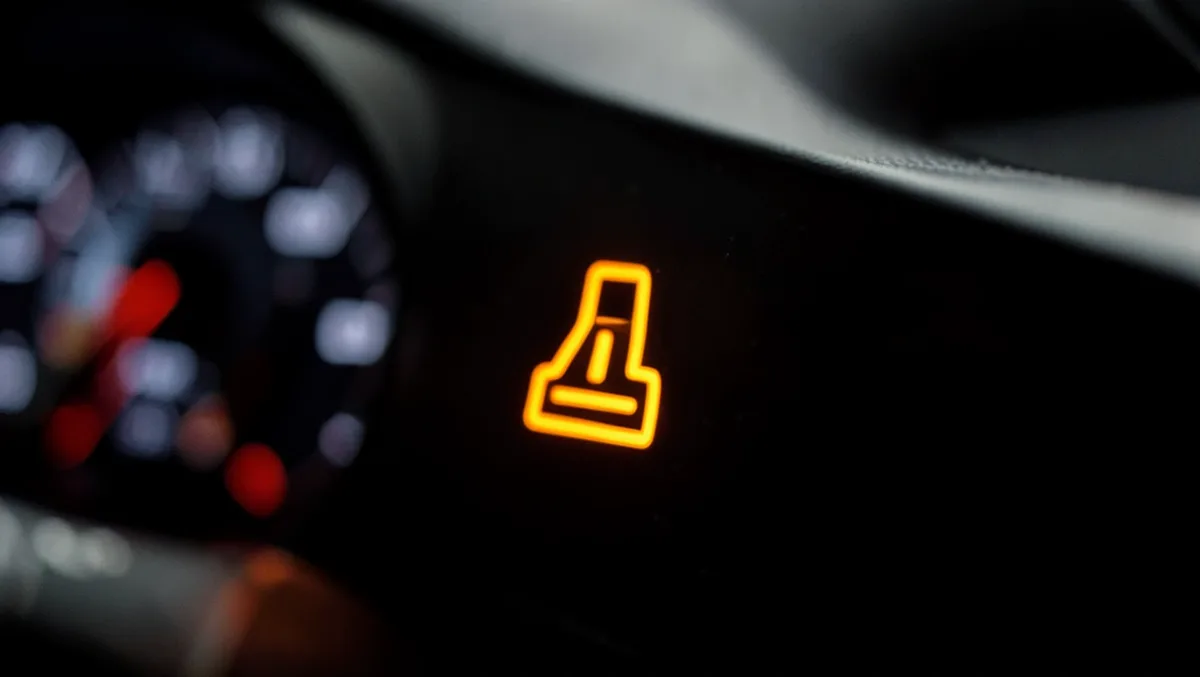
A lit check engine light almost always means the OBD system has already stored a diagnostic trouble code pointing at the problem. A basic code reader, plugged into the OBD-II port under the dashboard, pulls that code and, on some models, the readiness monitor status too. Many auto parts stores will read the code for free, though a store scan typically will not show monitor readiness the way an owned scanner does.
Step 2: Inspect the Basics
Before assuming the worst, check the cheap and obvious items: is the gas cap on tight, is the air filter clean, do the spark plugs look normal for their age? These three items alone account for a disproportionate share of emissions failures relative to how little they cost to fix.
Step 3: Visit a Mechanic
If the stored code points to something less obvious, like a catalytic converter, EGR valve, or an EVAP system leak, a mechanic with the right diagnostic equipment can confirm the exact failure rather than replacing parts one at a time on a guess.
Step 4: Make Repairs and Retest
Once the repair is done, most testing programs require at least one completed drive cycle before a retest, and many states offer a grace period or a free retest window after an initial failure. Check the specific rules and deadline for your state’s program before scheduling the retest.
Tips to Prevent Emissions Test Failures
Regular Maintenance
Staying on schedule for routine car maintenance, oil changes, air filter swaps, and spark plug replacement, catches most of the causes on this list long before test day.
Drive Before the Test
Emissions tests generally require the engine and catalytic converter to be at full operating temperature, and OBD-based tests need the readiness monitors to have finished running. A 20-to-30-minute mixed city-and-highway drive a day or two before the test, not right after a battery disconnect, gives both the test equipment and the monitors time to settle.
Use Quality Fuel
Fuel from stations that meet Top Tier detergent standards helps keep injectors and intake valves clean, which keeps the air-fuel mixture where the engine computer expects it. Cheap, low-detergent fuel will not cause an instant failure, but over time it makes the deposits that lead to rough combustion and higher emissions more likely.
Fix Problems Early
A check engine light rarely fixes itself, and small issues like a single misfire or a partly clogged EGR passage tend to get more expensive, and more likely to fail a test, the longer they sit unaddressed.
Emissions Test Requirements by State
Emissions testing rules vary significantly by state, and often by county within a state. Here is a quick look at a few common examples.
| State | Emissions Test Required? | Details |
|---|---|---|
| California | Yes | Strict standards, required every two years for most vehicles. |
| Texas | Yes | Required in specific counties, including the Houston and Dallas-Fort Worth areas. |
| New York | Yes | Annual OBD-based tests for most 1996-and-newer vehicles statewide. |
| Florida | No | No statewide emissions testing program. |
| Georgia | Yes | Required annually in 13 counties in the metro Atlanta area. |
If you are not sure whether your address requires a test, or how often, your state’s DMV or environmental agency website lists the exact schedule and any exemptions for new or classic vehicles.
Why Passing Emissions Tests Matters
Beyond the repair cost, unresolved emissions problems mean more smog-forming pollutants in the air a car’s occupants and neighbors breathe. In states that tie registration renewal to a passing test, an unresolved failure can also block a renewal or leave a car on an expired registration, which carries its own fines.
Conclusion
A failed emissions test is rarely a mystery once you know where to look. The causes run from inexpensive fixes, a loose gas cap, a clogged air filter, unfinished readiness monitors, to a few genuinely expensive ones like a catalytic converter. Reading the stored code, checking the basics, and giving the car a proper drive cycle before a retest resolves the overwhelming majority of failures without a guessing game.
Frequently Asked Questions
Why does my car fail an emissions test even though it runs fine?
A car can run smoothly while still failing because problems like a degraded oxygen sensor, a partially clogged catalytic converter, or incomplete OBD readiness monitors do not always change how the engine feels to drive. A code reader or full diagnostic scan will surface the issue even when there is no noticeable symptom.
Can a loose gas cap really cause an emissions failure?
Yes. A loose, cracked, or missing gas cap lets fuel vapor escape the tank instead of being captured by the EVAP system, which most OBD-II systems flag as an EVAP leak. Tightening the cap until it clicks, or replacing a worn one, fixes this cause in minutes.
How often should I replace my air filter to avoid emissions issues?
Most manufacturers recommend every 15,000 to 30,000 miles under normal conditions, sooner if you regularly drive on dusty or unpaved roads. Check your owner’s manual for the exact interval for your vehicle.
What should I do if my car keeps failing the emissions test?
Get a full diagnostic scan rather than repeating the same repair guesses. A mechanic can read every stored code and check readiness monitor status, which points to the actual failure instead of the most common one.
Are emissions tests the same in every state?
No. Requirements range from strict, biennial testing in states like California to no statewide program at all in states like Florida. Check your state DMV or environmental agency site for your specific county’s rules.
Can a car fail an emissions test even with no actual problem, just because the readiness monitors are not ready?
Yes. If the battery was recently disconnected or replaced, or a trouble code was cleared, the OBD system’s internal readiness monitors reset to incomplete, and most states will fail or reject the test until enough of them finish running. Driving normally on a mix of city and highway roads for a few days usually completes them.
Can dirty or overdue engine oil cause an emissions test failure?
It can contribute. Oil that is badly overdue for a change breaks down and lets more combustion byproducts blow past the piston rings, which can raise crankcase emissions that eventually reach the intake through the PCV system. Staying on the manufacturer’s oil change schedule helps keep this from becoming a factor.
Products related to this article
Sponsored / affiliate links. As an Amazon Associate I earn from qualifying purchases. I may earn additional commission from eligible campaigns.