
Why Does Car Mileage Reset? Trip Meter vs. Odometer Explained
In most modern cars, a “mileage reset” is actually just the trip meter clearing to zero — the main odometer sits in non-volatile memory that survives a dead or disconnected battery. Deliberately altering the odometer, though, is a federal crime under 49 U.S.C. Chapter 327, punishable by up to $10,000 per violation. This guide covers what really resets after battery work, why a replacement cluster can show 0 miles, and how to diagnose true mileage loss.
Quick Answer
A “mileage reset” is almost always the trip meter — not the main odometer — clearing to zero, since digital odometers store mileage in memory that survives battery disconnects. True odometer resets usually trace to a replacement instrument cluster (shows 0 miles until programmed) or a rare module failure. Deliberately rolling back an odometer is federal odometer fraud.
Trip Meter vs. Odometer: Which One Actually “Resets”?
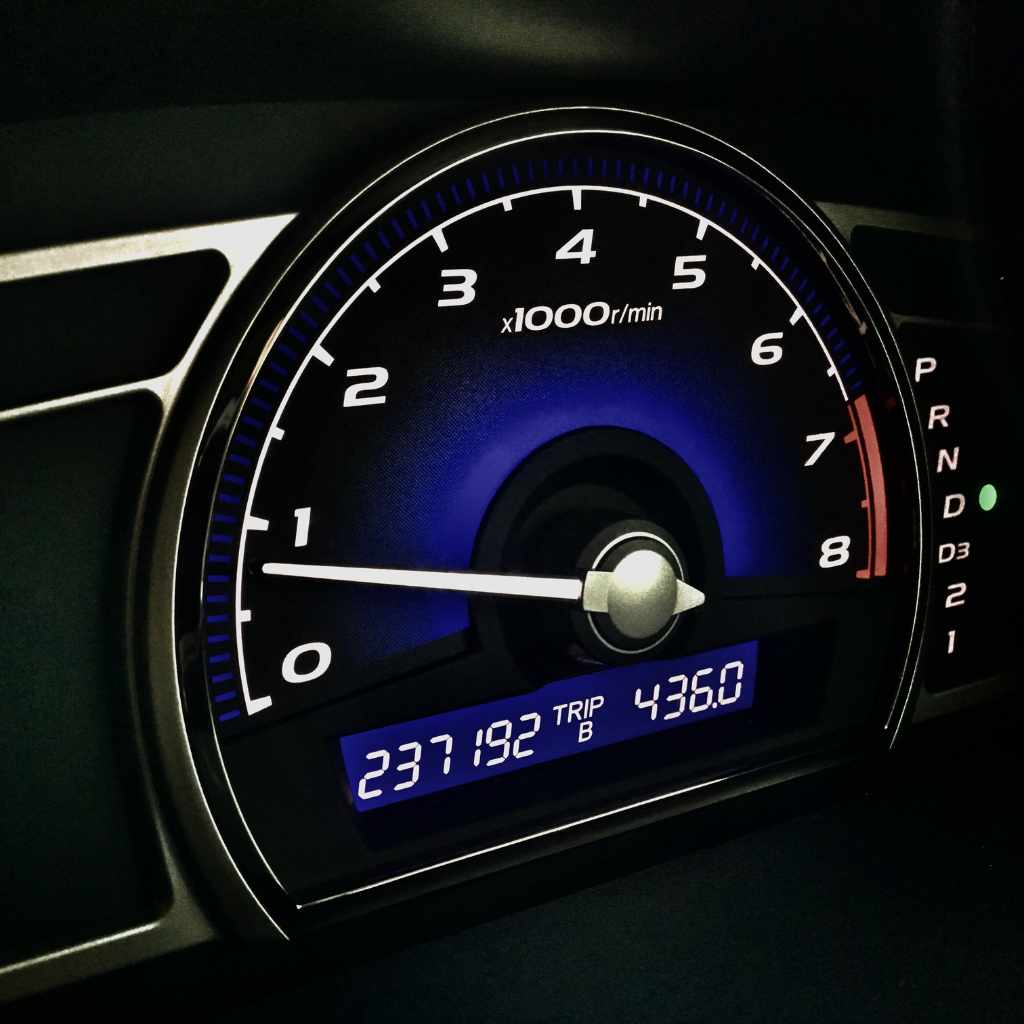
A trip meter is the small, driver-resettable counter (usually labeled A or B) that tracks distance since it was last cleared — useful for a single tank of gas or a road trip, and designed to be reset at any time with a button press. The main odometer, by contrast, is a permanent, non-resettable record of the vehicle’s total lifetime mileage, and federal law treats tampering with it as a crime. Most people who say their “mileage reset” are actually describing the trip meter clearing — often after a battery disconnect, a dashboard button held too long, or a previous owner’s habit.
| Feature | Trip Meter | Main Odometer |
|---|---|---|
| Can the driver reset it? | Yes, anytime (button or menu) | No — legally locked in place |
| What it tracks | Distance since last reset | Total lifetime miles driven |
| Where mileage is stored | Simple volatile counter | Non-volatile memory (EEPROM/flash), often mirrored in 2+ modules |
| What can zero it out | The reset button, sometimes a battery disconnect | Only a cluster replacement/reprogram — or fraud |
If you’re unsure which one changed on your dashboard, check your owner’s manual for how to cycle between trip and total odometer displays — on most vehicles, a stalk or steering-wheel button toggles between them. If the number that’s wrong is the smaller trip display, nothing is actually broken. Mileage benchmarks matter for resale value too — see our guide on what counts as high mileage on a car for context on why owners worry about this number in the first place.
Possible Reasons for a Mileage Reset
A car’s odometer is a vital piece of equipment — it tracks total distance traveled, helps you keep up with maintenance schedules, and plays a big role in the car’s resale value. When something on the dashboard looks wrong, it’s worth knowing exactly what changed and why. This section walks through the real causes, from routine electrical events to the rarer cases of genuine hardware failure or tampering.
Battery Issues and Electrical Problems
Modern vehicles rely on electronic components to operate, and a failing or disconnected battery can cause several dashboard settings to clear. Here’s specifically what does — and doesn’t — reset when the battery loses power.
Battery Disconnection: Disconnecting or replacing the battery will reset the trip meter, the clock, and radio presets — but on virtually every car built since the late 1990s, it will not reset the main odometer. Mileage is deliberately stored in non-volatile memory precisely so it survives power loss (more on this below). A small number of much older vehicles with simple electronic odometers and no backup memory are the rare exception. If you’re disconnecting the battery on purpose — say, to reset the car’s computer — see our guide on whether disconnecting the battery resets the car’s computer for what actually clears.
If you recently had your battery changed or worked on your car’s electrical system and the trip meter or clock reset, that’s completely normal. Always make sure the battery is securely reconnected afterward.
Low Battery Voltage: A weak or undercharged battery can cause the car’s computer to behave erratically, which can look like a dashboard glitch even when the odometer memory itself is untouched. Extreme temperatures can also affect battery performance.
Regularly check your battery’s voltage, especially in cold weather. If your car struggles to start, that’s a sign the battery needs attention before it causes other electrical symptoms.
Faulty Wiring or Electronic Components: Issues with the wiring harness, fuses, or electronic control modules (ECMs) can cause power interruptions that affect the instrument cluster display, even though they rarely erase the stored odometer value itself. Have a qualified mechanic inspect the electrical system if you suspect wiring damage — modern cars have complex systems, and diagnosing electrical faults without the right tools is difficult.
Mechanical and Tampering Issues
Although less common than electrical issues, mechanical problems and deliberate tampering can also change what your odometer shows. Understanding these helps you know when a reading is genuinely wrong versus just an ordinary trip-meter clear.
Odometer Tampering: Unfortunately, odometer tampering is a real concern. Unscrupulous sellers sometimes roll back an odometer to inflate a car’s perceived value — this is a serious federal crime, covered in detail in the Ethical and Legal Considerations section below.
Be cautious when buying a used car. Compare the odometer against the title, maintenance records, and a vehicle history report, and investigate any inconsistencies before you sign.
Mechanical Failure of Odometer Gears: In older cars with fully mechanical odometers, the gears and cable-driven components inside can wear out or break, causing an incorrect or frozen reading. This is a hardware failure specific to pre-digital vehicles, not a data-loss issue.
Regular maintenance helps, but wear and tear on mechanical parts is inevitable. If a mechanical odometer stops advancing, it needs repair or replacement.
Replacing the Instrument Cluster Can Show 0 Miles
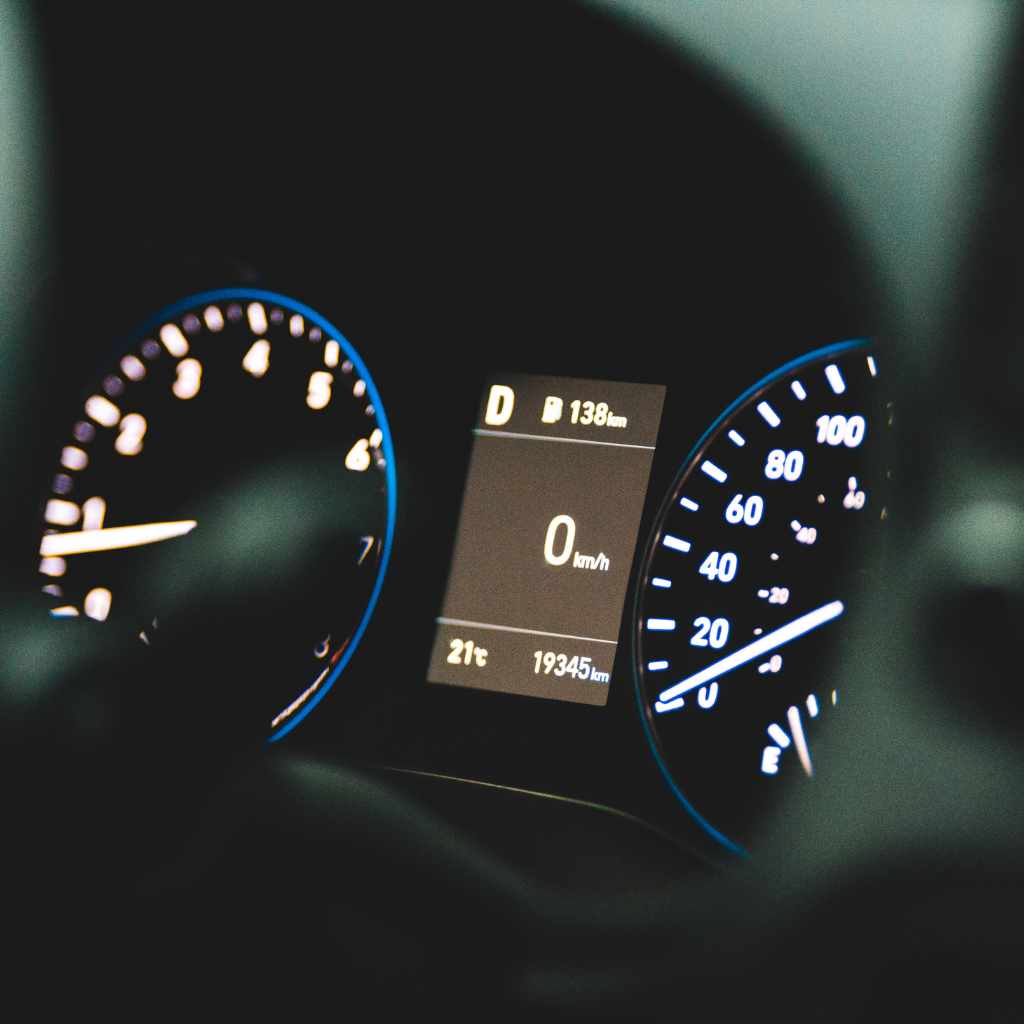
On many vehicles — especially Japanese-make models — the odometer reading lives inside the instrument cluster itself rather than a separate module. Install a new or salvage-yard cluster and it will display 0 miles (or the previous vehicle’s mileage) until a technician programs it with your car’s actual mileage using the VIN and a diagnostic tool. This is legal and routine after a cluster fails, as long as the shop documents the real mileage and doesn’t misrepresent it to a future buyer.
One important catch: driving the car before the new cluster is programmed can permanently lock it at 0 on some models, so ask your shop to program the correct mileage before you leave the lot — not after.
Troubleshooting and Solutions: Car Mileage Reset Problems
If your dashboard shows something unexpected, figuring out the cause doesn’t require being a car expert — just a systematic process. This section walks through diagnosing the issue and the fixes available once you know what’s actually wrong.
Step-by-Step Diagnostics
Work through these steps in order — each one rules out a specific cause before you move to the next.
- Inspect the Battery: Check the terminals for corrosion, confirm they’re tight, and use a multimeter to measure voltage — a reading below 12.0 volts signals a problem worth addressing before you go further. Cleaning battery terminal corrosion is a five-minute fix that resolves a surprising number of electrical complaints on its own.
- Check the Fuses: Open the fuse box and look for a blown fuse tied to the instrument cluster. A fuse that blows repeatedly points to a short circuit somewhere in the harness, not a one-off glitch.
- Scan for Diagnostic Codes: Plug in an OBD-II scanner and pull any trouble codes related to the instrument cluster or electrical system — these narrow down the root cause fast instead of guessing.
- Examine the Wiring: Inspect the harness near the battery, cluster, and ECM for frayed wires or loose connectors, which can cause intermittent resets or complete failures.
- Consult a Professional: If the cause still isn’t clear, or the fix is above your comfort level, a mechanic with the right diagnostic tools can pinpoint and repair the issue properly.
Best Mileage Diagnostic Pick
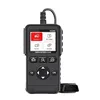
YA200 OBD2 Scanner Code Reader
Plugs into the OBD-II port and pulls diagnostic trouble codes from the instrument cluster and electrical system, matching Step 3 above.
- Best for: Pulling exact trouble codes instead of guessing at the cause
- Why we picked it: Reading codes quickly separates a real cluster/ECM fault from a simple trip-meter mix-up
- Main drawback: Basic code readers like this can’t reprogram a replacement cluster — that job still needs a shop-level tool
Compare more diagnostic tool options
 Option 1 AstroAI True RMS Digital Multimeter
|
 Option 2 Goliath Battery Terminal Brush (4-Pack)
|
 Option 3 WINAMOO Automotive Circuit Tester
|
As an Amazon Associate we earn from qualifying purchases.
Available Fixes and Restoration
Once you’ve identified the cause, the fix is usually straightforward. Here’s what each diagnosis typically leads to.
- New Battery: A fresh battery restores stable power to every electrical component in the car, including the instrument cluster.
- New Fuse: Replacing a blown fuse is quick and inexpensive — do it immediately, since fuses exist specifically to protect the circuit from damage.
- Wiring Repair: Damaged wiring needs to be repaired or replaced, with every connection secured and properly insulated.
- Instrument Cluster Repair or Replacement: A failing cluster can often be repaired; if not, a replacement unit must be programmed with your car’s real mileage before it’s driven.
- ECM Reprogramming or Replacement: A qualified technician should handle any ECM reprogramming or replacement, since it controls far more than just the odometer display.
Understanding Digital Odometer Systems
Modern vehicles almost exclusively use digital odometers, which work very differently from the mechanical, gear-driven versions in older cars. These digital systems are integrated into the car’s computer and offer real advantages in accuracy and tamper-resistance. This section explains how they store data and where digital systems can still fail.
How Digital Odometers Store Data
Digital odometers use non-volatile electronic memory to store mileage — meaning it retains the data even when the car’s power is completely off. This is exactly why a battery disconnect doesn’t normally erase the odometer, even though it clears the trip meter and clock.
EEPROM (Electrically Erasable Programmable Read-Only Memory): Many digital odometers use EEPROM chips to store mileage data. EEPROM is non-volatile, so it retains data even if the car’s power is disconnected.
Stored mileage isn’t lost even if the battery dies. If the EEPROM chip itself fails, though, the odometer can display incorrect data or freeze — this is a genuine hardware failure, not routine behavior.
Flash Memory: Some newer vehicles use flash memory, a faster and more advanced type of non-volatile memory, often integrated within the car’s ECM.
Flash memory is generally more reliable than EEPROM, but it isn’t immune to failure. Power surges or electrical faults can occasionally damage it, leading to data corruption.
Backup Systems: Many manufacturers store the mileage value in more than one module — for example, both the instrument cluster and the body control module — specifically so a single component failure can’t wipe the record. This redundancy also makes odometer fraud easier to detect, since a mismatch between modules is a red flag.
Common Failures in Digital Systems
Digital odometers are generally reliable, but they aren’t completely immune to problems. Here’s where digital systems are most vulnerable.
Software Glitches: Software bugs within the car’s computer system can occasionally cause a display glitch, triggered by power fluctuations or data corruption. A manufacturer software update, installed at a service center, can sometimes resolve this.
Electronic Control Module (ECM) Issues: The ECM, sometimes called the car’s “brain,” controls many functions including data feeding the odometer. If the ECM fails or malfunctions, it can corrupt the data going to the instrument cluster.
ECM problems can be complex to diagnose and repair — a qualified mechanic with manufacturer-level diagnostic tools should handle this.
Power Surges: Electrical surges, perhaps from a short circuit or faulty wiring, can damage the electronic components feeding the instrument cluster and, in rare cases, corrupt stored data.
Repairing the underlying electrical fault prevents this from recurring. These surges can also stem from external events such as a nearby lightning strike.
Ethical and Legal Considerations
When it comes to mileage, there are real legal and ethical stakes — deliberately misrepresenting a car’s mileage is a federal crime, not just bad manners. This section covers the actual laws and the numbers behind them.
Laws Regarding Odometer Tampering
Odometer tampering, also called odometer fraud, is illegal nationwide in the United States. These laws exist specifically to protect both buyers and sellers of vehicles.
Federal Law: The Truth in Mileage Act, now codified at 49 U.S.C. Chapter 327, makes it illegal to disconnect, reset, or alter a vehicle’s odometer with intent to change the mileage it displays — or to sell a device designed to do so. NHTSA’s Office of Odometer Fraud Investigation enforces it.
📊 NHTSA estimates more than 450,000 vehicles are sold each year with false odometer readings, costing American consumers over $1 billion annually — Source: NHTSA, Odometer Fraud, 2026
Penalties: They’re real. Criminal violations carry up to three years in federal prison and fines up to $250,000, separate from civil penalties of up to $10,000 per violation (capped at $1 million per case). Victims can also sue for triple their actual damages under the federal statute.
“We will not tolerate the illegal practice of odometer tampering.”
State Laws: Individual states also have their own odometer tampering and disclosure statutes. These generally align with federal law but can carry their own specific penalties, so it’s worth checking your state’s requirements too.
Reporting Requirements: Sellers must disclose the accurate mileage of a car at the time of sale. If the odometer has ever been replaced or repaired, that must be disclosed to the buyer in writing.
If you want a deeper walkthrough on when a mileage change is legal versus fraudulent — and how to spot a rolled-back odometer before you buy — see our dedicated guide, Can You Reset the Mileage of a Car?
Ethical Considerations
Beyond the legal risk, there are ethical considerations worth keeping in mind whenever mileage comes into question.
Honesty and Transparency: Always be upfront about a car’s mileage, whether you’re buying, selling, or having repair work done. Accurate information helps everyone involved make informed decisions.
Impact on Car Value: A false low-mileage reading can mislead a buyer into overpaying for a car and misjudging its actual condition and remaining service life.
Consequences of Non-Disclosure: If you’re aware of an odometer issue, disclose it. Failure to do so carries real legal exposure on top of the ethical breach.
Frequently Asked Questions
Is it normal for the trip meter to reset after a battery disconnect?
Yes. Disconnecting the battery routinely clears the trip meter, clock, and radio presets on virtually every vehicle — that’s expected and not a sign of a problem. The main odometer is stored separately in non-volatile memory and should not change.
Will my main odometer show 0 miles after a new instrument cluster?
It can, temporarily. A new or salvage-yard cluster displays 0 miles (or a different vehicle’s mileage) until a technician programs it with your car’s actual mileage using the VIN. This is a routine, legal step — not fraud — as long as it’s documented and the real mileage is disclosed.
What should I do if my car’s odometer resets?
Check the battery connections and voltage, inspect the fuses, and use an OBD-II scanner to look for error codes. If the reading doesn’t come back or the problem continues, get a mechanic to check the instrument cluster and ECM.
Can I fix a reset odometer myself?
Basic tasks like checking the battery, terminals, and fuses are DIY-friendly. Anything involving the instrument cluster, ECM reprogramming, or cluster replacement should go to a professional, since these require manufacturer-level tools.
Is odometer tampering illegal?
Yes. Odometer tampering is illegal nationwide under 49 U.S.C. Chapter 327. Criminal penalties reach up to three years in prison and $250,000 in fines, plus separate civil penalties of up to $10,000 per violation.
What if I think someone has tampered with my car’s odometer?
Compare the odometer reading against the title, past maintenance or inspection stickers (glovebox, doorjamb, under the hood), and a vehicle history report. If the numbers don’t line up, consult a mechanic and consider filing a complaint with NHTSA’s odometer fraud hotline.
Final Thoughts
Most of the time, a “mileage reset” is nothing more than a trip meter clearing after routine electrical work — the main odometer is built specifically to survive that. A genuine drop to 0 miles almost always traces back to a replacement instrument cluster awaiting programming, or in rare cases, a real hardware or ECM failure. Start by checking the battery and fuses, then move to an OBD-II scanner if the issue persists, and bring in a mechanic for anything involving the cluster or ECM.
Whatever the cause, treat the true odometer reading as something to protect and disclose honestly — both because it’s the law, and because it’s the number every future buyer, mechanic, and inspector will rely on.
Products related to this article
Sponsored / affiliate links. As an Amazon Associate I earn from qualifying purchases. I may earn additional commission from eligible campaigns.