How Long Should A Car Battery Last? Signs It’S Failing
It’s a quiet dread many of us know. You turn the key, and instead of the familiar rumble, you get a sad click, or worse, nothing at all. Your car battery, that unsung hero, has finally given up.
It’s a frustrating moment, especially when you’re in a hurry. Knowing how long your car battery should last can help you avoid getting stranded. It also helps you plan for replacement.
Let’s dive into what makes a car battery tick, how long you can expect it to serve you, and what to look for when it starts to get tired.
A car battery typically lasts between 3 to 5 years. This lifespan depends on many factors like climate, driving habits, and battery quality. Watch for warning signs like slow engine crank, dim lights, or frequent jump starts.
Regular checks and proper care can help extend its life.
Understanding Your Car Battery
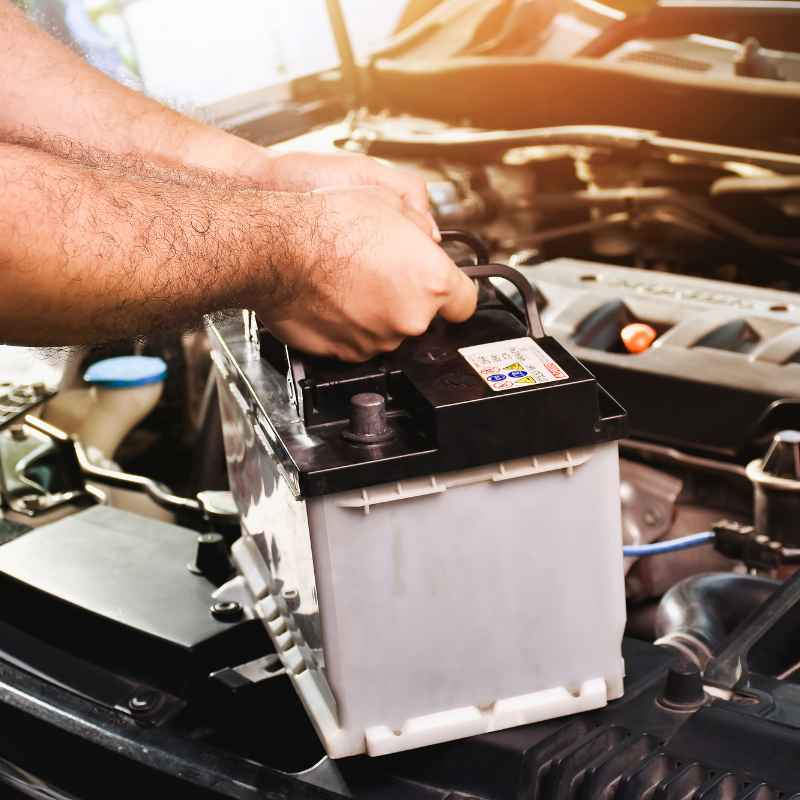
Your car battery is a crucial part of your vehicle. It’s not just for starting the engine. It also powers your car’s electronics when the engine isn’t running.
Think of your headlights, radio, power windows, and even the computer system. All these need a steady flow of electricity. The battery stores this energy.
It’s a lead-acid battery, mostly. It has positive and negative plates. These plates sit in a sulfuric acid solution.
When you start your car, a chemical reaction happens. This reaction creates an electrical current. This current gets sent to the starter motor.
The motor then cranks the engine. Once the engine is running, the alternator takes over. The alternator provides power for the car’s systems.
It also recharges the battery.
So, it’s a teamwork situation. The battery does the heavy lifting to get things started. The alternator keeps things going and tops up the battery.
If either of these parts fails, you’ll have trouble. Most car batteries today are designed to be maintenance-free. This means you don’t need to check the water levels.
However, they still have a lifespan. And that lifespan isn’t forever. It’s a consumable part.
Like tires or brake pads, they wear out over time. Understanding how it works helps us understand why it stops working.
How Long Should a Car Battery Last?
The general rule of thumb for a car battery is 3 to 5 years. This is a good average. However, many things can push this number up or down.
Some batteries might last only 2 years. Others can impressively go for 6 years or more. It really depends on a mix of factors.
These factors relate to where you live, how you drive, and the quality of the battery itself. It’s not a one-size-fits-all situation.
In cooler climates, batteries tend to last longer. Extreme heat is the enemy of car batteries. High temperatures speed up the chemical reactions inside.
This can cause the internal components to degrade faster. This means a battery in Arizona might not last as long as one in Alaska. Even mild heat can take its toll over time.
So, climate is a big player.
Factors Affecting Battery Lifespan
Let’s break down the other big players that influence how long your battery will stay strong.
Key Lifespan Factors
Driving Habits: Short trips are tough on batteries. When you only drive for 10 minutes, the alternator doesn’t have enough time to fully recharge the battery. This means the battery works harder each time you start the car.
Frequent starts and short drives drain it. Longer drives allow the alternator to fully replenish the battery’s charge. Cars that sit for long periods also struggle.
Without regular use, the battery can slowly discharge.
Climate: As mentioned, extreme temperatures are bad. Heat accelerates internal corrosion. Cold temperatures reduce the battery’s cranking power.
A battery working hard in extreme heat or cold wears out faster.
Battery Quality: Not all batteries are made the same. Higher-quality batteries often use better materials. They might have a denser build.
These tend to last longer. The warranty offered by the manufacturer is often a good indicator of expected lifespan. A longer warranty usually means the company stands behind its product’s durability.
Electrical Load: Do you use a lot of electronics? Many aftermarket accessories can put extra strain on the battery. Think of fancy sound systems, extra lights, or even leaving chargers plugged in.
This constant draw can shorten the battery’s life.
When Your Battery Starts to Show Its Age
Car batteries don’t usually just die without warning. There are often subtle signs. And then there are not-so-subtle signs.
Learning to spot these can save you from being stranded. It also helps you decide when it’s time for a replacement before a complete failure.
One of the first things many people notice is a slow engine crank. When you turn the key, the engine might sound sluggish. It might turn over slower than usual.
It’s like it’s struggling to get going. This is a classic sign that the battery isn’t as powerful as it once was. It’s still managing to start the car, but it’s working hard to do it.
Another tell-tale sign is dimming headlights or interior lights. This might happen when you first start the car. Or it could happen when you’re idling.
The battery is providing power to these lights. If the battery is weak, the lights won’t be as bright. Sometimes, the lights might flicker.
This is the battery’s voltage dropping.
You might also notice electrical issues. This could be anything from a radio that cuts out to power windows that move slowly. These components rely on a stable voltage from the battery.
A failing battery can cause voltage fluctuations. This leads to weird behavior in your car’s electrical systems. The car’s computer might also throw error codes.
And then there are the warning lights on your dashboard. Most cars have a battery warning light. This light usually means there’s an issue with the charging system.
This could be the battery itself or the alternator. If this light comes on, you should get it checked right away. Don’t ignore it.
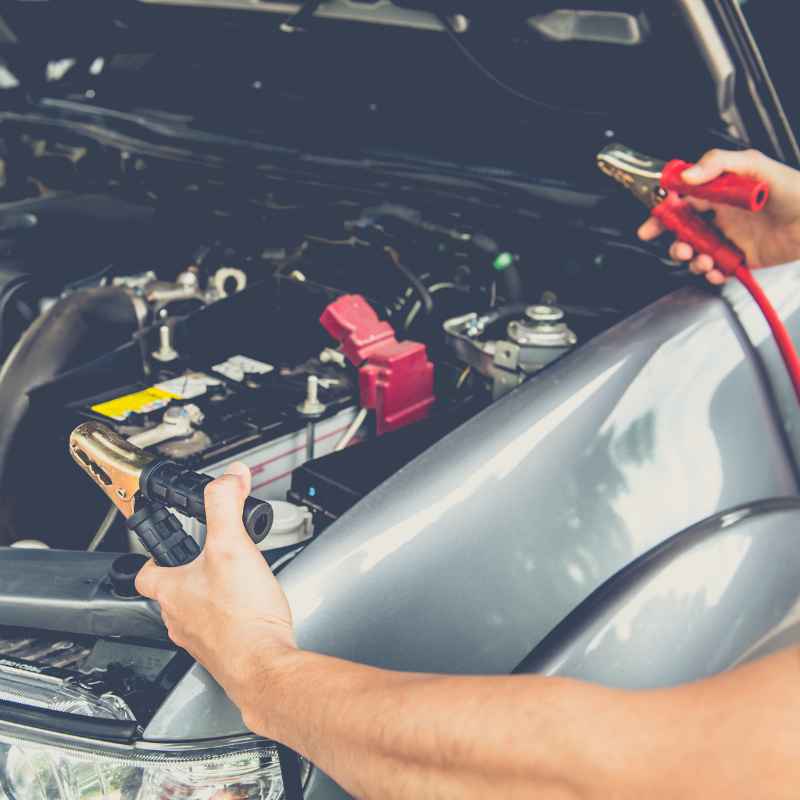
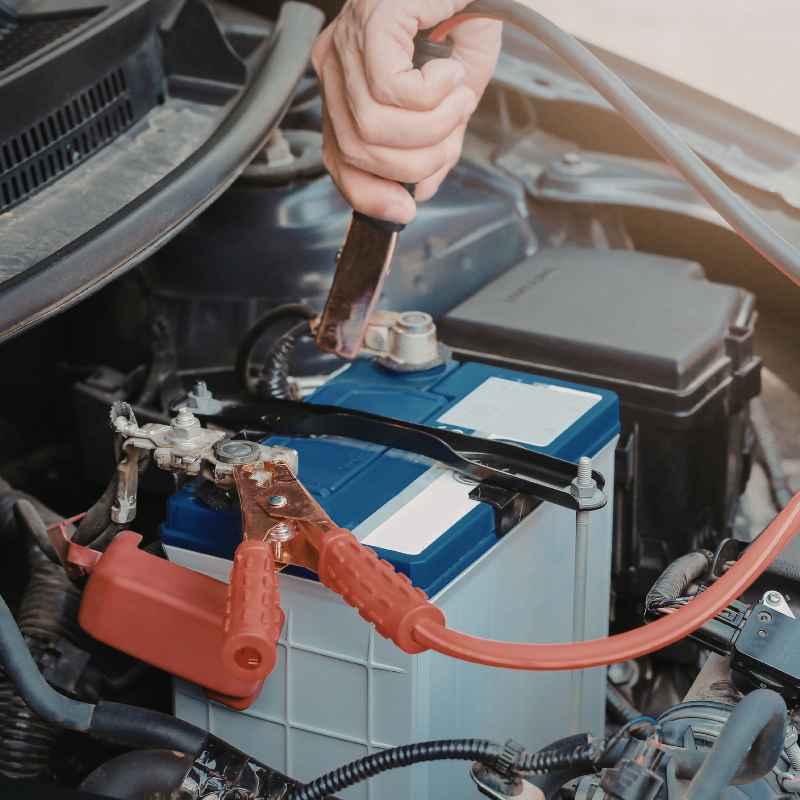
The most obvious sign, of course, is frequent jump starts. If you find yourself needing a jump start more than once or twice, your battery is likely on its way out. It’s not holding a charge anymore.
While a jump start can get you going, it’s a temporary fix for a deeper problem.
Signs Your Car Battery Might Be Failing
- Slow Engine Crank: The engine turns over slowly.
- Dim Lights: Headlights or interior lights are weaker than usual.
- Electrical Issues: Radio, windows, or other electronics act strange.
- Battery Warning Light: A specific light on your dashboard illuminates.
- Old Age: The battery is over 3-5 years old.
- Corrosion: You see a white or blue powdery substance on the battery terminals.
My Own Battery Scare
I remember one particularly chilly Tuesday morning. I had a big presentation that day. I’d stayed up late the night before, finalizing slides.
I walked out to my car, keys in hand, feeling pretty confident. I slid into the driver’s seat, turned the key, and… nothing. Just a weak, pathetic click.
Then silence. My heart sank. I tried again, a bit more forcefully.
Same result. I stood there for a moment, a wave of panic washing over me. The digital clock on my dash was blank.
The radio wouldn’t even flicker on. I knew instantly. My car battery had decided to quit on the worst possible day.
I checked my phone. No signal in my driveway. Great.
I dug out my old roadside assistance manual, flipping through the pages with slightly trembling hands. I finally found the number and made the call. The wait felt like an eternity.
I remember staring at the car, feeling a bit foolish. I’d owned that car for four years. The battery had come with it.
I never thought about it. I never checked it. I just assumed it would keep working.
That experience taught me a valuable lesson. Batteries need attention. Ignoring them leads to stressful mornings and missed meetings.
Corrosion on Battery Terminals
One physical sign you can often see is corrosion. This shows up as a powdery buildup. It’s usually white, blue, or greenish.
It forms on the metal terminals of your battery. These are the posts where the cables connect. Corrosion can happen naturally over time.
It’s a byproduct of the battery’s gassing. However, it’s a problem. This buildup is an insulator.
It stops electricity from flowing properly between the battery and your car’s electrical system. It can make it harder for the battery to start your car. It can also interfere with charging.
If you see this corrosion, it’s a good time to get your battery checked. You can often clean it yourself. You’ll need some basic tools and safety gear.
A wire brush works well. You can also use a mix of baking soda and water. Put on gloves and eye protection.
Disconnect the battery cables (negative first, then positive). Scrub the terminals and cable clamps. Rinse with water.
Dry them thoroughly. You can then apply a thin layer of dielectric grease. This helps prevent future corrosion.
It’s a simple maintenance step that can help ensure good electrical contact.
Understanding Battery Corrosion
What it looks like: A white, blue, or greenish powdery substance.
Where to find it: On the battery terminals (where cables attach).
Why it’s bad: It acts as an insulator, blocking electrical flow.
What to do: Clean terminals with a wire brush and baking soda/water solution. Apply dielectric grease afterward.
What Does This Mean for You?
Knowing these signs is powerful. It means you can be proactive. Instead of waiting for your car to fail you, you can take steps.
Batteries are an expected wear item. Most people replace their car’s battery at least once. It’s part of owning a car.
Understanding the average lifespan helps you budget. It also helps you avoid surprise breakdowns. Most auto parts stores can test your battery for free.
This is a great service to use. They can tell you its voltage and overall health. They can also check your alternator.
If your battery is more than three years old, it’s wise to have it checked periodically. Especially before long road trips. Or before the change of seasons.
Cold winters and hot summers are hard on batteries. Knowing when to worry is also important. If your car won’t start, and it’s not a battery issue, there could be other problems.
But the battery is often the first thing to check. It’s the most common cause of a car not starting.
Simple Checks You Can Do
While a professional check is best, there are a few things you can look at yourself. First, look at the battery itself. Is it swollen?
Is there any leaking? These are signs of serious problems. A swollen battery can be dangerous.
It might be due to overcharging or extreme heat. If you see this, get it replaced immediately. And have the charging system checked.
Check the battery terminals for that powdery corrosion we talked about. If you see it, clean it up as described. Also, make sure the battery is secure in its mounting.
It shouldn’t wiggle or move. A loose battery can cause problems. It can lead to damaged connections.
It can even fall out in a severe accident.
Quick Battery Health Check
- Visual Inspection: Look for swelling or leaks.
- Terminal Check: Inspect for corrosion buildup.
- Security: Ensure the battery is firmly secured.
- Light Test: Turn on headlights with the engine off. Are they bright?
- Sound Test: Listen to the engine crank. Is it strong or weak?
When to Replace Your Car Battery
The decision to replace your battery often comes down to a few things. First, its age. If it’s nearing or past the 3-5 year mark, you’re on borrowed time.
Even if it’s working fine now, it could fail soon. Second, repeated warning signs. If you’ve seen multiple signs of it failing, it’s probably time.
A slow crank that keeps getting slower is a good indicator.
Third, a professional test. If an auto parts store or mechanic tests your battery and says it’s weak or failing, believe them. They have the tools to accurately assess its condition.
They can measure its cold-cranking amps (CCA). They can check its reserve capacity. These are good indicators of its health.
Don’t wait until it leaves you stranded. Proactive replacement is usually cheaper and far less stressful than an emergency one.
The Cost of a New Battery
The price of a new car battery can vary quite a bit. You can expect to pay anywhere from $100 to $300 or more. Several factors influence the price.
These include the brand of the battery. Higher-end brands often cost more. The type of battery matters too.
Some cars need specific types of batteries. For example, absorbed glass mat (AGM) batteries are more expensive. They are often found in cars with start-stop technology or advanced electronics.
The warranty is also a factor. Batteries with longer warranties (like 3-5 years) often cost more. This is because the manufacturer is confident in their lifespan.
Installation can add to the cost. Some places offer free installation. Others charge a fee.
If you’re comfortable doing it yourself, you can save on installation costs. Always check for local sales or promotions. Many places offer discounts.
Battery Replacement: What to Expect
Cost Range: $100 – $300+.
Price Factors: Brand, battery type (standard vs. AGM), warranty length.
Installation: Some stores offer free installation; others charge a fee. DIY is an option if you’re comfortable.
Core Charge: Most new batteries have a core charge. You get this back when you return your old battery for recycling.
Tips to Extend Your Battery’s Life
You can do a few things to help your car battery last as long as possible. It’s not rocket science, just good practice. First, avoid frequent short trips.
If possible, combine errands. Try to take a longer drive once a week. This helps ensure the battery gets a full recharge.
Keep your battery terminals clean. Check for and clean any corrosion you see. A clean terminal means good electrical contact.
This helps the battery perform better and charge more efficiently.
Don’t leave electronics running when the engine is off. This includes lights, the radio, or charging your phone. These drain the battery.
If you have a lot of aftermarket accessories, consider their power draw. Ensure they have their own power management if needed.
If you live in an extreme climate, be aware of the risks. In very hot areas, park in the shade when possible. In very cold areas, consider a battery blanket if you experience frequent starting issues.
Also, get your battery tested before winter hits.
Finally, when it’s time to
Frequently Asked Questions About Car Batteries
Can I replace my car battery myself?
Yes, many people can replace their car battery themselves. It usually involves removing the old battery and installing the new one. You’ll need a wrench to disconnect the cables.
Always disconnect the negative terminal first, then the positive. When reconnecting, connect the positive terminal first, then the negative. Safety glasses and gloves are a good idea.
If you’re not comfortable, it’s best to have a professional do it.
How do I know if my alternator is bad instead of my battery?
It can be tricky to tell. A bad alternator won’t recharge the battery. So, the battery will eventually die.
Signs of a bad alternator include dimming lights, slow accessories, and a battery warning light. A mechanic can test both your battery and alternator. If your battery is new but the car still dies, it’s often the alternator.
What is a “deep cycle” battery?
A deep cycle battery is designed to be discharged more deeply and then recharged repeatedly. Standard car batteries are designed for short, high-current bursts (starting the engine). Deep cycle batteries are used in RVs, boats, and solar power systems.
Using a deep cycle battery in a car that requires a starting battery can lead to premature failure.
Can cold weather permanently damage a car battery?
Very cold temperatures don’t usually permanently damage a healthy battery. However, they significantly reduce its power. A weak battery in cold weather is more likely to fail.
Extreme cold can also cause the battery acid to freeze if the battery is very low on charge, which can cause damage.
Should I trickle charge my battery in the winter?
If your car sits unused for long periods in the winter, a trickle charger or battery tender can be very helpful. It keeps the battery topped up without overcharging it. This prevents the battery from losing its charge and makes starting easier when you do need to use the car.
It’s especially good for classic cars or vehicles stored for months.
What does the warranty on a car battery mean?
Battery warranties typically have two parts: a free
Conclusion
Your car battery is a vital component that needs attention. Understanding its expected lifespan, typically 3 to 5 years, is key. Pay attention to signs of weakness like slow cranks and dim lights.
Regular checks and simple maintenance can help extend its life. By being aware of these factors, you can avoid the stress of a dead battery. You can ensure your car starts reliably when you need it most.
Be proactive, and your battery will serve you well for its full potential life.
Products related to this article
Sponsored / affiliate links. As an Amazon Associate I earn from qualifying purchases. I may earn additional commission from eligible campaigns.