How Long To Get A New Car: Essential Guide
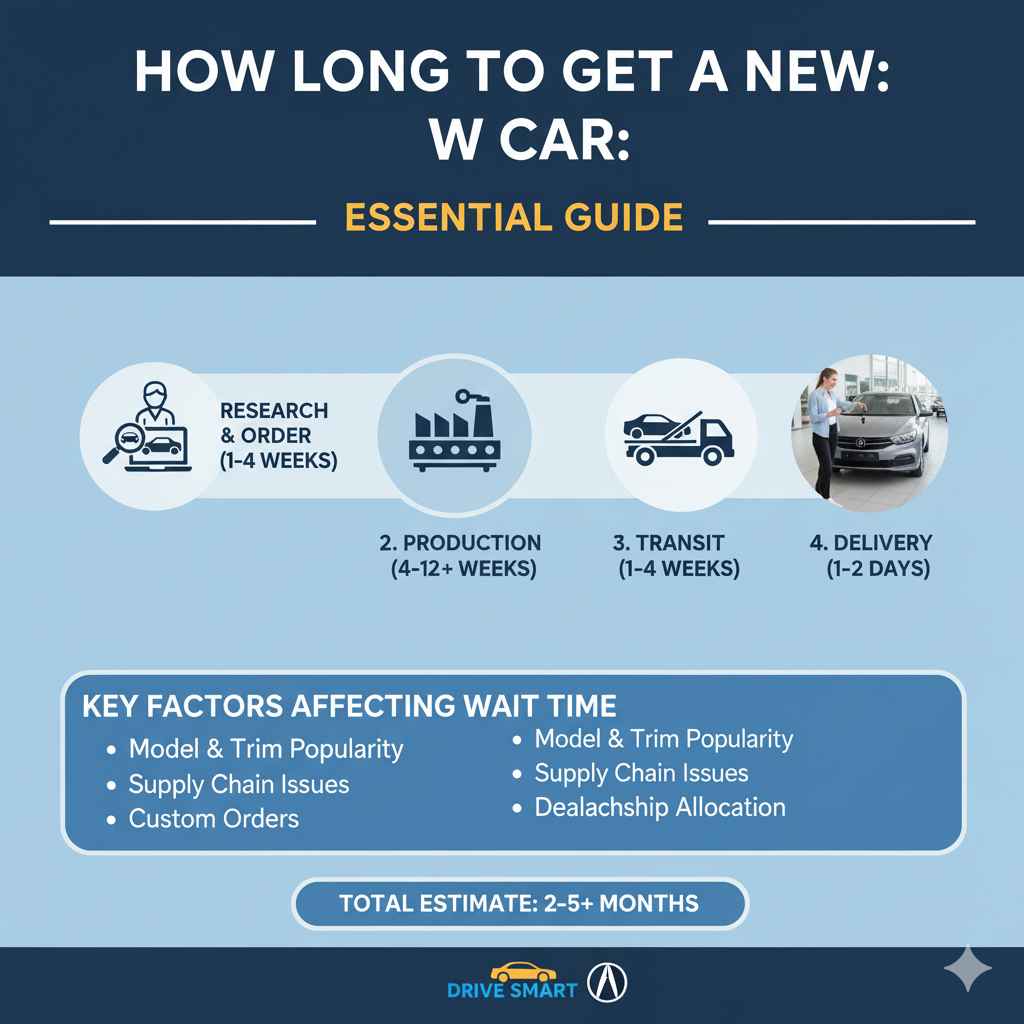
Getting a new car typically takes anywhere from a few days to a few months, depending on whether you buy a car from a dealership’s lot, order a custom build, or face unexpected supply chain delays. Understanding these factors is key to setting realistic expectations.
Getting a new car can feel like a big adventure! You’re excited about that fresh smell and the latest tech. But you might be wondering, “How long does it really take to get one?” It’s a common question, and the answer isn’t always a simple number. Sometimes it’s super quick, and other times it needs a little patience. Don’t worry, though! This guide will break down all the different timelines you can expect, from picking off the lot to waiting for a special order. We’ll make sure you know exactly what to anticipate so you can plan your exciting new car journey with confidence.
What Affects How Long It Takes to Get a New Car?
Several things can change the timeline for you to drive away in a brand-new vehicle. Think of it like planning a trip; where you go and how you get there makes a difference in how long it takes.
1. Buying Off the Lot
This is often the fastest way to get a new car. When you walk into a dealership and find a car that’s already on their lot and ready for sale, the process can be surprisingly speedy.
Selection: Dealerships stock popular models and configurations. If you find exactly what you want, or something very close, you might be able to drive it home the same day.
Paperwork: The main delay here is the financing and paperwork. Getting approved for a loan, signing all the documents, and having the car prepped (like detailing or adding any accessories you agreed on) takes time.
Typical Timeline: For a car already in stock, you could be looking at 1 to 3 days. This includes test drives, negotiation, loan approval, and final delivery.
2. Ordering a Custom Build
If you have specific features, colors, or packages in mind that aren’t currently on the dealership’s lot, you’ll likely need to place a custom order. This gives you exactly the car you want, but it comes with a longer wait.
Factory Production: Your car needs to be built at the factory. This involves scheduling it into production, manufacturing the parts, assembling the vehicle, and passing quality checks.
Shipping: Once built, the car needs to be transported from the factory to the dealership. This can involve trucks, trains, or even ships, depending on the location of the factory and the dealership.
Factors Influencing Order Time:
Manufacturer Demand: How busy is the factory? High demand for certain models can mean longer build times.
Complexity of Your Order: Highly specialized options or rare configurations might take longer to source parts for.
Transportation Logistics: Shipping times can vary widely based on distance and available transport.
Typical Timeline: For a custom order, expect anywhere from 4 weeks to 4 months, or even longer. It’s crucial to ask the dealership for their best estimate based on the specific vehicle you’re ordering.
3. Supply Chain and Manufacturing Issues
The automotive industry, like many others, has experienced significant disruptions due to global supply chain issues. Things like the shortage of microchips have had a major impact on car production.
Chip Shortage: Modern cars rely heavily on computer chips for everything from engine management to infotainment systems. A lack of these chips can halt production lines.
Other Parts: Shortages of other components, like tires, plastics, or specialized electronics, can also cause delays.
Impact on Availability: These issues can mean that even cars that are “in stock” might be missing certain features, or that order times for custom builds are extended significantly.
Monitoring the Situation: This is an ongoing factor. While some shortages have eased, it’s still a good idea to check with your dealership about current production constraints for the model you’re interested in. You can also refer to auto industry news outlets for general updates on these trends.
4. Dealership Inventory and Allocation
Dealerships receive cars based on allocations from the manufacturer, which are influenced by sales data and manufacturing schedules.
Popular Models: Highly sought-after models or trims might have very limited inventory, making it harder to find one readily available.
Dealer Allocation: Even if a car is being built, it might be allocated to another dealer first. Your dealer might need to wait for their next shipment of that specific model.
Pre-Orders: Sometimes, dealerships will take pre-orders for vehicles they know are coming but haven’t arrived yet. This can be a good way to secure a specific car before it’s even off the truck.
Step-by-Step Guide: What to Expect When Buying a New Car
Whether you’re buying off the lot or ordering a custom build, the process generally follows these steps. Knowing them will help you navigate the experience smoothly and understand where potential delays might occur.
Step 1: Research and Decision Making
Before you even talk to a dealership, figure out what you need and want.
Identify Your Needs: What will you use the car for? Commuting, family trips, hauling gear?
Set a Budget: How much can you afford per month, including insurance and running costs?
Choose Your Model: Research different makes and models that fit your needs and budget. Look at reviews from trusted sources like Consumer Reports.
Decide on Features: What are your must-have features (e.g., AWD, sunroof, specific safety tech)?
Step 2: Locating the Car (In Stock vs. Custom Order)
This is where the timeline begins to diverge significantly.
For Cars in Stock:
Contact Dealerships: Call or visit dealerships to see what they have available.
Check Online Inventories: Most dealership websites list their current stock.
Be Flexible: You might need to compromise on color or a minor option if you want it immediately.
For Custom Orders:
Work with a Salesperson: Discuss your desired vehicle configuration. They will check factory availability and expected production slots.
Place a Deposit: You’ll likely need to pay a non-refundable deposit to secure your custom order.
Get an Estimated Delivery Date: The salesperson should provide a projected timeline, but remember this is an estimate.
Step 3: The Buying Process
Once you’ve found the car or placed your order, the deal begins.
Negotiate Price: Whether it’s an in-stock car or a custom order, agree on the final purchase price before discussing financing.
Secure Financing: If you’re not paying cash, apply for a car loan. You can get pre-approved from your bank or credit union, or work with the dealership’s finance office. Understanding loan terms is crucial; the Consumer Financial Protection Bureau has excellent resources on car loans.
Trade-In (If Applicable): If you’re trading in your current vehicle, the dealership will appraise it. This can happen before or during the negotiation.
Step 4: Waiting and Tracking (Especially for Custom Orders)
This is the most variable part.
For Cars in Stock:
Dealership Prep: The car needs to be detailed, any accessories installed, and final checks done.
Paperwork Completion: Finalizing loan documents, registration, and insurance.
Delivery Appointment: Schedule a time to pick up your car.
For Custom Orders:
Production Updates: Ask your salesperson if they can provide updates on your car’s production status. Some manufacturers have online tracking tools.
Shipping Notifications: Once the car leaves the factory, you might get tracking information.
Dealership Arrival: The car will be transported to the dealership. They will perform a PDI (Pre-Delivery Inspection).
Step 5: Delivery and Driving Away!
The moment you’ve been waiting for!
Final Inspection: Before signing anything, thoroughly inspect the car for any damage or issues.
Understand Features: The dealership should walk you through the car’s features and technology.
Sign the Rest of the Paperwork: Complete all final sales and registration documents.
Drive Home: Congratulations!
Estimated Timelines: A Quick Glance
To help you visualize, here’s a table showing typical timelines for different scenarios. Remember, these are estimates and can change due to many factors, especially current market conditions.
| Scenario | Estimated Time to Receive Car | Key Factors |
|---|---|---|
| Buying an In-Stock Vehicle | 1-3 Days | Dealership availability, financing approval, paperwork. |
| Ordering a Specific Configuration from Current Production | 4-12 Weeks | Factory build slot, shipping time, dealership preparation. |
| Ordering a Highly Customized or Less Common Model | 2-6 Months (or longer) | Special part sourcing, factory build priority, distant shipping routes. |
| Dealing with Significant Supply Chain Disruptions (e.g., chip shortage) | Highly Variable (Can extend previous timelines significantly) | Global manufacturing capacity, part availability, manufacturer production strategies. |
| Securing a Vehicle with Limited Availability/High Demand | Can range from immediate (if found) to many months (if ordering and waiting for allocation). | Manufacturer production, dealer allocation, customer demand. |
Tips for a Smoother Car Buying Experience
Your goal is to get your new car efficiently and without unnecessary stress. Here are some tips to help:
Be Prepared: Have your documents ready – driver’s license, proof of insurance, and financing information if you have it.
Communicate Clearly: Be upfront with the dealership about your timeline expectations and any specific needs you have.
Ask Questions: Don’t hesitate to ask about production status, estimated delivery, or any fees.
Be Patient (Where Necessary): If you’ve ordered a custom car or if there are industry-wide delays, understand that some waiting is part of the process. Patience can lead to getting exactly the car you want.
Stay Flexible: While having a specific vision is great, sometimes being open to slight variations can help you get a car sooner if one is available.
Understand “Order Holds”: Some manufacturers may place “order holds” on certain features if a component is unavailable. This means your car might be built without that specific option. If this is a deal-breaker, discuss it upfront.
* Check Manufacturer Websites: Many car manufacturers offer online tools to track your order’s progress once it’s been placed.
Frequently Asked Questions (FAQ)
Here are some common questions new car buyers have about the waiting process.
Q1: Can I get a new car the same day I decide to buy one?
Yes, if you find a car you like that is already in the dealership’s inventory and on their lot. The process involves test drives, negotiation, financing approval, and final paperwork. This can often be completed within a day or two if everything goes smoothly.
Q2: How long should I expect to wait for a custom-ordered car?
For a custom-ordered car, the timeline can vary greatly, typically ranging from 4 weeks to 4 months. This depends on the car manufacturer’s production schedule, the complexity of your order, and shipping times from the factory to the dealership.
Q3: Are there ways to track my custom car order?
Many car manufacturers provide online tracking tools for custom orders. Once your order is placed and has a VIN (Vehicle Identification Number), you can often use this tool or ask your salesperson to provide updates on its production and shipping status.
Q4: What causes delays in getting a new car?
Delays can be caused by several factors, including global supply chain issues (like semiconductor shortages), high demand for specific models, manufacturing plant schedules, transportation logistics, and even weather events affecting shipping. Dealerships also need time to prepare the car.
Q5: Is it possible to get a car faster if I’m willing to pay more?
While direct payment or excellent credit can speed up financing, paying more doesn’t typically make a factory-built car arrive faster. The production and shipping timelines are usually fixed by the manufacturer. However, some dealers might have expedited processing for paperwork or vehicle preparation.
Q6: Should I order a car if I need one quickly?
If you need a car very quickly, it’s best to look for vehicles already in stock at dealerships. Custom ordering usually involves a significant wait. You could also explore certified pre-owned vehicles, which are used but thoroughly inspected and often come with a warranty, offering a faster path to ownership.
Conclusion
Navigating the timeline for getting a new car involves understanding a few key variables. Whether you’re zipping home in a car from the lot within days or patiently waiting months for a meticulously built custom order, setting realistic expectations is your best tool. The factors influencing this timeline—from dealership inventory and factory production to the ever-present impact of supply chain logistics—all play a role. By doing your research, communicating clearly with your dealership, and knowing what to anticipate at each step, you can make your journey to new car ownership a smooth and exciting one. Remember, the perfect car is worth a little wait sometimes, and armed with this knowledge, you’re ready to make informed decisions. Happy driving when your new wheels finally arrive!