Does Premium Gas Help Your Car: Boost Performance and Efficiency?
Yes, premium gas can help your car, but not always. It depends on your vehicle’s requirements.
Many drivers wonder if premium gas is worth the extra cost. Premium gas is more expensive, and it’s natural to question its benefits. This article will explore whether premium gas truly helps your car. We will look at when it’s necessary and when it’s not.
Understanding this can save you money and help your car run smoothly. If your car manual suggests premium gas, then it might be beneficial. For others, regular gas could be enough. Let’s dive in and see if premium gas is what your car needs.
Quick Answer
Premium gas only helps if your engine is designed for it. If your owner’s manual says “requires premium,” using regular can trigger the knock sensor to retard timing and lose power. If it says “recommended,” premium may offer a small performance boost but isn’t required. If your manual says “regular unleaded,” premium gives no benefit — you’re just paying more for the same result.
Premium Vs Regular Gas
Premium gas has a higher octane rating than regular gas. This means it can handle more pressure before it burns. Some cars need this to avoid engine knocking. In most cases, regular gas works well for many cars. It costs less and offers good performance. The choice between premium and regular depends on your car’s engine. Check your car manual to know the best option.
Many think premium gas makes all cars run better. This is not true. Only some engines need it. Another myth is that premium gas cleans your engine. Both regular and premium gases have cleaning agents. No need to spend more if your car doesn’t require it. Always follow your car’s fuel recommendation.
Engine Requirements
High-performance engines need premium gas. This fuel burns cleaner and improves engine power. It also reduces engine knocking. Such engines get better mileage with premium gas. They run smoother and last longer.
Standard engines run well on regular gas. They do not need premium fuel. Using premium gas in these engines wastes money. There is no noticeable improvement in performance. Regular gas is adequate for most cars.
Octane Ratings Explained: What “Requires” vs. “Recommends” Really Means
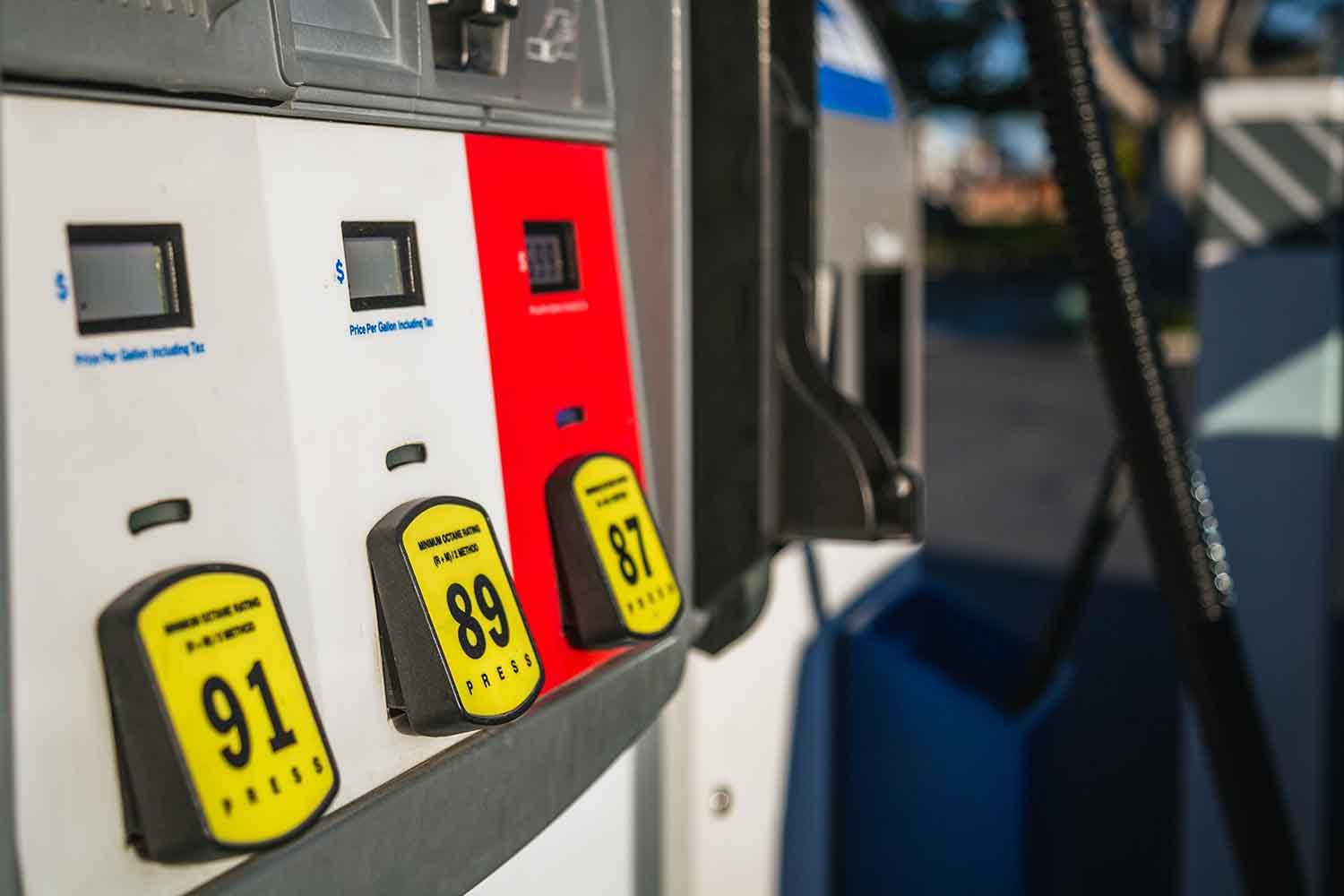
The number on the pump — usually 87 (regular), 89 (mid-grade), or 91-93 (premium) — is the fuel’s octane rating, a measure of how much compression it can withstand before it ignites on its own instead of from the spark plug. Higher-compression and turbocharged engines are more prone to that early, uncontrolled ignition, known as engine knock, so they’re tuned to expect higher-octane fuel.
Most modern engines have a knock sensor that listens for this knocking and automatically retards the ignition timing to protect the engine if it detects fuel that’s too low-octane. This is why the distinction in your owner’s manual matters: if it says premium is “required,” the engine is built around that fuel and running regular can cause real knock and reduced performance. If it says premium is only “recommended,” the knock sensor simply adjusts timing on regular gas — you’ll lose a small amount of power, but you won’t damage the engine. If your manual just says “regular unleaded,” the engine control unit is calibrated for 87 octane, and premium gas has nothing extra to offer.
Impact On Performance
Premium gas can make a difference in how your car accelerates. Cars designed for regular gas may not see much improvement. High-performance cars benefit the most from premium gas. They feel quicker off the line. The engine runs smoother. You might notice faster responses when you press the pedal. It can be worth the extra cost if your car recommends it. But not all cars need it.
Premium gas can boost horsepower in some cars. Especially those with turbocharged engines. These engines work better with high-octane fuel. They produce more power. Regular gas might limit the engine’s potential. Premium gas helps the engine reach its peak performance. This means more power and better driving experience. But only if your car requires it. Using premium gas in regular cars might not change anything.
Fuel Efficiency
Premium gas might improve fuel efficiency. Some cars get more miles per gallon. But not all cars need premium gas. Regular cars might not see a big difference. Premium gas is often more expensive. It’s important to check your car’s manual. Follow the recommended fuel type. Using the right gas can save money. It can also help your car run better.
Premium gas can keep your engine cleaner. It has fewer impurities. Cleaner engines last longer. They need fewer repairs. Premium gas can prevent knocking. Knocking damages the engine. Smooth running engines perform better. They last longer. Using premium gas can be a good investment. But only if your car needs it. Always check your car’s manual.
Cost Analysis
Premium gas often costs more than regular gas. The price gap can be significant. Sometimes, it is 20 to 40 cents per gallon. This adds up quickly. Imagine filling a 15-gallon tank. The extra cost could be several dollars each time.
Many wonder if premium gas is worth the extra money. Most cars run fine on regular gas. Only high-performance cars need premium gas. Using premium gas in a regular car may not show any benefits. Spending more money on premium gas might not be necessary. It could be a waste of money for most drivers.
If Your Engine “Recommends” Premium But You Run Regular
Lucas Oil Octane Booster
Best for: raising the octane of a tank of regular gas for engines that recommend (not require) premium
Why we picked it: a trusted, widely available additive that can bump regular fuel closer to mid-grade or premium performance
Main drawback: cheaper than buying premium at the pump every fill-up, but still an added cost per tank
View Our Pick on Amazon
 104+ Performance Max Octane Boost Best for: older engines that also want lead-substitute valve protection Why: dual-purpose formula combines octane boost with upper-cylinder lubrication Drawback: pricier per bottle than single-purpose boosters Check on Amazon |
 Rislone Super Concentrated Octane Booster Best for: drivers who want a 12-pack on hand for every fill-up Why: small concentrated bottles are easy to keep in the glovebox Drawback: smaller bottle size means more frequent repurchasing Check on Amazon |
 STP Octane Booster & Fuel System Cleaner Best for: budget-conscious drivers who also want injector-cleaning benefits Why: combines octane boost with a fuel system cleaner in one bottle Drawback: milder octane boost than dedicated racing-grade additives Check on Amazon |
Manufacturer Recommendations
Many manufacturers recommend premium gas for high-performance cars. It can enhance engine efficiency and reduce knocking. Regular cars may not need it.
Owner’s Manual
The owner’s manual is key. It tells you the best fuel for your car. Using the right fuel keeps the engine healthy. Some cars need premium gas. Others do not. Always check the manual first. For a broader look at fuel choice beyond just octane, see our guide on what is the best gas for your car.
Expert Advice
Experts say to follow the manual. Premium gas is not always better. It depends on the car. Using the wrong fuel can hurt the engine. Save money and check what the car needs.
Environmental Considerations
Premium gas can impact the environment. It might produce fewer emissions than regular gas. Lower emissions help keep the air cleaner. This is better for our planet. Cleaner air is healthy for everyone.
Some cars run better with premium gas. These cars might pollute less. Using the right gas for your car is important. Always check the car manual. The right fuel helps your car and the environment.
Eco-friendly Choices
Choosing the right gas is an eco-friendly choice. Sometimes, premium gas is the better option. It can reduce pollution. This helps in keeping our environment safe. Always consider the impact on nature when choosing fuel.
Myths And Facts
Some people think that premium gas makes their car go faster. Others believe it keeps the engine cleaner. Many think it gives better fuel efficiency. These are common beliefs about premium gas.
Studies show that most cars do not need premium gas. Regular gas works well for most engines. Using premium gas in a car that does not need it does not improve performance. It does not make the engine cleaner either. Only cars with high-performance engines benefit from premium gas. Always check your car’s manual. It tells you the best type of gas to use.
Frequently Asked Questions
Is It Worth Putting Premium Gas In Your Car?
Premium gas is worth it only if your car’s manufacturer recommends it. It can improve performance and fuel efficiency in high-performance engines. For regular engines, it offers no significant benefits. Check your owner’s manual for guidance.
Will Premium Gas Clean My Engine?
Premium gas typically doesn’t clean your engine. It may help performance in high-compression engines. Use fuel additives for cleaning.
Does Premium Gas Help Acceleration?
Premium gas may improve acceleration in high-performance engines. Most standard engines won’t benefit from premium gas. Check your car’s manual.
Will Premium Gas Get Better Mileage?
Premium gas doesn’t always improve mileage. Some engines might benefit, but most vehicles run efficiently on regular gas. Check your owner’s manual.
What Do the Numbers 87, 89, and 91-93 on the Pump Mean?
Those numbers are the fuel’s octane rating — 87 is regular, 89 is mid-grade, and 91-93 is premium. A higher number means the fuel can handle more compression before it self-ignites, which is why high-compression and turbocharged engines are tuned to use it.
What’s the Difference Between “Premium Required” and “Premium Recommended”?
“Required” means the engine is built around premium fuel, and running regular can cause real engine knock and reduced performance over time. “Recommended” means the engine’s knock sensor can safely adjust ignition timing for regular gas — you’ll lose a small amount of power, but you won’t damage the engine.
Conclusion
Premium gas benefits some cars but not all. Check your owner’s manual. Most cars run fine on regular gas. High-performance engines need higher octane. Using premium gas can prevent knocking. It might improve fuel efficiency slightly. But for many, the cost outweighs the benefits.
Always follow your car’s requirements. Save money by choosing the right fuel. So, know your car’s needs and fuel it wisely.
Products related to this article
Sponsored / affiliate links. As an Amazon Associate I earn from qualifying purchases. I may earn additional commission from eligible campaigns.