How Long to Idle a Car After a Jump Start Safely
You’ve just faced the dreaded click of a dead car battery. Thankfully, a jump start saved the day, but now a nagging question pops into your head: How long should you let the car run before turning it off? It feels like a critical step, and getting it wrong could leave you stranded again.
This post will clearly explain how long to idle a car after a jump start safely. By the end, you’ll know exactly what to do, giving you confidence on the road and avoiding unnecessary frustration.
What Happens During a Jump Start
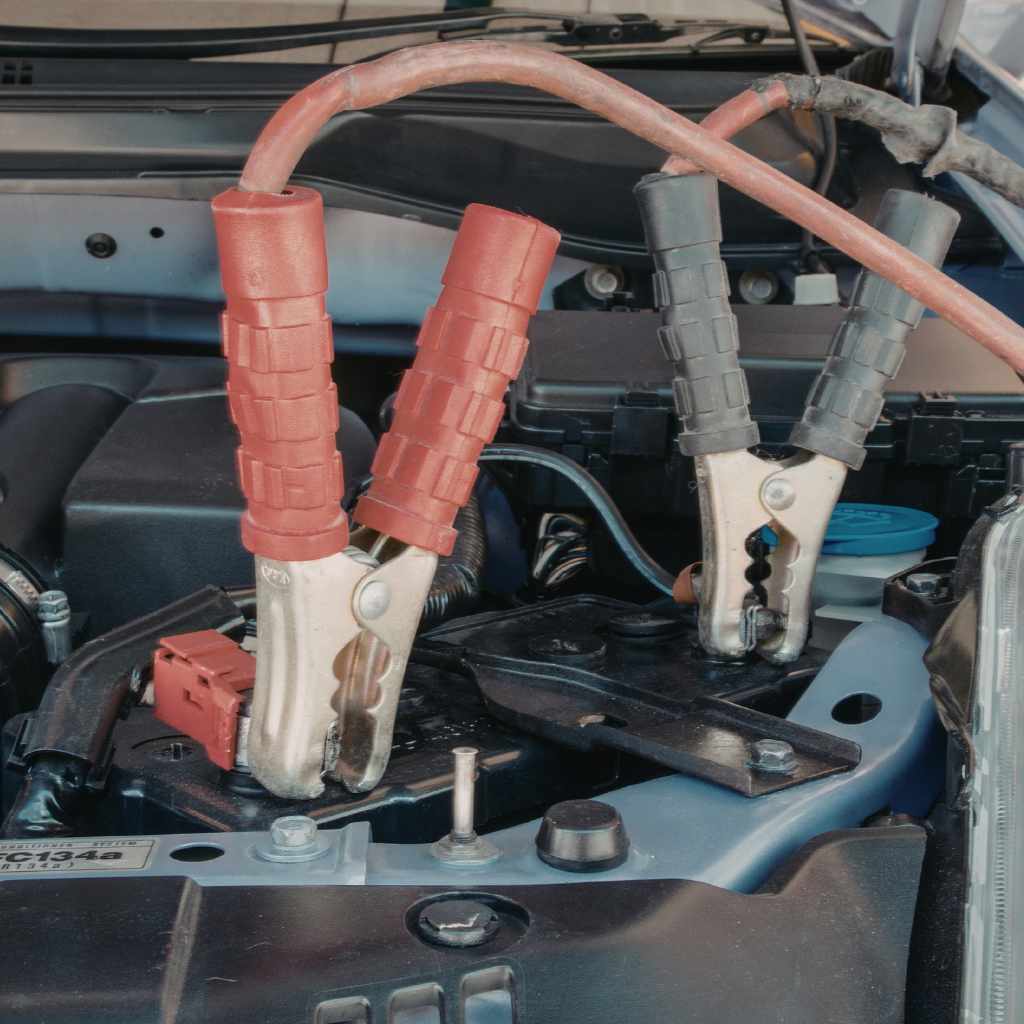
When your car battery is dead, it means it doesn’t have enough electrical power to start the engine. The starter motor needs a lot of juice, and if the battery can’t provide it, you get that sad clicking sound or nothing at all. A jump start uses another car’s working battery and jumper cables to give your dead battery the boost it needs to crank the engine over.
The alternator in your car is the component responsible for recharging the battery while the engine is running. It converts mechanical energy from the engine into electrical energy. Think of it as the car’s power generator.
Once the engine is running, the alternator starts working to replenish the charge in the battery that was used during the jump start. This process takes time and depends on several factors.
How Long to Idle a Car After a Jump Start Safely
The primary goal after a successful jump start is to allow your car’s alternator enough time to recharge the depleted battery. Simply starting the engine and immediately turning it off is rarely enough. You need to let the engine run long enough for the alternator to put a significant amount of charge back into the battery.
This ensures you can restart the car later without needing another jump.
The general consensus among automotive experts is that you should aim to idle your car for at least 15 to 30 minutes after a jump start. This is a good starting point that covers most common scenarios. During this idling period, the engine doesn’t need to be revved excessively.
Letting it idle at a normal RPM (revolutions per minute) is sufficient for the alternator to do its job.
Factors Affecting Idle Time
While 15-30 minutes is a good guideline, some situations might require a longer idling period. The main factors influencing this are:
- How dead was the battery? If the battery was completely drained, it will take longer to recharge than if it was just low.
- The condition of the battery. Older batteries or those nearing the end of their lifespan may not hold a charge as effectively, even after a decent idling period.
- The alternator’s efficiency. A healthy alternator will charge the battery faster than a weak one.
- The ambient temperature. Extremely cold weather can make batteries less efficient and require more time to recharge.
- Electrical load. If you have many accessories running (like headlights, radio, AC, heated seats), these will draw power from the alternator, slowing down the battery recharge process.
What You Should Do During the Idle Period
While idling, it’s generally best to keep the electrical load on your car to a minimum. This means:
- Turn off unnecessary electronics like the radio, interior lights, and AC or heater fan if possible.
- Avoid using power-hungry accessories like phone chargers.
- Keep the headlights off unless absolutely necessary for safety.
The idea is to let the alternator focus its energy on recharging the battery. However, if you are in a situation where you need lights for safety, it’s better to run them and accept a slightly longer idle time. Some people prefer to drive their car for a period after a jump start rather than just idling.
This is also an effective way to charge the battery because the engine is usually running at higher RPMs, which allows the alternator to generate more power.
Driving vs. Idling
Driving your car is often a more efficient way to charge the battery than simply letting it sit and idle. When you drive, the engine runs at higher RPMs, and this increased engine speed typically means the alternator is spinning faster and producing more electrical current. This faster charging can significantly reduce the time needed to get a good charge back into the battery.
If you can, after the initial 15-30 minutes of idling, take your car for a drive. A drive of at least 20-30 minutes at highway speeds or a mix of city driving is usually sufficient to bring the battery charge up to a level where it can reliably start the car again. Shorter trips might not be enough, especially if the battery was severely depleted.
Signs Your Battery Is Charging
While there isn’t a direct gauge that shows the battery’s exact charge level, you can look for some subtle signs:
- The starter sounds stronger when you first start the car.
- If you had warning lights on the dashboard due to low voltage, they might start to dim or turn off.
- Headlights may appear brighter than they did before the jump start.
However, these are subjective. The best way to know for sure is to let the car run for the recommended time or take it for a good drive. If you frequently find yourself needing jump starts, it’s a strong indicator that your battery might be nearing the end of its life and needs to be replaced.
What If It Doesn’t Start Again?
If you’ve followed the idling or driving recommendations and the car still won’t start, it could be due to several reasons:
- The battery is too old or damaged. It might no longer be able to hold a charge effectively.
- There’s another problem with the charging system. The alternator itself could be faulty and not recharging the battery properly.
- There’s a parasitic draw. This is when something in the car is constantly draining the battery even when the engine is off.
- The starting system has an issue. It might be the starter motor or related components.
In these cases, further diagnosis by a mechanic is necessary. They can test your battery, alternator, and starting system to pinpoint the exact problem.
Safety Precautions During a Jump Start
It’s crucial to remember that jump starting involves electricity and can be dangerous if not done correctly. Always follow these safety guidelines:
- Read your car’s owner’s manual. It will have specific instructions for your vehicle.
- Ensure both vehicles are turned off before connecting the cables.
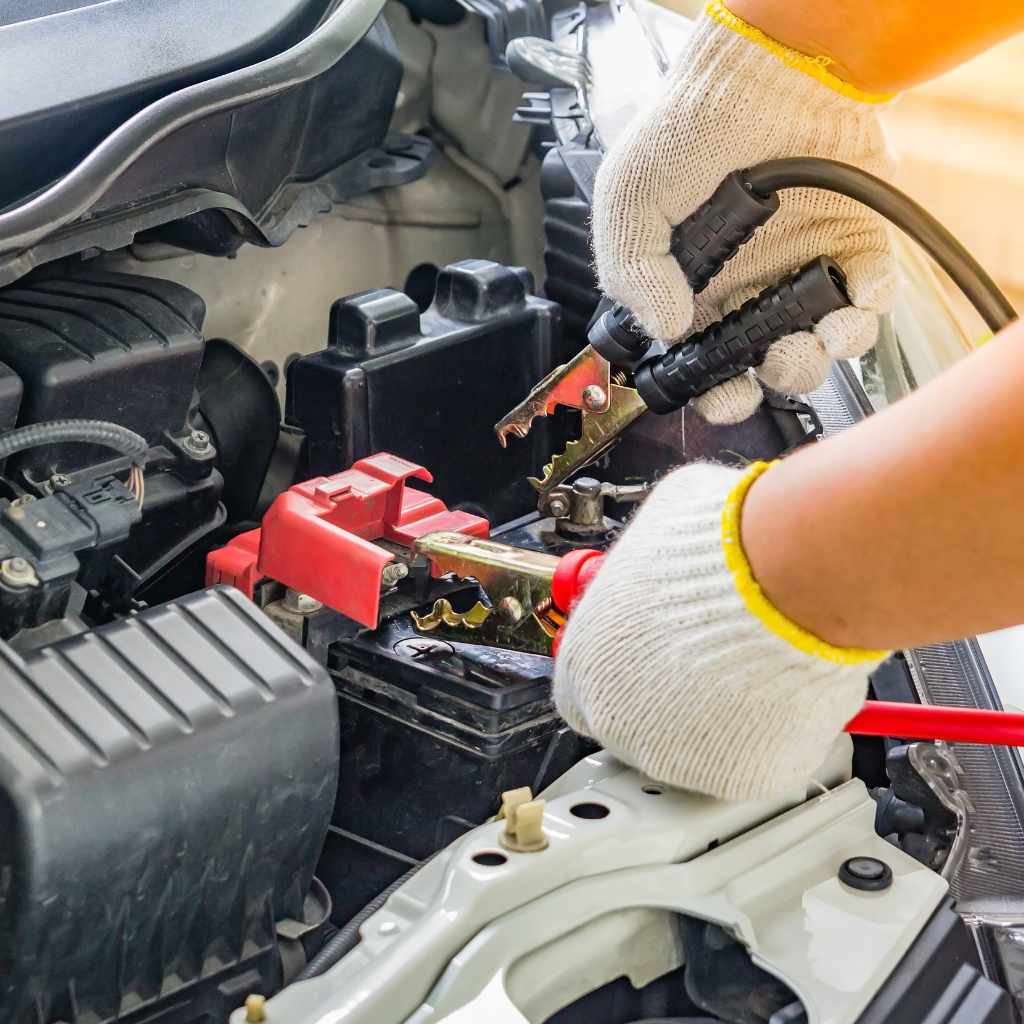
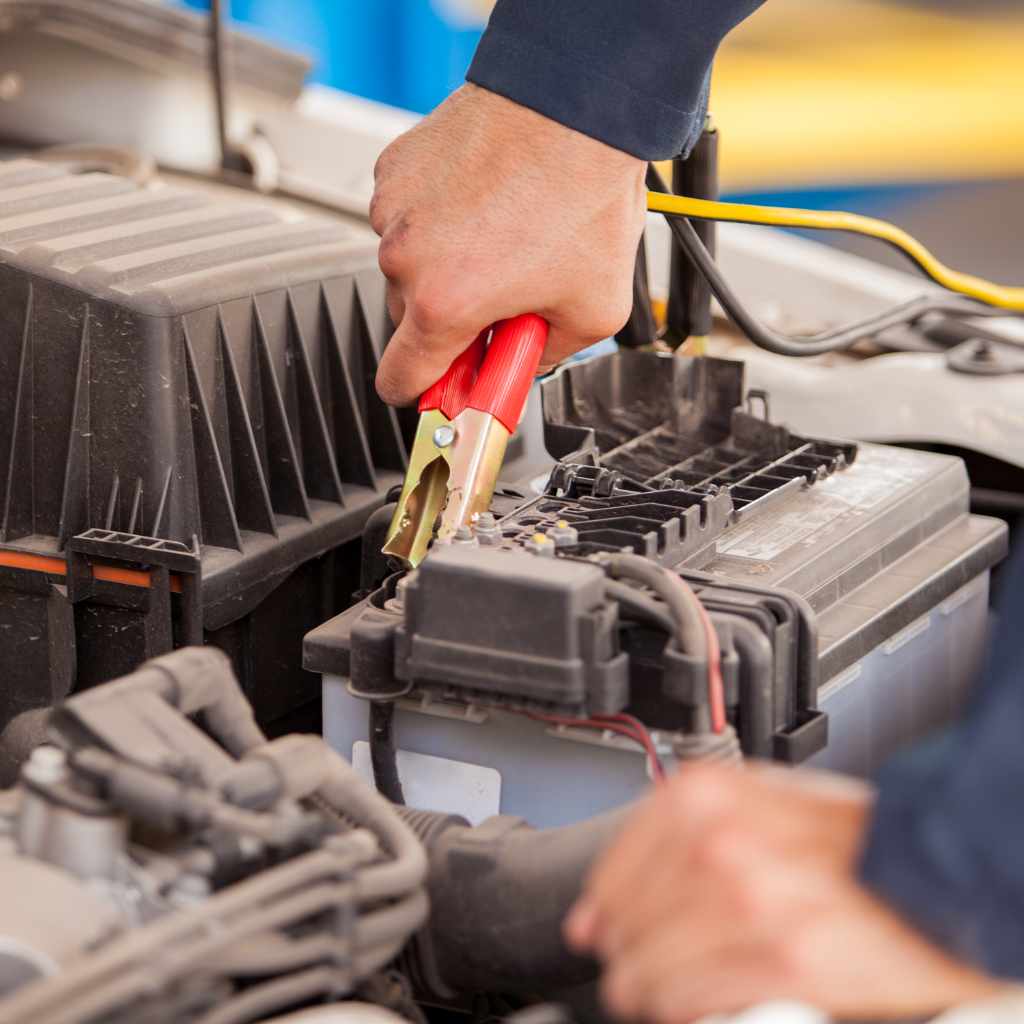
- Connect the cables in the correct order: Red clamp to the positive (+) terminal of the dead battery, then the other red clamp to the positive (+) terminal of the good battery. Next, connect one black clamp to the negative (-) terminal of the good battery. Finally, connect the other black clamp to an unpainted metal surface on the engine block or chassis of the car with the dead battery, away from the battery itself. This is crucial to avoid sparks that could ignite hydrogen gas from the battery.
- Start the working vehicle and let it run for a few minutes.
- Try to start the car with the dead battery.
- Once the car with the dead battery starts, disconnect the jumper cables in the reverse order of connection: Black from the engine block, black from the good battery, red from the good battery, and finally, red from the now-recharged battery.
- Do not let the clamps touch each other once connected to a battery.
- Wear eye protection to guard against potential battery acid splashes.
Frequently Asked Questions
Question: How long should I idle my car after a jump start if it’s very cold outside?
Answer: In extremely cold weather, batteries are less efficient, and it takes longer to recharge them. Aim for at least 30-45 minutes of idling or a longer drive in cold conditions to ensure a sufficient charge.
Question: Can I just drive my car for 5 minutes after a jump start and turn it off?
Answer: No, five minutes is generally not enough time for the alternator to significantly recharge the battery. This could leave you stranded again, especially if the battery is old or the weather is cold.
Question: Is it okay to rev the engine high while idling after a jump start?
Answer: Revving the engine very high isn’t necessary and can be wasteful. Letting the engine idle at its normal RPM is sufficient. Driving at regular speeds is more effective for charging than excessive idling.
Question: What if my car dies again shortly after a jump start and idling?
Answer: If your car dies again soon after a jump start and proper idling or driving, it strongly suggests a problem with the battery itself or the alternator. It’s time to have your car’s charging system checked by a professional.
Question: Do I need to keep the jumper cables connected while the car is idling?
Answer: No, once the car with the dead battery has started successfully, you should disconnect the jumper cables in the correct order. Then, let the car idle or drive it to allow its own alternator to recharge the battery.
Final Thoughts
After successfully jump-starting your car, the crucial next step is ensuring the battery gets enough charge to start the engine independently. While there’s no single magic number, aiming for a minimum of 15 to 30 minutes of idling is a good starting point. However, driving your car for a similar duration, preferably at highway speeds, is often more effective for recharging.
Consider the state of your battery and the environmental conditions; a colder climate or a severely drained battery will necessitate a longer charging period. Always prioritize safety during the jump start process, following the correct connection and disconnection steps to prevent sparks and potential harm. If your vehicle continues to have starting issues after these steps, it’s a clear signal to have your battery and charging system inspected by a qualified mechanic.
Taking these steps provides the best chance of getting your car back on the road reliably.